
Bird baths are most commonly made from concrete or cast stone, glazed ceramic or terra cotta, metal (especially copper), and plastic or resin. Those are your four main categories, and each one handles weather, weight, heat, and cleaning very differently. If you're trying to decide which to buy or just want to know what you're looking at in a garden center, that breakdown covers the vast majority of what's out there. Retail bird bath listings from major retailers also categorize options by material, including ceramic, metal, and plastic, reflecting these as common material types blank" rel="noopener noreferrer">categorized by material (ceramic, metal, plastic). If you’re still wondering what are bird baths and what they’re for, the short answer is that they provide a shallow place for birds to drink and bathe.
What Are Bird Baths Made Of? Materials, Pros, and Care

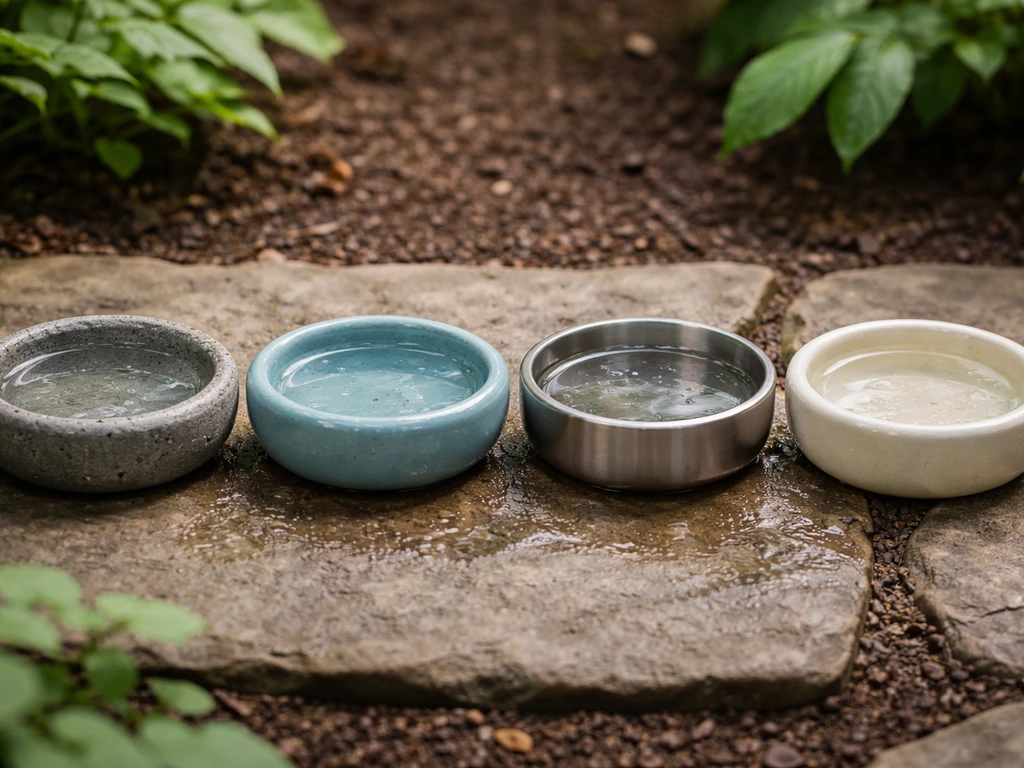
The main materials bird baths are made from
Walk into any garden center or scroll through a retailer's bird bath section and you'll see the same core materials showing up again and again. Here's what each one actually is and why it gets used.
Concrete and cast stone
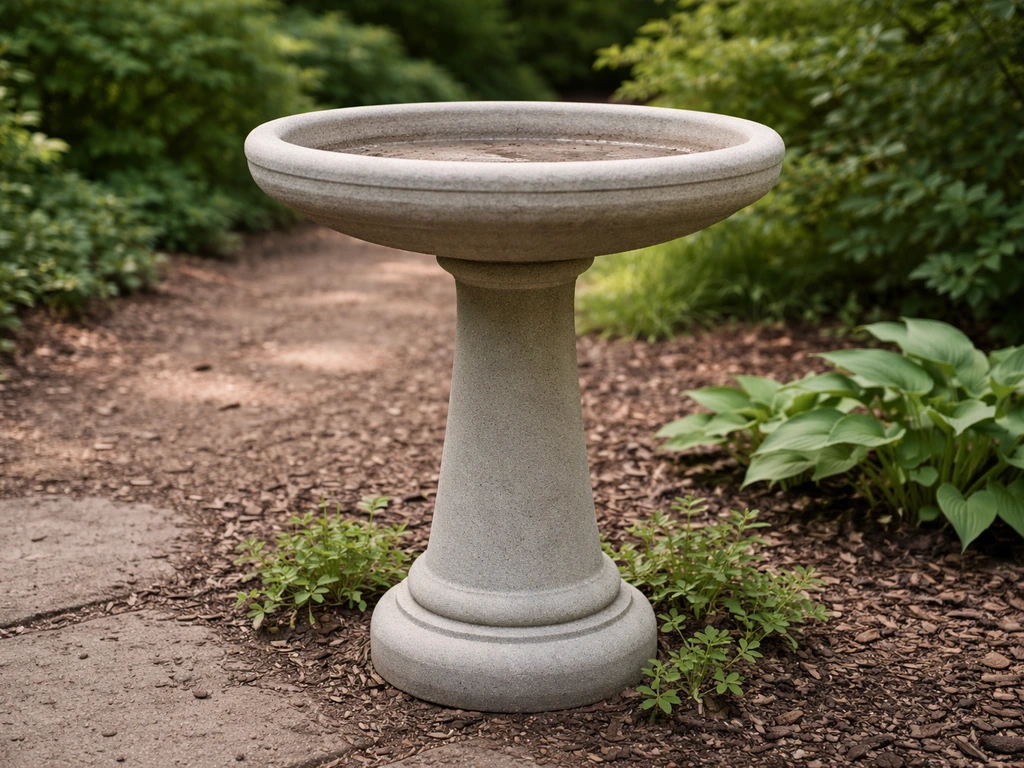
This is the classic. Concrete and cast stone bird baths are molded, usually into the traditional two-piece design with a basin bowl sitting on a pedestal. Cast stone is essentially a refined concrete mix that mimics the look of quarried stone. Both are dense, heavy, and built to stay put. Because concrete is porous, it holds onto moisture and can develop a natural weathered look over time, which a lot of people love. The tradeoff is that the porosity also means algae gets a foothold more easily than on smoother surfaces.
Glazed ceramic and terra cotta
Ceramic bird baths, especially glazed ones, are the most visually striking. The glaze creates a smooth, non-porous surface that's genuinely easier to wipe clean than concrete. Terra cotta is the unglazed version, closer to concrete in terms of porosity. Both look deceptively tough but are actually brittle, which is worth knowing if you live somewhere that freezes in winter. Unglazed terra cotta soaks up water, which expands when it freezes and can crack the material from the inside out.
Metal (copper, cast iron, and others)
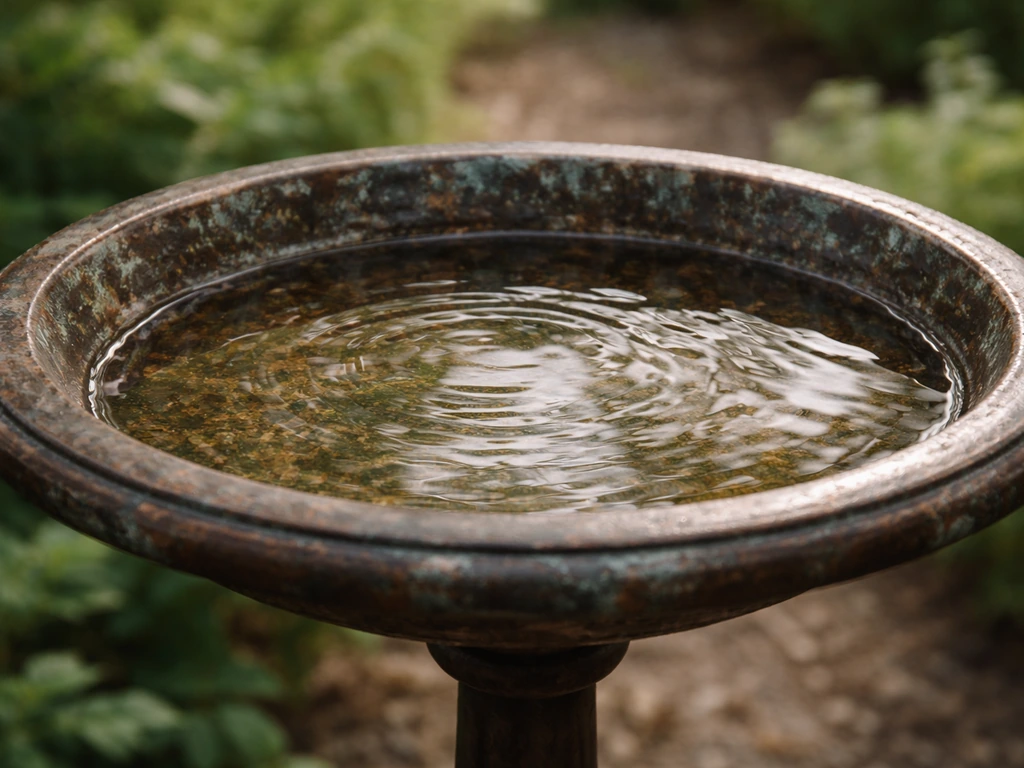
Metal bird baths show up most often in copper or cast iron. Copper has a beautiful look and develops a natural patina over time, though it can heat up significantly in direct sun, which isn't ideal for birds drinking on a hot afternoon. Cast iron is extremely durable but prone to rust if the coating gets scratched. Most metal bird baths will eventually show some corrosion, so surface condition is worth checking regularly.
Plastic and resin
Plastic and resin are the lightweight options. Resin in particular is often molded to mimic the look of stone or ceramic at a much lower weight and price. Resin is often molded to mimic the look of stone or ceramic at a lower weight and price, which can help explain why are bird baths so expensive when you move up to pricier materials. These are the easiest to move around for cleaning or winter storage, and they don't crack in freezing temps the way ceramic or concrete can. They're not as durable long-term, and some cheaper plastics fade or warp in strong UV, but for a starter bath or a second bath in a shaded spot, they work fine.
Glass
Glass bird baths are less common but worth mentioning. They're typically handcrafted, decorative pieces that work well in protected garden spots. They're beautiful, easy to clean, and non-porous, but obviously fragile and not great in freezing conditions or high-wind areas.
How each material actually performs: the real tradeoffs
Knowing the material name is one thing. Knowing how it behaves in your actual yard, through seasons and weather, is what helps you make a real decision. Here's how the main materials stack up across the things that matter most.
| Material | Durability | Weight/Portability | Heat Retention | Cleaning Ease | Freeze Risk | Aesthetics |
|---|---|---|---|---|---|---|
| Concrete/Cast Stone | Very high (chip-resistant) | Heavy, hard to move | Stays cool in summer | Harder (porous surface) | Moderate (can crack) | Classic, natural look |
| Glazed Ceramic | Moderate (brittle) | Moderate weight | Moderate | Easiest (non-porous glaze) | High (freeze damage likely) | Colorful, decorative |
| Unglazed Terra Cotta | Moderate (brittle) | Moderate weight | Stays relatively cool | Harder (porous) | Very high (soaks water) | Rustic, earthy |
| Copper/Metal | High (rust risk over time) | Moderate | Heats up in sun | Easy if surface intact | Low (no cracking) | Elegant, patinas naturally |
| Plastic/Resin | Moderate (UV degradation) | Very light, easy to move | Heats up quickly | Easy (smooth surface) | Very low | Wide range, mimics other materials |
| Glass | Low (fragile) | Light to moderate | Low | Very easy | High | Decorative, unique |
A few of these deserve more context. Concrete's ability to stay cooler in summer is a genuine advantage for birds: on a hot day, a concrete basin stays noticeably cooler than a plastic or metal one sitting in full sun, which makes the water more comfortable and keeps it from evaporating as fast. Meanwhile, metal's heat retention in direct sun is a real problem. I've touched a copper basin on a July afternoon and it was uncomfortably warm. If you go metal, shade matters a lot.
The concrete weight issue is also real. A traditional two-piece concrete bird bath can weigh 50 to 80 pounds or more. If you're planning to bring it in for winter or move it around for cleaning, that's a serious consideration. Resin baths that look like stone solve that problem well, though you'll eventually notice the difference in feel and longevity.
Concrete vs ceramic vs metal vs plastic: which one should you actually get?
If you want a straightforward recommendation: concrete or cast stone wins for most permanent outdoor setups, glazed ceramic is great if you want aesthetics and easy cleaning and can manage winter storage, resin or plastic is the smart pick for renters, beginners, or anyone who wants flexibility, and metal is a specialty choice that works best in shade with regular maintenance. Once you’ve picked the right material, it’s also worth figuring out how much are bird baths in your budget and climate.
Here's how I think about it by situation. If you're in a freeze-prone climate and can't or won't bring the bath inside in winter, concrete or resin are your safest bets. Glazed ceramic is beautiful but it will crack if water freezes inside it, and unglazed terra cotta is even more vulnerable. If you want something that looks premium and lasts decades with minimal fuss, a good concrete or cast stone basin is hard to beat. If you want color, pattern, or a mosaic style that matches your garden decor, glazed ceramic is the way to go, just plan to store it or cover it when temps drop. If you're just getting started and want to see whether birds use the spot before committing, a resin bath gives you the flexibility to experiment without a big investment.
Heated and solar bird baths: what they're made of and how they work
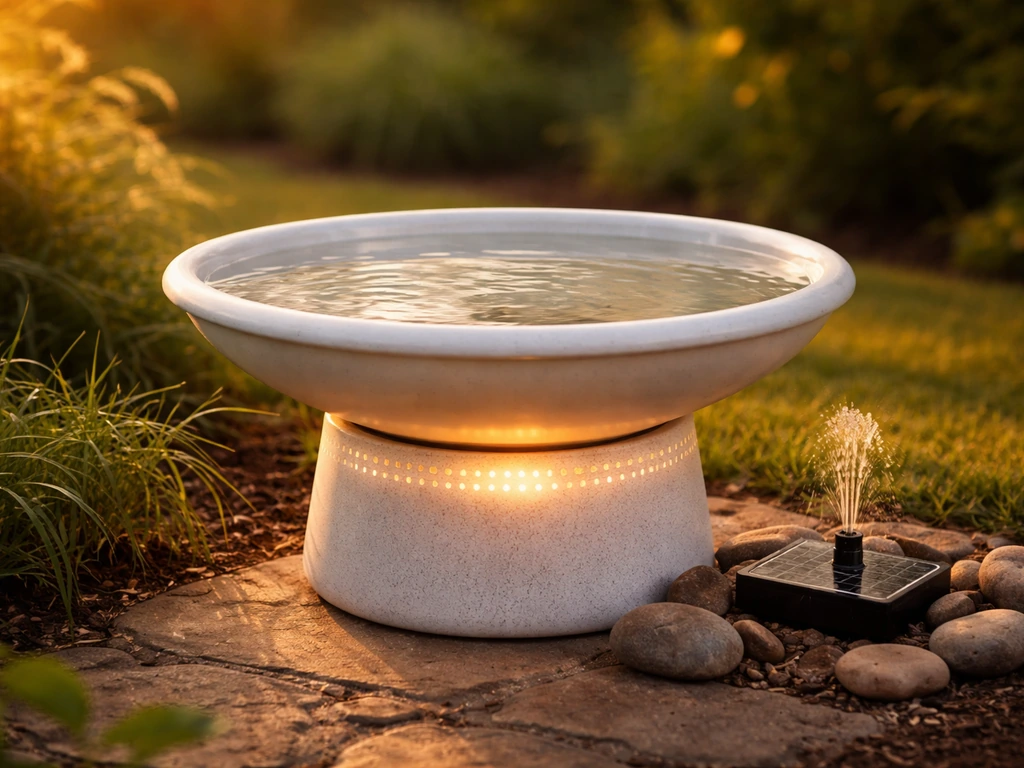
Heated and solar bird baths use the same basin materials as standard baths, but with added components built in or attached. How bird baths work also depends on the material, since some basins stay cooler and help slow evaporation while others hold algae more easily how do bird baths work. Understanding those components helps you set them up correctly and avoid voiding your warranty.
Heated bird baths
A heated bird bath is typically a standard basin (plastic, resin, or sometimes metal) with a thermostatically controlled heating element built into or positioned below the base of the bowl. The thermostat is the key part: it doesn't run constantly or bring water to a hot temperature. Instead, it cycles on when temps drop close to freezing and shuts off when the water is just above freezing, keeping birds supplied with liquid water through winter without creating a hot tub situation. A common setup uses a 50W to 60W heating element, which is comparable to leaving a light bulb on. Units like the Farm Innovators BD-75 use exactly this kind of thermostatically controlled operation.
The electrical side is where most people run into trouble. These units plug into an outdoor-rated, properly grounded extension cord, and that detail matters. Water seeping into the unit from below can render it inoperable and will void the warranty on most models, so placement on a flat, stable surface is important. Many heated bird bath designs feature a removable basin that lifts off the heated base, which makes refilling and cleaning much easier without having to disconnect or disassemble anything electrical.
Solar bird baths
Solar bird baths are most commonly standard basins (again, resin or concrete) paired with a small solar-powered pump or fountain head. The solar panel sits on or near the basin and powers a small recirculating pump that keeps water moving. That water movement is the functional benefit: it keeps the water fresher, discourages mosquitoes, and is attractive to birds. The basin material itself is the same as any other bird bath. The added components are the panel, the pump housing (usually plastic), and the tubing. One thing to be aware of: even with a solar-powered fountain running, algae will still build up during warm weather and the basin still needs regular cleaning.
How material affects your cleaning routine
Material directly determines how hard or easy your cleaning sessions are going to be, and how often you need to do them. This is worth thinking about before you buy.
Concrete and unglazed terra cotta are porous, so algae and mineral deposits get into the surface texture rather than just sitting on top. You'll need a stiff brush and a good soak to clean them properly. The standard approach recommended by Audubon is a solution of 9 parts water to 1 part bleach, scrubbing the surface, then rinsing extremely thoroughly and letting the bath air dry completely before refilling. The rinse step is non-negotiable: bleach residue is harmful to birds.
Glazed ceramic is the easiest to clean because the smooth glaze doesn't let algae or grime penetrate. A soft brush and the same diluted bleach solution works well. One thing to be careful about: blank" rel="noopener noreferrer">don't use a pressure washer or abrasive scrubbers on ceramic. It sounds counterintuitive given how hard the surface seems, but pressure washing can crack glazed ceramic and abrasives can scratch the glaze, creating tiny grooves where bacteria and algae take hold.
Plastic and resin clean up easily, and their light weight means you can take the basin to a hose or utility sink without any effort. They're a good option if you want to be diligent about cleaning, which you should be regardless of material. Shared bird bath water can spread pathogens between birds, so cleaning every few days in summer and at least weekly otherwise is the right habit no matter what your bath is made of.
For metal bird baths, keep an eye on the surface condition during cleaning. If you notice rust spots or the coating is scratching away, address it before it gets worse. A corroded metal surface is harder to clean and can become a rougher environment for birds' feet.
Choosing the right material for your yard, climate, and birds
The right material really does depend on your specific situation. Here are the questions I'd ask before buying.
- Do you get hard freezes in winter? If yes, lean toward concrete/cast stone (leave it out but monitor for cracking) or resin/plastic (no freeze risk at all). Avoid unglazed terra cotta and be cautious with ceramic unless you plan to bring it inside.
- Is your bath going in full sun? Metal and dark plastic will heat up and make water uncomfortable for birds on hot days. Concrete stays cooler. Shade is a workaround for any material, but if you're stuck in sun, concrete is your friend.
- How often are you realistically going to clean and maintain it? If the answer is infrequently, avoid porous materials like concrete and unglazed terra cotta. A glazed ceramic or plastic basin with a smoother surface will stay cleaner longer.
- Do you need to move it? If you'll be repositioning it seasonally or for cleaning, resin or plastic makes life easier. A concrete pedestal bath can be a two-person job to relocate safely.
- What's the visual priority? For formal gardens, cast stone or glazed ceramic. For naturalistic landscapes, weathered concrete. For a functional workhorse that just attracts birds, resin gets the job done.
- Are you dealing with winter specifically? Consider a heated bird bath. The basin itself is usually plastic or resin, but the thermostat-controlled element keeps water liquid through the cold season.
Bird behavior is also worth factoring in. Birds generally prefer shallow water, around 1 to 2 inches deep at the center, regardless of material. For sizing and safety, you also want to match the bird bath water depth to typical bird preferences, which is why depth matters so much. For the best experience, you also need to think about height, since bird bath height affects how comfortably different species can reach the water how tall should a bird bath be. A bath that is too deep can make birds feel exposed, so aiming for a shallow depth helps them drink and bathe safely how deep should a bird bath be. A textured or rough surface gives birds better grip than a super-smooth glazed basin, which is one small advantage porous materials like concrete have. If you're using a glazed ceramic bath, consider adding a few flat stones to the basin so birds have stable footing. The depth and texture questions are closely related to how the bath works for birds day to day, beyond just what it's made of.
Dealing with algae, freezing, and mosquitoes based on your material
These three issues come up constantly, and your material choice interacts with all of them.
Algae buildup
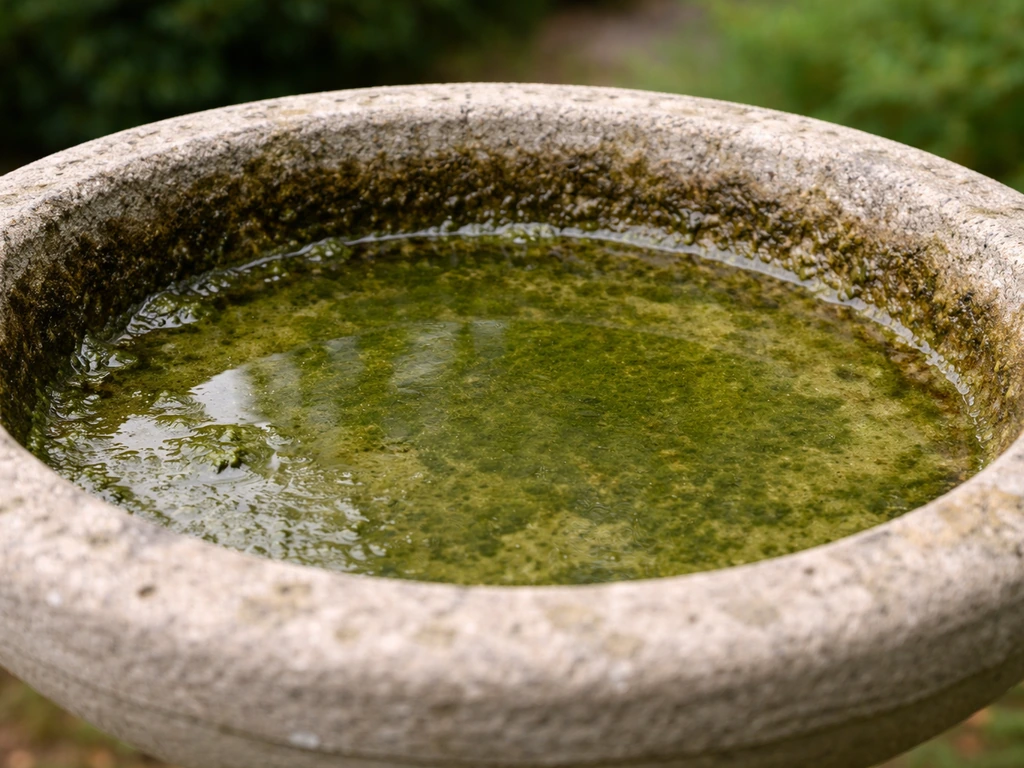
Algae grows in any standing water with sunlight and nutrients, but it gets worse faster in porous materials like concrete and terra cotta because it embeds into the surface. If algae is a persistent problem, moving the bath to a shadier spot helps. The most effective ongoing fix for any material is water movement: a small fountain head, bubbler, or solar-powered pump circulates the water and makes it much harder for algae to establish. If you are wondering how much water to add to a bird bath, you’ll want enough to cover the center to a shallow depth, then refill as it evaporates small fountain head. During warm weather you may still see some algae even with a pump running, especially with solar setups, so keep your cleaning schedule consistent.
Freezing in winter
For concrete, the main risk is surface cracking over many freeze-thaw cycles, though a quality cast concrete bath handles this reasonably well. The bigger risk is with glazed ceramic, where water absorbed into micro-cracks expands on freezing and can fracture the piece. If you have a ceramic bath and live somewhere with real winters, bring it inside or into a garage before the first hard freeze. For plastic and resin, freezing is not a cracking risk, though the basin may warp slightly over many seasons. A heated bird bath is the cleanest solution for year-round use in cold climates: it keeps the water just above freezing, uses modest electricity, and the removable basin design on most models makes cleaning easy even in January.
Mosquito prevention
Mosquitoes lay eggs in still, stagnant water, and they're not picky about the material the basin is made from. The solution is the same regardless of material: keep the water moving. A solar-powered pump costs very little and is the easiest add-on for any existing bath. Changing the water every two to three days during mosquito season also works, and it doubles as a cleaning habit that keeps the water fresh for birds. Some birders use Bacillus thuringiensis (Bt) dunks, which are safe for birds and fish and kill mosquito larvae without chemicals, as a backup measure in larger or slow-moving basins.
FAQ
Are bird baths always made from the same materials, or are there other options?
In most cases, yes. Bird baths can be made from concrete or cast stone, glazed ceramic or terra cotta, metal like copper or cast iron, and plastic or resin. Glass is less common, and almost always limited to decorative pieces meant for sheltered spots, not freezing or high-wind areas.
Which bird bath material is safest if I live somewhere with hard winters?
It depends on your climate and whether the bath can be removed. If you have hard freezes and you cannot store the bath indoors, heated or movable resin/plastic are usually the safest practical choices, while glazed ceramic and terra cotta have cracking risk when water freezes inside or in absorbed pores.
Why does algae keep coming back even if my bird bath is concrete?
That can happen. Even with a porous surface that helps birds with grip, algae and minerals can still build up. The most effective “fix” is water movement (bubbler, fountain head, or solar pump) plus consistent cleaning, rather than relying on material alone.
Will birds be able to stand safely and comfortably on the material?
Check the rim and basin texture. Very smooth surfaces (especially highly polished glaze) can be slippery, so many birders add a few flat stones for stable footing. For metal, also watch for scratches or coating loss, since corrosion can make the surface harsher and harder to clean.
If I choose a heated bird bath, does the basin material still matter for care and durability?
Not always. Heated bird baths use the same basic basin materials, but the added heating base means you must follow outdoor-rated, properly grounded power practices and keep the basin stable so water does not seep into the electrical components. The removable basin design helps, but it does not eliminate the need for careful placement.
Can I use a pressure washer to clean a glazed ceramic bird bath?
No. Pressure washing is risky for glazed ceramic because it can create cracks, and abrasive scrubbing can scratch the glaze. Instead, use a soft brush and diluted bleach solution, then rinse thoroughly and let it dry completely before refilling.
What bird bath material is easiest to maintain year-round?
If you do not have to move it often, “best” usually means easiest long-term maintenance. Glazed ceramic is typically easiest to clean, concrete or cast stone holds up well for permanent outdoor use (with more algae-mineral effort), and resin/plastic are easiest to store or relocate but may fade or warp over time.
Can I leave a ceramic or terra cotta bird bath outside in winter?
Most bird baths are not ideal for unattended winter storage unless they are designed for it. For glazed ceramic, water absorbed into micro-cracks can freeze and split the piece, so bring it indoors or into a garage before the first hard freeze. Terra cotta is even more vulnerable because unglazed pores soak up water.
Do mosquitoes breed in all bird bath materials equally?
Yes, but the timing matters. Replace or refresh water more often in heat and mosquito season, and consider water movement to reduce stagnation. Changing water every two to three days during peak mosquito activity is a practical baseline, even if the basin is made of plastic, metal, or stone.
How should I choose a material based on how often I will actually clean it?
The safest approach is to match your ability to clean and store. If you can commit to frequent summer cleaning and regular scrubbing, concrete can work well. If you want lighter handling for cleaning and winter storage, resin/plastic usually wins. If you want minimal cleaning time and good aesthetics, glazed ceramic tends to be easiest.