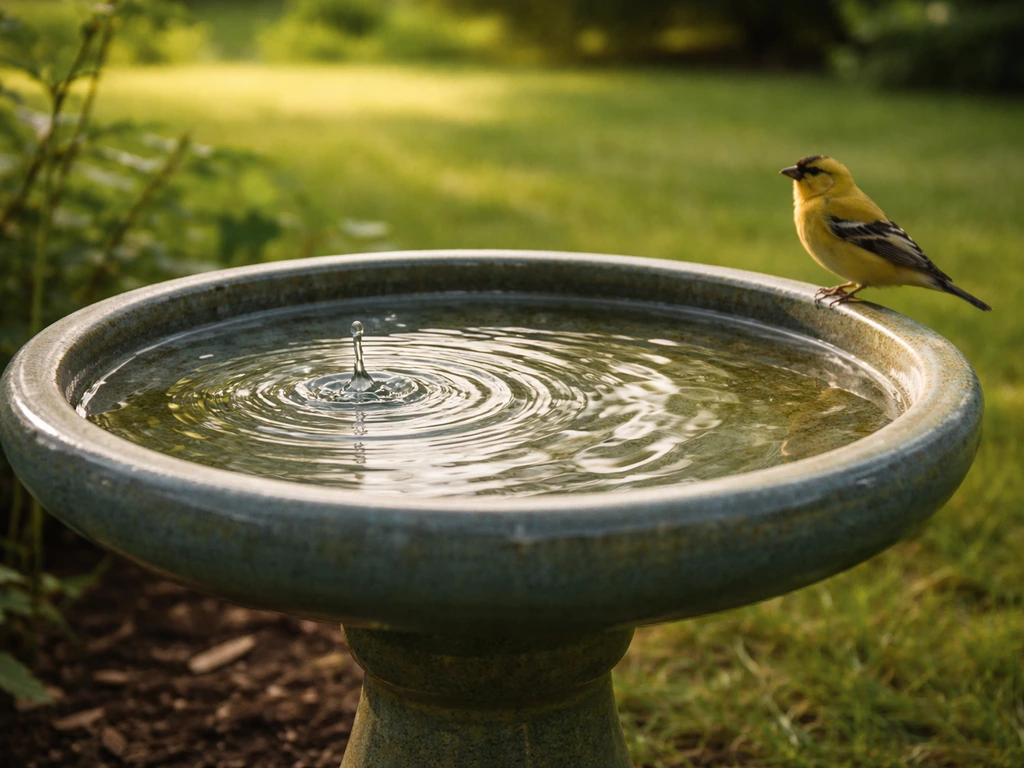
Bird baths cost more than most people expect because you're not just buying a bowl of water. If you’re just getting started, the next step is learning what bird baths are designed to do and how they work for birds year-round. You're paying for weather-resistant materials, UV-stable finishes, anti-tip engineering, drainage design, and in some cases embedded heaters or solar hardware with safety-certified electronics. A basic concrete pedestal bath runs $40–$150. A quality ceramic model lands in the $50–$200 range. Heated and solar units can push $100–$300 or more. Once you understand what actually drives those prices, it's much easier to figure out which features you genuinely need versus which ones you're paying for unnecessarily.
Why Are Bird Baths So Expensive? Cost Drivers and Tips

Marcus Henley
9 Jul 2026
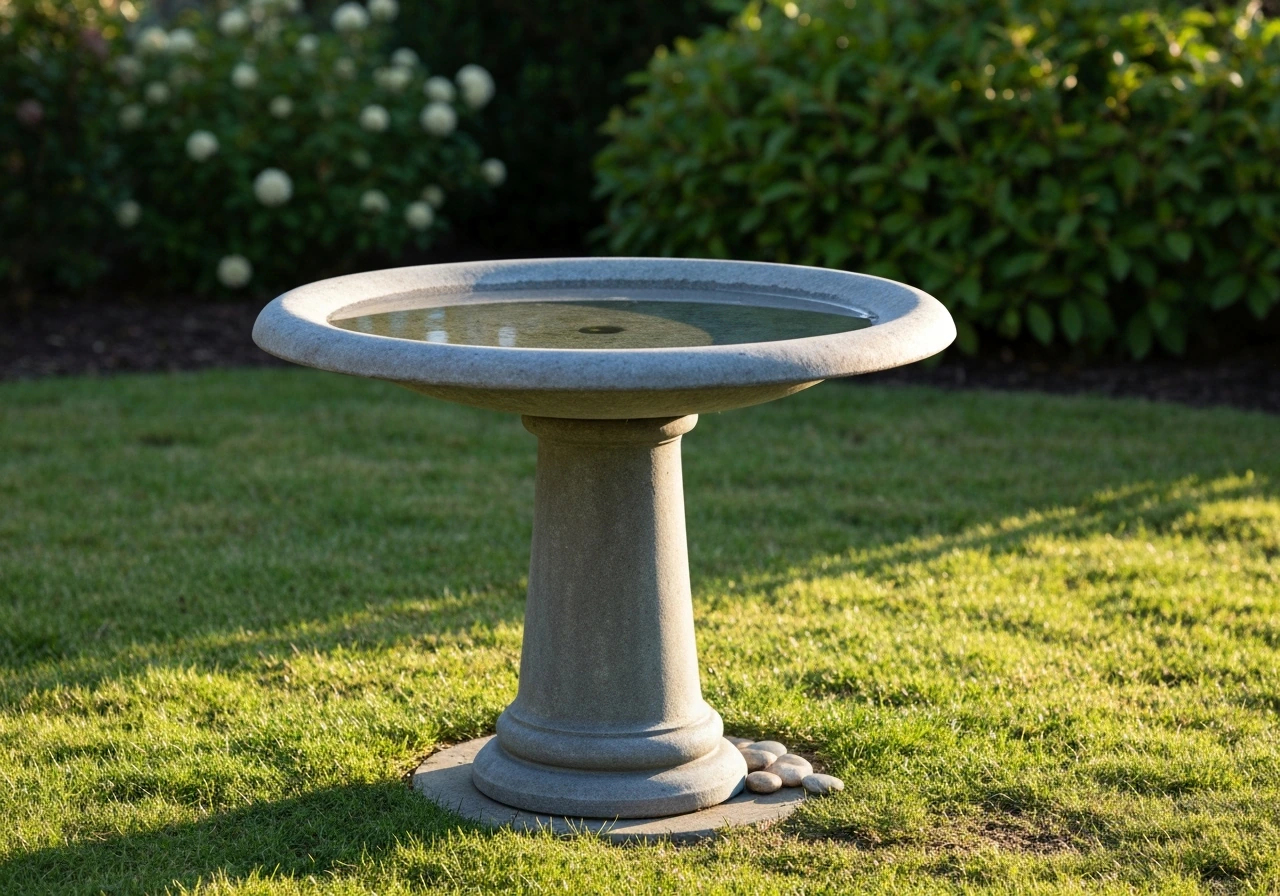
What makes bird baths cost more than you expect
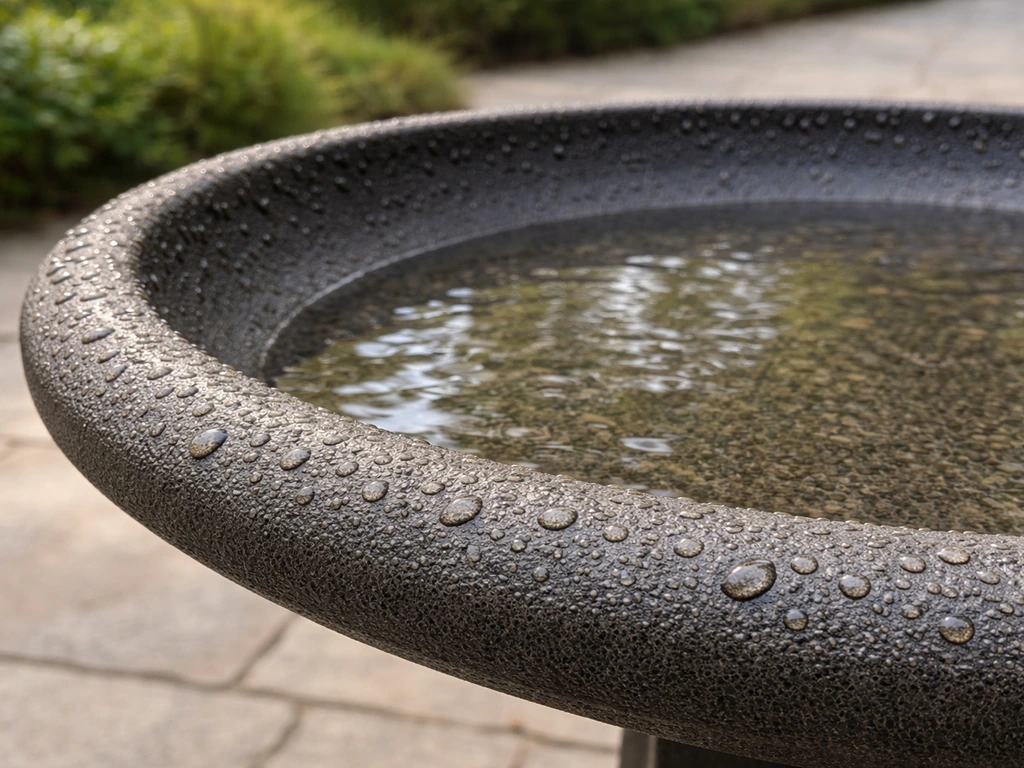
The biggest surprise for most buyers is how many engineering problems a bird bath has to solve at once. It needs to hold water without cracking through freeze-thaw cycles. It needs to stay upright in wind without tipping over onto a pet or a child. It needs a basin shape that's actually useful for birds, meaning a gradual slope from shallow edges to a middle depth of around 1–2 inches, with a textured surface birds can grip. And it needs to look decent after two years of sun, rain, and algae scrubbing.
Each of those requirements costs money. UV-resistant finishes prevent fading and surface degradation. Frost-resistant concrete mixes or glazed ceramics prevent cracking in cold climates. Pedestal design has to balance weight distribution so the whole thing doesn't topple in a strong gust. Some manufacturers include ground stakes specifically to anchor the pedestal, and installation hardware like that adds to the production cost. The more a manufacturer invests in solving these problems properly, the higher the price tag. If you want a quick sense of overall budgets, see how much are bird baths in common price ranges before you compare finish, frost-rating, and installation details.
There's also the basin design itself. A properly spec'd bath is typically 18–24 inches in diameter with a gradual interior slope. As a general rule, the “bird bath how deep” question comes down to keeping water shallow enough for safe perching, usually a few inches at the deepest point. Molding or casting that shape consistently, finishing it, and getting it through quality control all adds up. Cheap baths often cut corners here, which is why you'll find basins that are too steep, too smooth for bird footing, or too deep in the center to be safe for smaller species.
Cost differences by bird bath type
Material choice is the single biggest lever on price, and each material makes a different set of tradeoffs between cost, durability, weight, and how well it serves birds. Bird baths are made from several common materials, including concrete, metal, ceramic, resin, and glass, and each one affects price and durability differently Material choice.
| Material | Typical Price Range | Weight | Durability | Best For |
|---|---|---|---|---|
| Concrete / Cast Stone | $40–$150 | Heavy (30–80+ lbs) | Excellent if frost-rated; can crack otherwise | Permanent installs, stability, classic look |
| Ceramic / Glazed | $50–$200 | Medium | Good in mild climates; glaze can crack in hard freezes | Appearance, easy cleaning, mild-climate yards |
| Metal / Steel | $30–$120 | Light to medium | Good with powder-coat finish; can rust if finish chips | Budget buyers, portability, modern style |
| Resin / Plastic | $20–$80 | Light | Lower; UV degrades over time | Temporary setups, renters, beginners |
| Heated (any material) | $80–$250+ | Varies | High if components are quality | Cold-climate year-round use |
| Solar-powered | $60–$200+ | Light to medium | Good; panel degrades over many years | Warm sunny climates, moving-water appeal |
Concrete is expensive to ship and handle but extremely stable, which is partly why it costs more than metal. Metal baths in the $30–$120 range are the budget sweet spot for mild climates, but a bare or thin finish means rust risk over time. Ceramic sits in the middle: beautiful, easy to clean (the glaze resists algae buildup), but vulnerable in climates that dip below freezing regularly because water gets into micro-cracks and expands. If you're in a freeze-thaw zone, you're essentially paying a premium for frost-rated ceramic or accepting that a cheaper glazed bath may crack within a few seasons.
Why heated and solar bird baths are pricier
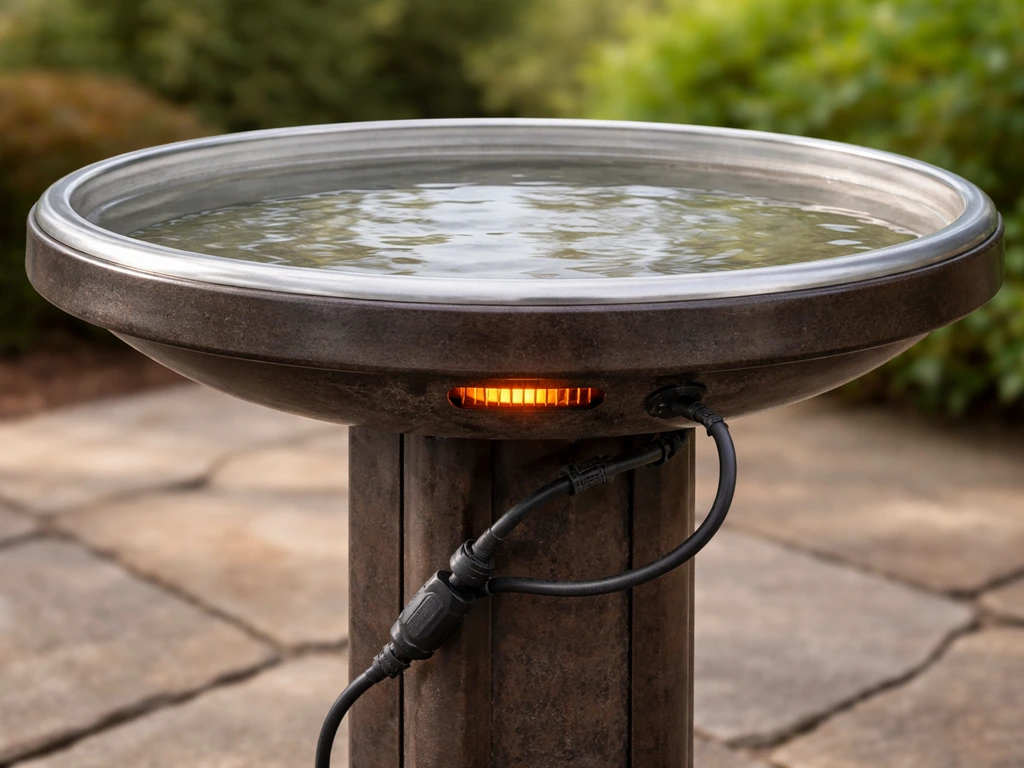
Heated bird baths cost significantly more because they contain real electrical components that have to meet safety standards. A typical heated model uses a 50–60 watt heating element (common specs from units like the API 600 and Nature House D14BH), a thermostat to regulate temperature automatically, overheat protection circuitry, and a heat-resistant power cord. Those parts have to be safety-tested, and that certification process adds cost before a single unit ships. What you're actually getting is just-above-freezing water temperature, not warm water. The thermostat keeps it from icing over, not from getting toasty. Some buyers are surprised by that, but for birds in winter, open liquid water is the goal.
Solar bird baths have a different cost driver: the photovoltaic panel, battery (on models with backup), and pump assembly. These units are priced higher because the solar hardware itself is relatively expensive at small scale. Performance varies significantly too. A solar pump runs well in full direct sun but can slow or stop on cloudy days, and most units need 2–4 hours of direct sunlight to charge before sustained operation. Some models with battery backup can run the pump for roughly 4 hours after charging stops. If your yard is heavily shaded, you may be paying a solar premium for a product that barely works in your specific conditions.
One underappreciated reason both heated and solar baths cost more: the moving water or heat feature actually does help birds. Moving water attracts more species, is easier to hear from a distance, and discourages mosquito breeding. Heated water in winter keeps birds alive in regions where other water sources freeze solid. So the higher price does buy you something real, provided your climate actually calls for it.
How installation, size, and shipping impact the total price
A heavy concrete or cast-stone bird bath that weighs 50–80 pounds is expensive to ship. Dimensional weight pricing, freight requirements, and breakage rates all get baked into the retail price or the shipping fee. This is one reason you'll sometimes find a concrete bath priced similarly online and in-store: retailers account for shipping risk in the online price, while the in-store version shifts that burden to you getting it home. If you're buying a heavy bath online, always check whether shipping is included or whether there's a freight surcharge.
Size directly affects material costs too. A basin that's 18–24 inches in diameter and properly sloped uses more material than a small decorative bowl, and the pedestal has to be engineered to support it safely at 24–36 inches above the ground. If you want the right height, aim for a pedestal that keeps the basin about 24 to 36 inches off the ground so birds can access it comfortably 24–36 inches above the ground. Some manufacturers build in ground stake holes or include anchoring hardware (three stakes is a common setup) to prevent tipping. That hardware costs money to include and is worth having, especially in windy areas or yards with dogs.
Installation itself can add cost if you're not doing it yourself. Leveling the ground properly, setting a stable base, and running a power line to a heated bath all take time. Professional installation for a large decorative concrete bird bath with electrical hookup for a heater can run $100–$200 or more depending on your area. That's worth factoring in when you're comparing a $60 metal bath you can set up in ten minutes to a $180 concrete one that needs a proper install.
Value vs price: what features actually help birds
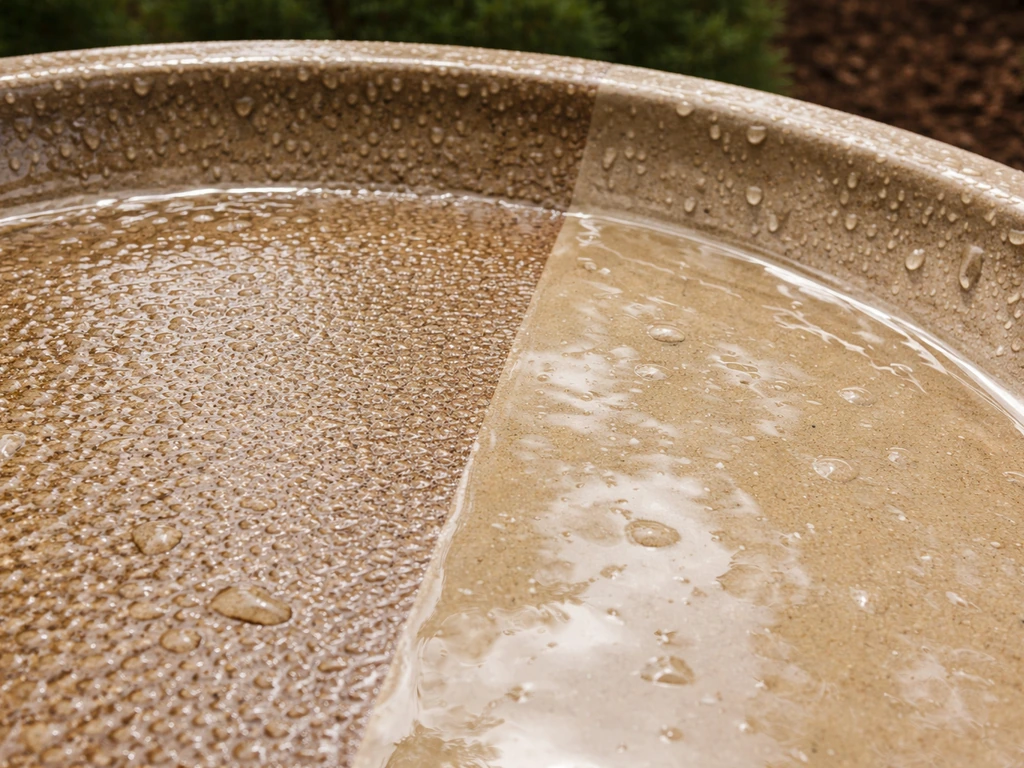
Not every premium feature is worth paying for. Here's a practical breakdown of which features genuinely improve outcomes for birds versus which are mostly aesthetic.
- Textured basin surface: worth paying for. Birds need grip, especially when wet. Smooth glazed surfaces look nice but can be slippery.
- Gradual basin slope with 1–2 inch max depth: worth paying for. Smaller birds won't use a bath that drops off steeply. Audubon recommends no deeper than 1–2 inches, with a gentler slope toward the edges.
- UV-resistant finish: worth paying for if the bath will sit in full sun year-round. Fading and surface degradation are real over 3–5 years.
- Frost-rated materials in cold climates: worth paying for. A non-frost-rated ceramic bath in a freeze-thaw climate will crack, often within one or two winters.
- Thermostatically controlled heater: worth paying for if you're in a zone where temps regularly drop below freezing. Basic plug-in heaters without thermostats run constantly and waste electricity.
- Moving water (solar or pump): worth paying for if attracting a wider range of species matters. Many birds are drawn to the sound and movement of water.
- Decorative finish or sculpted base: mostly aesthetic. Nice to look at, but it doesn't help birds and can make cleaning harder.
The water quality angle is also worth mentioning. Features that make cleaning easier, like a smooth interior floor, removable basin, or a drain plug, save you time and make it more likely you'll actually keep the water fresh. The Chicago Bird Alliance recommends changing water every 1–2 days and scrubbing every 2–4 days. If you're wondering how much water to add, plan on keeping a shallow layer that stays fresh with regular changes. If your bath is hard to clean, you'll do it less often, algae builds up faster, and you end up with a bath birds avoid. Ease of maintenance is a real functional feature, not just a convenience.
Budget-friendly buying and DIY ways to save today
The most effective way to save money is to buy off-season. Bird baths go on clearance at garden centers and big-box stores in late summer and fall, sometimes at 30–50% off. You can store a concrete or resin bath through winter and set it up in spring. If you're not in a hurry, waiting is one of the best moves you can make.
For DIY, the approach that keeps coming up in birding communities is a ceramic pot saucer or a shallow terracotta dish placed on an overturned pot or stump, sometimes with a small submersible pond pump for circulation and rocks added for perching and depth variation. The total cost can be under $30, it's easy to clean, and it can work extremely well for attracting birds. You won't have the polished look of a commercial pedestal bath, but the birds don't care about that.
- Check clearance sections at garden centers in August through October for discounts on last-season inventory.
- Look at metal or resin baths first if you're in a mild climate. They're the most affordable and still durable enough to last several years with basic care.
- Buy a basin-only replacement and pair it with a DIY stand or repurposed base to avoid paying for the full pedestal assembly.
- Consider a basic plug-in heated dish (replacement dishes are often sold separately for $20–$50) rather than buying a full heated bath system.
- For solar, choose a model with battery backup only if your yard gets reliable direct sun. Otherwise a wired pump setup is cheaper and more reliable.
- Skip the most decorative finishes. They don't help birds and often make the bath harder to clean.
- Use a liner or basin insert to extend the life of a cracked or aging bath rather than replacing the whole unit.
One thing worth knowing: an entry-level eco-friendly bath like the Audubon Going Green, which runs around $35–$55 and offers about 1.5 inches of water depth, can do the job just as well as a more expensive model if your climate is mild and you're consistent about maintenance. The price difference between a $50 bath and a $150 bath often comes down to aesthetics and weight, not bird-friendliness.
Maintenance choices that prevent costly replacements
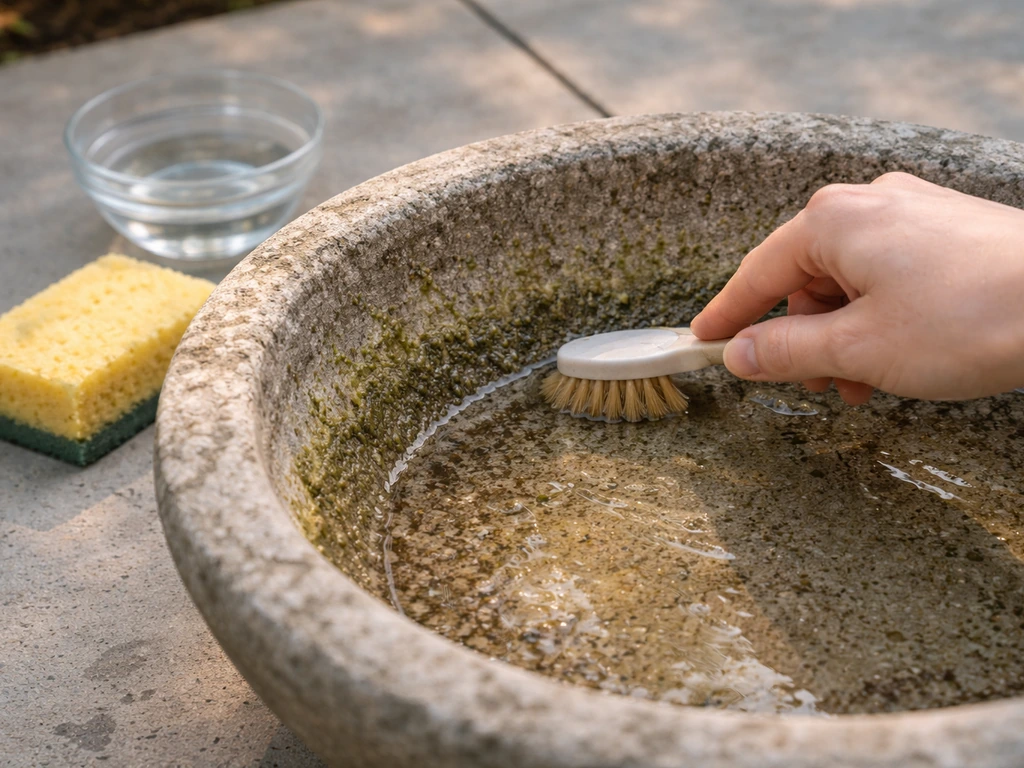
The fastest way to waste money on a bird bath is to neglect it. Algae buildup, cracked glazing from freeze-thaw, and mineral deposits from hard water all shorten a bath's usable life. A $150 concrete bath that's maintained properly can last 15–20 years. A $150 ceramic bath that's left with standing water through a hard winter might crack in year two.
In cold climates, empty and store any non-frost-rated bath before temperatures drop below freezing. Even frost-rated concrete benefits from being tipped slightly or stored if you're expecting a prolonged deep freeze. For heated baths, keep the water level topped up so the heating element doesn't run dry, which trips the overheat protection and can shorten the unit's life.
Algae is the other big one. Scrubbing with a stiff brush and a diluted white vinegar solution every few days keeps buildup manageable. If you let algae get established, you need harsher cleaning agents and more elbow grease, and over time the scrubbing itself can degrade softer finishes. Mosquitoes are a related concern: standing water that sits for more than 4 days can become a breeding site, so regular water changes aren't just about cleanliness for birds, they're genuinely important for your yard. If you are still wondering how do bird baths work, the short version is that they rely on open, shallow water for drinking and bathing while features like moving water can help attract more birds. Changing water every 1–2 days is the gold standard, and it's the single cheapest maintenance habit you can build.
Finally, placement matters more than most people realize. A bath that's poorly placed in a spot that collects debris, gets no shade during peak heat, or sits on uneven ground will be harder to maintain and more likely to tip or develop problems. Getting placement right from the start, including checking that the ground is level and stable, means the bath does its job longer without repairs or early replacement. That's not a maintenance tip exactly, but it's one of the best ways to make sure the money you spent actually holds up.
FAQ
How do I know if a bird bath is worth the price in my freeze-thaw climate?
Check the listing for frost rating and how it is tested (freeze-thaw resilience). If a ceramic bath is not explicitly frost-rated, assume it may crack sooner in areas with frequent sub-freezing temperatures, even if it looks fine during winter.
What safety and performance details should I look for in heated bird baths?
Avoid relying on a thermostat as a guarantee of safety. For heated baths, confirm there is overheat protection and use a weatherproof outlet, ideally with a ground-fault circuit interrupter (GFCI), and never let the water level drop below the heater housing.
Why does my solar bird bath seem to stop working on cloudy days?
If the product is solar-only, many models need several hours of direct sun before the pump runs consistently, and cloudy or heavily shaded yards can reduce runtime. If your yard is shaded, budget for battery-backup models or consider a non-solar option.
What actually prevents bird baths from tipping, and is weight alone enough?
To prevent tipping, look for features like an engineered pedestal weight distribution, anchoring hardware (stakes), and a wide enough base. A “heavy” bath can still tip if the base is small or the ground is uneven.
How can I avoid surprise costs when buying a heavy concrete bird bath online?
Shipping can be a hidden cost, especially for heavy concrete. Before buying, verify whether you are seeing total shipping plus any freight surcharge, and check packaging type (shock-resistant corners) since breakage claims are harder after delivery.
Why do birds ignore a bath that still has water in it?
If the interior slope is too steep or the surface is too smooth, smaller birds may avoid perching there. Look for a gradual slope into the usable 1 to 2 inch deep area and a textured surface for grip.
Is algae buildup a sign my bird bath is low quality, or is it just maintenance?
Most of the algae problem is maintenance frequency and water depth management. Stick to regular water changes (about every 1 to 2 days) and scrub on a schedule, especially before algae gets established.
Why does my bird bath get a crusty film even when I change the water?
With hard water, mineral deposits build up faster and can make cleaning more difficult. If you are in an area with hard water, choose finishes that resist staining and plan for slightly more frequent scrubbing than in softer-water regions.
Can a DIY bird bath really be as bird-friendly as a store-bought one?
The cheapest DIY setup can work, but the key is stability and safety. Use a weighted base or secure footing so it cannot slide, and avoid designs that create deep water where birds cannot safely bathe.
What is the best way to winterize a bird bath so it lasts years?
Store and cover frost-sensitive materials, and avoid leaving water inside non-frost-rated basins when temperatures drop for extended periods. For winter storage, empty and clean first so algae and mineral deposits do not harden.
Next Article
How Do Bird Baths Work? Mechanics, Placement, and Setup
Learn how bird baths work, best placement and setup, plus maintenance tips to prevent algae, freezing, and mosquitoes.