A bird bath works by offering birds a shallow, stable source of clean water they can drink from and bathe in. Birds dip into the water, splash it onto their feathers, then shake and preen to keep their plumage in top condition. That's the whole mechanism. What makes one bath succeed where another sits ignored comes down to the specifics: the right water depth, a safe location, a stable basin, and regular maintenance to keep the water clean. Get those right and you'll have birds visiting multiple times a day.
How Do Bird Baths Work? Mechanics, Placement, and Setup

Marcus Henley
14 Jun 2026
What birds actually use a bath for
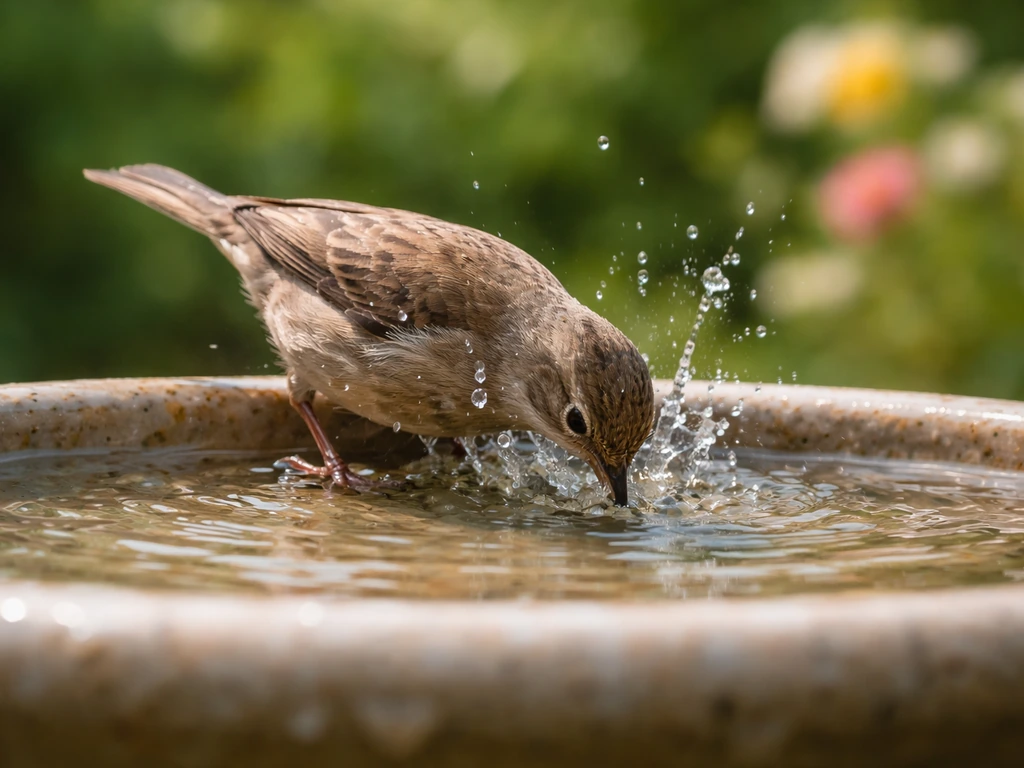
Birds come to a bath for two things: drinking and bathing. Both matter, but bathing is actually the more interesting one. When a bird bathes, it's not just cooling off. Bathing loosens dirt and parasites, and the post-bath preening session is how birds realign their feather barbs and redistribute oils from their preen gland. A well-maintained feather coat is critical for insulation and flight efficiency, so bathing is a genuine health behavior, not just a nice-to-have.
Small songbirds like sparrows and finches may visit a water source several times throughout a single day. In hot summer months, a bird bath can become one of the most active spots in your yard, easily outcompeting feeders for attention. You'll also notice that different species use the water differently. Some wade right in. Others perch on the rim and dip. A few prefer the splash zone at the edge. Watching which birds use your bath and how tells you a lot about the species you're attracting.
One thing worth knowing: most birds bathe using either water or dust. Dust bathing is common in species like sparrows and quail. A garden bird bath won't replace that behavior, but it attracts plenty of species that prefer water bathing. If you're seeing a bird rolling around in a dry patch of soil nearby, that's totally normal, and not a sign your bath is failing.
The mechanics: depth, splashing, and evaporation
The single most important mechanical detail is water depth. Most backyard birds don't submerge themselves. They stand at the edge or in the shallows, dip their wings, and splash water onto their backs. That means you only need about 1. 5 to 2 inches of water in the center of the basin how much water in a bird bath. 5 to 2 inches of water in the center of the basin. Any deeper and birds may avoid it entirely, partly because many birds have limited depth perception and a too-deep basin looks risky to them. A gently sloped basin that goes from near-zero at the rim to about 2 inches in the center is the ideal shape.
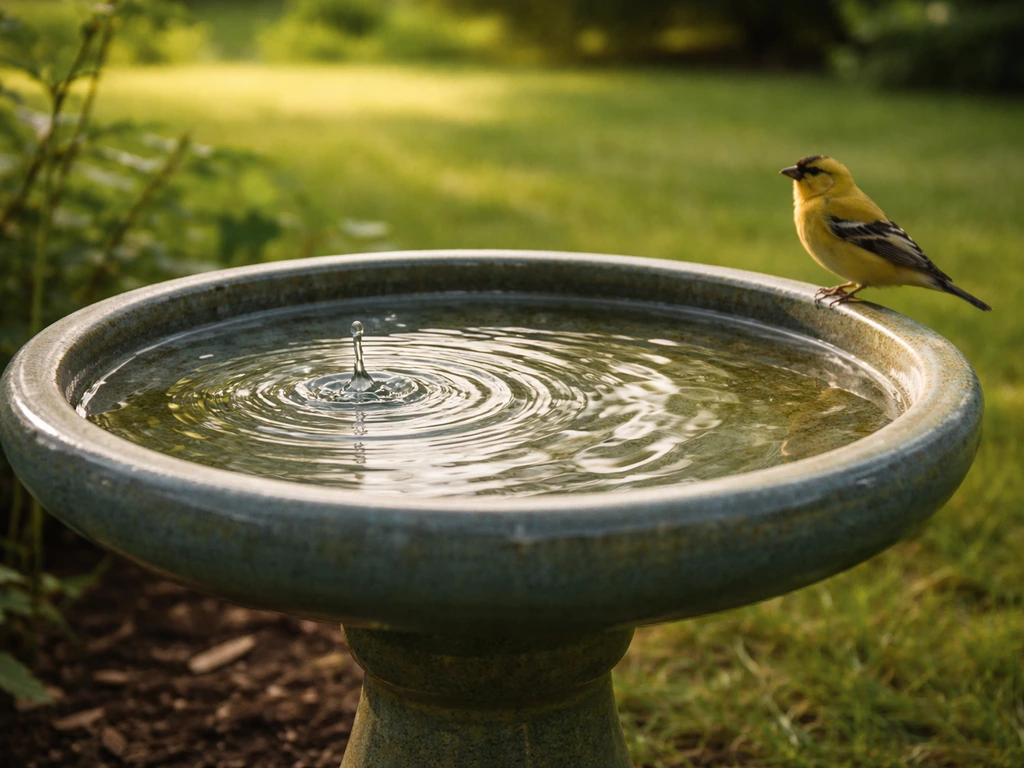
Still water works, but moving water works better. The sound and shimmer of rippling water is one of the most effective bird attractants there is. Even a small drip or a solar-powered pump bubbling at the surface draws birds in from much farther away. If you have a plain basin right now, a solar pump dropped into it can completely transform how active it is.
Evaporation is a practical reality you need to account for, especially in summer. A shallow basin in full sun can lose an inch of water in a day during a heat wave. Top off the water every one to two days to keep it at the right depth. Letting it run low doesn't just reduce activity; it can concentrate waste and speed up algae growth in the remaining water.
What makes birds actually choose your bath
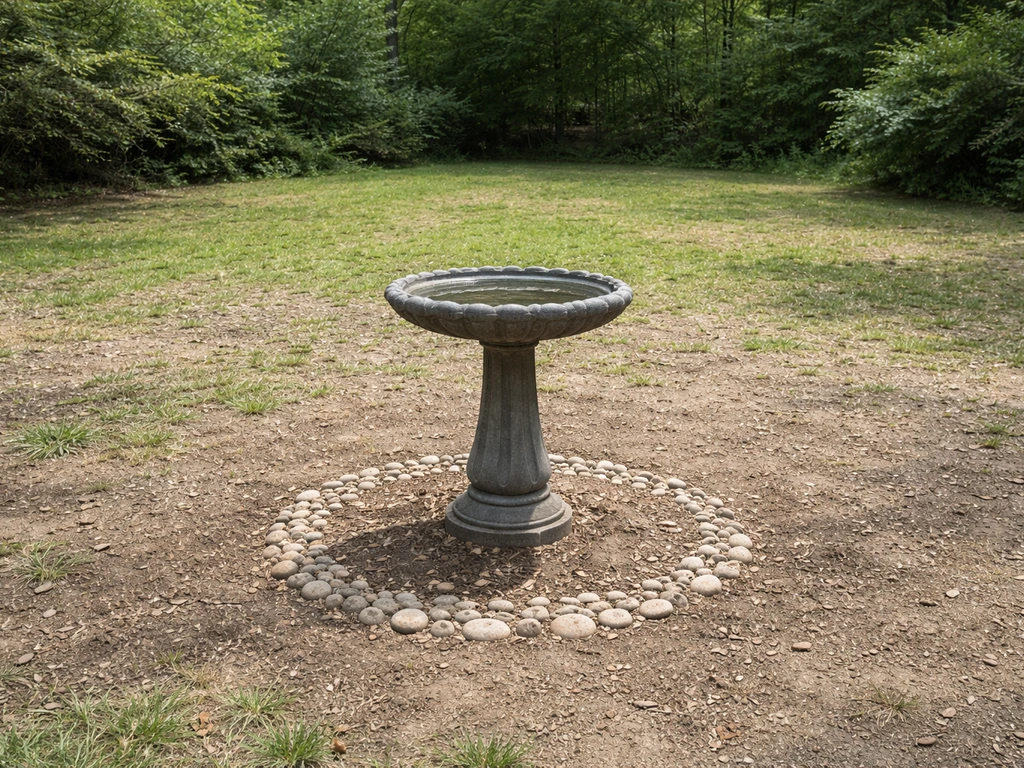
Placement is where most people go wrong. Birds are prey animals. They won't relax and bathe in a spot where they feel exposed to ambush. The sweet spot is an open area with clear sightlines, positioned roughly 10 to 15 feet from dense shrubs or ground cover where a cat or other predator could hide. Too close to cover and birds feel unsafe. Too isolated and they have nowhere to escape to or perch while drying off.
A good rule of thumb is to aim for a 6 to 10 foot safety zone around the bath in all directions, with a nearby tree branch or open shrub at a slightly greater distance where birds can land, scan for danger, and preen after bathing. That combination of open bathing area plus nearby elevated perching is exactly what birds are looking for.
Height matters too. A pedestal bath at about 24 to 36 inches off the ground puts the water in a spot most songbirds find comfortable and gives them a view of their surroundings. Ground-level baths can work and some species prefer them, but they're higher risk in areas with outdoor cats. Keep your bath at least 10 feet away from any feeders to reduce crowding and competition.
Sun and shade balance also affects usage more than you'd think. Two to four hours of morning sun helps warm the water and discourage algae slightly, while afternoon shade slows evaporation and keeps the water from getting uncomfortably warm in midsummer. If your only option is full sun, just plan to top up water more often and clean more frequently.
Finally, put the bath somewhere you can see it from inside your house. That's not just for enjoyment, it's practical. If you can see it from the kitchen window, you'll notice when it needs water, when it's getting dirty, and when an interesting visitor shows up. Out of sight really does mean out of mind with bird bath maintenance.
How to set up and install a bird bath
- Choose your location first using the placement rules above: open sightlines, 10 to 15 feet from dense cover, partial morning sun, visible from indoors.
- Prepare a stable, level base. Uneven ground causes tipping and spills, which reduces bird confidence in the bath. Use a level during installation. For a pedestal bath, compact the soil or add a flat paver underneath.
- Set the pedestal and basin. Make sure the basin sits firmly and doesn't rock. Any wobble will startle birds when they land on the rim.
- Add a textured landing surface if your basin is glazed or slippery. Smooth surfaces are hard for birds to grip. A few flat stones or a piece of rough slate set in the basin gives birds a stable footing.
- Fill to 1.5 to 2 inches of water. Use a measuring stick or mark the inside of the basin so you know the correct level at a glance.
- If adding a solar pump or dripper, position it so the movement is visible from the direction birds are most likely to approach. Moving water at the surface edge is more effective than bubbling in the center.
- Do a quick check: Can you see it from inside? Is there a nearby perch within 15 feet? Is it at least 10 feet from feeders and dense shrubs? If yes, you're set.
Choosing the right type of bird bath
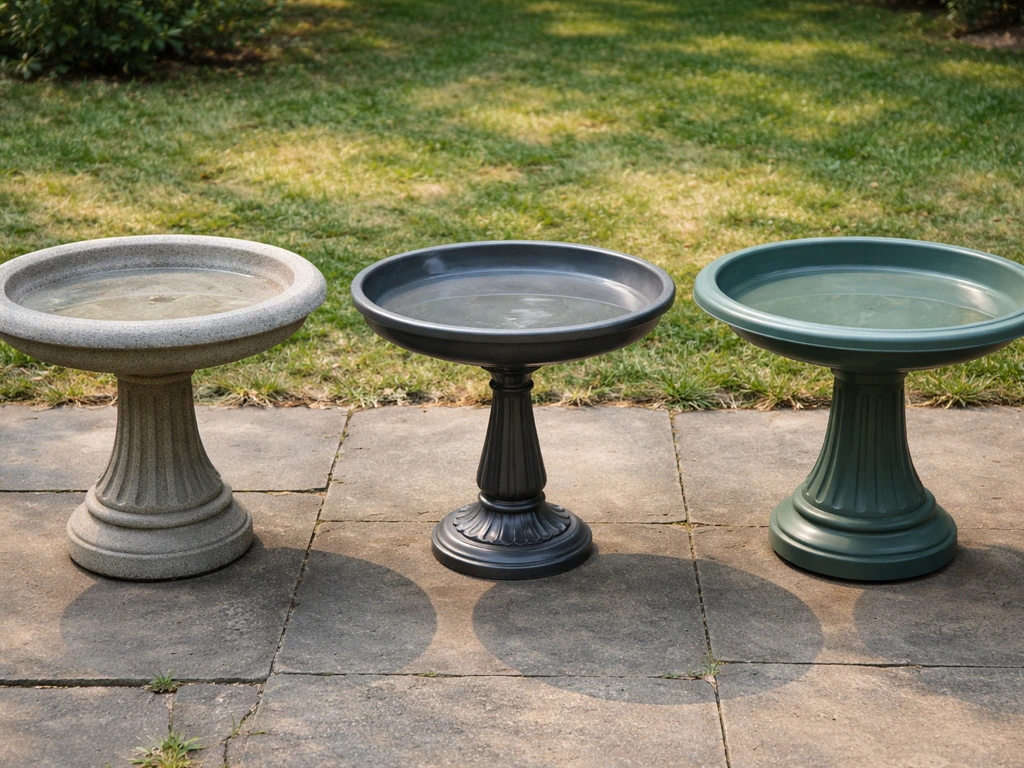
The material your bird bath is made from affects durability, maintenance, weight, and how well it performs across seasons. Here's how the main options compare:
| Material | Durability | Freeze Risk | Ease of Cleaning | Best For |
|---|---|---|---|---|
| Concrete / Cast Stone | Very high, lasts decades | Low (won't crack easily) | Moderate (porous, needs scrubbing) | Year-round use, any climate |
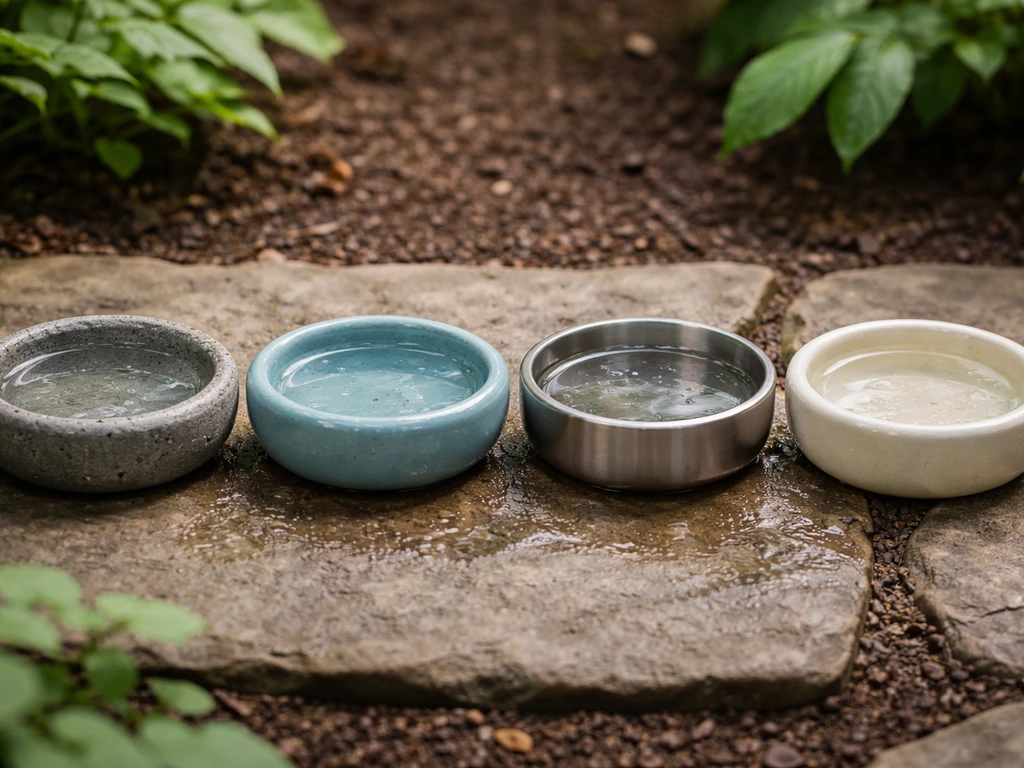
| Glazed Ceramic / Pottery | Good in mild climates | High (freeze-thaw can crack it) | Easy (non-porous surface) | Mild climates, aesthetics |
| Metal (copper, stainless) | High, resists rust if quality | Low to moderate | Easy to moderate | Modern style, moving water setups |
| Heated (electric) | High with thermostat models | None (heating prevents freezing) | Moderate | Cold climates, winter bird activity |
| Solar-powered | Varies by pump quality | Moderate (basin still freezes) | Easy | Adding water movement, warm seasons |
Concrete is the most forgiving all-around choice. It's heavy (which means stable), thermally dense so it keeps water cooler on hot days, and it handles freeze-thaw cycles better than glazed ceramics. The downside is that its porous surface needs more scrubbing than a glazed basin.
Glazed ceramic looks great and cleans up easily, but if you're in a region with hard winters, either bring it in for the season or plan to replace it. Leaving water in a ceramic basin through repeated freeze-thaw cycles will crack it.
Heated bird baths are genuinely worth it if you're in a cold climate and want to support birds through winter. Heated bird baths cost more upfront, but they can be a smart investment in colder areas. A 50-watt heating element with a thermostat keeps the water just above freezing without running constantly or overheating. They're not expensive to operate and they make a real difference for birds that overwinter in your area.
Solar-powered baths (or solar pump kits you add to any basin) are great for attracting birds through water movement. The pump runs off a small panel and creates surface ripples or a small fountain effect. They work best in summer and in sunny spots. They don't heat the water, so they won't prevent freezing in winter.
Keeping it working: cleaning and water care
A bird bath that isn't maintained stops working fast. Fouled water with bird droppings, algae, and debris doesn't just look bad. It can carry disease between birds and breed mosquito larvae. The good news is that maintenance is simple once you build a routine.
Your basic maintenance schedule
- Every 1 to 2 days: Top off water to the correct depth. In summer, check daily.
- Every 3 to 5 days: Empty, rinse, and refill. This alone prevents most algae and mosquito problems.
- Monthly: Full scrub with a 10% bleach solution (roughly 1 part bleach to 9 parts water). Scrub all surfaces, rinse thoroughly, and let it dry completely before refilling.
- After any visible contamination (droppings, dead leaves, bird molt): Empty and clean immediately.
For algae control, the most effective approach is frequent water changes combined with keeping the bath partly shaded. Copper has natural antimicrobial properties and some people add a few pre-1982 copper pennies to the basin as a supplemental deterrent, though this should not replace regular cleaning. Avoid any chemical additives that aren't specifically labeled as safe for bird baths. Bird health is the point, not just clean-looking water.
After handling a bird bath during cleaning, wash your hands with soap and water. This is standard hygiene practice when interacting with any wildlife equipment.
Troubleshooting: when things go wrong
Freezing in winter
If your bath freezes and birds stop visiting, the quickest fix is a heated bird bath or a submersible de-icer unit, which you can drop into most existing basins. If you're not ready to invest in that yet, pouring warm (not boiling) water in each morning thaws the surface and gives birds access during daylight hours. Never use antifreeze or salt. Also, if you have a ceramic or glazed bath, bring it indoors before the first hard freeze to prevent cracking.
Mosquitoes breeding in the bath
Mosquitoes need roughly 7 to 10 days of standing water to complete their breeding cycle. If you change and rinse the water at least every 5 to 7 days, you break that cycle before it completes. Adding a solar pump or dripper also helps, since mosquitoes strongly prefer still water to lay eggs in. If you're seeing larvae in the water, you've gone too long between changes. Clean it out, scrub the basin, and reset your schedule.
Birds aren't using it
Low activity is almost always a placement or water-movement issue. First, check whether the location is too close to dense cover (under 10 feet from shrubs) or too exposed with no nearby perch. Then check the water depth: if it's over 2 inches in the center, add flat stones or a shallow insert to bring it up.
If you change the water depth but activity stays low, you can also use the guidance on bird bath how deep to dial it in for the species you want. If placement and depth are fine, add movement. A simple solar dripper kit is cheap and often doubles bird activity within a few days. Also consider whether the basin surface is too slippery.
A smooth glazed surface with no grip can deter birds from wading in. Add a rough stone or two for traction.
Algae keeps coming back
Persistent algae usually means the bath is getting too much sun and not being changed frequently enough. Move it to a spot with afternoon shade if possible, increase your water change frequency to every 3 days, and do a thorough monthly bleach scrub. If the basin is porous concrete and algae is embedding into the surface, scrub with a stiff brush before rinsing. Non-porous glazed or metal basins have an advantage here since algae has less surface to grip.
A few things worth knowing as you go
Bird bath depth, water level, and height above the ground all interact with each other in ways that affect which species visit you. Shallower water and lower placement tends to attract ground-feeding species. Deeper rims and elevated pedestals draw in species that prefer more exposure. If you want to attract specific birds, those details matter, and it's worth experimenting with different setups over a season rather than assuming the first configuration is optimal.
The cost of the bird bath itself matters less than how well you maintain it and where you put it. A $20 plastic basin in the right spot, cleaned regularly and topped up with fresh water, will outperform a $200 cast-stone pedestal bath in the wrong location that only gets water changes once a month. Start simple, get the placement and maintenance right, then upgrade the hardware if you want to.
FAQ
How deep should the water be in a bird bath for different species?
Start with about 1.5 to 2 inches in the center, with a slope from near-zero at the rim. If you’re aiming for smaller perching visitors, keep the edge shallow enough that they can dip and splash without standing deep. If larger birds like doves or jays start avoiding it, you likely need to reduce depth at the center or add a flatter, shallower insert so the waterline stays consistently safe.
Can I use a bird bath to provide water for hummingbirds or butterflies?
Yes for butterflies, but hummingbirds usually prefer nectar, and for water they often favor tiny, clean sources with gentle splashing. If you want to help hummingbirds, use a very shallow basin edge (less than an inch) and add light water movement so they can drink from a surface they can access easily, then keep it extremely clean because hummingbirds are frequent visitors and any contamination shows up quickly.
What’s the best way to keep a bird bath from becoming slippery or unsafe?
Choose a basin with a textured bottom or add a few flat, clean stones that don’t shift. Avoid smooth, slick glazed surfaces without traction, because birds may hesitate to wade. If you add stones, rinse them thoroughly and remove them if waste buildup becomes hard to scrub.
How often should I clean my bird bath if birds are visiting daily?
If birds are active, plan on a quick water change more frequently (every 1 to 3 days depending on sun and debris). Do a deeper scrub on a regular schedule, especially if you see slime or persistent algae, and always rinse thoroughly before refilling so no soap or residue remains.
Is it safe to add copper or any treatment to prevent algae?
Copper-based deterrents can help slow algae, but they should never replace routine draining, scrubbing, and fresh water. Avoid any chemicals that are not specifically labeled as safe for bird baths, and remove debris first. Also note that copper effectiveness depends on water conditions, so if algae keeps returning fast, adjust shade and increase water changes rather than relying on additives.
Will a bird bath attract mosquitoes even if it’s outdoors?
It can if water sits too long. Mosquitoes typically need about 7 to 10 days to complete their breeding cycle, so changing and rinsing at least every 5 to 7 days breaks the cycle. If you ever see larvae, clean out the basin immediately, scrub it, and reset your schedule, then consider adding a dripper or pump to reduce still-water preference.
What should I do if birds stop visiting after I adjust the water level or placement?
Give it a few days to a week. Birds assess safety and water accessibility, so abrupt changes to depth or removal of nearby perches can make the bath look risky. Keep the height and slope consistent, restore any nearby landing spots (branches or open shrubs), and confirm the bath is within the safety-distance range from cover.
Is it okay to use tap water, or do I need to treat it?
In most cases, regular tap water is fine as long as you keep it clean and replace it frequently. The main risks are dirty water and stagnation, not the source itself. If your area has very hard water and you see heavy mineral buildup, scrub the basin more often so mineral films do not become algae-friendly surfaces.
How can I stop algae without constantly scrubbing?
Reduce the amount of direct sun (especially afternoon sun), and increase water change frequency when algae starts appearing. If algae embeds into porous surfaces, scrub before rinsing so you can dislodge growth. Non-porous basins tend to resist algae attachment, so upgrading the material can also reduce how often you need deep scrubs.
What’s the safest way to handle and clean the bath around wildlife?
Wear gloves if you’re scrubbing out droppings or algae, then wash your hands with soap and water afterward. Don’t use household cleaners unless they are explicitly bird-safe, and rinse extremely well. Also keep runoff away from areas where birds drink from feeders or ground water sources.
Will a heated bird bath or de-icer make birds unsafe?
A properly designed heated system with a thermostat that prevents overheating is generally safe, and it keeps water just above freezing for winter access. If using a submersible de-icer, ensure it is rated for bird bath use and secured so it doesn’t float, shift, or create deep, icy zones birds won’t approach.
How can I tell if the problem is water depth, location, or surface texture?
Use a simple sequence: first verify the depth in the center is not deeper than about 2 inches, then check whether the bath is too close to dense cover (birds may feel exposed) or too far from escape perches. If depth and placement are right but birds won’t wade, look for slipperiness on the bottom and add traction stones or switch to a textured basin surface.
Next Article
What Are Bird Baths Made Of? Materials, Pros, and Care
Concrete, ceramic, metal, plastic, plus heated or solar options. Durability, safety, and care tips by material.