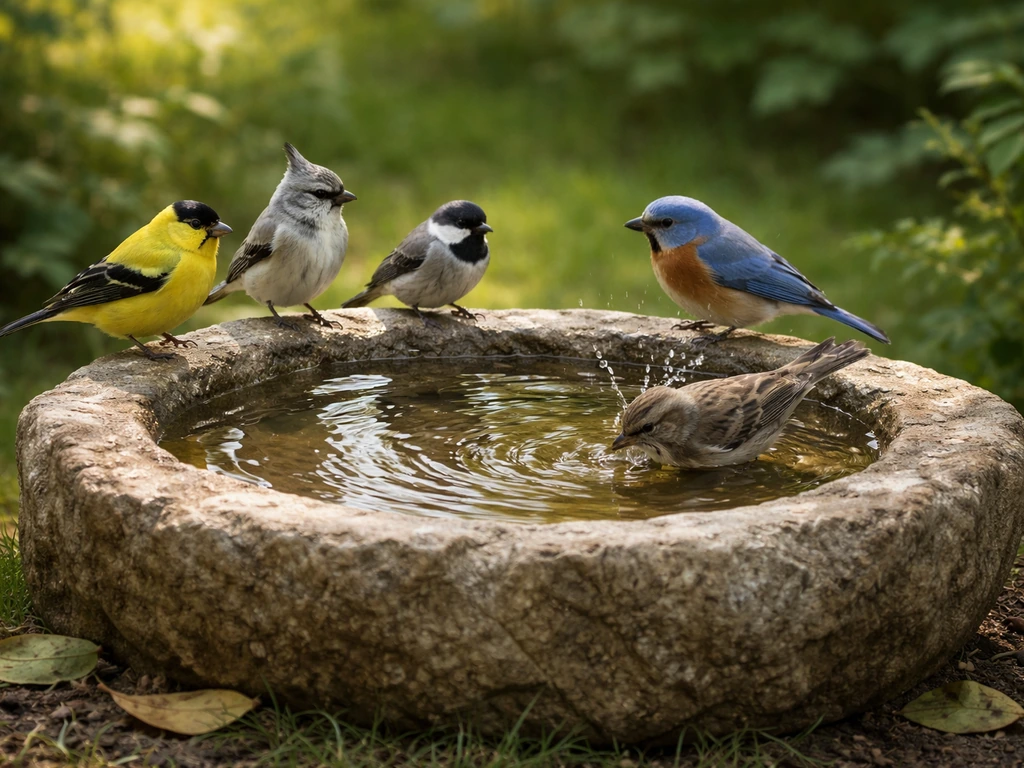
The fastest way to make water move in a bird bath is to drop in a small submersible pump or a battery-powered water wiggler. Either one breaks the still surface, creates the sight and sound that pulls birds in from a surprising distance, and costs anywhere from under $15 (wiggler) to around $40–$80 (entry-level solar or plug-in pump). Which option actually works best for your setup depends on your bath material, basin depth, available power, and which birds you most want to attract, and that is exactly what this guide walks through.
How to Make Water Move in Bird Bath: Practical, Safe Ways

Marcus Henley
4 Aug 2026
Why moving water matters for birds and your yard
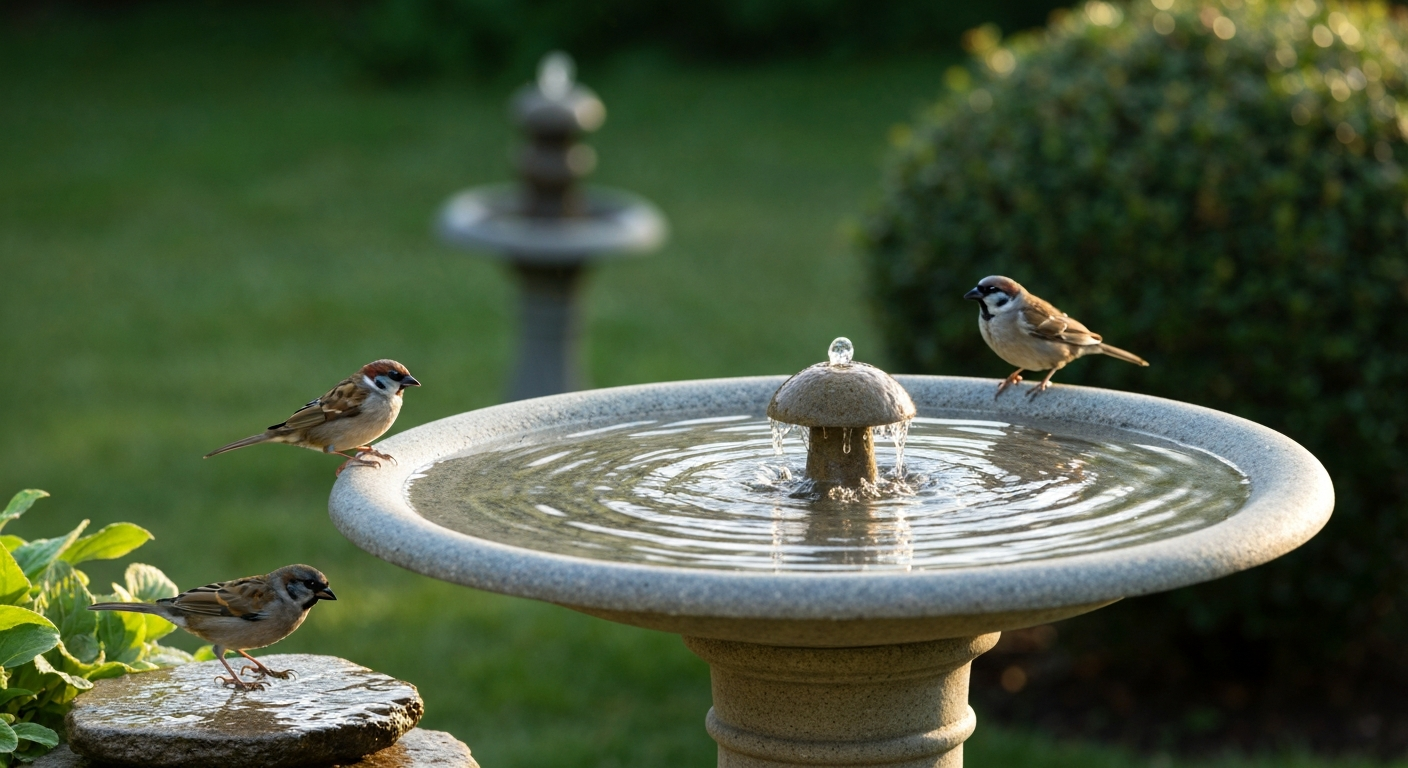
Birds locate water largely by sound and flash of light reflecting off a moving surface. Warblers, thrushes, orioles, hummingbirds, and small songbirds that might ignore a static dish will seek out the sound of dripping or bubbling water from surprisingly far away. The Audubon Society describes this as the 'splash effect,' and anyone who has installed even a cheap dripper and then watched new species show up within a day or two knows it is real. If you’re asking which bird only drink rain water, note that some species show a strong preference for rain-fed or running water over still bowls, especially mist-loving hummingbirds and secretive forest species. Moving water also solves a separate problem: still, warm water in a shallow basin can become a mosquito nursery and an algae farm within days in summer. Circulation interrupts both. Mosquitoes prefer to lay eggs on calm surfaces, and algae needs undisturbed conditions to coat the basin walls. A pump or wiggler that keeps water turning significantly reduces both problems, cutting the time you spend scrubbing.
How different species respond to moving water
Not every bird wants the same type of movement. Understanding species preferences helps you pick the right device from the start rather than buying two or three before you land on the right fit.
Hummingbirds
Hummingbirds are a special case. They rarely land and stand in a bath the way robins or sparrows do. They prefer to fly through a fine mist or to perch near a dripper and flutter through the droplets. A traditional basin pump producing a tall bubbling jet does almost nothing for them. What works is a mister head on a thin hose aimed near a perch or hanging flower basket, or a dripper line with very small holes producing a slow, steady drip. If attracting hummingbirds is your main goal, a dedicated mister kit paired with a small pump is the better investment rather than a fountain nozzle.
Songbirds (sparrows, finches, warblers, thrushes, robins)
Most small to medium songbirds respond strongly to any gentle surface movement. They want water that is 1–2 inches deep at the edges, with a gradual slope so they can wade in incrementally. A submersible pump with a low-profile fountain head, a water wiggler, or a dripper kit all work well. The key is that the movement is visible and audible but not so violent that birds are reluctant to enter. A pump throwing a 10-inch spray column into a 12-inch basin is too aggressive for a nervous warbler. Aim for a gentle ripple or a low dome of water.
Crows and larger corvids
Crows are confident, curious birds that will use deeper basins (up to 3–4 inches) and are less spooked by stronger flow. They are known to cache food in water and actively stir water with their bills, so a gentle pump or bubbler is appreciated but not strictly required to attract them. If you share a bath between smaller species and crows, place a flat stone or two in the basin to give small birds a shallow wading spot while crows use the deeper center. A pump that keeps the water circulating also reduces the contamination crows can introduce when they drop food scraps in.
Your options for making water move
There are five main categories of devices, each with clear tradeoffs in cost, complexity, and bird-attraction effectiveness. Here is an honest breakdown.
| Device type | Typical cost | Power source | Best for | Main limitation |
|---|---|---|---|---|
| Solar fountain pump (panel + pump) | $20–$80 | Sunlight (battery optional) | Sunny open locations, no outlet nearby | Stops in shade or at night without battery |
| Plug-in submersible pump (AC) | $25–$80 | Standard outlet (GFCI required) | Reliable all-day flow, any weather | Needs cord run to outlet; GFCI essential |
| Battery-powered water wiggler | $12–$25 | AA or D batteries | Portability, any bath, no outlet | Short battery life (days to weeks); less flow |
| Bubbler / dripper kit | $15–$40 | Low-pressure tap or small pump | Hummingbirds, misters, gentle drip effect | Needs water line or separate pump |
| Gravity-fed / wind-driven | $0–$30 DIY | None (gravity or wind) | Totally off-grid, decorative | Inconsistent flow; limited attraction effect |
Solar fountain pumps
Solar panel kits in the 1.5 W to 10 W range are the most popular entry point because they need no outlet and cost nothing to run on sunny days. The honest limitation is that they stop when a cloud passes over, which means birds can arrive to a still bath half the time. Kits with a small integrated rechargeable battery add $20–$40 to the price but deliver continuous flow through overcast hours and into early evening. If your bath sits in full sun for at least 5–6 hours daily, a basic panel-only kit is fine for most songbirds. For reliable all-day movement, go battery-backed or add a separate charge controller and small lithium pack.
Plug-in submersible pumps (AC-powered)
A small magnetic-drive or motor-driven submersible pump running off a standard outlet is the most reliable way to get continuous, consistent water movement. Entry-level models push 55–150 GPH at 4–10 watts. Mid-range units like Little Giant's PES-380-style pumps push around 378 GPH at roughly 36 W, far more than a typical bird bath needs, but useful for larger concrete or pedestal baths where you want a visible fountain effect. For a standard 15–24-inch bird bath basin, a pump rated 80–150 GPH with a maximum head of at least 18–24 inches is plenty. At 10 W running continuously, you spend roughly $12–$13 per year in electricity at average U.S. rates (about 13.8 cents/kWh as of 2025–2026). A 4 W pump costs under $5/year. These are not material expenses.
Water wigglers
A water wiggler is a battery-operated impeller that sits in the basin and agitates the surface without pumping water up or out. It is the simplest solution: drop it in, turn it on. No plumbing, no hose, no outlet. The tradeoff is that batteries deplete in days to a few weeks depending on the model and temperature, and the surface agitation is less dramatic than a fountain jet, meaning it attracts birds more quietly. It is ideal for balcony setups, patio tables, or any bath where running a cord is impractical. If you want deeper details on choosing a specific model, there is a dedicated guide covering the best water wigglers for bird baths worth reading alongside this one.
Bubbler and dripper kits
Drippers attach to a garden hose bib or a small recirculating pump and deliver a slow, steady drip into the basin. They produce the most natural sound, like rain hitting a leaf, and are particularly effective at attracting secretive warblers and thrushes that might not approach a more active fountain. Mister heads attached to a hose or pump produce a fine spray ideal for hummingbirds. A simple hose-bib dripper costs $15–$20, though it runs water to drain rather than recirculating, which wastes water over time. A recirculating dripper kit with a small submersible pump and tubing solves that and costs $25–$45.
Gravity-fed and wind-driven devices
A gravity dripper is simply a container (a bucket, a repurposed bird watering can, or a sealed jug) with a pinhole or small valve that lets water drip slowly into the bath below. Wind-driven spinners create surface ripple from air movement rather than a pump. Both are completely off-grid and cost almost nothing to build or buy. Their limitation is inconsistency: a calm day means no wind movement, and a gravity tank needs regular refilling. They are better than nothing and genuinely attract birds, but for serious year-round bird activity, combine them with another option.
Matching the right device to your bird bath type and size
The material and shape of your bath constrains which devices work well. Here is how I think through the match. A milk can bird bath is a popular rustic option that works well with low-flow pumps or wigglers due to its deep, narrow profile.
| Bath type | Basin depth | Recommended device | Notes |
|---|---|---|---|
| Concrete pedestal | 2–4 inches | AC submersible pump or solar pump with battery | Heavy enough to anchor pump; wide basin suits fountain jets |
| Ceramic or glazed | 1–3 inches | Low-GPH solar pump or water wiggler | Avoid suction-cup anchors on slick glaze; protect from pump vibration cracking thin ceramics |
| Metal (copper, stainless, galvanized) | 1–3 inches | Water wiggler or battery dripper | Some metals can leach at low pH — solar/wiggler avoids submerged pump contact; rinse frequently |
| Heated bath (winter) | 2–3 inches | Separate small submersible pump or wiggler | Do not replace the heater element with a pump — run both simultaneously; check wattage limits |
| Solar-integrated bath | 1–2 inches | Built-in panel often included; supplement with wiggler in shade | Panel performance drops with shallow water — keep basin topped up |
| Shallow saucer (under 2 inches) | 0.5–2 inches | Water wiggler or dripper only | Submersible pumps need minimum water depth — check pump specs (usually 3–4 inches minimum) |
One practical rule: most submersible pumps require at least 3–4 inches of water to cover the intake and prevent dry running. If your basin runs shallow, a water wiggler or dripper kit is safer because it does not rely on being submerged. Also, wide shallow concrete baths (18 inches or more across) benefit from a pump with a fountain head because the movement spreads visually. In a small 10-inch saucer, a wiggler or dripper is more than enough.
Power source tradeoffs: solar, AC, and batteries
The choice of power source affects upfront cost, ongoing cost, and how reliably water moves. I have used all three and each has a genuine use case.
- AC plug-in (GFCI outlet): most reliable option; pumps run continuously regardless of weather; a 4–10 W pump costs $3–$13/year in electricity; requires a weatherproof outdoor GFCI outlet within cord reach (most pumps come with 6–10 foot cords)
- Solar panel only (no battery): free to run in direct sun; stops in shade and at night; best for baths in open sunny spots and for owners who just want daytime movement
- Solar with battery backup: adds $20–$40 to cost; extends flow through clouds and into dusk; batteries are temperature-sensitive and may underperform in cold weather or need replacement every 2–3 years
- AA/D-cell battery wigglers: no installation, fully portable; battery life varies by model from 3 days to 3 weeks; costs $5–$15/year in batteries depending on use
- Heated bath deicers (winter): typically 50–150 W thermostatically controlled; they cycle on only below ~35°F so actual energy use is modest in mild winters; always use a GFCI outlet and look for a UL or ETL listing
If you have an outdoor outlet, a small AC pump is almost always the best value: low annual electricity cost, consistent performance, and easy to control with an inexpensive outdoor timer so it runs only during daylight hours when birds are active. If there is no outlet within reach, solar with battery backup is the next best thing. Battery wigglers are the fallback for truly cord-free situations.
What to look for when choosing a pump or movement device
The product market for bird bath pumps is crowded with vague listings. Focus on these six criteria to cut through the noise. Buyer guides recommend checking flow rate, maximum head height, and wattage/current draw before purchasing a pump (Solar Fountain Bird Bath Pump Buyer's Guide, FeedMyBirds) Solar Fountain Bird Bath Pump Buyer's Guide — FeedMyBirds.
- Flow rate (GPH or LPH): for a standard 15–24-inch bird bath, 80–150 GPH is sufficient for a gentle fountain effect; higher flow is not better for birds and creates excessive splash that empties the basin faster
- Maximum head height: this is the vertical distance the pump can push water; for a fountain nozzle sitting at basin level, you need at least 12–18 inches of head; check that the pump's rated head exceeds your nozzle height
- Wattage and power draw: lower wattage means lower running cost; for bird baths, 4–15 W is almost always enough — do not buy an oversized 36 W pump for a 12-inch dish
- Materials and corrosion resistance: submersible pump bodies should be ABS plastic or stainless-housing units; avoid bare metal parts that can leach into the water; look for pumps rated for continuous submersion
- Noise level: magnetic-drive pumps are quieter than direct-drive motor pumps; for a backyard setting where you want to hear birds, not the pump, this matters — read user reviews specifically for noise
- Safety ratings and weatherproofing: for any AC device used outdoors, look for UL, ETL, or CE listing; check that the cord and pump are rated for outdoor wet use; solar panel connectors should be IP65 or better
Splash control is worth a separate note. A pump that throws water outside the basin wastes water, accelerates the basin emptying (which can burn out the pump if it runs dry), and creates muddy spots around the bath. Adjustable nozzles that let you dial down the height are worth the extra few dollars. For very small basins, look for a pump with a flow-control knob or valve rather than relying on the nozzle alone.
Combining devices: wigglers, drippers, and toys
There is no rule that you can use only one device at a time. In practice, combining a low-flow submersible pump for continuous circulation with a dripper line aimed at the basin surface gives you both the circulation benefits (reduced algae, mosquito deterrence) and the drip sound that attracts secretive species. A water wiggler can supplement a solar pump on cloudy days when the panel output drops. The main thing to avoid is stacking too many devices in a small basin in a way that causes excessive turbulence, birds will simply not land in a churning dish.
There are also novelty products sometimes marketed as bird drinking water toys, which use a simple thermodynamic or capillary mechanism to create a visible drinking or dipping motion. These are entertaining but produce essentially no water movement in the bath itself, they are decorative displays rather than circulation devices. They will not substitute for a pump or wiggler if circulation and bird attraction are your goals. For a short explanation of the mechanisms behind these novelty items, see an article on how bird drinking water toys work.
DIY vs. commercial comes down to time and skill. A commercial solar pump kit requires almost no expertise to set up in under 10 minutes. A gravity-fed dripper built from a gallon jug and a hose barb takes 20–30 minutes but costs almost nothing and lets you tune the drip rate precisely. I cover both in the installation section below.
Step-by-step installation and placement
Placement fundamentals before you touch any device
Where you put the bath matters as much as what device you use. Place the bath where birds can see it and hear the water from a distance, an open area with sightlines in multiple directions works better than a tucked corner. Provide a perch (a nearby shrub, fence post, or installed branch) within 10–30 feet so birds have somewhere to land and assess before approaching. Keep the area within 2–3 feet of the bath clear of dense cover that could conceal a cat. Do not place the bath directly under a feeder, because seed hulls and droppings will contaminate the water quickly. Aim for a height of 24–36 inches off the ground for a pedestal bath, which gives birds a view of approaching predators. Ground-level baths do attract species like thrushes and robins but require more frequent cleaning and predator-proofing.
Installing a submersible pump
- Fill the basin to the manufacturer's minimum water depth (check the pump spec — usually 3–4 inches minimum)
- Place the pump on the basin floor, centered or slightly off-center to avoid the drain plug if present; some pumps have suction cups for attachment — press firmly to seat on smooth ceramic or concrete
- Thread the power cord over the basin edge and down the pedestal column; use a cable clip or zip tie to keep the cord from hanging loosely where birds could catch a foot
- Plug into a GFCI-protected outdoor outlet only; test the GFCI button before first use
- Attach the desired nozzle head and turn the pump on; adjust the flow control valve until the fountain height is comfortable (water should stay within the basin — not splash over the edge)
- Add flat stones or gravel around the pump intake to create shallow wading spots for small birds and to prevent the pump from kicking up sediment
- Check the basin water level after 30 minutes; if it has dropped significantly, reduce flow or add a splash guard
Installing a solar pump kit
- Choose a location that receives direct unshaded sun for at least 5–6 hours per day — a solar panel under a tree canopy will underperform
- Fill the basin to minimum depth; place the pump unit in the water (most solar kits have the panel floating on or clipped to the basin edge)
- For separate panel kits, position the panel on a stake or nearby surface at an angle facing south (in the Northern Hemisphere) for maximum capture
- Run the low-voltage cable from the panel to the pump; keep cable connections dry and away from standing water
- Test output in full sun before committing to final placement; many cheap kits disappoint because the panel is undersized — if flow is too weak even in bright sun, the kit is simply underpowered for your basin size
- If you have a battery-backed kit, fully charge the battery before first use and follow the manufacturer's instructions for the charge controller
Installing a bubbler or dripper kit
- For a hose-bib dripper: attach the dripper fitting to an outdoor spigot, run the thin supply tube to position over the basin, and adjust the valve to a slow drip (1–3 drips per second is ideal)
- For a recirculating dripper: place a small submersible pump in the basin, attach the supplied tubing, and route the tube end to hang over the bath edge or attach to a stake; water drips from the tube back into the basin
- Secure tubing with a small stake or clip so drip position is consistent — a tube that moves in the wind creates unpredictable splash
- For a mister: attach the mister head to the tube end and position it about 12–18 inches above a perch or plant where hummingbirds will pass through the mist
Installing a water wiggler
- Insert batteries per manufacturer instructions; most use two D-cell or AA batteries
- Set the wiggler in the basin so the impeller is submerged but the battery compartment remains above the waterline — most units are designed to float at the correct height
- Turn the unit on and confirm surface agitation; the water surface should show visible rippling within 1–2 inches of the unit
- Remove and dry the unit if you do not plan to use the bath for several days, to preserve battery life
DIY gravity-fed dripper
This project costs under $5 in materials and takes about 20 minutes. You need a clean 1-gallon plastic jug with a lid, a hose barb (1/8 inch or smaller), a short length of vinyl tubing, a small clamp or adjustable valve, and a zip tie or hook for hanging.
- Drill or punch a hole near the bottom of the jug lid or the bottom side of the jug — just large enough for the hose barb fitting to thread in snugly
- Insert and tighten the barb; seal the outside with waterproof silicone sealant and let cure fully (24 hours) before use
- Attach a 12–18 inch length of vinyl tubing to the barb; place a small pinch clamp or inline valve on the tube to control drip rate
- Fill the jug with clean water and hang it above the bath so the tube end drips directly into the basin center
- Adjust the clamp until you get 1–3 drips per second; refill the jug every day or two depending on flow rate
- Safety note: use food-grade vinyl tubing and rinse the jug thoroughly before first use; do not use jugs that previously held any chemical, soap, or fertilizer
Cleaning and maintenance to stop algae and mosquitoes
Moving water significantly reduces both algae growth and mosquito breeding, but it does not eliminate the need to clean. The CDC recommends emptying and scrubbing bird baths at least once a week to remove mosquito eggs laid on container walls, eggs can survive even on damp surfaces after the water is gone. Penn State Extension goes further, recommending daily water changes in summer when possible.
Weekly cleaning routine
- Unplug any AC pump or remove batteries from the wiggler before cleaning
- Dump out all water; do not just top it off without emptying
- Scrub the basin interior with a stiff brush; for light soiling use plain water and a brush; for algae buildup or droppings, apply a 1:9 bleach-to-water solution, scrub, and let sit for 2 minutes
- Rinse the basin thoroughly at least three times with clean water until there is no bleach smell remaining
- As a lower-toxicity alternative, spray the basin with undiluted white vinegar or 3% hydrogen peroxide, scrub, and rinse well — both are effective on algae and safe when fully rinsed
- Clean the pump intake and impeller at the same time: remove the pump faceplate, rinse the impeller chamber, and pick out any debris or biofilm with a small brush
- Refill with fresh water before reinstalling the pump or wiggler
Mosquito prevention
Continuous water movement from a pump or wiggler deters egg-laying mosquitoes on its own, but if you are seeing larvae despite movement (which can happen if the pump has a dead zone in a corner, for example), Bti larvicide products such as Mosquito Dunks are EPA-registered for use in bird baths and are considered safe for birds when used as directed on the label. Break off a small piece, drop it in, and it kills mosquito larvae without harming the birds. That said, consistent weekly scrubbing eliminates eggs before they hatch and is the first line of defense, a dunk should be a backup, not a substitute for cleaning.
Winterization and freeze prevention
In climates where temperatures drop below freezing, you need a strategy that protects both the bath and the birds. Frozen water is useless to birds, and a concrete or ceramic bath filled with water that freezes and expands can crack. There are two main approaches: remove water movement devices and add a deicer, or switch to a purpose-made heated bird bath.
Using a heated bath or deicer
A submersible deicer (also called a bath heater or thermostatically controlled immersion heater) is a separate device from a pump. It does not move water, it just keeps it above freezing. Most consumer deicers are rated 50–150 W and include a built-in thermostat that cycles the element on only when water temperature approaches freezing, which limits actual energy use significantly in mild winters. Look for a UL or ETL listed unit, plug it into a GFCI outlet, and do not let the cord drape through ice or puddles. Run it alongside a small submersible pump or wiggler if you want to maintain both heat and movement, birds are more likely to find and use moving open water in winter than a flat, still heated surface.
Protecting your equipment
- Remove non-cold-rated solar pumps and wigglers before the first freeze — lithium batteries in solar kits lose significant capacity below about 32°F
- Bring ceramic and glazed baths indoors for winter or empty and cover them; water expanding in hairline cracks will shatter the basin by spring
- Leave concrete baths outside only if they are rated freeze-thaw resistant; even then, tipping out pooled water in recesses helps
- Use a concrete-safe basin if you plan to run a deicer; check manufacturer guidance — not all bird bath materials tolerate a submerged electric element
- Inspect cords and connectors of deicers before each winter season; cracked insulation is a shock and fire risk
Troubleshooting common problems
Pump is noisy
A rattling or grinding pump usually has debris caught in the impeller. Unplug, disassemble the intake cover, and clear any grit, leaf fragments, or mineral scale. Magnetic-drive pumps are inherently quieter than motor pumps; if noise is persistent after cleaning, the impeller magnet may be worn and the pump needs replacing. A pump sitting directly on a rough concrete basin surface will also vibrate and buzz, place a small foam pad or rubber mat under it to dampen the noise.
Low or no flow
First check that the water level covers the pump intake, many pumps will throttle or stop if they run even partially dry. If the level is fine, remove and clean the impeller chamber. Check that the nozzle is not clogged with mineral deposits (soak in white vinegar for 20 minutes and rinse). For solar pumps, confirm the panel is in full unshaded sun; test by moving it to a brighter spot. If a battery-backed solar unit has lost capacity in cold weather, bring it indoors to warm up and retest.
Clogging and mineral scale
Hard water leaves calcium scale inside pump tubing and on nozzle openings. A monthly soak of the pump and nozzle in undiluted white vinegar (30–60 minutes) dissolves most scale without damaging plastic parts. Do not use acid-based descalers that are not explicitly rated safe for pump materials. Running a small piece of filter foam over the pump intake extends time between cleanings by catching debris before it reaches the impeller.
Pump runs but water level drops too fast
Evaporation, splash, and birds splashing account for a surprising amount of water loss on hot days. If the basin empties faster than expected, dial down the fountain height or switch to a lower-flow nozzle. A pump that runs dry burns out quickly, so either top off the bath daily in summer or set the pump on an outdoor timer to run only during peak bird activity hours (typically dawn to midday and late afternoon).
Bird safety and electrical safety
Any outdoor electrical device near water carries real risk if not set up correctly. These are non-negotiable.
- Always plug AC pumps and deicers into a GFCI-protected outdoor outlet — a standard indoor extension cord run outdoors does not qualify; use a properly rated outdoor GFCI extension cord if needed
- Route cords away from standing water and along fixed surfaces (fences, walls, posts) rather than across open ground where they can be tripped over or damaged by a lawnmower
- Do not use a pump rated for indoor use only (these have lower insulation ratings) in a bird bath
- Choose pump bodies and nozzle materials that are non-toxic and lead-free; most modern ABS plastic pumps are fine, but check listings on low-cost imported units
- Do not add soap, bleach, or any water treatment directly to a running bath — always empty, treat, rinse, and refill with clean water before restarting the pump
- For predator safety, keep the area within 2–3 feet of the bath clear of dense shrubs or ground cover at the base where cats could hide; a slightly elevated bath (24–36 inches) also improves escape time for bathing birds
- Avoid placing the bath near reflective windows that birds could collide with after flushing — a collision with glass at speed is often fatal
Maintenance checklist and seasonal schedule
Keeping a simple schedule is the difference between a bath birds use year-round and one that becomes a mosquito pond or a cracked basin by spring. Here is how I break it down.
| Frequency | Task |
|---|---|
| Daily (summer) | Top off water level; remove leaves or debris; check pump is running |
| Weekly | Drain, scrub with brush and bleach/vinegar solution, rinse thoroughly, refill; clean pump intake screen |
| Monthly | Soak pump and nozzle in vinegar to remove scale; inspect cord and connections for damage; check flow rate against baseline |
| Start of season (spring) | Deep clean basin; reinstall pump from winter storage; test GFCI outlet; add flat stones for shallow wading spots |
| Before first freeze (fall) | Remove and store solar pumps and wigglers; install deicer if needed; drain non-freeze-rated basins; inspect deicer cord |
| Winter (ongoing) | Check deicer function every few days; break surface ice manually if deicer is marginal; top off water (heated water evaporates faster) |
| End of season (late fall) | Thorough scrub and dry of basin; store ceramic/glazed baths indoors; inspect all equipment for replacement needs |
The single most impactful habit is the weekly scrub. It costs about 10 minutes, eliminates mosquito eggs before they develop, and keeps the bath visually clean so birds are comfortable landing. Everything else is a refinement on top of that foundation. Start there, add a simple pump or wiggler, and you will have noticeably more bird activity within a few days of making the water move. For more ideas and product suggestions, see Water Is Life: Bird Bath for detailed recommendations and buying links.
FAQ
Why does moving water attract more birds than still water?
The sight and sound of running, dripping or bubbling water signal a fresh water source and draw attention from many species. Moving water also breaks surface tension, creates drinkable droplets for small birds, and often looks and smells fresher than stagnant water—all factors that increase visitation by warblers, thrushes, orioles, hummingbirds and many songbirds.
What practical options are available to make water move in a bird bath?
Clear options include: small solar fountain pumps (panel-only or battery-backed), plug-in submersible fountain pumps, bubbler/dripper kits (tiny flow, droplet-focused), water wigglers (battery or solar-driven oscillating devices), gravity-fed drippers and wind-driven spinners/fountains. You can also use inline pump kits for pedestal or concrete baths and simple DIY drippers using tubing and a small valve.
How do I choose between solar and plug-in pumps?
Match goals and site conditions. Solar (panel-only) is lowest-install hassle and energy cost but stops at night/shade and has variable flow; battery-backed solar adds cost/maintenance. Plug-in pumps give steady flow regardless of light but need weatherproof outdoor power and may raise electricity use. Consider run-time needs (24/7 vs daytime), shading, safety of routing cords, and annual energy cost (e.g., a 10 W pump ≈0.24 kWh/day).
What pump specs should I match to my bird bath?
Check three specs: flow rate (GPH/LPH) for visual/audible effect, maximum head (vertical lift) to reach the outlet/nozzle, and wattage/current draw for power sizing. For small shallow baths a low-flow 50–150 GPH pump often suffices; deeper or decorative jets require higher flow and head. Ensure outlet barb and tubing sizes match your fittings.
How do bird bath type and size affect the best solution?
Shallow plastic/ceramic bowls: low-flow submersible or solar pumps, wigglers or drippers. Large concrete or stone baths: higher-capacity pumps or external inline pumps to overcome higher head. Heated baths: use pumps rated for higher temperatures and compatible with deicers. Metal baths can heat quickly in sun—use shaded placement and compatible pump materials. Always avoid strong jets in shallow baths—birds need gentle flow and shallow edges (1–2 inches for small birds).
What are placement and installation tips to attract birds?
Place the moving water where birds can both see and hear it and have nearby cover (perches, shrubs) within about 10–30 feet for escape, but not so close that predators are concealed immediately adjacent. Avoid directly under feeders to reduce contamination. Mount solar panels where they get direct sun, route cords to avoid tripping and water exposure, and position nozzles to create gentle splashes or droplets rather than high jets.
Next Article
Water Is Life Bird Bath Guide: Choose, Place, Clean, Maintain
Choose, place, and maintain a water is life bird bath with safe cleaning, algae control, pest prevention, and cold weath