No backyard bird exclusively drinks only rainwater. That said, plenty of species strongly prefer fresh, rain-fed puddles over a standing birdbath that has been sitting out for days. Robins, sparrows, finches, warblers, and thrushes are the birds you will most often catch rushing to puddles and rain splashes within minutes of a shower. The instinct behind it is simple: fresh rain means clean, uncontaminated water, and birds have learned to take advantage of it fast before it evaporates or gets fouled.
Which Bird Drinks Only Rainwater? Backyard Facts

Marcus Henley
29 Jun 2026
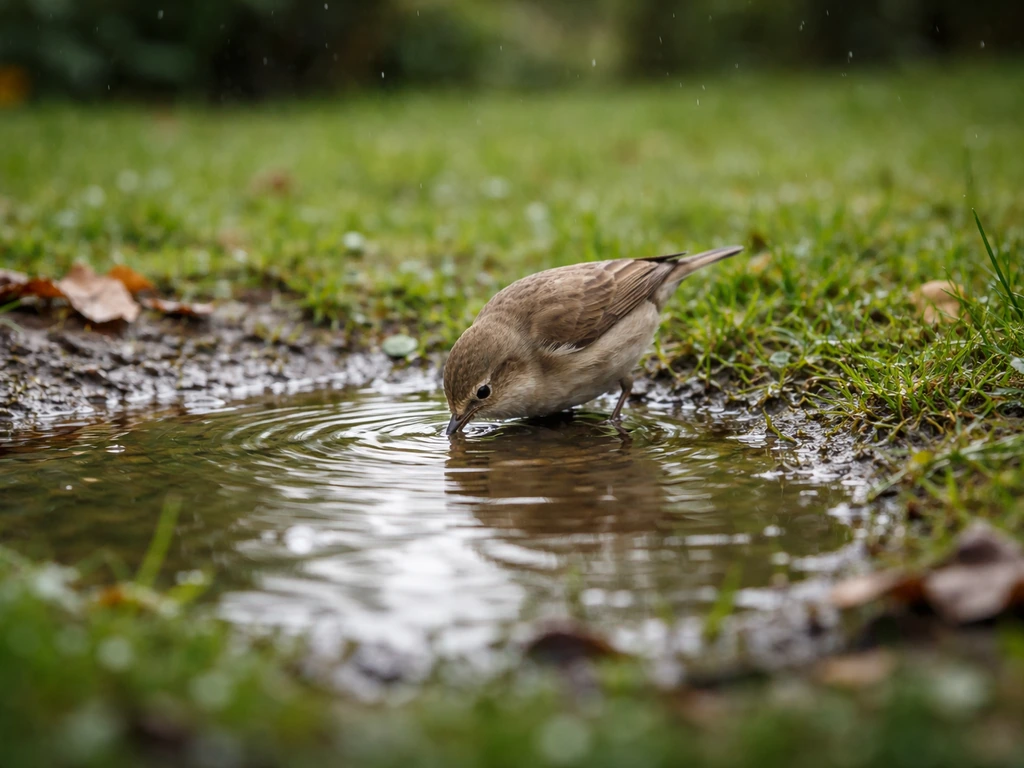
What 'rainwater birds' actually means in your backyard
When people search for which bird only drinks rainwater, they have usually watched a bird ignore a perfectly good birdbath, then sprint to a puddle the moment it rains. That behavior is real and totally predictable, but it does not mean the bird is biologically restricted to rain. It means the bird is opportunistic and smart. Rain creates short-lived, shallow, fresh water patches that closely mimic the natural drinking and bathing spots birds evolved to use. A stale, warm, algae-tinged birdbath is just not as appealing. The puddle wins every time when it is fresh.
This distinction matters because it changes how you approach your yard setup. You are not trying to satisfy a strict dietary requirement. You are trying to replicate the conditions that make rainwater so attractive: freshness, shallowness, and a surface that moves slightly with each new drop.
The species most drawn to rain-fed water
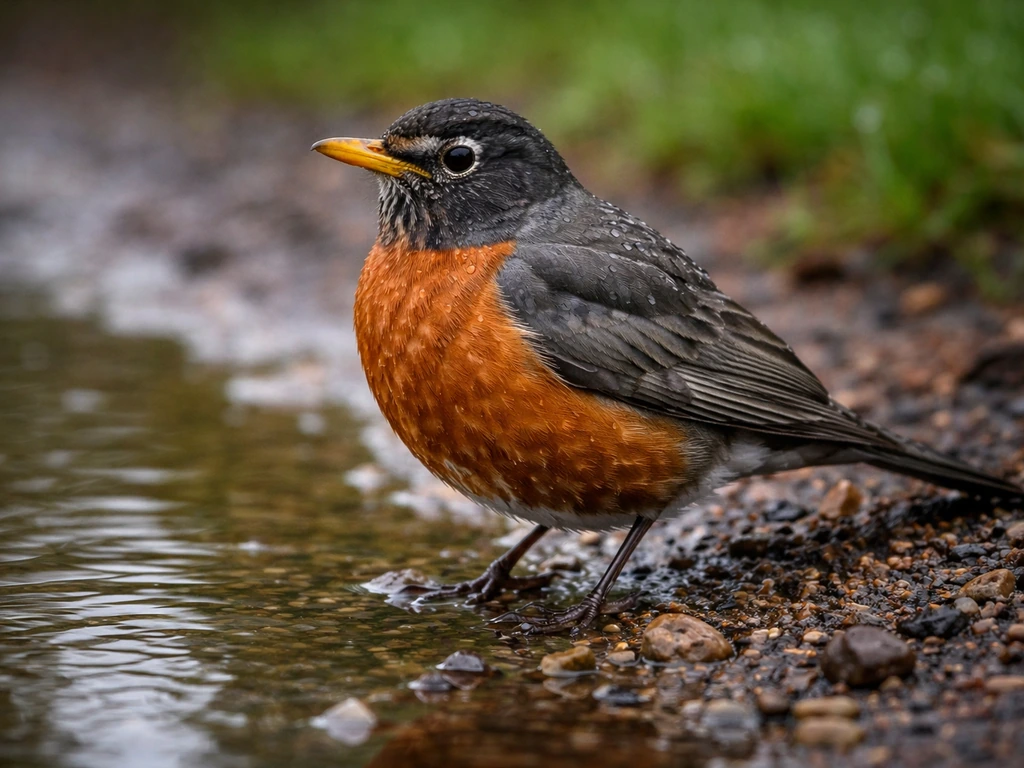
While all backyard birds will drink from rainwater given the chance, a handful of species are especially consistent about it based on their behavior and body type.
- American Robins: Ground foragers by habit, they move straight to puddles after rain and are often the first birds you will see drinking and bathing in fresh rain splashes.
- Song Sparrows and House Sparrows: Low-to-the-ground birds that naturally seek shallow water edges; they show up at rain puddles almost immediately and linger longer than most species.
- American Goldfinches and House Finches: Both species tend to visit birdbaths less regularly but appear quickly at fresh puddles and dew-covered vegetation after rain.
- Warblers and thrushes: During migration especially, these birds prioritize clean, fresh water and are much more likely to stop at a freshly rain-fed shallow dish than a standing bath.
- Mourning Doves: Reliable puddle drinkers; they tilt their heads back to swallow and prefer shallow, open surfaces like those left by rain.
- Crows: Opportunistic and smart, crows will actively seek out post-rain puddles and have even been observed dunking food in fresh water rather than stale standing water.
Dew is also worth mentioning here. Smaller birds sometimes drink droplets directly off leaves and grass blades in the early morning, which again points to freshness as the common driver, not rain specifically. The water source varies; the preference for clean, recently formed water does not.
How to confirm your birds are going for rainwater specifically
You can run a simple observation test without any special equipment. The idea is to isolate timing and compare bird behavior relative to rainfall versus your standing bath.
- Watch the clock during a rain event: Note which birds arrive at puddles or splash zones within the first 5 to 15 minutes of rain or immediately after it stops. These are your rain-preferring visitors.
- Compare with bath arrivals on dry days: If those same species rarely visit your birdbath on clear days but show up reliably at rain puddles, that preference is real.
- Run a temporary removal test: Cover or bring in your birdbath for 48 hours around a forecasted rain event. Leave only a shallow dish in a natural drainage spot. Record what uses it during and right after the rain.
- Watch the beak dip: Birds drinking from puddles do a quick beak dip followed by a head tilt to swallow. If you see this at a rain-fed spot but not your bath, that tells you something concrete about preference.
- Check what happens as puddles age: Many birds leave rain puddles once they warm up and collect debris (usually within a few hours on a hot day). If your visitors disappear from the puddle before it evaporates but reappear at your cleaned bath, they are tracking water quality, not rain itself.
Common misconceptions about birds and rainwater
The biggest one is confusing 'prefers fresh rainwater' with 'only drinks rainwater.' No commonly documented backyard bird is documented as exclusively tied to rain. Birds are opportunistic. They will drink from puddles, birdbaths, sprinkler runoff, garden ponds, gutters, and dew on leaves, depending on what is available. The idea of a rain-only bird usually comes from watching a species consistently ignore your birdbath, but there is almost always a quality or placement issue behind that, not a species-level restriction.
Another misconception is that birdbath water and rain puddle water are interchangeable. They are not, from the bird's perspective. A birdbath that has not been changed in four or five days in warm weather can carry bacteria, algae, and waste that make it genuinely less appealing than a fresh puddle. Birds are not being picky for the sake of it. They are reading real water quality cues. This is actually good news because it means you can close the gap between your birdbath and a rain puddle by keeping the water fresh and moving. A properly maintained bird bath also supports the idea that water is life for backyard birds between rain events birdbath.
Rain-bathing is also sometimes confused with rain-drinking. Many birds, especially robins and starlings, spread their wings during light rain to wet their feathers, and this is bathing behavior, not drinking. They are not necessarily avoiding your birdbath for drinking; they are just taking advantage of a natural shower while it is happening.
Setting up your yard for a rainwater-style water source
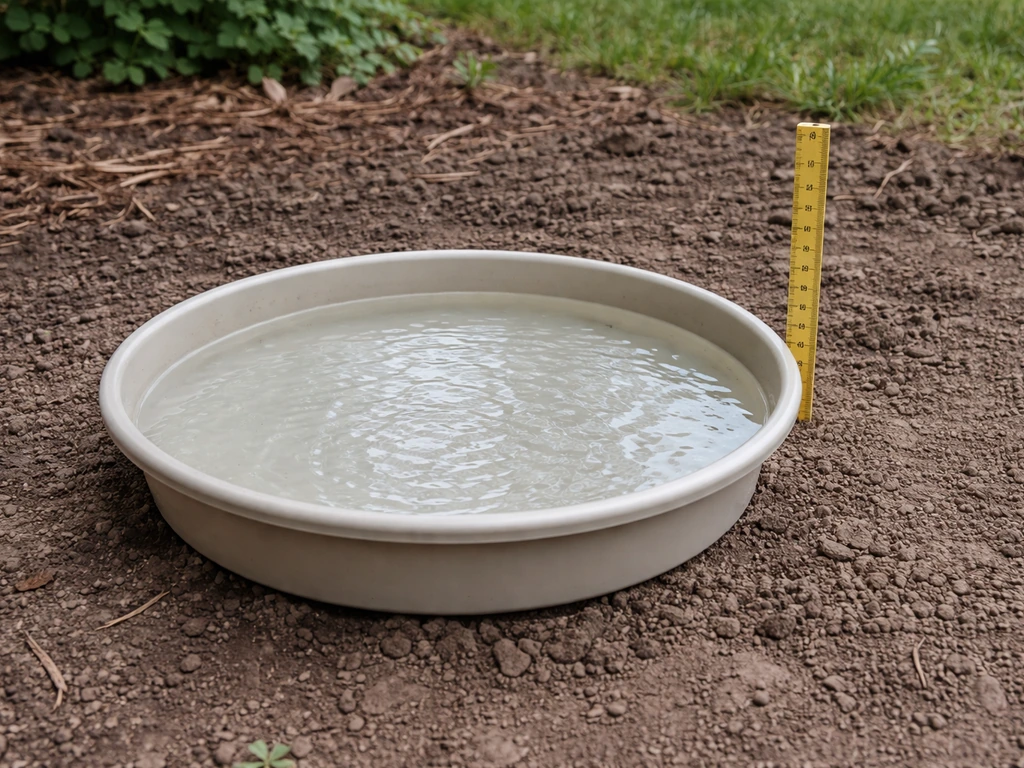
The goal here is to mimic what a natural rain puddle offers: shallow depth, fresh water, a slightly textured surface, and open visibility. You do not need to wait for rain to achieve this, but you can also design your setup to take advantage of rainfall directly.
Choose the right container
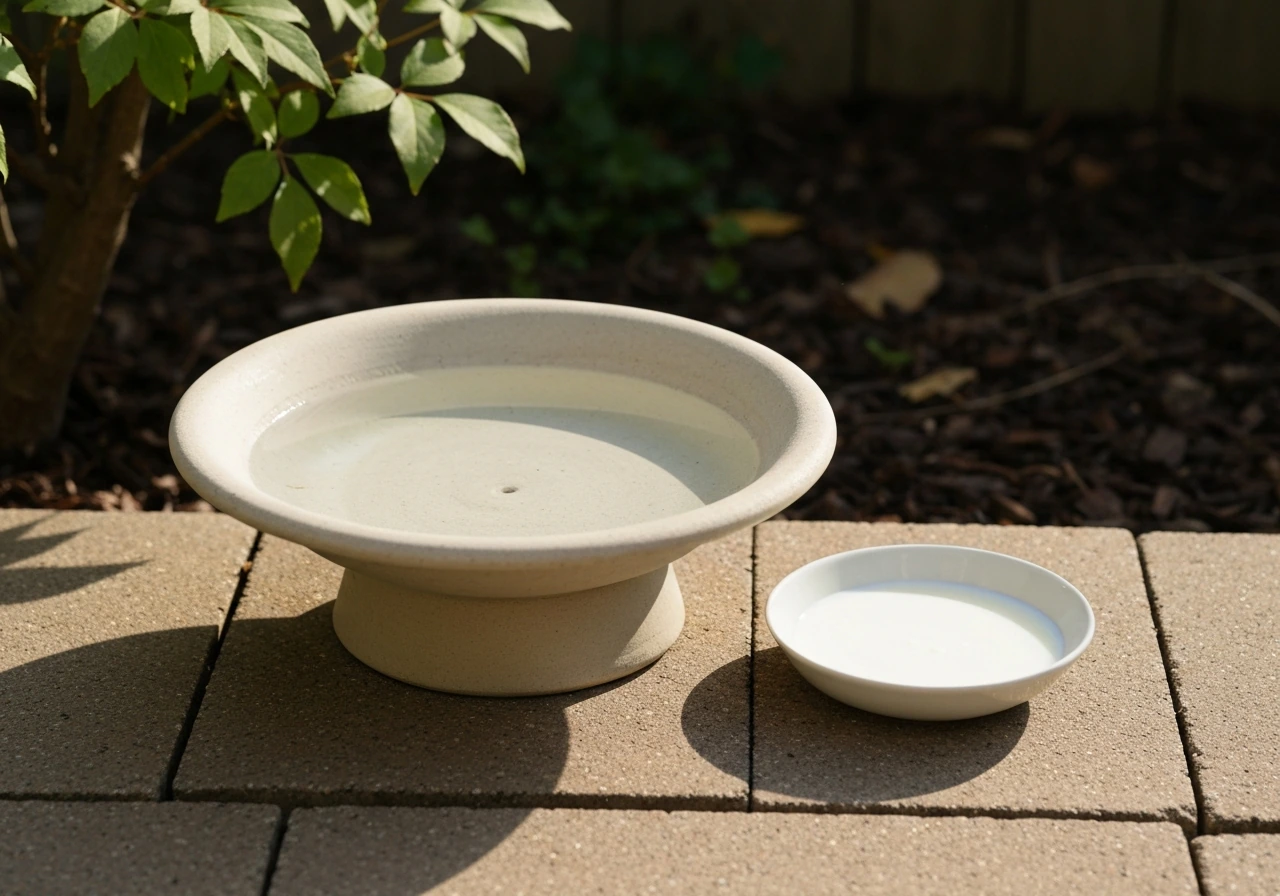
A shallow dish or tray with no more than 1.5 to 2 inches of water at the deepest point is the best starting point. Terra cotta plant saucers, low-profile concrete dishes, or wide ceramic trays all work well. A milk can bird bath is a simple DIY option that can provide the shallow, fresh water surface birds prefer after rainfall. The textured, slightly rough surface of concrete or unglazed ceramic is actually better than smooth glass or metal because birds can grip it while drinking, which is exactly what a natural puddle edge gives them. If you already have a standard pedestal birdbath, you can place a shallow tray on the ground nearby as a dedicated puddle-style option.
Placement near natural drainage and splash points
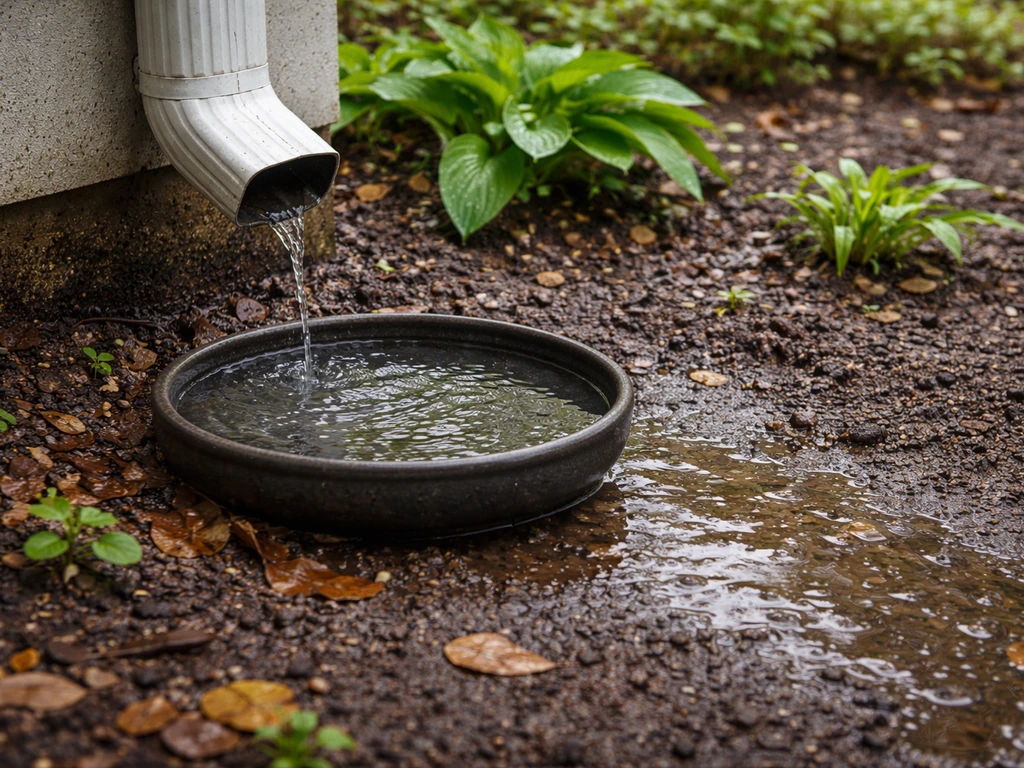
Position your shallow dish or tray where rain runoff naturally collects, such as near a downspout, under a drip edge, or at the low end of a sloped garden bed. This lets the container top itself off during rain automatically, giving you that fresh-flush effect that birds respond to.
To make the water move like a fresh rain puddle, keep a shallow dish that can refresh quickly and consider a small drip or splash rather than letting it sit stagnant. If you want to go further, a simple rain catcher or tray under a downspout diverter can channel roof runoff directly into your dish.
Just be aware that roof runoff carries the 'first flush' effect: the initial surge of rain washes roof debris, bird droppings, and residue into the first flow, so divert or discard the first few minutes of roof runoff before letting it fill your bird water dish.
For birds to feel safe drinking, the dish needs open sightlines. Aim for at least two feet of unobstructed space on all sides so birds can spot approaching predators. At the same time, a shrub or small tree within about 10 feet gives them a quick escape route and a place to perch before deciding to come down. Open but sheltered is the combination you are going for.
Add movement to compete with a puddle
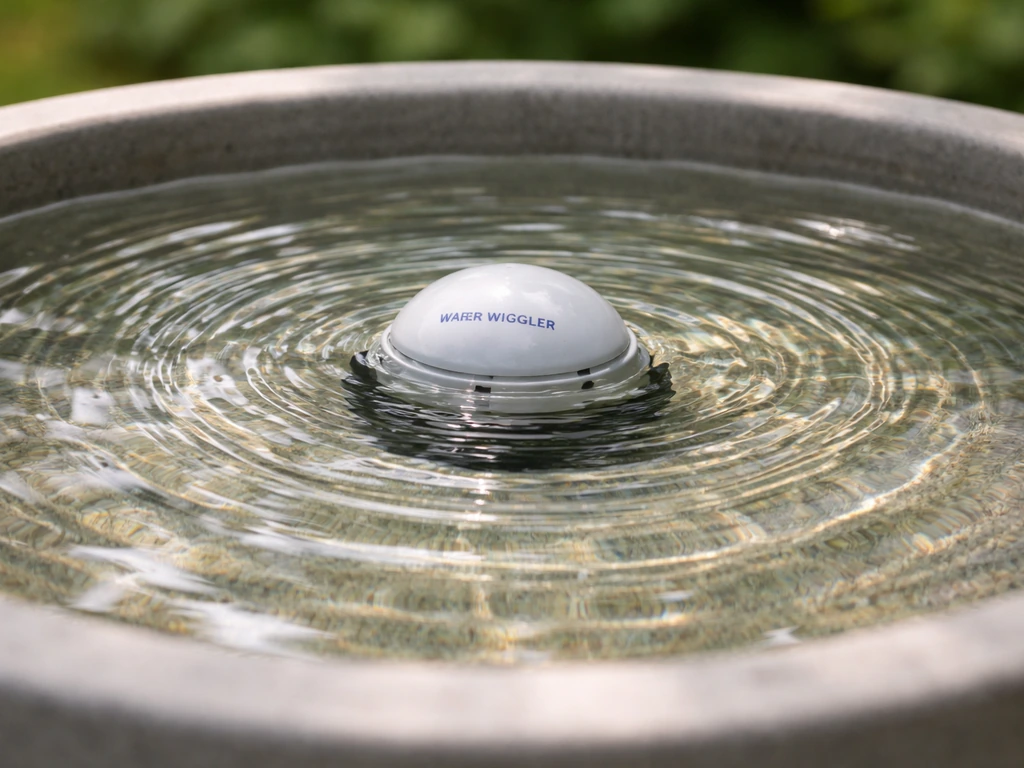
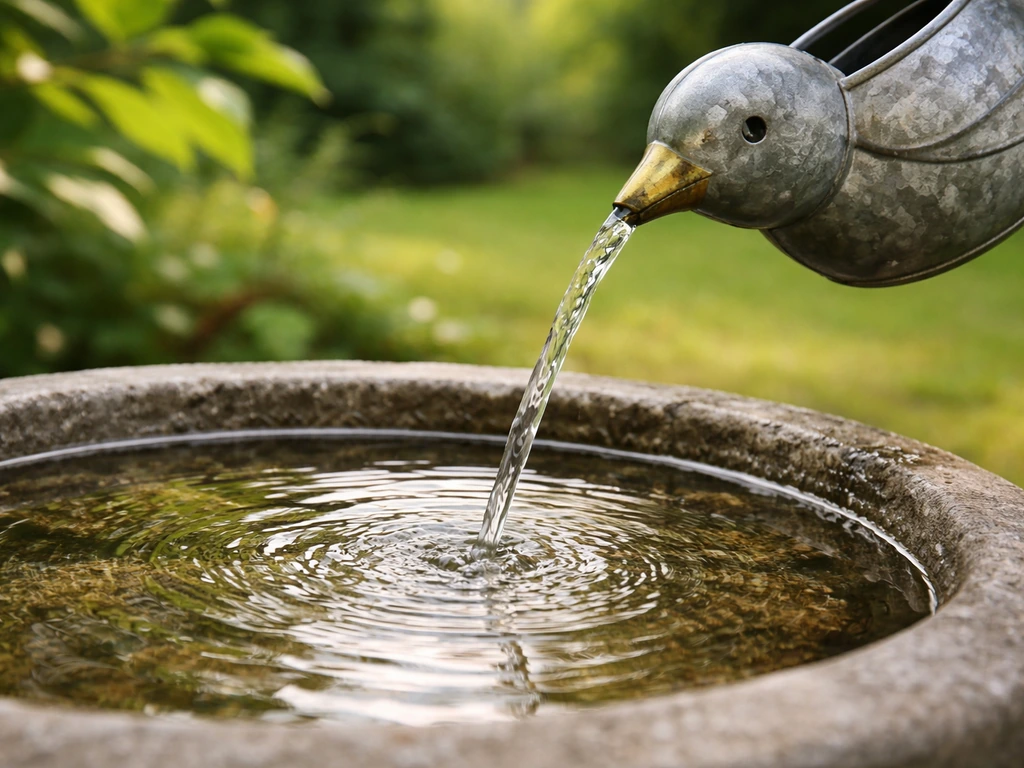
Moving water is one of the strongest signals that a water source is fresh. A dripping hose, a small solar-powered dripper, or a water wiggler placed in your dish will draw far more birds than still water, and it closely mimics the surface of a rain puddle still receiving drops. A bird watering can can also be a handy way to keep your dish supplied between rain showers dripping hose.
Birds detect the sound of dripping water from a surprising distance, so even a very slow drip makes a measurable difference in how many species find your setup. If you are already thinking about moving-water options for a birdbath, the same logic applies equally well to a ground-level rain-style dish.
Keeping your rain-style setup clean and safe
The whole appeal of rain puddles to birds is freshness, so your setup only works if you maintain that freshness artificially between rain events. Here is the practical maintenance side.
Water change schedule
Change the water in your dish every two to three days at minimum, and every day during hot summer weather. In warm conditions, standing water starts growing algae and bacteria fast, and a shallow dish with a large surface area warms up quicker than a deep pedestal bath. Rinse the dish with a brush and plain water each time you refill it. If you see a slimy green film forming, scrub it off with a stiff brush before refilling. Avoid soap residues, which can be harmful to birds.
Mosquito prevention
A shallow dish that sits undisturbed for more than a week becomes a mosquito breeding site. The CDC recommends emptying and scrubbing containers that hold water at least once a week to break the mosquito lifecycle. If you are in a high-mosquito area or want extra coverage, Bti (Bacillus thuringiensis israelensis) mosquito dunks are safe for birds and wildlife and can be used in birdbaths and water dishes.
If you are using a bird drinking water toy for the same purpose, look for designs that keep water fresh and clean, since stagnant water can quickly attract pests mosquito dunks. Break off a small piece of a dunk and drop it in; it kills mosquito larvae without harming birds, frogs, or beneficial insects. Change water at least twice a week when using Bti as part of your mosquito management.
Algae control
Algae grows faster in direct sun, so if your dish is in a sunny spot (which is otherwise good for bird visibility), you will need to scrub more often. Moving your dish to a spot with morning sun and afternoon shade is a practical compromise that slows algae without making the water too shaded or cold. Do not use bleach as a routine algae treatment; the residue is harmful to birds. Scrubbing and frequent water changes are the safe standard.
Cold weather and freezing
Ground-level shallow dishes freeze first in cold weather. In winter, birds still need liquid water, and a frozen dish is useless. A small submersible birdbath heater placed in your dish or a heated birdbath will keep it liquid on freezing nights. Do not add antifreeze or salt; the only safe solution is a purpose-built heater. In very cold climates, bringing the dish in at night and putting it back out in the morning with fresh warm water is a low-tech alternative that works fine for smaller setups.
First-flush contamination from roof runoff
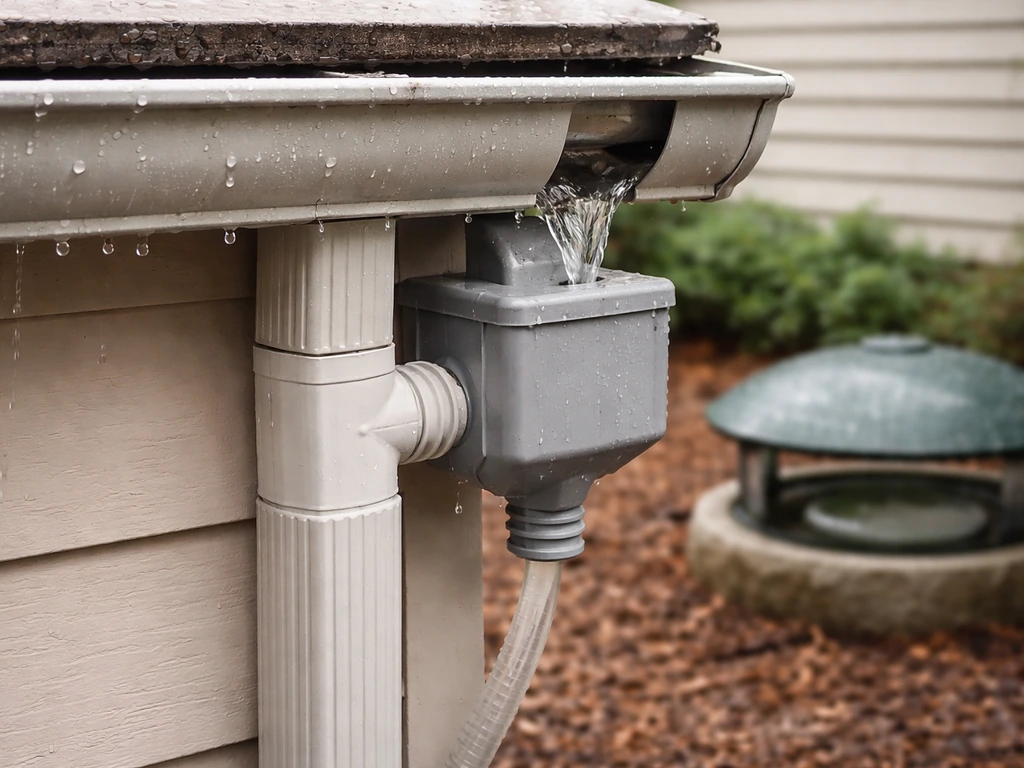
If you are routing downspout water into your bird dish, keep the first-flush concept in mind. The first few minutes of rain after a dry spell wash the most concentrated debris, bird droppings, and pollutants off your roof. A simple diverter that lets the first flush bypass your collection dish and then redirects the cleaner flow into it is the safest design. Check your dish after heavy rain for debris and top off with tap water if needed to keep the level consistent.
| Issue | Cause | Fix |
|---|---|---|
| Green algae film | Warm standing water, direct sun | Scrub and refill every 2-3 days; move to partial shade |
| Mosquito larvae | Water sitting undisturbed 7+ days | Change water weekly minimum; add Bti dunk if needed |
| Birds ignoring the dish | Water is stale, too deep, or poorly placed | Refresh daily, keep depth under 2 inches, add a dripper |
| Frozen water in winter | Cold temps, shallow dish freezes fast | Use a submersible heater or swap in warm water each morning |
| Debris after rain | First-flush roof runoff contamination | Divert first few minutes of downspout flow; check and rinse after heavy rain |
The payoff for getting this right is significant. A well-maintained shallow dish placed at ground level near a natural drainage spot, refreshed regularly and fitted with a small dripper, will reliably attract more species than a standard pedestal bath, and it will do it faster after a rain event. You are essentially handing birds the best parts of a puddle without making them wait for weather. If you want the closest match to that effect, choose the best water wiggler for bird bath setups best parts of a puddle. That is the practical version of a rain-only bird water setup, and it works year-round with a little seasonal adjustment.
FAQ
If no bird drinks only rainwater, how do I tell whether the birdbath issue is water quality or placement?
Do a two-day comparison: on day one, keep the birdbath clean and move a shallow tray (puddle-style) to the exact spot where birds are choosing puddles. On day two, keep the tray but return the birdbath to its original location. If birds switch mainly based on where the water sits, placement and sightlines are the limiting factors; if they keep ignoring both until the water is fresh, water quality timing (how long it sits) is likely the main issue.
Can I use gutter or downspout water in a bird dish safely?
Yes, but bypass the first flush. Roof runoff can be loaded with debris right at the start of rain, so use a diverter that discards or reroutes the first few minutes until the flow clears. After heavy rain, inspect the dish for grit and top up with clean water if it looks dirty.
What water depth is best for rain-style drinking, and does it change by bird size?
Aim for 1.5 to 2 inches at the deepest point so birds can drink comfortably and still feel stable. Very small birds can struggle with deeper or slippery smooth surfaces, so shallow and textured (unsealed ceramic or concrete) is generally easier for them to grip and drink.
Do birds really prefer moving water, or is that just a noise effect?
Both can matter. Movement signals freshness, and even a slow drip creates surface disruption similar to raindrop impact. If you cannot add a dripper, you can improve a still dish by refreshing it more often, but expect fewer visits than with a gentle, continuous motion.
How often should I change the water if it is cloudy, cool, or raining most days?
Still plan on a regular change cycle, but you can extend it slightly when temperatures stay cool and the dish does not sit long. Use a quick visual and smell check: if you see film, cloudiness, or a slippery algae layer, scrub and refill immediately rather than waiting for the schedule.
Is it better to offer one shallow dish or multiple smaller ones?
Often multiple small puddle-style dishes work better because birds pick the nearest safe option and it reduces crowding. Place them within the same general area (close to runoff collection spots) but ensure each has open sightlines and easy escape perches nearby.
Will a bird use a water dish if there are predators or pets nearby?
They may, but only if the dish is both visible and reachable. Provide at least two feet of open space around the dish for approach and spotting, and offer a perch within about 10 feet so birds can quickly decide to land or retreat. If you have cats, consider placement behind a barrier or within a covered escape route that limits open exposure.
What mosquito control method is safest for birds, and how do I use it correctly?
Use Bti mosquito dunks or a similar Bti product designed for wildlife water. Break off only enough for your dish size, drop it in, and still change water on schedule, because Bti does not replace good hygiene. Do not use bleach or household chemicals as algae or pest treatments.
How do I handle winter if the dish freezes immediately?
Use a purpose-built submersible birdbath heater designed for animal drinking water, which keeps the surface liquid on freezing nights. Avoid salt or antifreeze. As a low-tech alternative for small dishes, bring it in at night and refill with fresh liquid water in the morning.
If birds ignore my birdbath but use the puddle after rain, what should I fix first?
Start with freshness and temperature. Empty and scrub the birdbath more frequently (especially in warm weather), and rinse thoroughly to remove residue. Then address surface cues: a shallow ground-level tray tends to mimic puddles better than a deep pedestal, and textured surfaces usually help birds grip and drink.