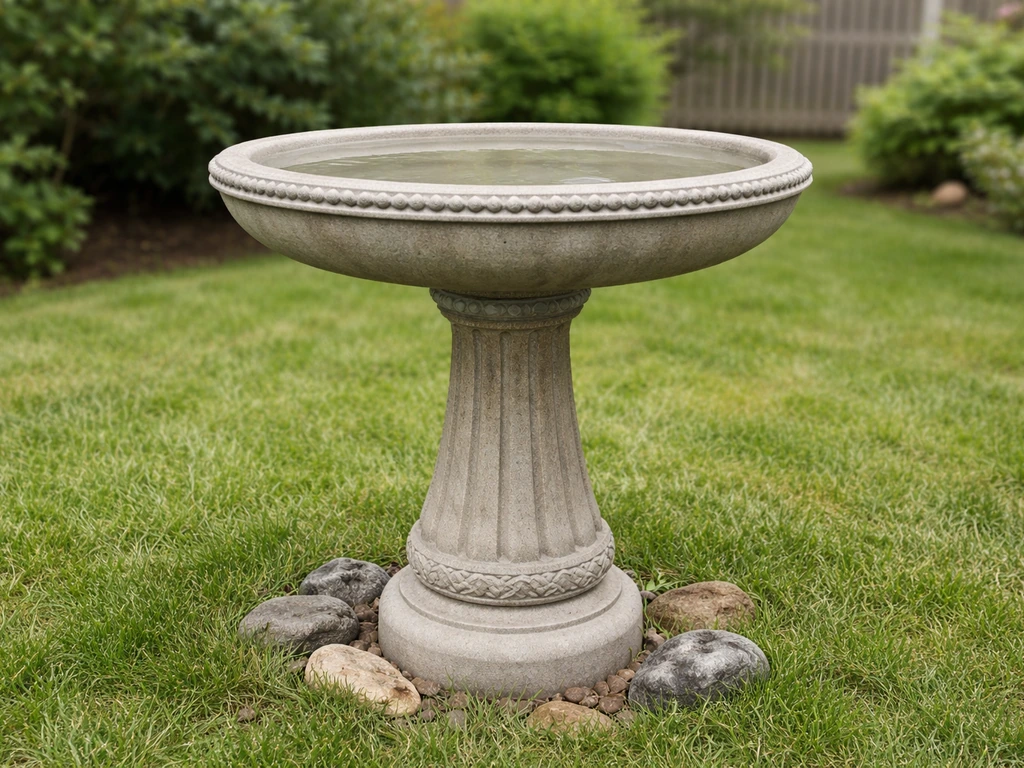
A glass top bird bath is a water feature where the basin itself is made from glass, usually tempered or fused art glass, set on a decorative pedestal, metal stand, or hanging frame. They look stunning in a garden, and birds genuinely use them well because glass is smooth, easy to clean, and doesn't harbor algae the way porous concrete does. If you want something that doubles as a garden focal point without sacrificing function, a glass top is worth serious consideration. That said, they come with real tradeoffs around stability, cold-weather cracking, and cost that you need to plan for upfront. A large bird bath top only can work well if your pedestal is stable and wide enough to support the glass basin evenly.
Glass Top Bird Bath Guide: Choose, Install, and Care

Marcus Henley
14 May 2026
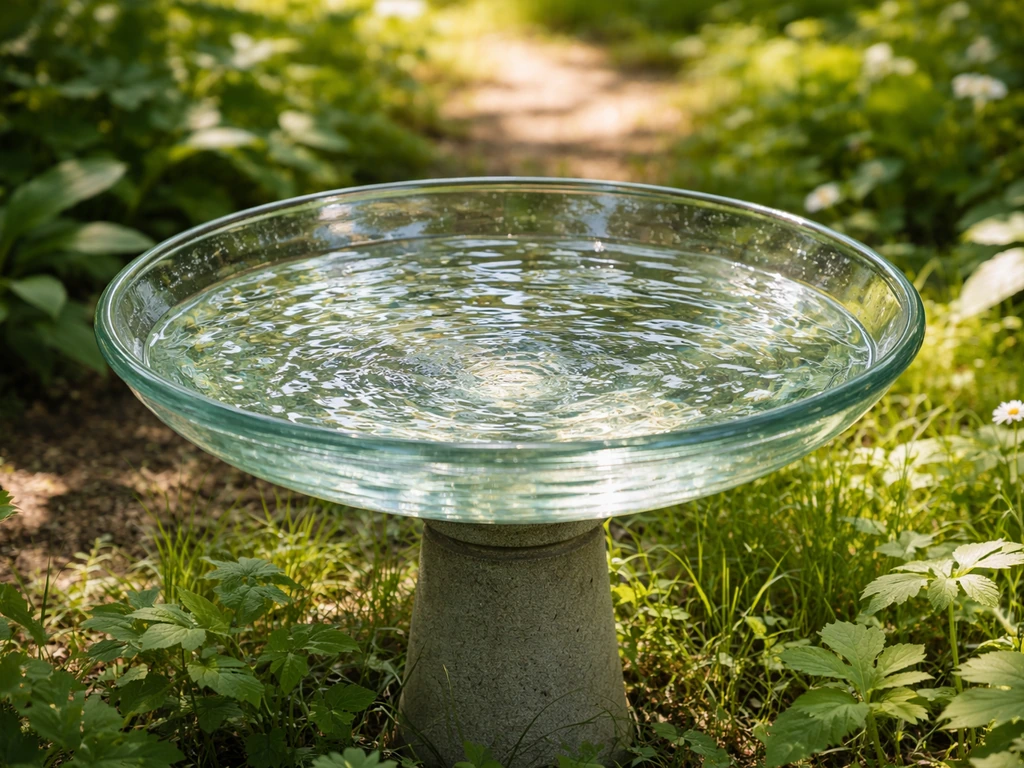
What a glass top bird bath actually is and who it's for
The "top" is the basin, the bowl-shaped part that holds water. In a glass top bird bath, that basin is cast, fused, or blown glass rather than concrete, ceramic, resin, or metal. The base or stand is almost always a separate material: wrought iron, steel, stone, resin, or wood. You're buying the glass basin either as a complete bath unit or sometimes as a replacement top for an existing stand. If your current bird bath stand is solid but the top is damaged or outdated, a replacement top can be a quick upgrade. This matters because glass tops are one of the more popular replacement upgrades, and many people search for a glass bird bath top specifically to refresh an old pedestal they already own.
Glass top bird baths are best for gardeners who prioritize aesthetics, want a low-algae surface that's quick to wipe clean, and are in a climate that doesn't regularly dip below freezing. They're also great for people who already have a stable pedestal base and just want to swap in a more attractive basin. They're not the ideal first choice if you're in a region with hard winters, if you have young kids or dogs running through the yard, or if you need maximum durability on a tight budget. For heavy-duty, frost-proof options, a concrete bird bath top or a solid ceramic replacement might be a better long-term fit.
Choosing the right glass top bird bath
Size and depth
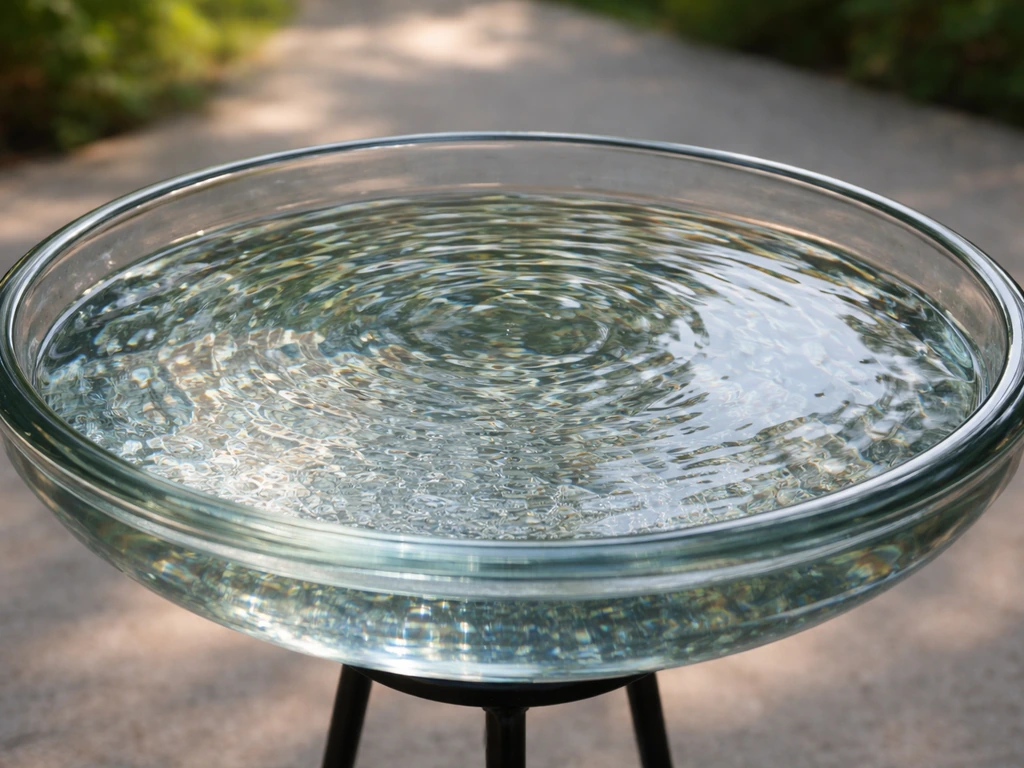
The Cornell Lab of Ornithology is clear on this: blank" rel="noopener noreferrer">keep water no deeper than 1 inch at the edges, sloping gradually to a maximum of 2 inches in the center. blank" rel="noopener noreferrer">Birds can and do drown in water that's too deep, and they'll skip a bath entirely if they can't see a safe, gradual entry point. Most glass bird bath tops sold commercially land between 14 and 20 inches in diameter, which is a good range for attracting a variety of species. Anything smaller than 12 inches will feel cramped and birds will avoid it when multiple birds want to bathe at once. I'd aim for at least 16 inches if your budget allows.
Check the depth spec before buying. Some decorative glass bowls are marketed as bird baths but are actually too deep, closer to 3 or 4 inches in the center. You can compensate by adding a flat stone or gravel to the center to reduce depth, but it's easier to just buy a basin designed with birds in mind from the start.
Glass type and edge safety
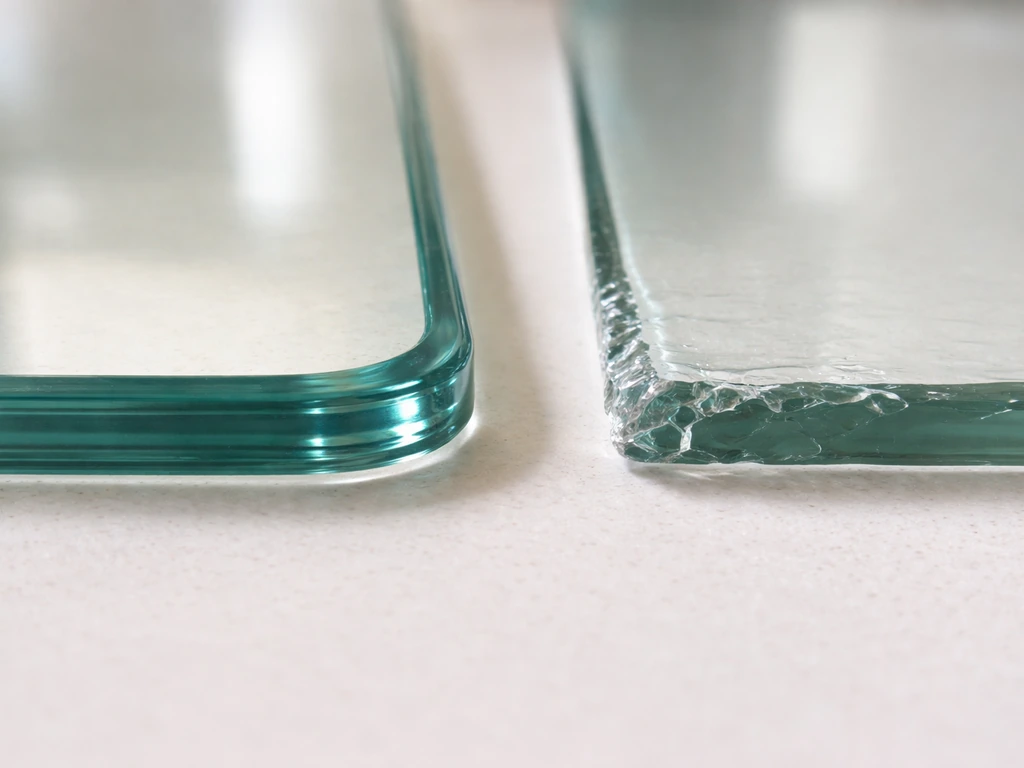
Look for tempered glass or kiln-fired fused glass. Tempered glass is significantly stronger than regular annealed glass and, critically, it breaks into small rounded chunks rather than sharp shards if it does crack. Fused art glass is thick and usually well-annealed, making it durable for outdoor use. Avoid thin decorative glass bowls that were never intended for outdoor placement. Check that the rim is smooth and rounded, not sharp or chipped, and inspect it before installing. Birds land directly on the rim and push off from it, so any rough edge is a real hazard.
Base compatibility and stability
This is where most problems start. The glass basin needs full, even support across its entire underside, not just at the edges. A pedestal with a narrow lip or a ring-style mount that only contacts the rim puts stress on the glass and invites cracking. Look for a base with a flat, wide contact surface, ideally with a rubber or silicone gasket between the glass and the mount. If you're buying a standalone unit, check that the pedestal is wide and heavy enough to resist tipping in wind. Cast iron and thick stone bases are excellent. Thin metal stakes in soft soil are risky, especially with the added weight of water.
| Feature | What to look for | What to avoid |
|---|---|---|
| Glass type | Tempered or kiln-fused glass, 1/4 inch or thicker | Thin decorative bowls, annealed glass |
| Basin diameter | 16 to 20 inches | Under 12 inches |
| Water depth | 1 inch at edge, max 2 inches center | Over 2.5 inches at center |
| Rim finish | Smooth, rounded, chip-free | Sharp edges, exposed cut glass |
| Base support | Full-surface contact with rubber gasket | Narrow ring mount, spike-only stake |
| Base material | Cast iron, stone, heavy resin | Thin metal stakes in soft soil |
Placement and setup for maximum bird use
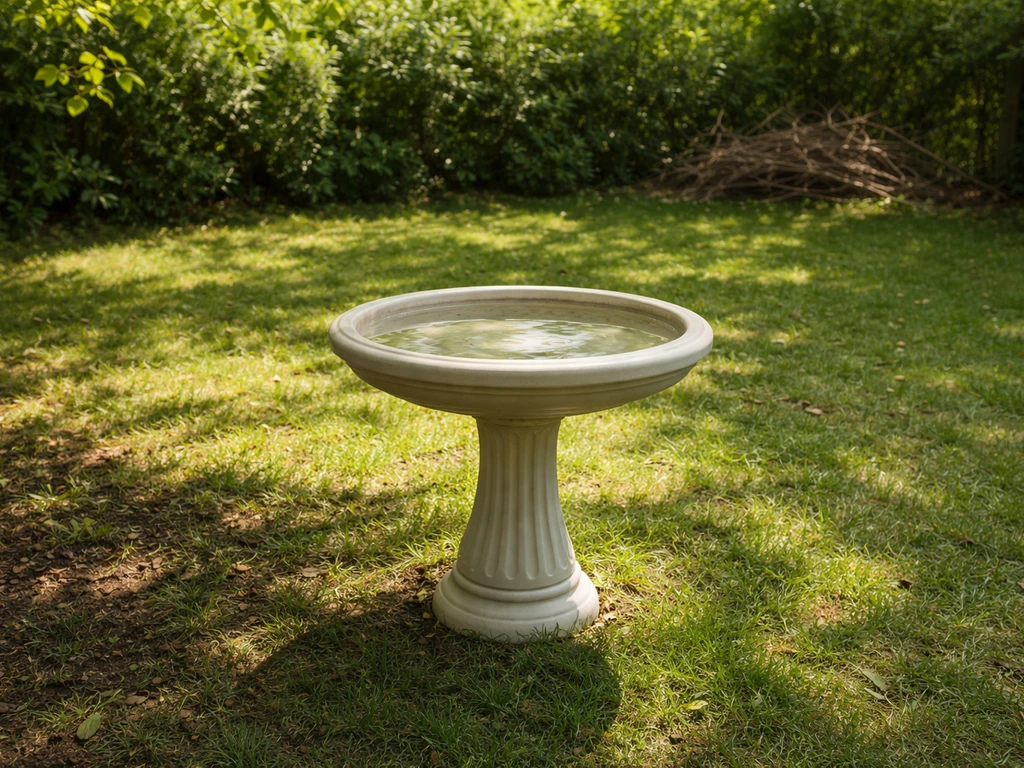
Where you put the bath matters as much as what you buy. Place it in partial shade, ideally getting morning sun and afternoon shade. Full sun heats the water fast, accelerates algae growth, and makes the glass hot to land on. Full shade keeps the bath cold and less attractive, and the glass can look dull and go unnoticed by birds flying overhead. Morning sun warms the water to a comfortable temperature and helps birds spot the glinting surface from a distance.
Keep the bath 10 to 15 feet from dense shrubs or brush piles. Birds need a clear sightline to watch for predators while bathing, and cats in particular use low cover to ambush birds at baths. At the same time, place the bath within about 10 feet of a tree or tall shrub so birds have a perch to land on and preen after bathing. Think of it as a two-step setup: the perching spot and the bath within easy hopping distance of each other.
Pedestal height matters too. A standard pedestal bird bath sits about 24 to 36 inches off the ground, which is the sweet spot for most songbirds. Ground-level baths attract different species (robins and thrushes love them) but increase predator risk. If you're using a hanging glass basin, make sure the chains or cables are rated for the combined weight of the glass and a full basin of water, which can easily hit 15 to 25 pounds on a large bowl. Level the pedestal carefully before setting the glass on it. Even a slight tilt will cause water to pool on one side, and it puts uneven stress on the glass.
Cleaning and maintenance to keep the glass looking great
Glass is genuinely easier to clean than concrete or unglazed ceramic because it's non-porous. Algae can't root into it the way it does into rough surfaces, so a weekly scrub is usually enough to keep things under control. Here's the routine I use:
- Empty the bath completely, rinsing out any loose debris.
- Scrub the basin with a stiff-bristled brush (dedicated to the bath, not a household brush) using a solution of 1 part white vinegar to 9 parts water. Vinegar cuts mineral deposits and early algae without harming birds.
- For stubborn algae or green film, let the vinegar solution sit for 10 minutes before scrubbing.
- Rinse thoroughly with clean water until there's no vinegar smell.
- Refill with fresh water.
Don't use dish soap or any detergent. Soap residue is hard to rinse out of a smooth bowl and is harmful to birds. Skip bleach unless you're dealing with a serious algae problem and can rinse the basin a minimum of five times with clean water afterward. Bleach at 1 part to 10 parts water is effective, but the rinsing requirement makes it more hassle than it's worth for routine cleaning. Stick to vinegar for regular maintenance.
Glass picks up hard water stains and white mineral deposits, especially if you're in an area with high-calcium tap water. These show up as white chalky rings or a cloudy film. The vinegar soak handles most of it. For heavy buildup, use a paste of baking soda and vinegar applied with a soft cloth, let it fizz for a few minutes, then scrub gently with a non-scratch scrubber. Don't use abrasive steel wool or scouring pads on glass; they scratch the surface and create tiny grooves where algae can eventually take hold.
Water management: freshness, mosquitoes, and temperature
Change the water every two to three days in warm weather, or daily if temperatures are above 85°F. Stagnant warm water is where mosquitoes breed, and it only takes about a week in standing water for mosquito larvae to hatch. The fastest and most reliable fix is simply to dump and refill often. If you can't commit to that schedule during summer, add a small solar-powered fountain pump or dripper to keep water moving. Mosquitoes won't lay eggs in moving water, and the sound of dripping or splashing is one of the most effective ways to attract birds to a bath they might otherwise ignore.
Water temperature is worth paying attention to. Very cold water from a hose on a hot day isn't harmful to birds but they do prefer water in the 50 to 70°F range. On hot days, refill in the morning before temperatures peak so the water warms gradually rather than sitting as ice-cold tap water all afternoon. In cool weather, even unheated water that's above freezing will attract birds, though you may need to top it off daily as birds drink heavily in dry cold conditions.
If you want to use a commercial water additive to prevent algae, look for products specifically labeled safe for birds. A small amount of Bird Bath Protector (enzyme-based) added weekly can slow algae growth significantly. These aren't a substitute for regular cleaning, but they help stretch the intervals between scrubs during high-algae summer months.
Cold weather and freezing: protecting your glass top
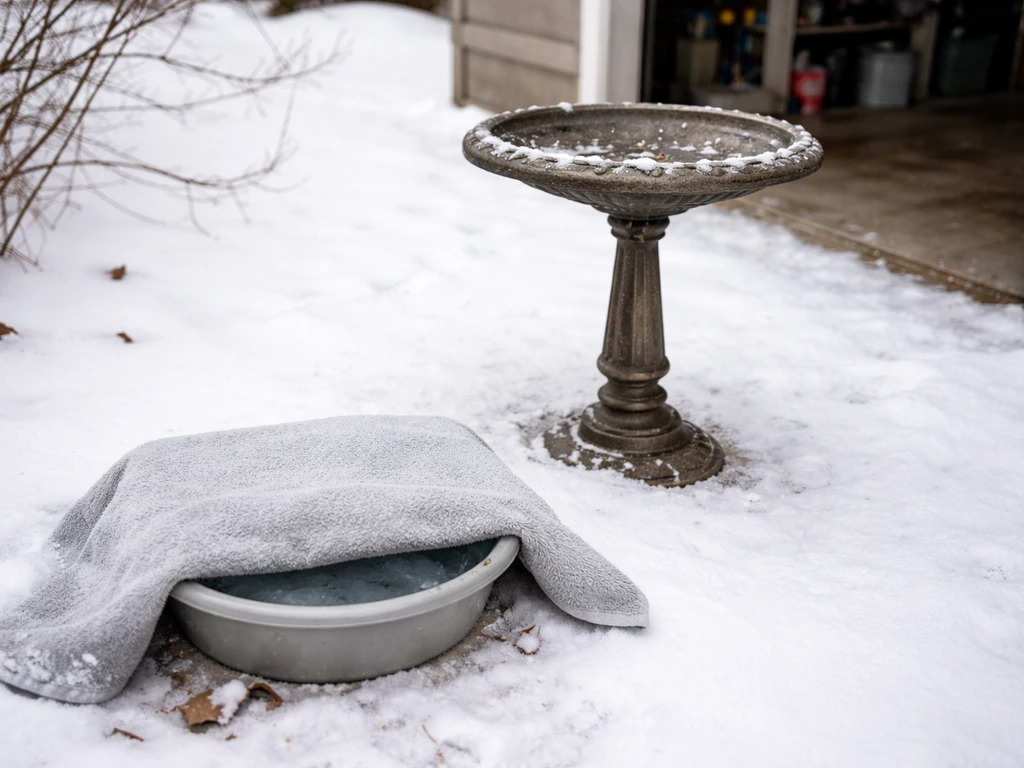
This is the biggest vulnerability of a glass top bird bath. Water expands by about 9% when it freezes, and that pressure can crack or shatter even tempered glass. If you're in a climate where temperatures regularly drop below 32°F, you need a plan before the first hard freeze of the season.
The safest option is to bring the glass basin inside once overnight lows consistently drop into the mid-30s. Store it in a garage or shed where it won't be exposed to freeze-thaw cycles. You can still use your existing pedestal base over winter by swapping in a more frost-tolerant basin, like a heavy-duty resin or purpose-built concrete bird bath top, while your glass one is stored safely.
If you want to keep a functional water source out through winter, a heated bird bath is the most practical solution. These use a low-wattage heating element (usually 50 to 150 watts) to keep water just above freezing. You can buy a heated basin designed to sit on your existing pedestal, or add a separate immersion heater to any frost-safe basin. Don't add a heater to your glass basin; the thermal stress from uneven heating can crack it.
- Bring glass basins indoors once overnight temps drop below 35°F consistently.
- Never use boiling water to thaw a frozen glass basin; thermal shock will crack it.
- Don't try to chip or pry ice out of a glass bath; let it thaw naturally indoors.
- If you leave a glass basin out during a freeze, empty it completely each evening to remove standing water before it can freeze and expand.
- Consider a solar or electric heated replacement basin for continuous winter use while the glass top is stored.
Troubleshooting the most common glass top bird bath problems
Bath is tipping or unstable
Check that your pedestal base is fully level and the feet are all making solid contact with the ground. On soft soil, pedestals can slowly sink on one side. Add a paver or flat stone under the base to create a stable, level platform. If the glass basin slides on the pedestal, a thin rubber mat or silicone pads between the basin and the mount will grip it in place without damaging the glass. Don't use adhesive to bond glass to a base permanently; you'll need to remove it for cleaning and winter storage.
Cloudy water or persistent film
Cloudy water is almost always either algae in early stages or mineral deposits from hard tap water. Do the vinegar soak described in the cleaning section. If the cloudiness is in the glass itself rather than in the water (a milky or hazy look to the glass surface), that's etching from prolonged contact with hard water. Light etching can be polished out with a glass-safe cerium oxide polish. Heavy etching is permanent and usually a sign the basin needs replacing.
Birds aren't using it
Give a new bath two to four weeks before deciding birds don't like it. If activity is still low after that, try these adjustments. Add a dripper or solar fountain to create water movement and sound. Move the bath closer to vegetation that birds already use. Check the water depth with a ruler: if the center is deeper than 2 inches, add a flat stone as a landing platform. Make sure the bath is visible from above (birds often scout from treetops) by clearing any overhanging obstructions. Finally, check the rim. If it's very smooth polished glass with no texture, birds may find it hard to grip; placing a few small pebbles on the rim gives them a secure landing spot.
Cracking or chipping
Small chips on the rim are common and should be addressed immediately. A chipped rim has a sharp edge that can cut birds' feet. Use a glass file or fine wet-dry sandpaper (400 grit or higher) to gently smooth any rough chip. If the crack runs through the basin itself, replace the top. A cracked glass basin will worsen with each freeze-thaw cycle and could shatter. If you're shopping for a replacement top, this is a good moment to compare glass against ceramic or large flat-top basin options to see which material best fits your climate and budget going forward.
Rapid algae buildup
If you're scrubbing algae every few days, the bath is getting too much direct sun. Move it to a spot with more afternoon shade, increase the frequency of water changes, or add a solar fountain to keep water moving. A barley straw extract added to the water (a few drops weekly) is an organic, bird-safe way to significantly slow algae growth without chemicals. This is especially useful during July and August when sunlight and warmth combine to turn any standing water green fast.
FAQ
Can I run a small fountain pump with a glass top bird bath?
Yes, but only if the basin is designed for it. Most glass tops are shallow, so use a dripper or low-flow fountain and keep water within the recommended edge-to-center depth (about 1 inch at the edges and up to 2 inches in the center). Avoid strong jets, they can splash water over the rim and wet the base, which increases slipping and can stress a poorly supported glass underside.
What’s the safest way to remove algae buildup on a glass top bird bath?
Use the softest method you can to protect the glass surface and the birds' feet. For algae, do vinegar soak and gentle scrubbing, then rinse thoroughly. Skip abrasive pads and especially steel wool, because micro-scratches create tiny grooves that hold algae and minerals longer.
Why does my glass top keep developing cracks, even though it’s tempered?
Not usually. Even with tempered or fused glass, mounting only on the rim or on a narrow ring creates uneven pressure and increases crack risk. You want full, even support under the entire underside with a flat, wide contact surface and, ideally, a rubber or silicone gasket between the glass and the mount.
Will birds still use a glass top bird bath if the center is a bit deeper than the edges?
Yes, and birds often will use it right away if the surface is safe and the bath is shallow enough. However, if you only see birds splashing at the edge, double-check depth and add a small flat stone landing platform if the center is deeper than about 2 inches. Also ensure the rim is smooth, chipped spots can deter birds.
Do I need to replace my glass top bird bath for winter?
Choose based on how you plan to winterize. If you regularly freeze below 32°F, plan to bring the glass basin inside before repeated freeze-thaw cycles, or switch to a frost-tolerant basin for winter use. Adding a heater to a glass basin is risky because uneven warming can crack it.
What’s the best way to store a glass top bird bath if I can’t cover it?
When you store it, remove the basin so the glass is not exposed to freezing nights, even if you keep water out. Store indoors in a garage or shed where temperatures stay above freezing, and keep it level. The pedestal can stay outside, but only if you’re not leaving the glass attached where it will freeze.
My glass top looks milky or cloudy, is it algae or hard-water etching?
If the glass looks cloudy or chalky, it’s usually minerals, not an algae “coating.” Try a vinegar soak first. If the etching is on the glass surface itself (milky haze), light cerium oxide polishing can help, but deep etching is often permanent and means the basin may need replacement.
Can I use dish soap when cleaning a glass top bird bath?
In most cases, rinse-only is not enough. Soap residue can cling to glass and is not ideal for birds, even if it doesn’t smell. For routine cleaning, use vinegar and water, and avoid dish soap or detergents altogether. If you ever do use bleach for a serious issue, you must rinse several times before birds use it again.
Do algae inhibitors eliminate the need to change the water?
Yes, but treat it as a maintenance tool, not a substitute for changing water. Bird-safe enzyme additives can slow algae growth between cleanings, but you still need regular dump-and-refill (every 2 to 3 days in warm weather) to prevent mosquito breeding.
Birds ignore my glass top bird bath. What are the most common reasons?
Start with visibility and safety, not just placement. Clear overhanging obstructions so birds can spot the glint from above, keep the bath within about 10 feet of perching cover, and confirm the water depth with a ruler. If the rim is too slippery because it is very polished, adding a few small pebbles can improve grip.
Can I add pebbles or a stone inside a glass top bird bath to make it safer?
Yes, but keep the setup bird-friendly and stable. You can add a flat stone or gravel to the center to create a landing zone, and keep the added material clean so it doesn’t trap debris. Make sure the stone doesn’t reduce usable depth below a safe bathing depth for the center, and never create sharp edges that could cut feet.
Will a cover protect my glass top bird bath during winter freezes?
Don’t rely on a protective cover if freezing is common. Covers often trap moisture and can lead to freeze-thaw cycles inside the basin. If you’re in a hard-winter area, bring the glass basin inside or keep it protected from subfreezing temperatures, then verify the rim is smooth before re-installing in spring.
Next Article
Large Bird Bath Top Only Guide: Measure, Fit, Install
Measure, pick, and install a large bird bath top only, ensure universal fit, seal, and prevent leaks, algae, and freezin