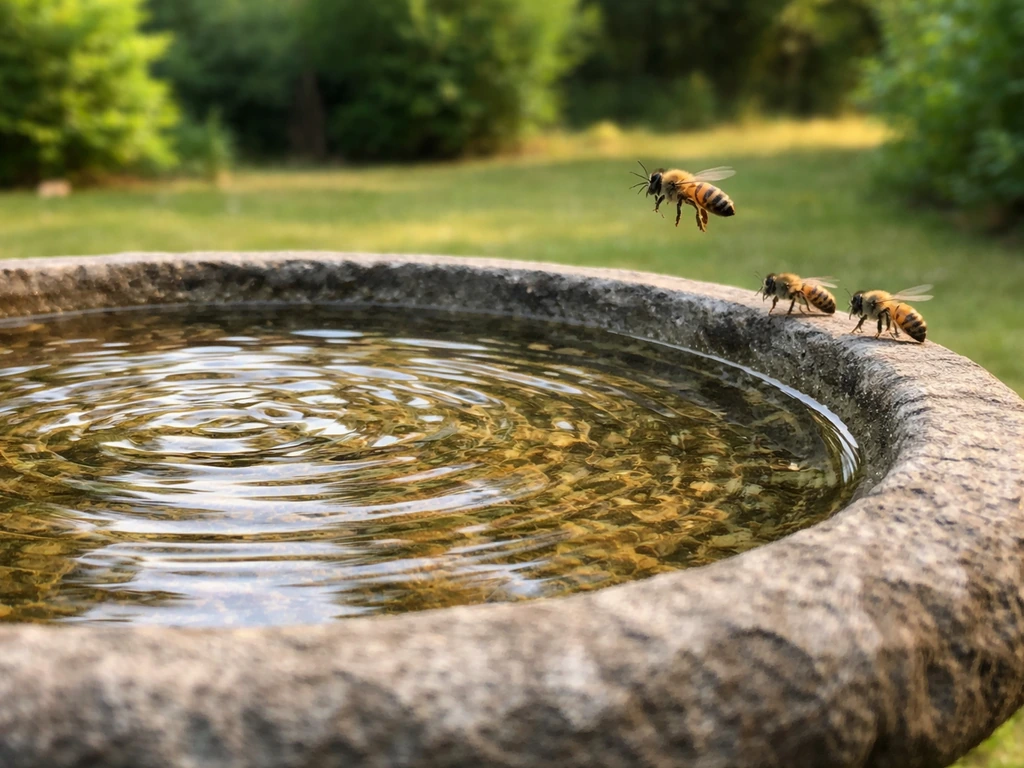
Making your bird bath safe for bees comes down to three things: adding landing surfaces so bees can touch water without falling in, keeping the water shallow enough that a bee can stand, and using only bee-safe cleaning methods. You may also notice that bird-bath water is not just for birds, and the “swimming” you see is usually caused by water that is too deep or lacks safe footholds for bees swimming in my bird bath. You don't need a separate bee bath to do this. A few rocks, a quick depth check, and some simple maintenance habits will turn your existing bird bath into a reliable, safe water source for bees and birds alike.
How to Make a Bird Bath Safe for Bees: Step-by-Step

Marcus Henley
25 Jun 2026
What "bee-safe" actually means for a bird bath
Bees visit bird baths for real, practical reasons. They drink water to survive, use it to cool the hive on hot days, and sometimes dissolve crystallized honey with it. So when bees show up at your bird bath, they're not being opportunistic pests. They have a genuine need, and the design of most standard bird baths puts them in serious danger.
The core problem is that bird baths are built for birds, not insects. A typical basin has smooth ceramic, concrete, or metal surfaces that give a bee nothing to grip. The water is deep enough for a sparrow to splash around in, which is far too deep for a bee to stand. When a bee lands on the water surface to drink, it can become trapped by surface tension, spin its legs trying to get purchase on a slick basin wall, and exhaust itself before it can escape. That's how most bee drownings happen.
Beyond drowning risk, chemical hazards are a real concern. Chlorine and bleach-based cleaners leave residues that can harm bees. Certain commercial birdbath treatments and algaecides are flat-out toxic to pollinators. Even the materials you add to the bath matter. Treated wood can leach preservative chemicals, including heavy metals, into the water over time, and those contaminants don't break down.
So "bee-safe" means: shallow water with texture and grip, clean water free of harmful chemicals, and a design that lets a bee get in, drink, and get back out without struggling.
Quick checks you can do right now
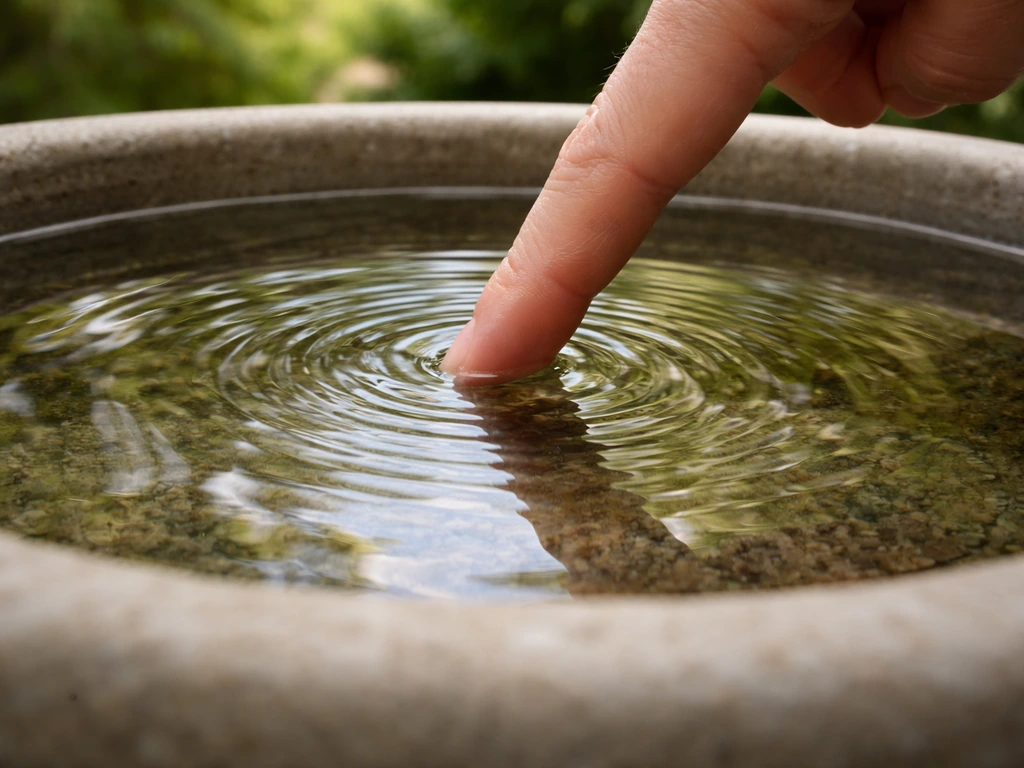
Before you add anything to your bird bath, do a fast assessment. These three things take about two minutes and will tell you exactly what you're working with.
Water depth
Stick your finger in the center of the basin. If the water is deeper than about 2 inches (5 cm), it's too deep for safe bee access. Most standard bird baths run 2 to 3 inches deep when full, which is fine for birds but borderline dangerous for bees. The fix is simple: either fill it less, or add rocks and pebbles to raise the effective water surface. More on that in the next section.
Surface traction
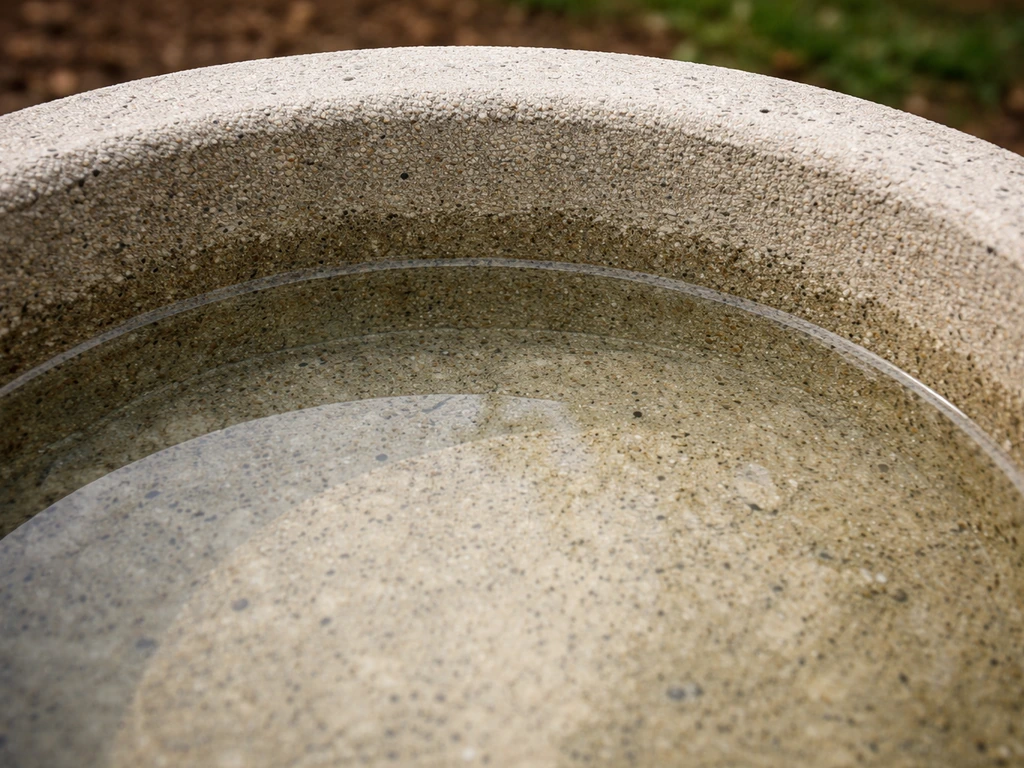
Run your finger along the basin floor and interior walls. If it's smooth, slippery, or glazed, a bee that falls in has almost no way to climb out. Textured concrete baths are usually better than glazed ceramic for this reason. If your basin is smooth, you'll need to add physical footholds, which rocks and pebbles handle well.
Access points
Look at the edge of the bath. Can a bee land on the rim and reach the water? If the rim is wide and the water level sits low, bees can't easily bridge that gap. Conversely, if water is filled to the very brim, bees can technically reach it but have no stable landing area. The sweet spot is water sitting about an inch below a stable edge, with rocks or pebbles creating islands at different heights so bees can choose their approach.
Build a safe landing zone: rocks, pebbles, and water gradients
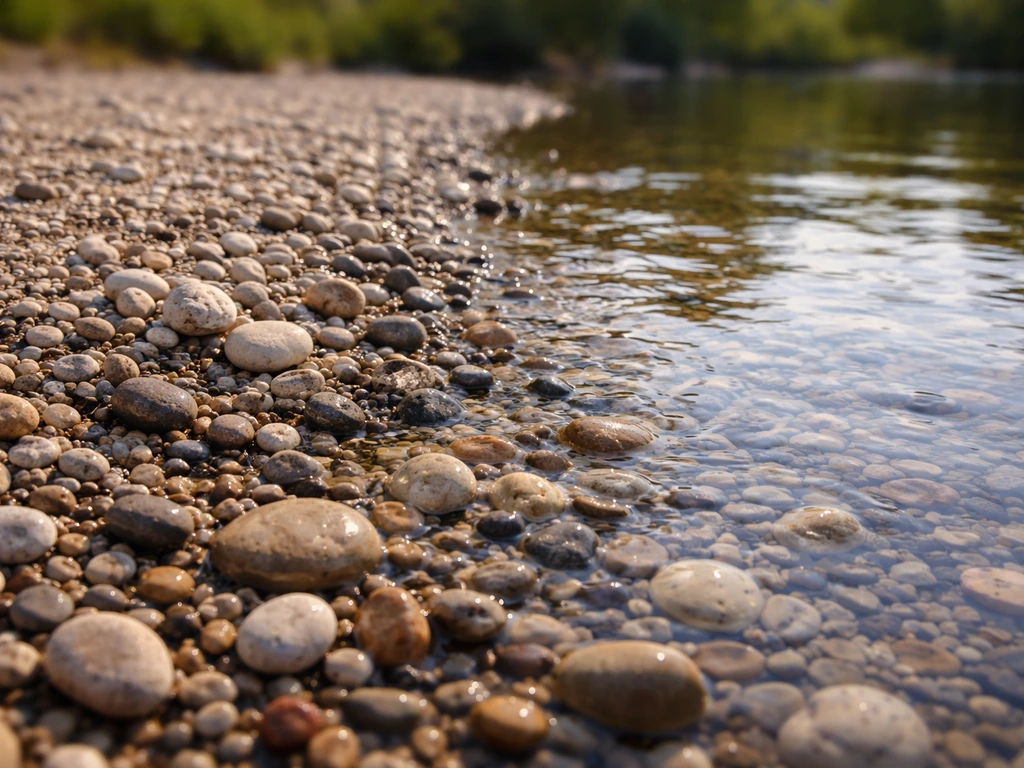
This is the most impactful change you can make, and it costs almost nothing. The goal is to create a shallow, textured zone where bees can land, stand, and drink without touching deep water.
The pebble-and-rock method
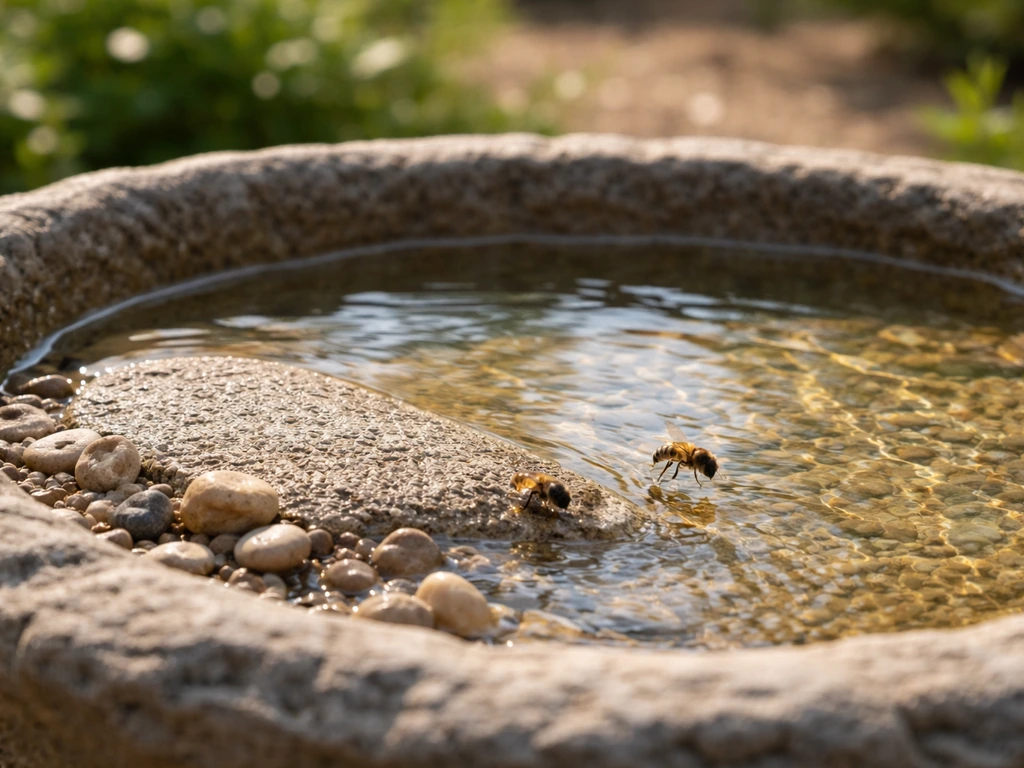
Collect a handful of smooth river pebbles or flat stones from a garden center, or use clean gravel you already have. Add them to your bird bath basin so they form a mix of submerged and partially exposed surfaces. Some rocks should poke above the waterline by half an inch or more. These dry tops are the landing pads. The submerged rocks just below the surface create the shallow drinking zone where a bee can stand with its feet touching rock, lean forward, and drink from the water edge.
The key principle from pollinator research is that bees need to touch something solid while they drink. A bee perched on a rock at water's edge is safe. A bee floating on open water surface is not. Fill in the basin until water just kisses the tops of most pebbles, leaving the tallest ones dry for landing. Aim for no more than 1 to 1.5 inches of water depth across the shallow areas.
Create a water gradient with a sloped stone
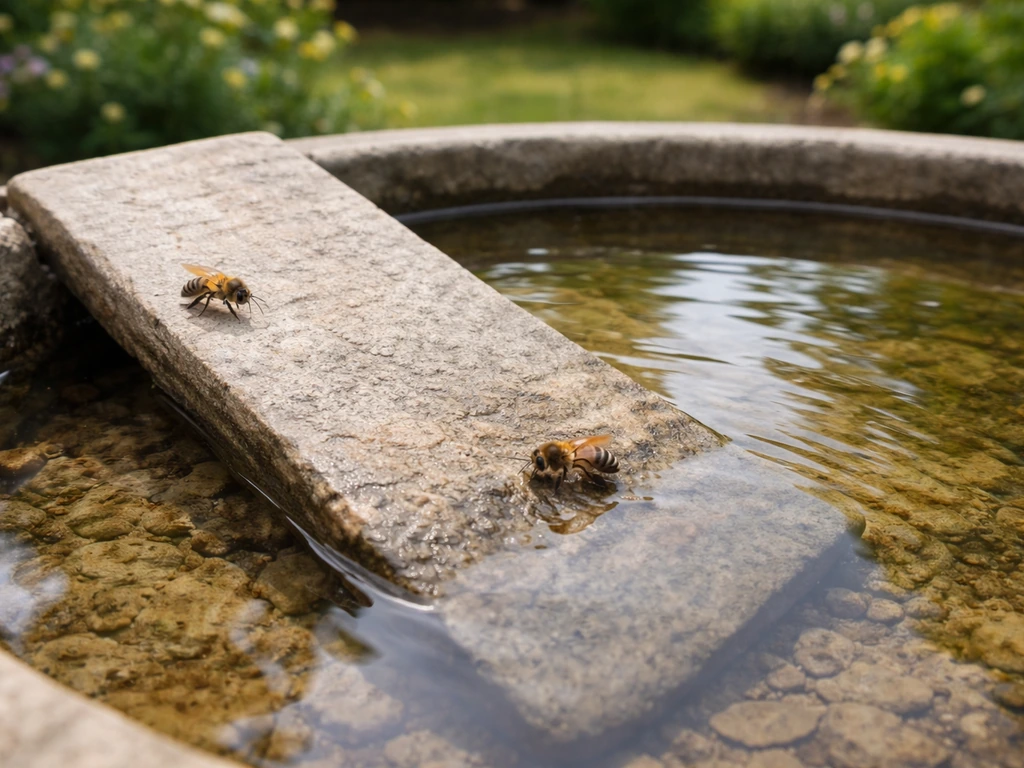
If you have a larger flat stone, angle it so one end sits high and dry above the waterline and the other end slopes into the water. This creates a ramp that serves two purposes: bees can walk down the slope to drink at the wet end, and if a bee falls into deeper water nearby, it has a sloped surface to crawl back up. USGS research on bee drownings found that perches and accessible rescue surfaces dramatically improve survival rates, so even a single angled stone can make a real difference.
Perches that extend over the water surface
A stick, twig, or small wooden dowel laid across the basin so it extends over the water gives bees another rescue option. If a bee falls into the middle of the bath, a perch reaching over the water means the bee has a higher chance of swimming or walking to something it can grip. Make sure the stick is untreated natural wood. Avoid pressure-treated lumber or anything painted or stained, since those finishes can leach chemicals into the water.
Materials to avoid
- Treated or pressure-treated wood: preservative chemicals including heavy metals can leach into water over time and do not break down
- Painted or stained rocks and stones: coatings may contain compounds toxic to bees
- Synthetic sponges or foam inserts: these trap bacteria quickly and are hard to clean thoroughly
- Anything with sharp metal edges that could injure bees trying to climb out
Water quality and cleaning: keeping it safe without harming pollinators
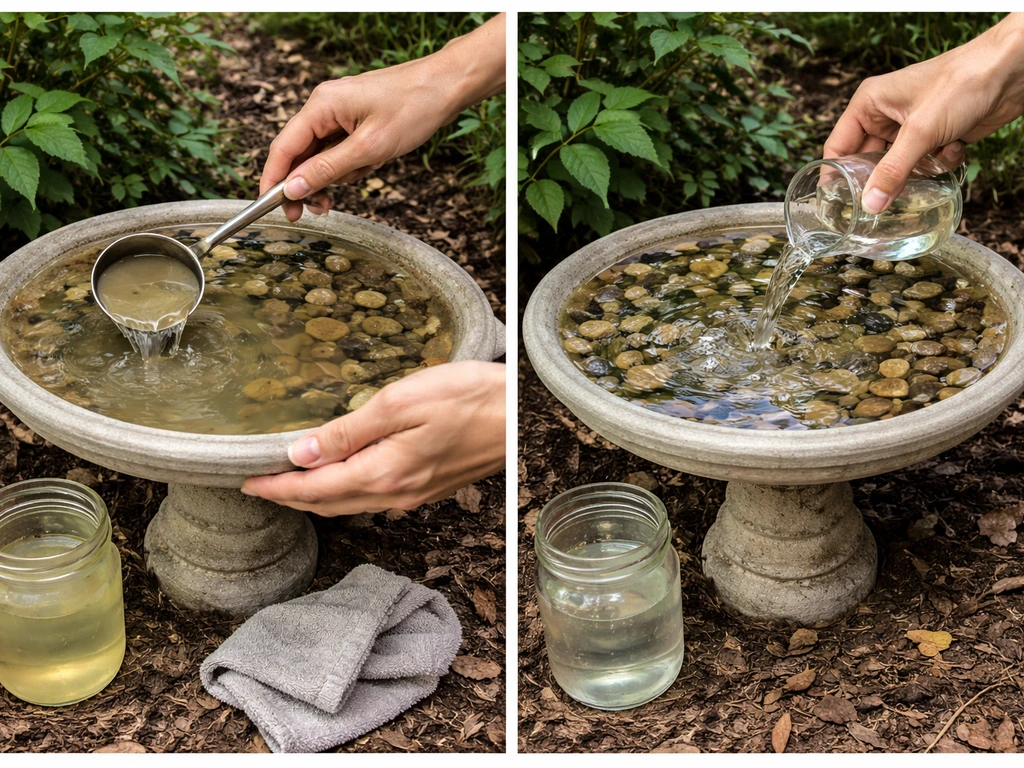
Bees are drinking this water, not just splashing in it. That means water quality matters more for a bee-friendly bird bath than for a purely bird-focused setup. Here's what to do and what to avoid.
How often to change the water
Change the water at least every three days. In hot weather or direct sun, change it every one to two days. Stagnant water grows algae and biofilm quickly, and once a biofilm layer builds up on your pebbles and basin walls, bees are drinking from a surface contaminated with bacteria and potentially fungal material. If you notice tiny worms, take a closer look at the biofilm and muck around the rocks, since that buildup can host small organisms biofilm layer. Fresh water is the single most effective thing you can do for water quality.
How to clean without harming bees
Skip the bleach entirely. Bleach residue left in cracks, grout, or porous rock can harm bees even after rinsing. Instead, use a diluted white vinegar solution: roughly one part white vinegar to nine parts water (about a 10% solution). Scrub the basin and rocks with a stiff brush, rinse thoroughly with plain water two or three times, and let it air for a few minutes before refilling. Vinegar is effective against algae and bacteria and breaks down quickly. It won't leave the residues that bleach or chemical algaecides do.
If algae is building up quickly, the real fix is a combination of partial shade (more on that below) and more frequent cleaning, not a chemical treatment. Algaecides marketed for bird baths are not tested for bee safety and should be avoided entirely in a pollinator-friendly setup.
Managing biofilm on rocks and pebbles
Pull your rocks out when you clean and scrub them individually. Biofilm loves rough, porous surfaces, which is exactly why pebbles are great for bee footing but also great at holding bacteria. A quick scrub every few days keeps the surfaces safe. If you see a slippery green or brown film forming on the rocks, that's your cue to clean sooner.
Where to place your bee-friendly bird bath
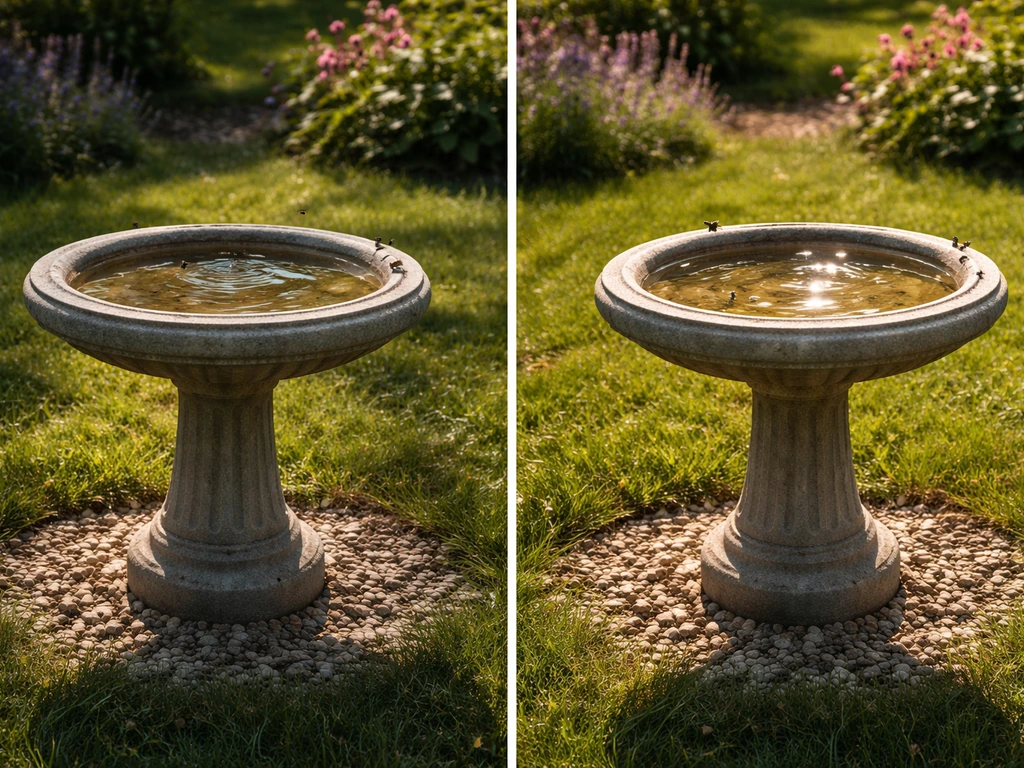
Placement affects whether bees find the bath, feel safe using it, and can reach the water consistently throughout the day.
Sun and shade balance
Full sun heats water fast, accelerates algae growth, and can make the bath uncomfortably warm by midday. In summer, partial shade, especially afternoon shade, keeps the water cooler and slows evaporation. Morning sun is fine and helps warm the water slightly after cool nights. A spot that gets three to four hours of direct sun and the rest in dappled shade is a solid target.
Distance from flowers and foraging areas
Bees don't travel far out of their way just to drink. If you are wondering why bees choose your bird bath specifically, it usually comes down to water access, safe footing, and chemical-free conditions why are there bees in my bird bath. Placing your bird bath within or near a pollinator garden, flower bed, or any area with flowering plants gives foraging bees a convenient stop. If your bath is tucked far from any flowering plants in an exposed corner of the yard, bees are less likely to discover and regularly use it.
Wind exposure
Avoid placing the bath in a consistently windy spot. Wind creates ripples that make landing harder for bees, evaporates water faster, and can blow small bees off their perch mid-drink. A spot with some natural windbreak, like near a shrub or fence, is better than an open exposed location.
Bird and bee coexistence
Birds and bees can use the same water source without serious conflict, but larger birds will occasionally disturb bees during a splashing bath. If you notice birds chasing bees away, consider adding a second very shallow saucer specifically for bees near your pollinator plants. If birds still ignore your bird bath, the same setup choices that help bees, like shallow water and stable landing spots, can also make it easier for birds to use second very shallow saucer.
Think of it as a dedicated bee station next to the main bird bath rather than a compromise on either setup. This also connects to a broader question some readers wrestle with: how to keep bees at a safe distance from the bird bath while still supporting pollinators, which involves placement strategy more than any single product or fix.
Maintenance through the seasons
Hot summer weather
Summer is when bees need water most urgently, and it's also when bird baths cause the most problems. Water evaporates fast, sometimes dropping several inches in a day in hot, dry conditions. Check the water level daily. To prevent birds from pooping in the bird bath, keep the water clean and refresh it often so birds have less reason to linger. When the water drops too low, rocks that used to offer safe footing can become islands surrounded by air, leaving the remaining water pooled below the pebbles in a zone bees can't safely reach. Top it up, or refill completely if it's getting warm and stagnant.
Managing mosquitoes and algae without chemicals
Mosquitoes need still water to breed, and algae thrives in warm, sun-lit water. The answer to both problems is the same: change the water frequently and don't let it sit longer than two to three days. If mosquitoes are a serious concern, a small solar-powered fountain or bubbler that keeps water moving will disrupt their breeding cycle without any chemicals. Moving water also tends to attract bees more reliably, since bees in nature often prefer running or dripping water sources. Just make sure the water flow is gentle, not strong enough to knock a small bee off a rock.
Fall and freezing temperatures
Once temperatures regularly drop below freezing overnight, bee activity drops significantly and most species have retreated to hives or hibernation. You can safely stop maintaining a dedicated bee water station at that point. For your bird bath generally, either bring it inside to prevent freeze-cracking or switch to a heated model. Bees don't need supplemental water in winter in most climates, so the seasonal transition is clean and simple.
Early spring start-up
Get the bath set up and ready before your first flowers bloom. Queen bumblebees and early foragers start looking for water as soon as temperatures consistently hit about 50°F (10°C). Having fresh water with good landing rocks already in place means you're ready when the season starts, rather than scrambling to add footholds after the first bees show up.
When bees don't come, or struggle to use the bath
If you've made the changes and aren't seeing bees use the bath, or you're seeing bees struggle, here's how to work through it.
| Problem | Likely Cause | Fix |
|---|---|---|
| Bees not visiting at all | Bath is too far from foraging area, or water smells of chemicals | Move bath closer to flowering plants; do a thorough vinegar scrub and full rinse before refilling |
| Bees landing on water and spinning | No solid footholds at water surface level | Add more pebbles so some rock tops are right at the waterline, not just above or below it |
| Bees falling in and struggling | Water too deep, no rescue surfaces | Lower the fill level; add an angled flat stone or twig across the basin for self-rescue |
| Water turning green quickly | Too much direct sun, water changed too infrequently | Move to partial afternoon shade; clean every 2 days in summer |
| Debris and leaves clogging the basin | Open placement under trees or near shrubs | Scoop debris daily; consider moving bath to a cleaner spot, or add a simple mesh cover at night |
| Birds monopolizing the bath | Birds actively displacing bees | Add a separate shallow saucer near flowering plants as a dedicated bee station |
One thing that trips people up: bees may take a few days to find a new or modified water source. If you've set everything up correctly but see no action in the first week, give it time. Once a scout bee discovers the bath and returns to the hive, others will follow. You can also lightly mist the rocks with water during a hot afternoon to create some evaporative cooling and a faint humidity signal that bees detect.
If bees are visiting but you notice some are dying in the bath even with rocks added, look closely at your rock configuration. The issue is usually that there's too much open water surface between rocks. If you notice they still end up drowning, reduce any open water stretch between rocks so bees always have footing open water surface. Pack the pebbles in more densely so there's no stretch of open water wider than an inch or so. The more surface area that's covered by rock tops at or just above the waterline, the less open water a bee can fall into.
A bee-safe bird bath is genuinely not complicated once you understand what bees need: something solid to stand on, clean shallow water right at that surface, and no chemical residues. A handful of river pebbles, a vinegar scrub routine, and a spot near your garden will do most of the work. The bees will figure out the rest. If you still need to redirect them, you can use practical deterrents to keep bees away from your bird bath bee-friendly bird bath.
FAQ
Can I use a plastic bird bath, and how do I make sure it is safe for bees?
Yes, plastic can work if the basin is not too smooth. Check the landing area by running a fingernail across the wall and bottom, if it feels slippery or glossy, add footholds using smooth river pebbles or small flats stones so bees have textured grip at the waterline. Also confirm the water level stays shallow, about 1 to 1.5 inches across the drinking zone, because plastic does not change the drowning risk if the water is deep.
What kind of rocks or pebbles should I avoid for a bee-safe bird bath?
Avoid rocks that are porous, crumbly, or treated, since they can hold residues and get slimy faster. If you pick up stones from outdoors, rinse and scrub them well before adding them to the bath. Stick to smooth river pebbles or clean flat stones, they provide stable perches and easier footing for bees.
How can I tell if my bird bath is still too deep even after adding rocks?
Perform a practical “bee depth check.” Add rocks, then fill the bath until water just kisses the tops of the stones that will be landing pads. If you can see a continuous sheet of water across the basin bottom, a bee that slips off the rocks likely falls into deeper water. If there is a clear shallow shelf where the water barely covers the stones and the tallest rocks remain dry, you are closer to safe conditions.
Do bees drown in bird baths because of the water itself, or because of surface tension?
Both can be involved, but the bigger practical cause is that bees lack a reliable way to climb out when they hit a slick, vertical wall or an open-water area. Surface tension can trap a bee on the surface, and then it runs out of energy before finding grip. The fix is always the same, textured footholds and limited open-water “falls” between landing rocks.
Is vinegar safe to use on rocks and in the bath if bees are still visiting?
Use vinegar when you are emptying and scrubbing, then rinse thoroughly and let the basin air out briefly before refilling. Vinegar breaks down quickly, but strong residual smell or droplets on rocks can discourage bees or irritate them. A good practice is to do cleaning in the afternoon when bee activity is lower, then refill once the basin is rinsed and the surface looks clean.
Should I cover the bird bath when I’m not using it or overnight?
Covering can help reduce debris and bird activity, but it can also trap moisture and slow drying, which may worsen biofilm. If you do cover it, make sure it does not fully enclose the basin so that water cannot accumulate and get stagnant. In most cases, more effective control is frequent water changes, keeping the bath shaded, and scrubbing rocks regularly.
What if it is freezing outside, will the rocks crack or become unsafe for bees?
Freezing can crack some basins and can loosen rocks so they shift and leave unintended deeper pockets. Once nights are consistently below freezing, stop maintaining a bee station if you keep it uncovered, because the water will freeze and change access. If you keep the bath for birds, consider moving it to a protected area or using a heated bird bath model, and re-check depth and foothold placement when temperatures warm again.
I see algae returning quickly, should I use an algaecide labeled for bird baths?
Avoid algaecides for a bee-focused setup. If algae is fast, improve shade first and shorten the water-change interval rather than relying on chemicals. Scrub rocks individually when you notice a slippery film, and ensure the waterline does not stay deep, deeper water generally supports faster growth.
Can I add a bubbler or small fountain and still keep it bee-safe?
Yes, but keep the flow gentle. The goal is movement that discourages mosquitoes and algae, while preserving stable landing rocks. If the stream is strong enough to create ripples that move pebbles or push bees off perches, it becomes unsafe. Ensure there is still a shallow edge with dry landing tops and minimal open-water gaps.
How close should the bird bath be to flowering plants for bees to actually use it?
Place it within easy foraging range of your flowers, but prioritize convenience over strict distance. A useful rule is that bees should be able to spot the bath as part of a short route they already take between blooms and nesting areas. If your bath is in a corner with no nearby flowers, bees may never “learn” it, even if it is perfectly designed.
If birds are chasing bees away, is adding a second dish the only solution?
It is not the only solution. You can also reduce disturbance by keeping the main bee-access zone shallow with stable perches and by positioning the bath where birds cannot easily splash directly into the landing area. If you still see bees displaced, a separate very shallow saucer placed near your pollinator plants can reduce conflict because it gives bees a dedicated landing edge birds use less.
What should I do if bees visit but some still die, even though I added rocks?
Re-check the “open water gaps.” If there are stretches of smooth basin surface where a bee can fall and cannot reach a rock quickly, bees can still drown. Pack the pebbles more densely and make sure the majority of the waterline is supported by rock tops at or just above the surface, leaving minimal open-water area between landing points.
Next Article
How to Keep Bees and Wasps Away From Your Bird Bath
Step-by-step tips to keep bees and wasps away from your bird bath, manage water safely, and remove insects.