You can keep bees and wasps away from your bird bath by combining three things: clean, frequently changed water (every 2 to 3 days), a shallow basin design that's less hospitable to insects, and a dedicated alternate water source placed well away from the bath to redirect insects. If you are seeing insects at your bird bath, you may also be dealing with algae, organic buildup, or standing-water issues, which is why understanding what “swimming” conditions look like matters clean, frequently changed water. No single fix works forever, but stacking these approaches together gives you a bath that birds love and bees and wasps mostly ignore. If you still notice bees showing up despite your cleaning and water changes, this guide on why are there bees in my bird bath can help you pinpoint the specific cause and what to do next. If you are wondering why you still see bees and wasps at your bird bath, the issue is usually water quality and location rather than the birds themselves why birds don't use your bird bath.
How to Keep Bees and Wasps Away From Your Bird Bath

Why bees and wasps show up at bird baths in the first place
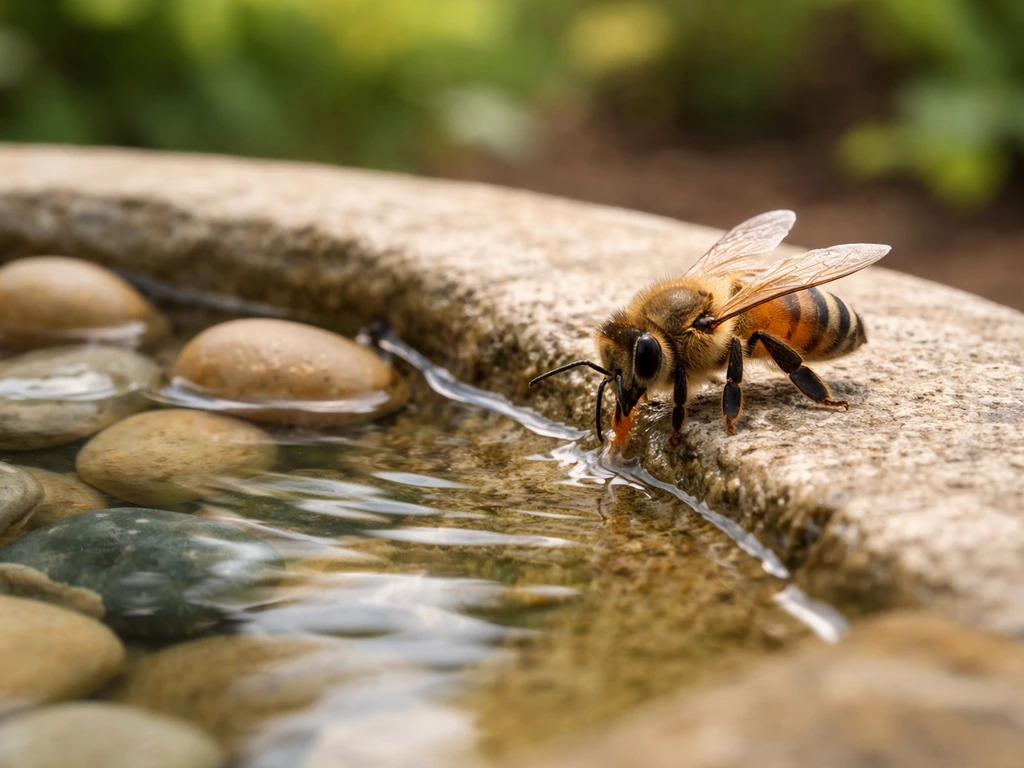
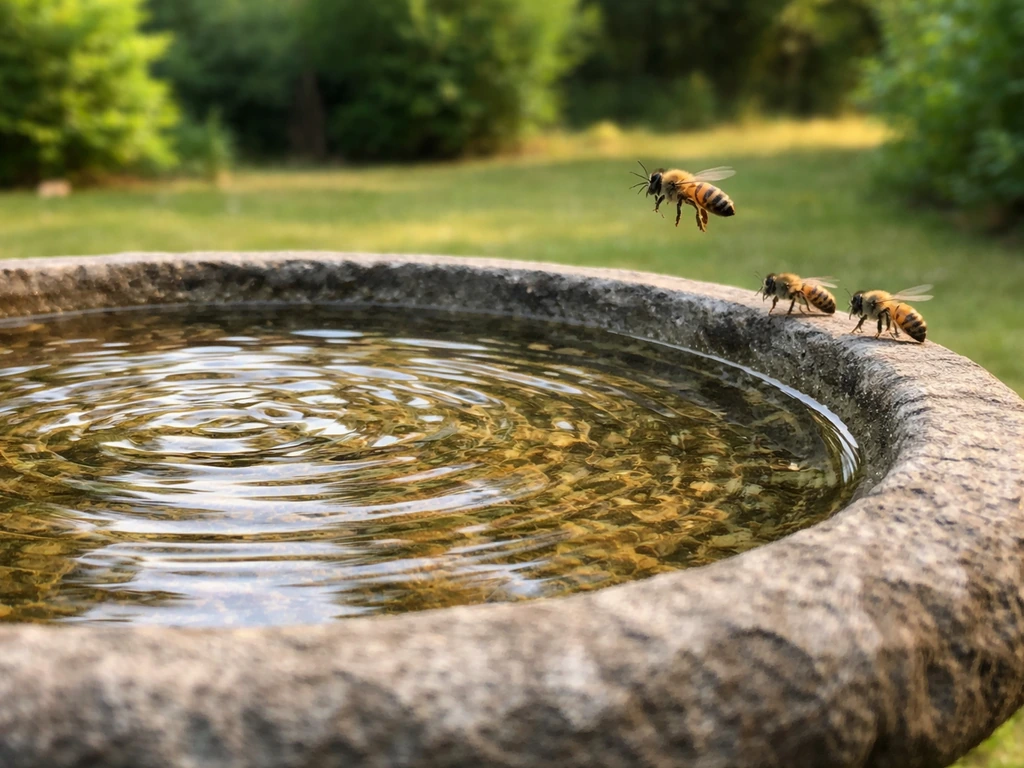
Understanding why they're there makes it easier to redirect them. Bees, especially honey bees, need water just like any other animal. On hot days, a colony can send out dozens of foragers to find a reliable water source, and a bird bath sitting in your yard is exactly that. According to UC ANR, on very hot days you can see scores of bees at a bird bath or pond. They're not being aggressive or territorial, they're just thirsty and doing their job.
What makes a bird bath extra appealing to bees is the water quality, or more accurately, the water impurity. Bees are drawn to water that contains organic residues and dissolved mineral salts. That slightly green, algae-tinged water sitting in your bath from last week? Bees may actually prefer it over fresh tap water. This is important to know because it means a clean bath is a less attractive bee bath.
Wasps, particularly yellowjackets, are a different story. They're scavengers attracted to food odors and protein sources, but they also visit water features. Yellowjackets can become aggressive when they feel threatened at a water source they're treating as their own territory. Unlike bees, which are usually calm at the bath, a wasp that feels cornered near water can sting without much provocation, so how you handle them matters.
Prevention basics: water management and your cleaning routine
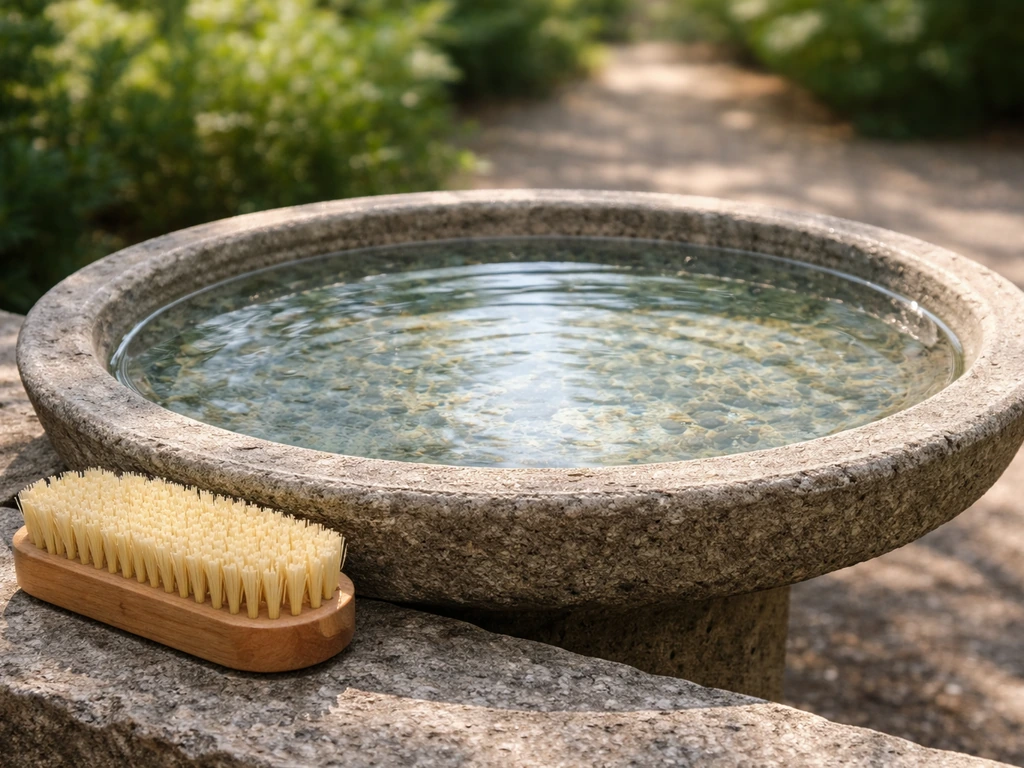
The single most effective thing you can do is keep the water fresh and the basin clean. Bees are attracted to water with organic buildup. You might wonder, do bees drink water from bird baths, and the answer is yes, especially when the water is fresh or has organic buildup Bees are attracted to water with organic buildup.. If you're letting the water sit for a week between changes, you're essentially running an insect welcome center. Change the water every 2 to 3 days as a baseline. If the water turns cloudy in under two days (which happens fast in summer heat), switch to daily changes until you figure out the cause.
When you do clean, actually scrub the basin. A stiff brush removes the biofilm and algae that builds up on the basin surface, especially in textured areas. That film is part of what makes the water smell appealing to insects. Rinse the basin thoroughly after scrubbing so no residue remains.
For stubborn algae or staining, a diluted vinegar solution works well without harming birds. Mix one part white vinegar to nine parts water, let it sit in the basin for 10 to 15 minutes, then scrub and rinse completely. Avoid bleach and harsh chemical cleaners. Not only are they risky for birds, but the residual chemical smell can linger and actually attract certain insects while repelling the birds you want.
- Change water every 2 to 3 days, daily in hot weather or if water clouds quickly
- Scrub the basin with a stiff brush at every water change, focusing on textured surfaces
- Use a 1: 9 vinegar-to-water solution for deep cleans, rinse completely before refilling
- Never use bleach, pesticides, or chemical sprays near the bath
- Dump all old water before refilling, don't just top it off
Placement and design tweaks that discourage insects
Where you put the bath and what kind of bath you use both influence how much insect activity you'll see. A few targeted changes can make a real difference without making the bath worse for birds.
Keep the basin shallow
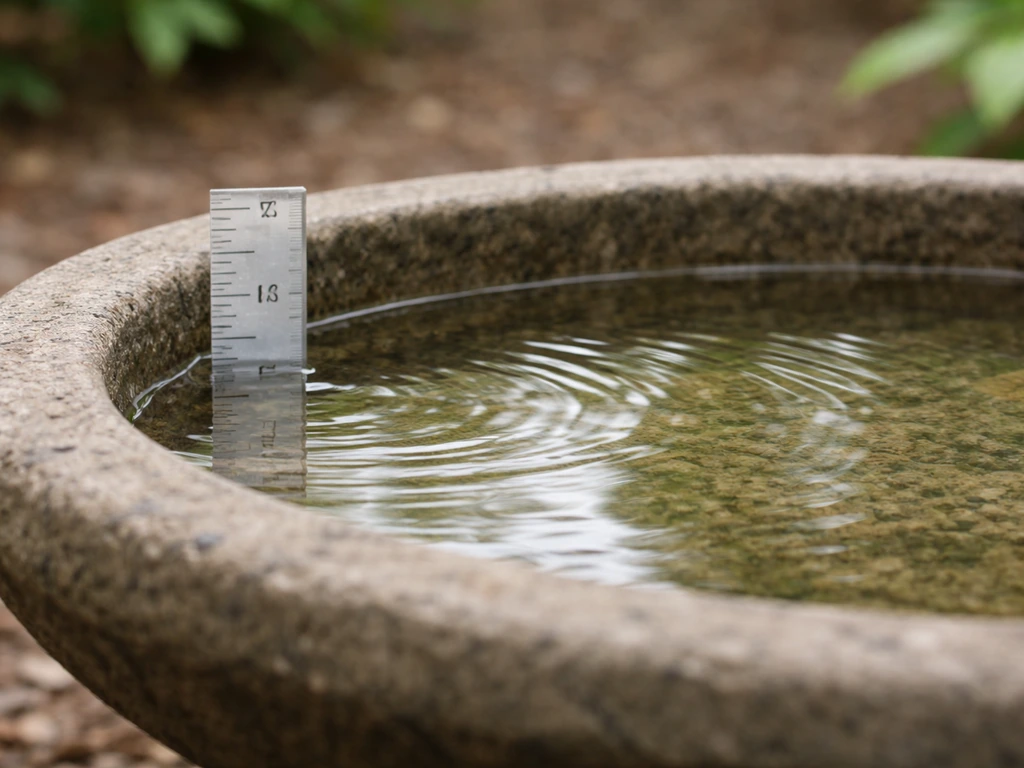
Most birds prefer a bath depth of about 1.5 to 2 inches with blank" rel="noopener noreferrer">a gentle slope from the edges to the center. This depth is ideal for birds but less inviting for bees and wasps, which don't need to wade in. To prevent drownings, keep the water shallow and make sure bees can easily exit, such as by adding stones or a textured insert that provides safe footing how to keep bees from drowning in bird bath. Deeper baths accumulate more standing water, take longer to clean, and give insects more surface area to access safely. If your current bath is too deep, you can add flat stones or a textured insert to raise the effective floor of the basin while giving birds landing spots.
Add moving water
A dripper, mister, or small fountain attachment creates water movement that birds find irresistible but that bees and wasps find disorienting. Still standing water is much easier for an insect to hover over and drink from. Moving water also stays cleaner longer and reduces the algae and organic buildup that makes water smell interesting to bees in the first place. This is genuinely one of the best dual-purpose upgrades you can make to a bird bath.
Think about bath placement
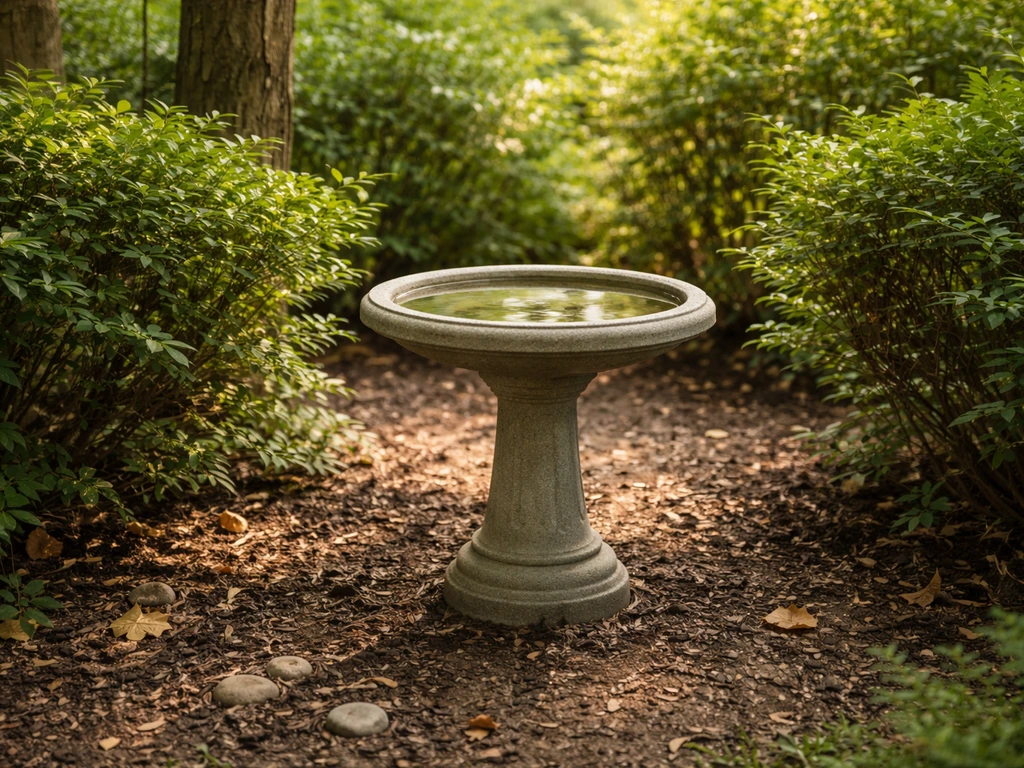
Birds need to feel safe, which means placing the bath where they have a clear sightline and can escape quickly, typically within 10 feet of a shrub or tree for cover. But insect activity is also influenced by what's nearby. If your bath is sitting close to flowering plants, a compost pile, or a known wasp nest location, insects are more likely to find and claim it. Placing the bath in a more open, birds-first position, away from dense flowering beds, reduces overlap between insect foraging zones and the bath.
Safe deterrents that won't harm birds (and what to avoid)
There's a short list of things that actually help and a longer list of things people try that either don't work or create problems. Let's cover both.
What actually works
- Set up a dedicated bee waterer or 'bee bath' well away from the bird bath, at least 20 to 30 feet if possible, filled with shallow water over pebbles or marbles so bees can drink without drowning. Once bees find a reliable water source they prefer, they tend to stay loyal to it.
- Add a drip or fountain to create water movement, which discourages insects from hovering and landing.
- Keep the water clean and fresh, reducing the organic smell that draws bees in the first place.
- Use a bath that is elevated on a pedestal, which makes the approach harder for ground-foraging wasps compared to ground-level baths.
- Place cinnamon sticks near (not in) the bath; cinnamon can deter bees naturally without harming birds when used externally near the rim.
What to avoid
- Do not spray any pesticide, insecticide, or bee spray near the bird bath. UC IPM is explicit: do not directly spray bees, beehives, or bee nesting sites with any pesticide. Residue in the water can harm or kill birds.
- Avoid adding any chemical bee or wasp repellents to the water or basin.
- Don't use mothballs, chemical deterrent strips, or similar products near the bath.
- Don't try to swat or aggressively disturb wasps at the bath. Yellowjackets can sting when they feel threatened, and provocation near water makes the situation worse.
- Avoid essential oils dropped directly into the water, as concentrations that deter insects can also be harmful to birds.
If bees are already at the bath right now
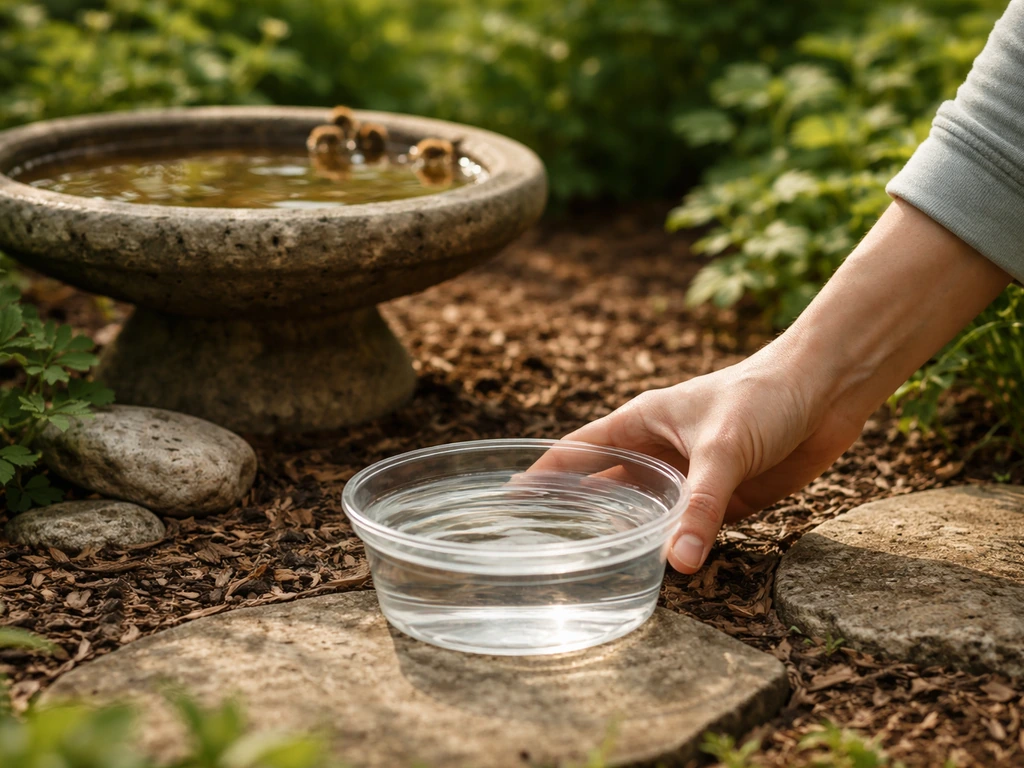
First, don't panic and don't swat. Honey bees at a bird bath are almost always foragers focused entirely on collecting water. They're not guarding territory and they're rarely aggressive in this context unless you grab them or make them feel cornered. Give them space.
Your immediate goal is to redirect them, not eliminate them. Set up an alternate water source right now, even a shallow dish with pebbles and water counts, and place it as far from the bird bath as your yard allows. Then dump and refill the bird bath with fresh water. The change in water smell combined with the new competing source will often pull bees away within a day or two as they update their foraging routes.
If bees are consistently overwhelming the bath day after day even with fresh water, it may indicate a hive is established nearby. In that case, contact a local beekeeper before doing anything else. Beekeepers can often relocate a hive without harming the colony, which is better for everyone involved. This is not a job for pesticides. Orkin and other pest management sources consistently recommend relocation over chemical removal for bees.
- Stay calm and give the bees space, don't swat or disturb them
- Set up a separate shallow bee waterer at least 20 to 30 feet away
- Dump and fully refill the bird bath with fresh water to reduce the smell drawing bees in
- Repeat daily until bees shift to the alternate source
- If the problem persists after a week, contact a local beekeeper to check for a nearby hive
If wasps are already at the bath right now
Wasps at a bird bath require a bit more caution than bees. Yellowjackets in particular can become territorial and sting if you move quickly near them or make them feel threatened. Don't make any sudden movements around the bath while wasps are present.
Unlike bees, wasps are scavengers and their presence near the bath is often tied to what else is nearby, food scraps, garbage, overripe fruit, or even a protein source from bird feed. Do a scan of the area around the bath to see if there's a food source attracting them to that zone. Removing that attractant often reduces wasp presence faster than anything else you do to the bath itself.
For the bath itself, the strategy is similar to bees: set up an alternate water source away from your main activity area. UC IPM specifically recommends placing water traps away from patio and seating areas so wasps don't converge near people. A commercial yellowjacket water trap placed away from the bath can help intercept wasps before they reach it.
If you suspect a wasp nest is nearby, don't try to remove it yourself. A nest inside a wall, under eaves, or in the ground near the bath will keep sending new wasps to the bath indefinitely. Contact a pest control professional for nest removal, especially late in summer when colonies are large and defensive.
- Move slowly and avoid provoking wasps near the bath
- Scan the area for food sources that may be attracting wasps to that zone and remove them
- Set up an alternate water source or a yellowjacket water trap well away from the bath and patio area
- Change the bird bath water completely with fresh water to reduce attractiveness
- If you see heavy wasp traffic from a consistent direction, look for a nearby nest and call a pest professional if found
Maintenance follow-through to keep insects away long-term
The insect problem tends to come back whenever maintenance slips. The bath that was clean in May can turn into a bee magnet by July if summer heat speeds up algae growth and you're changing water once a week instead of every two to three days. Seasonal adjustment is key: check the water more frequently during heat waves and dry spells, which is exactly when bee colonies ramp up their water foraging.
If you installed a bee bath as a redirect, keep maintaining it too. A bee bath that goes stagnant or dries out will push bees back to your bird bath. Treat it like a secondary maintenance task alongside the bird bath itself.
Also worth noting: a well-maintained bird bath that's clean and has moving water is much less likely to also become a mosquito breeding site, which is a separate but related concern many backyard birders deal with. Tiny worms in bird bath water are often mosquito larvae, which thrive when water sits too long, so regular draining and scrubbing helps prevent them. Frequent water changes (every 2 to 3 days) disrupt mosquito breeding cycles and reduce the organic buildup that draws bees. It's one maintenance habit that solves multiple problems at once.
| Task | Frequency | Why it helps with insects |
|---|---|---|
| Change water completely | Every 2 to 3 days (daily in summer heat) | Removes organic residue and mineral buildup that attracts bees |
| Scrub basin with stiff brush | Every water change | Eliminates biofilm and algae that make water smell appealing to insects |
| Deep clean with vinegar solution | Weekly or when staining appears | Resets the basin to a less insect-attractive state |
| Refresh alternate bee waterer | Every 2 to 3 days | Keeps the redirect source viable so bees don't return to the bird bath |
| Check for nearby nests (wasps) | Monthly in warm months | Catches wasp nest development before it becomes a larger problem |
| Inspect dripper or fountain attachment | Weekly | Ensures water movement continues, one of the best passive deterrents |
One last thing worth mentioning: if you're struggling with bees at the bath, the goal isn't to harm them. Bees are pollinators and they're important. The goal is to redirect them to a water source that works for them without competing with your birds. Done right, you can have a yard that supports both. A clean, moving-water bird bath for the birds and a dedicated shallow bee waterer nearby is a setup that genuinely works, and it takes more effort upfront than ongoing maintenance once you get the routine dialed in. To stop birds from pooping in the bird bath, keep the water fresh and add a cleaning and placement routine that discourages buildup keep a dedicated shallow bee waterer nearby. If you want to keep bees coming without them getting trapped, follow these tips for making a bird bath safe for bees shallow bee waterer.
FAQ
How far should I place an alternate water source when I’m trying to keep bees away from the bird bath?
Place it as far from the bird bath as your yard allows, ideally creating a clear competing route (for example, 10 to 30 feet). If possible, put the backup water in a shadier spot away from your seating area, because bees are more likely to recheck the closest reliable water once they establish a routine.
Will sugar water or electrolyte additives keep bees from coming to my bird bath?
No, adding sweet or protein-like ingredients usually increases insect interest, especially wasps and other scavengers. Stick to plain water in the main bath, and if you add a secondary waterer, use plain water with pebbles so it functions without becoming an attractant.
What should I do if the water becomes cloudy before my next scheduled change?
Treat cloudiness as a sign the basin is accumulating algae and organic film quickly. Move to daily changes and scrub the basin surface (especially textured areas or under rim features). After things stabilize, you can step back to every 2 to 3 days.
Can I use a vinegar soak if my bird bath is also for bathing birds safely?
Yes, use a mild vinegar dilution (about one part vinegar to nine parts water), soak briefly, then scrub and rinse thoroughly. The key is complete rinsing so birds are not exposed to lingering odor, and avoid any stronger cleaners that leave residue.
Is it safe to use essential oils or insect-repellent sprays around the bird bath?
Avoid repellent sprays and essential oil mixtures. Even if they seem to deter insects, they can leave residues birds may contact during bathing and drinking, and they can trigger new insect behavior because of lingering scent.
How can I tell whether the insects are bees or wasps if I’m not sure what I’m seeing?
Look at body build and behavior. Bees are generally fuzzy and tend to move calmly from water to flight paths. Yellowjackets are sleeker, more aggressive around threats, and often linger while searching for food-related cues. If they act defensive when you approach the bath, treat them as wasps.
What’s the fastest way to reduce wasps at the bird bath without making the birds lose access?
First, remove nearby attractants like overripe fruit, trash access, and any spill zones from pet food or compost within the area. Second, add moving water (mister or small fountain) to reduce hover time and keep the surface cleaner, and place water traps away from seating so wasps redirect elsewhere.
Do bees drown in bird baths, and how do I prevent it?
Bees can drown in smooth-sided bowls or if the water level is too deep. Keep the bath shallow (about 1.5 to 2 inches) and provide easy exit, such as flat stones or a textured insert that gives footholds. Also avoid steep basin slopes that leave bees with no way to climb out.
My bird bath is shallow, but I still get bees every day. What’s the likely cause?
The basin surface may be developing a biofilm or algae that gives off attractive odors and supports “impurity” in the water. Increase scrubbing frequency (not just water changes), and check whether the bath is near a garden area where bees can quickly access other water or scented materials.
Should I contact a beekeeper right away, or only if I see lots of bees?
Contact a local beekeeper when you see sustained high traffic day after day, especially if the number increases rapidly and persists even after you refresh and scrub the bath. If bees still show up strongly after 1 to 2 full maintenance cycles and you notice repeated visits, that can suggest a nearby established water collection route.
Is it okay to cover the bird bath at night to reduce insect activity?
Sometimes, but avoid trapping birds or creating a dusty or dirty surface. If you cover it, remove the cover promptly in the morning and ensure you can still scrub and change water regularly. In most cases, improving water movement and changing schedules works better than relying on covers.
How to Keep Bees From Drowning in a Bird Bath
Fix bee drownings fast: add shallow landing zones, ramps, textured surfaces, safe depth, and maintain clean water.