Birds are ignoring your bird bath for one of a handful of very fixable reasons: the water is too deep, the location feels unsafe, the bath is dirty or stagnant, or the setup just isn't visible enough to birds passing through. Most people can solve the problem today by adjusting one or two things, without spending any money.
Why Don’t Birds Use My Bird Bath and How to Fix It

Marcus Henley
16 May 2026
Quick diagnosis: when and why birds ignore a bird bath
If you've had the bath out for a week or more and still no activity, the issue is almost always one of four things: bad placement, water that's too deep or dirty, a design birds can't safely use, or seasonal conditions you haven't accounted for. Birds are naturally cautious around water. A bath that feels exposed, smells off, or doesn't have safe footing will be skipped every time, even if perfectly clean water is right there. The good news is that once you understand what birds are actually looking for, the fix is usually obvious.
New bird baths often take a week or two to get discovered, especially in yards without an established feeding station. But if you've had the bath up longer than that with zero visits, start with the checklist at the end of this article and work through each category systematically.
Placement and accessibility: location is half the battle
Where you put the bath matters more than almost anything else. Birds need to feel safe approaching, drinking, and bathing, all of which require open sightlines and a quick escape route. A bath shoved into a dense corner or pressed against a fence is going to stay empty.
Distance from cover and perches
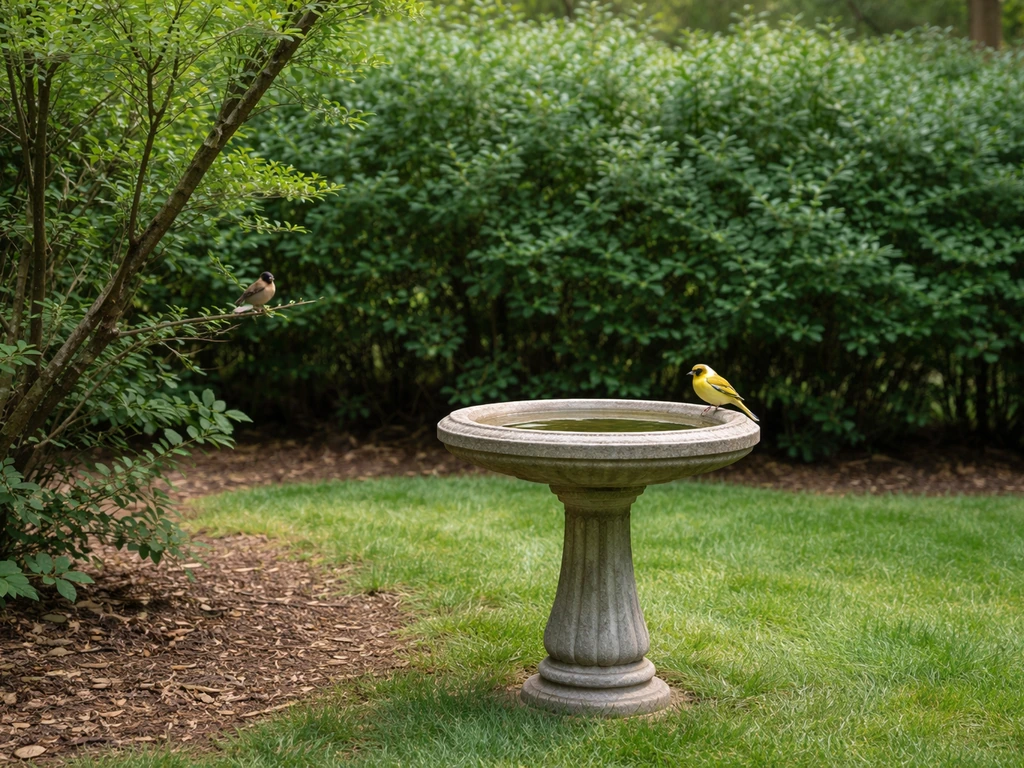
Place the bath within about 10 feet of shrubs or a tree so birds have somewhere to land first, preen, and escape to if a cat or hawk shows up. But don't go closer than 3 feet from dense cover or you're creating a hiding spot for predators. That middle ground, open enough to see danger coming but close enough to bolt to safety, is the sweet spot.
Height, sunlight, and wind
Pedestal baths at about 2 to 3 feet off the ground work well for most songbirds. Ground-level baths attract a wider variety of species (robins and doves especially love them) but need more predator caution. Avoid placing the bath in full sun all day: afternoon shade helps keep water cooler and reduces evaporation in summer, which also means less frequent refilling. On the flip side, heavy shade encourages algae growth faster. A spot with morning sun and afternoon shade is usually ideal. Also keep it out of strong wind corridors, since a bath that splashes constantly or loses water quickly will be less appealing.
Visibility from above
Birds often spot water from the air, so the bath needs to be visible. An open overhead canopy lets birds see the water glinting from above. If you have a thick tree canopy directly over the bath, birds flying over may never notice it. Moving water, even a gentle drip, creates ripple and sound that dramatically increases visibility and detection range.
Bath design: depth, texture, and entry points
This is where a lot of commercial bird baths fail out of the box. Many are too deep, too slippery, or lack a gradual entry that lets birds test the water safely.
Depth is the most common design mistake
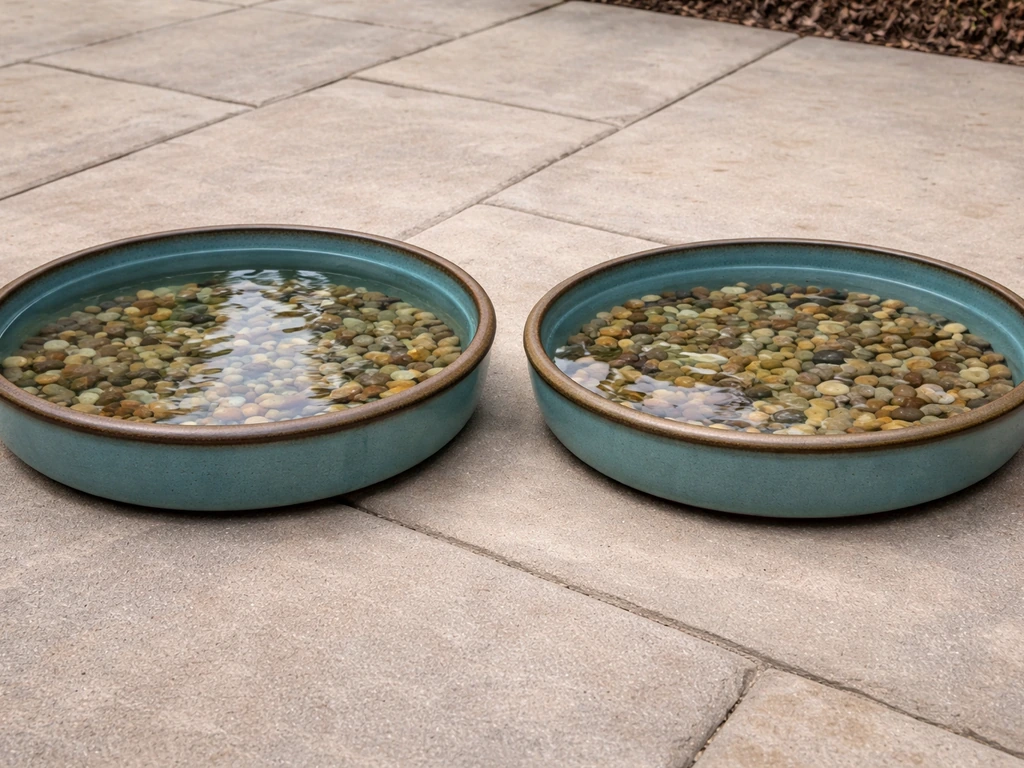
Audubon recommends keeping water at 1 to 1.5 inches deep, with a maximum of about 2 inches at the center. The Oklahoma Department of Wildlife Conservation notes that birds get skittish around water deeper than 2 inches. Most birds want to walk in gradually, so a basin that slopes from a dry edge down to 1 or 2 inches in the middle works perfectly. If your bath is deeper than that, just don't fill it all the way, or add flat stones to raise the effective floor.
Footing, texture, and safe entry
Smooth glazed ceramic and slippery plastic are genuinely hard for birds to grip. A bird that slips trying to get a drink won't come back. Add a few large flat pebbles or a flat stone to any bath that lacks texture. This gives birds something to stand on while they drink and provides a graduated entry for bathing. Rough concrete, textured resin, and natural stone basins tend to work well without any modification.
Moving water and recirculation
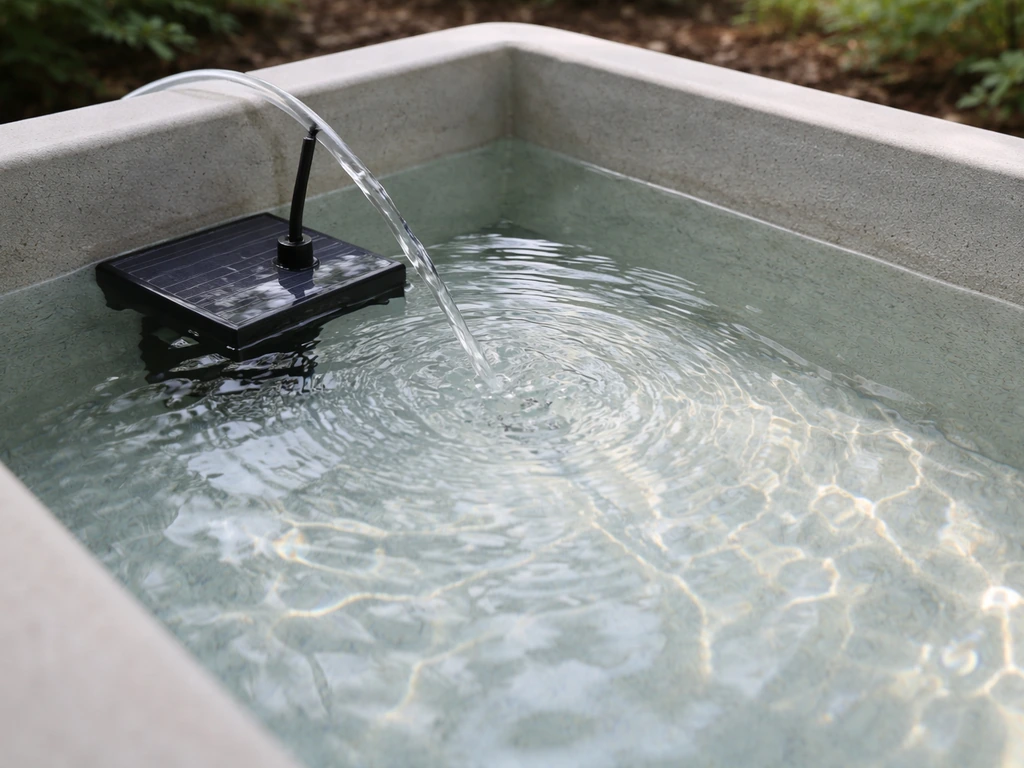
Still water works, but moving water works better. Even something as simple as a slow drip from a hanging bottle or a small solar-powered fountain pump will create surface movement that birds can hear and see from surprisingly far away. It also keeps water fresher longer. If you're troubleshooting a bath that's been ignored for weeks, adding movement is one of the fastest fixes you can make.
Heated baths in winter
In climates where water freezes, a standard bath sitting outside in January is basically useless. A plug-in birdbath heater or a purpose-built heated bath keeps water liquid when everything else is frozen, which can make your yard the only reliable water source for miles. This is when you'll see the most dramatic spike in bird activity.
Water quality and freshness
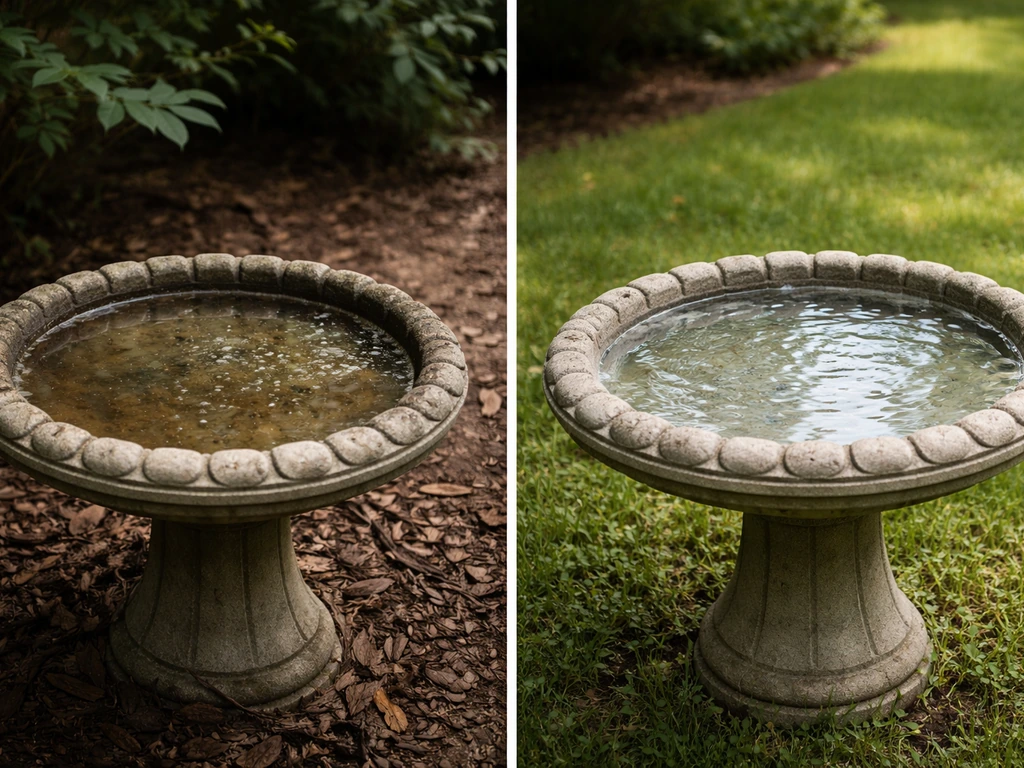
Birds have a strong instinct to avoid contaminated water. If you’re also seeing something swimming in your bird bath, it can signal an issue with water quality or algae that needs attention what is swimming in my bird bath. Bees also rely on clean, fresh water sources, and they may visit a bird bath if it isn't stagnant or dirty contaminated water. Stagnant, smelly, or visibly dirty water will be skipped, even by birds that are thirsty. Keeping the water clean is genuinely non-negotiable.
How often to clean and refill
The RSPB recommends rinsing the bath daily to remove droppings, algae, dead leaves, and debris, then refilling with fresh water. In hot weather, every other day is a reasonable minimum. You don't need to do a full scrub every day, but a quick dump-and-rinse goes a long way. For a proper deep clean, scrub the basin with a stiff brush. The National Wildlife Health Center recommends a 9:1 water-to-bleach solution as a safe disinfecting wash, but rinse it extremely thoroughly before refilling. Any chemical residue left behind can harm birds.
Algae and what to do about it
If you see green slime forming, scrub it off immediately. Algae isn't just unappealing to look at, it signals to birds that the water has been sitting too long. All About Birds recommends scrubbing as soon as algae starts to grow, not waiting until it becomes a thick mat. Partial shade and regular water changes are your best long-term prevention. Avoid adding copper pennies, bleach tablets, or essential oils directly to the bath water as ongoing treatments. These can harm birds or leave residues that make water taste wrong even when it looks fine.
Moving water as a quality signal
Birds associate moving water with freshness. A still, silent bath registers as a potential risk. Adding an aerator or a gentle fountain doesn't just attract birds visually, it also slows algae growth and keeps water oxygenated, which genuinely makes it better quality. If you've been ignoring this, it's worth trying. Many people see results within a day or two of adding even a small solar dripper.
Attracting the right birds: species, habitat, and competition
Not every bird will visit every bath, and understanding which species you're trying to attract can help you set up the right environment.
Nearby food and habitat matter
Birds are much more likely to use a bath if there's a reason to be in your yard already. A feeder within 20 to 30 feet of the bath gives birds a reason to visit, and once they're comfortable at the feeder, they'll discover the water. Dense shrubs and native plantings nearby give birds cover and attract insects, which in turn attracts insect-eating species that might never touch a seed feeder but will happily use a clean, shallow bath. Bees are often drawn to bird baths because they need water for cooling and hydration, especially in warm weather.
Species preferences
Robins, starlings, and sparrows tend to be the first and most enthusiastic bath users in most North American yards. Robins especially love a shallow ground-level bath. Hummingbirds rarely land in a traditional bath but are attracted to the mist from a dripper or mister attachment. Crows and jays prefer larger, deeper basins (closer to that 2-inch maximum) and will often dip food in the water. If you want a wider variety of visitors, offering two different bath styles at different heights can help.
Competition and aggressive birds
Larger or aggressive species like starlings and house sparrows can monopolize a bath and discourage smaller birds. If you notice one dominant species constantly present, consider adding a second, smaller bath in a different location. Smaller birds often feel safer using a bath that's slightly more sheltered, while the dominant species occupies the main one. You may also notice bees visiting the bath, which can deter some birds. Bees can become a bigger problem when the bath is left overly sweet-smelling or surrounded by flowering plants, so remove attractants and reduce access bees visiting the bath. That's a separate issue worth addressing if it becomes a problem.
Seasonal and weather considerations
Bird bath activity isn't constant year-round, and the conditions that make a bath attractive shift with the seasons.
Summer heat
In peak summer, water evaporates fast and can get uncomfortably warm in full sun. Hot water doesn't attract birds the way cool, fresh water does. Check the bath at least once a day and top it off. If the basin is sitting in direct afternoon sun, the water temperature can spike enough that birds won't bother. Moving the bath to a shadier afternoon spot, or adding ice cubes to the water during heat waves, can help.
Winter and freezing
Winter is actually when birds need water most urgently and when most people forget to maintain their bath. If your bath freezes overnight, it's essentially invisible to birds by morning. A submersible birdbath heater (typically 50 to 150 watts) keeps water liquid through most winter nights. If you don't want to go electric, plan to pour warm water into the bath first thing in the morning. Avoid adding antifreeze or salt, both are toxic to birds.
Rain and wind
Heavy rain can dirty a bath quickly with leaves, debris, and runoff. After a storm, do a quick rinse and refill. Wind can splash water out of shallow basins faster than you'd expect, and a half-empty bath looks less inviting. If you're in a consistently windy spot, a slightly deeper or heavier basin (concrete rather than lightweight plastic) will stay fuller longer.
Fix it today: a troubleshooting checklist
Work through this list in order. When you adjust safety factors like placement, footing, and water depth, you can also apply the same careful approach described in how to make bird bath safe for bees. Most bird bath problems are solved by the first three items.
- Check the water depth right now. If it's deeper than 2 inches anywhere birds would stand, don't fill it all the way or drop in a few flat stones to raise the floor to 1 to 1.5 inches.
- Dump and refill with fresh water if it's been sitting more than 2 days, or if there's any visible algae, debris, or discoloration.
- Scrub if there's algae or a slick film on the basin. Use a stiff brush, rinse with a 9:1 water-to-bleach solution, then rinse thoroughly with clean water before refilling.
- Check the footing. If the basin surface is slippery, add a few large pebbles or a flat rough stone so birds can grip while standing.
- Evaluate placement. Is it within 10 feet of a shrub or tree but not right against dense cover? Can you see open sky overhead? Is it visible from at least one direction of approach? Move it if needed.
- Add movement. Even a dripping water bottle hung above the bath creates enough ripple and sound to dramatically increase bird detection. A small solar fountain pump works even better.
- Set up a nearby feeder if you don't already have one. Birds that visit feeders discover baths much faster than birds that have no other reason to be in your yard.
- Check for seasonal issues. If it's hot, is the water warm to the touch? Add fresh cool water or move the bath to afternoon shade. If it's cold, is the water frozen or near freezing? Add a heater or pour warm water in the morning.
- Wait and watch from indoors. Some birds won't approach while they can see you near the bath. Give it a few hours of undisturbed time after making changes.
Most people who work through this list see their first visitors within a day or two. If you've genuinely checked everything and still have no activity after two weeks, consider whether there's a local predator (a neighborhood cat that camps nearby, for example) making birds too nervous to approach, or whether your yard simply lacks the nearby cover and habitat that makes birds feel safe enough to settle in and bathe.
FAQ
How do I know if my bird bath is too deep without measuring the whole thing?
Use a quick “walk-in test” by filling only to the level where birds could step onto the basin edge. If the waterline reaches deeper than about 2 inches at the center, refill to a shallower level, or add flat stones to raise the effective floor and create a gradual entry.
What if birds drink but never bathe in my bath?
Drinking alone usually means the bath is visible and accessible, but bathing may feel unsafe or uncomfortable. Add texture for grip (flat stones if the surface is smooth), make sure there is a gradual slope from the dry edge, and increase cues for freshness by adding a slow drip or gentle fountain movement.
Can I use regular pond water or leftover water from cleaning to speed things up?
Avoid it. Birds are picky about water freshness, and leftover or repurposed water can carry residue, algae spores, or odors that discourage visits. After cleaning, refill with fresh water and keep a consistent schedule for quick rinses.
Is it okay to add soap, vinegar, or plant-based cleaners to remove algae?
No. Any cleaner left behind can affect taste and smell, and some residues can be harmful. For algae, scrub with a stiff brush and then rinse thoroughly, and if you disinfect with bleach, use a properly diluted mix and rinse extremely well before refilling.
Why are bees showing up, and will they stop birds from using the bath?
Bees are often attracted by stagnant water, strong odors, or nearby flowering plants. If you see bees frequently and birds avoid the area, reduce attractants by removing nearby sweet-smelling sources and keep the water fresh with more frequent dump-and-rinse so it is less appealing to bees.
Do I need to clean my bird bath daily even if it looks clear?
Not a full scrub daily, but you should do a quick daily check. Remove droppings, dead leaves, and debris, then top off or replace water as needed. Clear water can still contain contaminants or start holding algae quickly, especially in warm or partially shaded spots.
My bath has algae or green slime, but I scrub it and it returns fast. What’s the best fix?
Treat the cause, not just the symptom. Increase water changes, move the bath toward partial shade with afternoon shade rather than heavy shade, and consider adding gentle aeration or dripping to slow algae growth. If algae starts quickly, increase how often you dump and refill, even before it becomes thick.
How often should I move or relocate the bird bath if it still isn’t getting visitors?
If you have zero activity after about a week or two, adjust one major factor at a time and give it a few more days. Common high-impact moves are improving visibility (not hidden under thick canopy) and creating safer approach paths (within about 10 feet of shrubs or a tree, with open sightlines and a quick escape route).
Birds won’t land on the rim or footing, only look at it. What should I change?
Improve grip and footing. Smooth ceramic or plastic often feels too slippery, so add a few large flat pebbles or stones to create stable steps into the shallow water. Also make sure the entry is gradual, not a sudden drop from the rim.
Should I leave the bird bath out year-round, or bring it in during freezing weather?
If you can’t keep it liquid in winter, you will usually see fewer visits. Use a birdbath heater designed for outdoor use, or pour warm water early in the morning (and still plan for overnight freezing). Avoid antifreeze or salt, since they can be toxic to birds.
What if I change everything but a dominant bird keeps chasing others away?
Add a second bath rather than trying to chase the dominant bird off. Place the backup bath in a different location, slightly more sheltered if possible, so smaller birds have an alternative option when larger or aggressive species monopolize the original.
Is moving water always better, or can it scare birds away?
For most yards, gentle movement helps because it signals freshness and increases detection. Use a light drip or low-flow fountain, avoid strong splashing, and ensure the water depth and footing are still bird-friendly. Birds usually adjust quickly, especially if the bath is shallow and safe to approach.
What should I do if there are still no visitors after two weeks even though the bath seems perfect?
Check for predators and habitat gaps. If cats are regularly present or squirrels keep a watch from nearby spots, birds may avoid the area even with ideal water. Also consider adding nearby cover and a feeder within about 20 to 30 feet so birds have a reason to linger and later discover the bath.