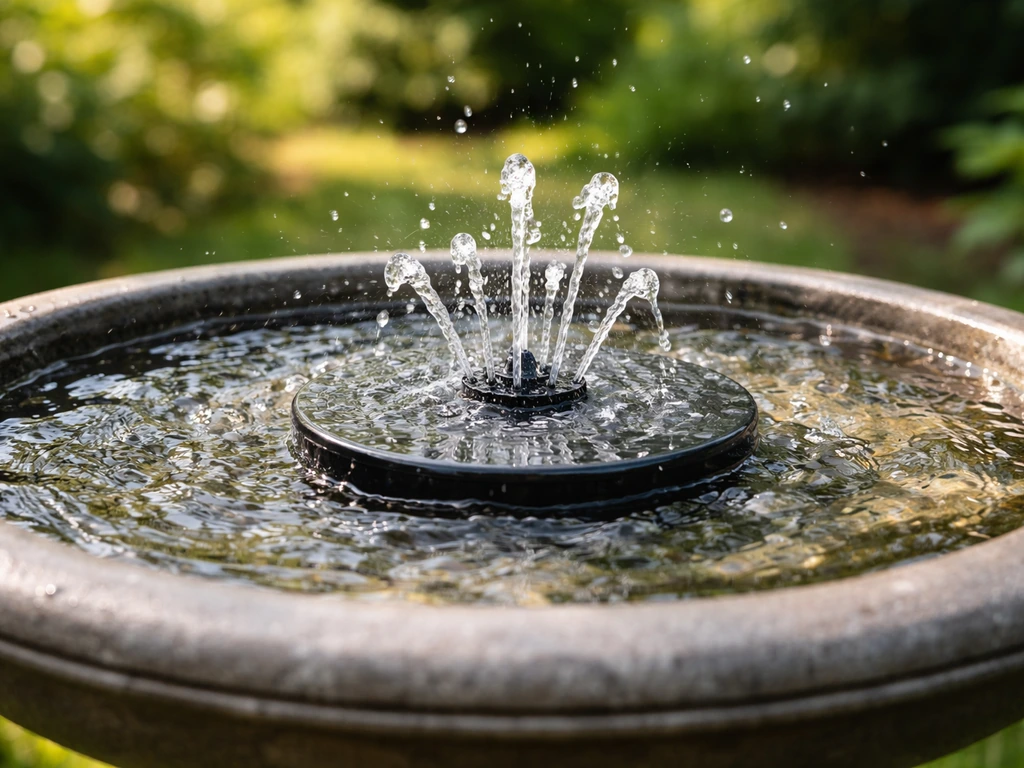
If you want the easiest, lowest-maintenance way to give birds water, a simple bird bath wins. If you want to attract more species, cut down on mosquito risk, and enjoy some movement and sound in your yard, a fountain-style bird bath is worth the extra setup. Most backyard birders end up somewhere in the middle: a pedestal or ground bath with a small drip attachment or submersible bubbler that adds just enough movement without flooding the bowl or draining your patience.
Bird Bath vs Fountain: Which Attracts More Backyard Birds?

Marcus Henley
11 Jul 2026
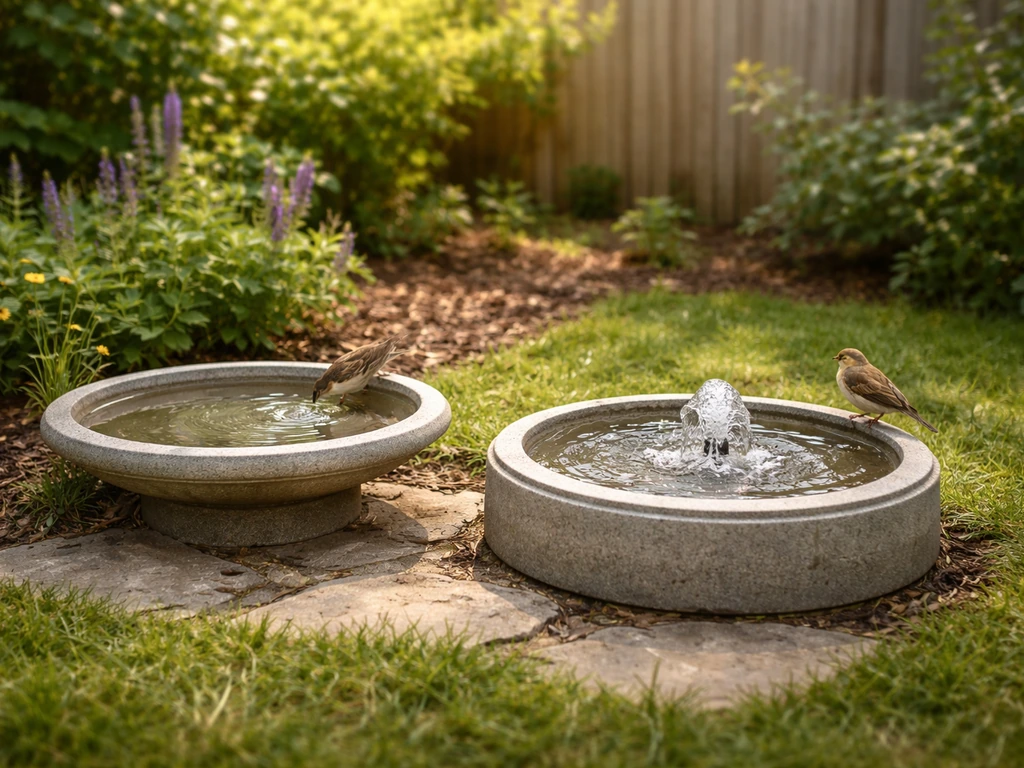
Quick comparison: bird bath vs fountain pros and cons
| Feature | Standard Bird Bath | Fountain Bird Bath |
|---|---|---|
| Setup complexity | Drop it, fill it, done | Requires pump, power source, and leveling |
| Cost range | $20–$150 for most models | $40–$400+ for powered fountain setups |
| Power needs | None | Electric plug or solar panel |
| Mosquito risk | Higher—still water breeds larvae in days | Lower—moving water disrupts egg-laying |
| Bird attraction | Good for regular visitors | Better for drawing in new and passing species |
| Noise/sound | Silent | Gentle splash or trickle (varies by pump) |
| Evaporation rate | Moderate | Higher—spray and splash lose water fast |
| Maintenance | Clean every 1–3 days in warm weather | Clean basin weekly; inspect pump regularly |
| Winter use | Needs heater or daily hot water in freezing temps | Pump must be removed/stored before hard freeze |
| Durability risk | Very low for concrete/ceramic bowls | Pump wear, freeze cracking in fountain basins |
The biggest practical difference comes down to mosquitoes and effort. Standing water in a bath can produce mosquito larvae within 48–72 hours, and the CDC recommends emptying and scrubbing birdbaths at least once a week to prevent breeding. A fountain's constant circulation disrupts that cycle. But a fountain also adds a pump to your maintenance list, and pumps fail, clog, and need winterizing. Neither option is purely easier, they just trade different kinds of work.
Best setup for your yard size, schedule, and climate
Small yards and balconies
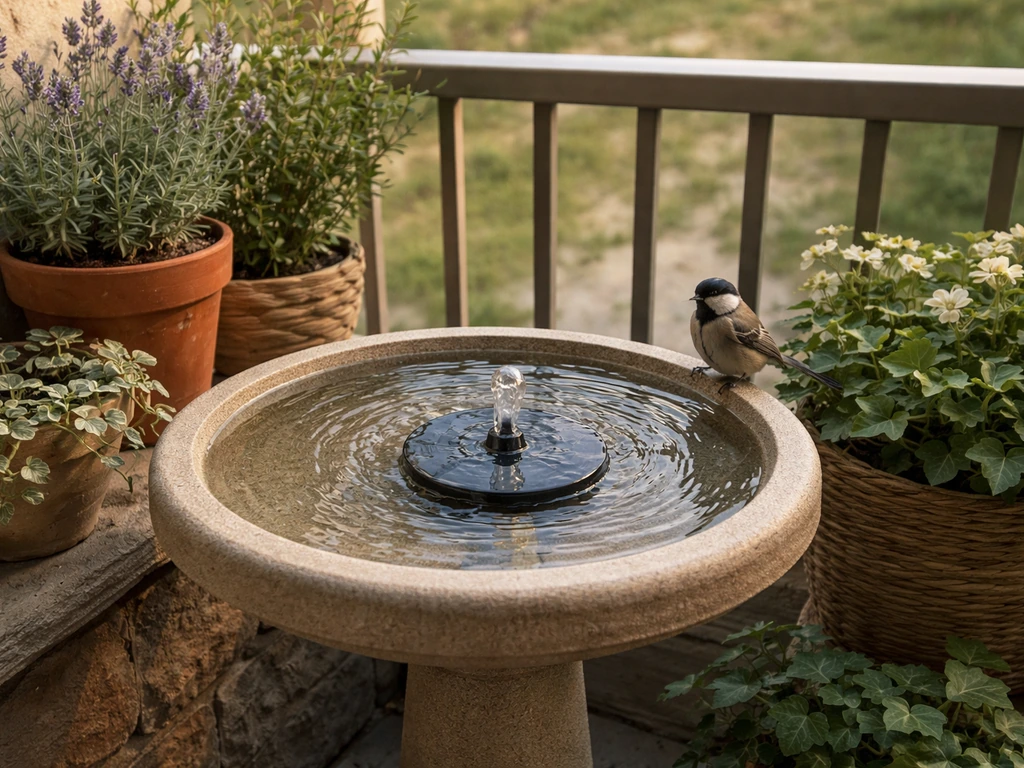
A shallow pedestal bath or a compact ground-level dish works well in tight spaces. You don't need a lot of splashing room, and a small solar-powered bubbler attachment can sit right in the bowl without taking over the space. A bird bath top from a retailer like Lowes can also help you create the same small, space-friendly drip or bubbler effect without replacing the whole bath. If you're in a small yard with cats nearby, go elevated, pedestal baths at 24–36 inches off the ground make it harder for cats to ambush birds while they're distracted bathing.
Busy households with limited maintenance time
Counterintuitively, a fountain can save you time on water changes. Still water in a standard bath needs refreshing every one to three days in warm weather, or every one to two days if algae is already a problem. A circulating fountain slows that clock a bit, though you still need weekly cleaning. If you genuinely can't commit to frequent water changes, a small pump with a filter is a better fit than a plain bath you'll neglect, stagnant, warm water is a real mosquito and disease risk.
Cold climates and freezing winters
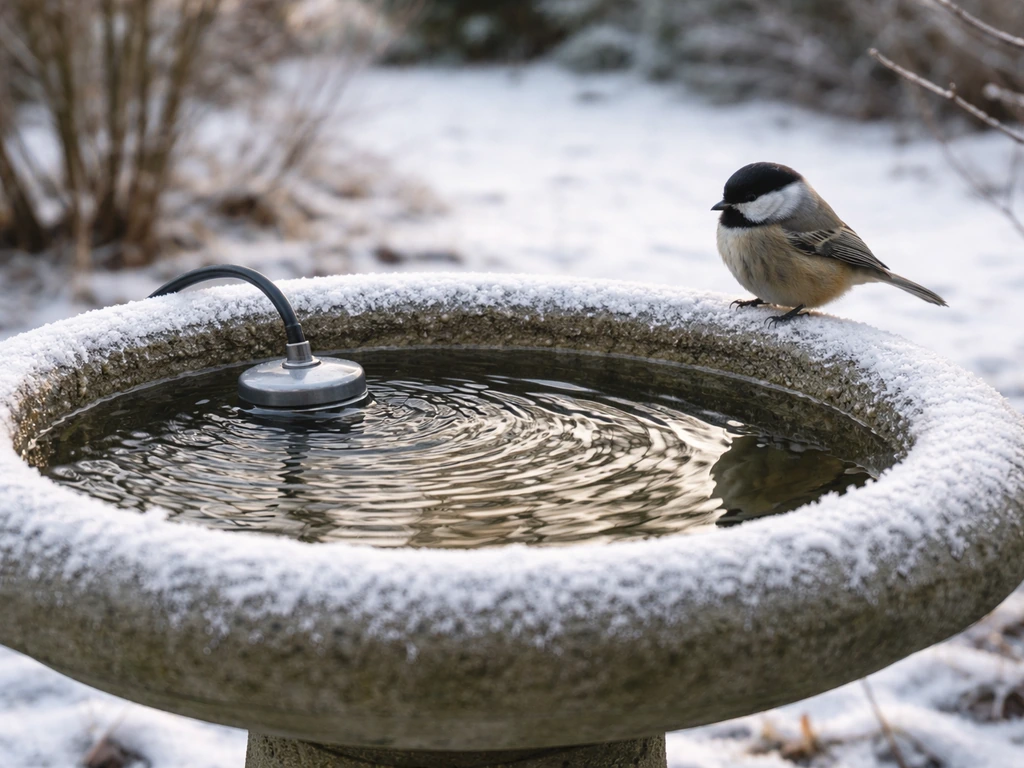
This is where the two options split the hardest. A standard bird bath with a submersible electric heater (designed specifically for this use, with auto-shutoff) is the simplest way to keep water open all winter. Audubon and Farmers' Almanac both recommend purpose-built birdbath heaters for this. If you prefer a heated setup, consider a bird bath top only option that fits on your existing bath rather than replacing the whole bowl bird bath heater. A fountain, on the other hand, needs its pump pulled and stored before your first hard freeze, water trapped in pump housing and tubing will crack it. You can also go the no-power winter route: set out a shallow plastic bowl daily and bring it in before it freezes, swapping in warm water to extend the window. Never add antifreeze, it's toxic to birds and any other animal that drinks from the bath.
Hot, dry climates
Evaporation is your main enemy. Fountains lose water faster than still baths because spray and splash throw water outside the bowl. In desert or high-heat regions, a wider, deeper bowl (still no deeper than 2 inches in the center) with shade from a nearby tree or structure will hold water longer and stay cooler. Adding a solar bubbler or aerator is still worth it for mosquito control and bird attraction, but keep an eye on water level, solar pumps will burn out or shut down when the bowl runs dry, which is one of the most common complaints from fountain users.
Placement and setup that actually works
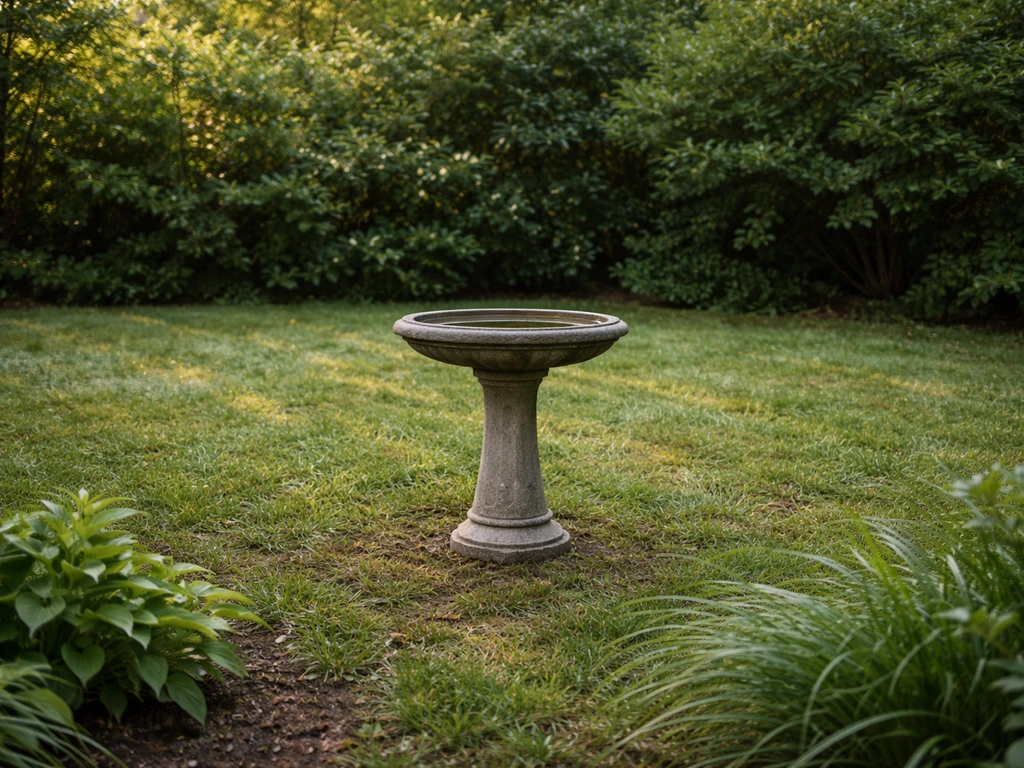
Where you put a bird bath matters as much as what type you pick. A bird bath on top of a tree stump is a great option if you want a stable, natural-looking spot with easy access for visitors. Penn State Extension recommends keeping it blank" rel="noopener noreferrer">10 to 15 feet from the nearest dense shrubs or cover, close enough that birds can escape to safety quickly, but far enough that a cat can't hide in the bushes and lunge. Open ground between the bath and thick cover gives birds the sight lines they need to spot a threat. At the same time, completely open placement in the middle of a lawn with no nearby trees or shrubs is too exposed, and birds won't feel safe using it.
- Place the bath 10–15 feet from dense shrubs so birds can see approaching predators but still escape quickly
- Put it near a tree branch or loose shrub at medium height, not directly under a feeder (droppings foul the water fast)
- Pedestal baths work well at 24–36 inches; ground baths work if cats aren't a serious problem in your yard
- Keep it in partial shade to slow evaporation and algae growth—full sun speeds both
- Level the basin so water depth stays consistent across the bowl and doesn't pool to one side
- Water depth should be no more than 1 inch at the edges, sloping to a maximum of 2 inches in the center
- Add a flat stone or two in deeper baths so smaller birds have a firm landing platform
For fountains specifically, make sure the pump intake is always submerged. Fountains that spray water past the edge of the bowl drain quickly and leave the pump running dry, which kills it fast. If your fountain spray pattern is throwing water outside the basin, dial back the flow rate or switch to a smaller nozzle head, most submersible pumps have an adjustable valve on the side. If you're tuning the spray for a gentle, bird-friendly pattern, you can also look at a bird bath fountain top option designed to control flow and keep water in the basin.
How water movement affects which birds show up
Moving water is a genuine attractor for birds, especially migrants and species that don't visit feeders. The sound of dripping or splashing carries farther than you'd think, and birds are wired to seek it out. Adding even a slow drip from an overhanging bottle, the classic DIY trick, or a simple aerator can dramatically increase the variety of birds using your bath. You don't need a full fountain to get that effect.
That said, some birds are put off by strong spray or loud bubbling. Robins, thrushes, and many warblers prefer calm, shallow water for bathing. A fountain with a gentle mist or low-flow bubbler tends to attract the widest range of species. High-arc spray fountains look impressive but can actually reduce bird use if the spray is forceful or the noise is too intense. Reddit birding communities consistently report that tuning down the flow rate makes fountains more bird-friendly, not less.
- Migratory warblers, thrushes, and vireos: drawn to gentle dripping or moving water sounds
- Robins and sparrows: prefer calm, shallow baths; will use fountains if the flow is low
- Hummingbirds: love fine mist sprayers or drip attachments; don't typically bathe in deep open water
- Crows and jays: confident users of almost any style, including deeper basins
- Ground-feeding birds like doves and juncos: do well with ground-level baths in open but protected spots
A plain still bath absolutely works, especially if you're already getting regular visitors. The question is whether you want to expand the range of birds you see. If your yard is already well-stocked with feeders and shelter, adding a drip device or bubbler to an existing bath is usually the lowest-effort, highest-reward upgrade you can make. If you are deciding what to buy, these bird bath top ideas can help you pick the best style for your yard and maintenance level.
Maintenance differences that matter in real life
Cleaning schedule
For a standard bird bath, plan on dumping and refilling every one to two days in summer, and at minimum every three days year-round. The USGS also advises emptying and cleaning birdbaths at least once a week, since stagnant water can help mosquitoes breed and increase West Nile virus risk weekly cleaning. Algae and bacteria build up fast in warm, still water. When you see green slime, scrub the basin with a diluted white vinegar solution (about 1 part vinegar to 9 parts water), rinse thoroughly, and refill. Avoid soap or bleach residue, which can harm birds. For a fountain, clean the basin on the same schedule, but also pull the pump every one to two weeks to rinse the filter foam or impeller screen, algae and debris clog these and slow or stop water flow.
Splash control and refilling
Fountains can lose a surprising amount of water to splash, especially with a high arc or windy conditions. Check the water level daily if you're running a pump, most small submersible pumps draw 3 to 40 watts depending on the model, and running dry even briefly can burn out the motor. Solar pumps add a layer of complexity: they often have low-water detection and will shut down automatically, but they also depend on direct sun and will cycle on and off throughout the day. A shaded solar pump is a non-functional pump.
Winterizing your fountain
Before your first hard freeze, remove the pump, clean it, and store it indoors. Drain the basin completely. For concrete or ceramic fountain basins left outside, any water remaining in the shell will expand when it freezes and crack the material, this is the most common way ornamental fountains get destroyed over winter. Oregon State University's guidance on garden statuary specifically warns against leaving water to collect and freeze in outdoor concrete pieces. If you have a plastic or resin fountain basin, it's more freeze-tolerant, but it's still worth draining it. For a heated birdbath in winter, use only heaters rated for outdoor birdbath use, follow the manufacturer's instructions, and keep the cord away from water pooling.
Cost, power needs, and what to avoid spending money on
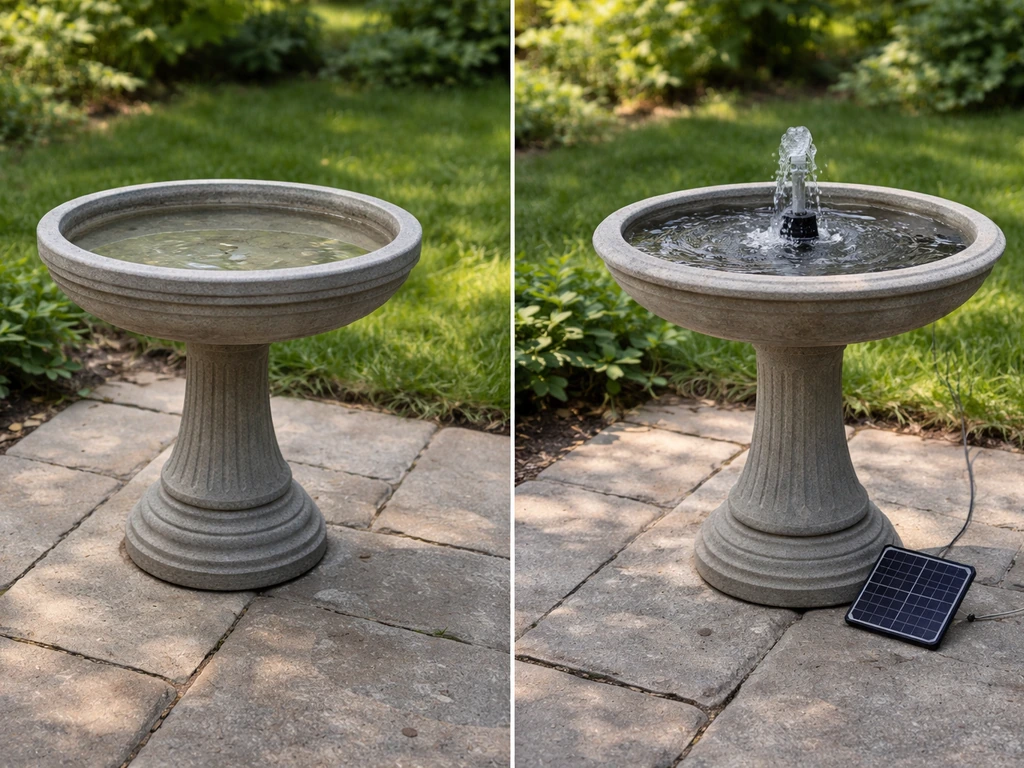
A basic concrete or resin pedestal bird bath runs $20 to $80 at most garden centers. A decent fountain-style bird bath with a built-in submersible pump starts around $40 and can run to $400 or more for larger decorative models. Small submersible pumps for retrofitting an existing bath typically cost $15 to $50 and draw 5 to 20 watts, making electricity costs negligible for most people. A heated birdbath rated at 50 watts running continuously through a cold night will cost roughly a few cents per hour depending on your utility rate, not a budget-breaker, but worth knowing.
Solar-powered pumps are appealing because there's no cord to run, but they have real limitations: they only run in direct sunlight, they stop at night, and they stop when cloudy. If mosquito control is your main reason for wanting movement, a solar pump won't give you continuous circulation. A plug-in submersible pump is more reliable for that purpose. If you go solar, look for a model with a battery backup that keeps the pump running for a few hours after the sun goes down.
The things worth skipping: elaborate multi-tier fountain setups where the water splashes outside the basin (birds won't use them well), anything that requires custom plumbing beyond a standard outdoor outlet, and anything made of thin stamped metal that will rust out in one season. The sweet spot for most backyard birders is a simple, durable basin, a quality submersible pump if you want movement, and a dedicated birdbath heater for winter use in cold climates.
Your next-step checklist
- Choose your base: standard bath (pedestal, ground, or hanging) for simplicity; fountain-style or pump-added bath for more bird variety and lower mosquito risk
- Pick your power setup: no-power bath with manual daily changes, solar bubbler for low-maintenance movement, or plug-in pump for reliable continuous circulation
- Set placement at 10–15 feet from dense cover, in partial shade, at 24–36 inches height for predator protection (or ground level if cats aren't present)
- Fill to the right depth: 1 inch at the edges, no more than 2 inches at center; add flat stones for smaller birds
- Start a cleaning routine: refill every 1–2 days in warm weather, scrub with diluted vinegar weekly, rinse the pump filter every 1–2 weeks if using one
- Plan for winter: buy a purpose-built birdbath heater for cold climates, remove and store pump before first hard freeze, drain fountain basins completely
- Tune for birds: if birds aren't using your fountain, reduce flow rate; if they're avoiding your bath area entirely, check for nearby cat cover and adjust placement
Whether you start with a plain ceramic bowl or a solar fountain, the most important thing is keeping water clean and accessible. Birds will find it, use it, and come back, especially if you add even a small amount of movement. A bird bath best practice is to keep water clean, refreshed on schedule, and sized appropriately for the birds you want to attract. Start simple, see what birds use it, and upgrade from there.
FAQ
How often do I really need to change the water in a bird bath vs a fountain if birds are using it heavily?
Heavy use usually means more droppings and debris, so even with a fountain you may need to top off or do a quick dump-and-refill more often than the general schedule. A practical rule is to check daily, if the water looks cloudy or smells, or birds are avoiding it, refresh immediately rather than waiting for the next “standard” interval.
Can I use a bird bath fountain year-round, or do I need different setups for winter?
If you have a pump, you generally should plan a winter swap. Before the first hard freeze, pull the pump and drain trapped water from the pump housing and tubing, for concrete or ceramic basins leave no water behind to prevent cracking. A simple heated still-bath heater is usually the most reliable winter approach because there’s no pump to winterize.
What’s the safest way to prevent mosquitoes if I travel or can’t keep up with cleaning?
Choose a system that doesn’t rely on you remembering weekly scrubbing. A fountain with continuous circulation helps reduce mosquito larvae buildup, and adding a filter can help keep water clearer longer. If you can’t commit, consider using a smaller basin with a pump plus a tighter maintenance plan, because neglecting warm stagnant water is the highest risk regardless of bath type.
Do bird fountains attract the same birds as still baths, or do some birds avoid fountains?
Some species prefer calm water, if you see fewer “shy bathers” like thrushes or warblers after turning on a fountain, reduce flow rate or switch to a gentler bubbler/misting pattern. Strong spray and loud bubbling can discourage bathing even though the water movement attracts other birds, tuning matters more than having a fountain on at all.
Why does my fountain keep running but birds stop using the bath?
Two common causes are spray that’s splashing outside the bowl (pump runs low and water quality declines) and water temperature, if the basin becomes too hot or too foamy, birds may avoid it. Also check for partial clogging, if the pump intake isn’t fully submerged or the filter is dirty, the flow can look “working” but actually be uneven or too vigorous.
Is it better to buy a full fountain, or retrofit a bird bath with a bubbler or drip?
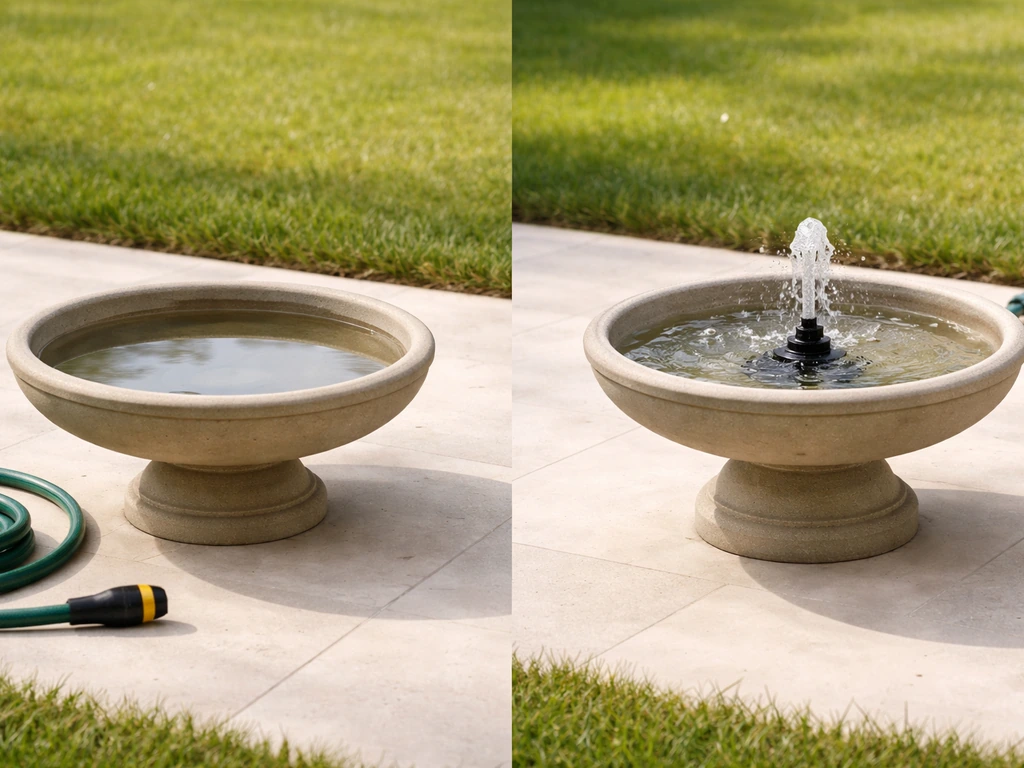
Retrofits are often the best value when you already have a stable basin. A bird bath top bubbler or a small drip attachment can create movement without the cost and winterization hassle of a decorative fountain kit. You also keep the height and placement you already know works for your yard.
How deep should a bird bath water surface be if I want birds to bathe comfortably?
For most backyard bathing, aim for a shallow central depth, about up to 2 inches at the deepest point. Too deep water can make smaller birds uncomfortable, and too much splash can throw water out of the basin, which defeats both mosquito control and pump safety.
Can I add soap, bleach, or vinegar to clean a fountain or still bath?
You can use diluted vinegar for algae scrubbing, but avoid leaving any soap or bleach residue behind, it can irritate birds and contaminate the basin. Rinse thoroughly until there’s no vinegar smell and refill with fresh water, if you notice persistent odor or residue, extend rinsing time.
What if my solar fountain stops frequently, is that normal?
Yes, solar pumps commonly cycle off at night or when clouds reduce sunlight, and many shut down when the bowl water level drops. If the pump is under direct sun but still shuts down quickly, water may be evaporating faster than expected due to wind or splash, try a wider, deeper basin and increase shading to slow evaporation.
How do I winterize different fountain materials safely?
Concrete and ceramic basins are most vulnerable because trapped water expands when it freezes, drain completely and remove the pump before hard freeze. Plastic or resin is more freeze-tolerant, but you should still drain and store the pump indoors to prevent cracks and prevent motor or tubing damage.
Where should I place the bath or fountain relative to shrubs and cat traffic?
Keep it near enough to dense cover that birds can flee quickly, while maintaining open lines of sight so they can spot danger early. If cats are a concern, elevated pedestal baths in the roughly 24 to 36 inch range can reduce ambush risk compared with low ground dishes.
What should I look for when buying a pump for a fountain top or retrofit?
Prioritize a pump with an adjustable output if you want to tune spray, plus reliable submersion performance so the intake stays under water. Also consider ease of filter cleaning, impeller screens that are simple to remove will make biweekly maintenance realistic instead of optional.
Next Article
Bird Bath Fountain Top Guide: Choose, Install, and Maintain
Pick, fit, install, and maintain a bird bath fountain top for moving water, better bird visits, and fewer algae or mosqu