
At Lowe's, a replacement 'bird bath top' is sold under the category 'Birdbath Bowls,' and that's exactly what you're looking for: a standalone basin or bowl that sits on top of your existing pedestal. You don't need to buy a whole new bird bath. You just need to measure your current setup, pick the right material and size from Lowe's bowl-only options, and drop it in place. Here's how to do all of that without wasting a trip to the store or ending up with a bowl that wobbles, leaks, or breeds mosquitoes. For more bird bath top ideas, look for basin and bowl styles that match your pedestal size and the materials that suit your climate.
Bird Bath Top Lowe’s: Size, Fit, Install and Fix Guide

Marcus Henley
19 May 2026
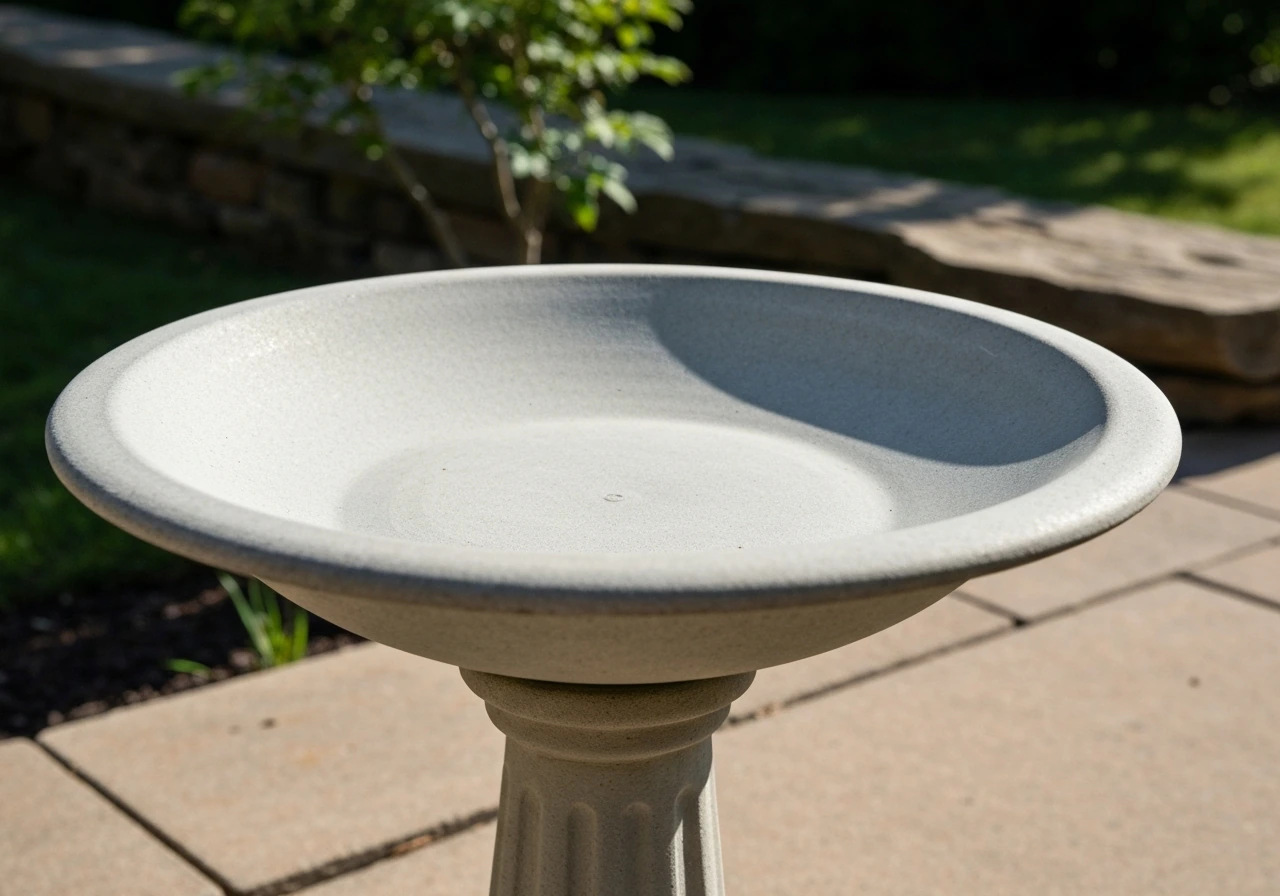
What 'bird bath top' actually means (and what to look for at Lowe's)
The term 'bird bath top' gets used in a few different ways, and it matters which one applies to your situation before you start shopping. Most of the time, people searching this phrase need one of three things: a replacement basin (the bowl itself, which sits on top of the pedestal), a basin insert (a liner that drops into a damaged or porous basin), or a lid or cover (used to block debris or mosquitoes when the bath isn't in use). The most common need by far is a replacement basin, and that's exactly what Lowe's 'Birdbath Bowls' category covers.
A quick note on what NOT to buy: Lowe's also sells complete bird baths labeled as two-piece assemblies, including a pedestal and a bowl. These listings describe the full height of the whole unit and will say something like 'complete birdbath' or 'reinforced-concrete bird bath, 2-piece assembly.' If you only need the top, skip those listings entirely. You want a product described as a 'basin,' 'bowl,' or 'birdbath bowl,' sold as a standalone piece. If you need a bird bath bowl top that matches your pedestal, start by confirming the bowl’s diameter and rim shape before you order. A good example from Lowe's own catalog is the blank" rel="noopener noreferrer">Good Directions Tranquil Birdbath Basin, a 20-inch brass metal bowl sold without any pedestal. That's the type of product you're after. If you're trying to buy a bird bath top only, make sure the listing is for a standalone basin or bowl and not a complete two-piece assembly.
Measure first so you don't make two trips
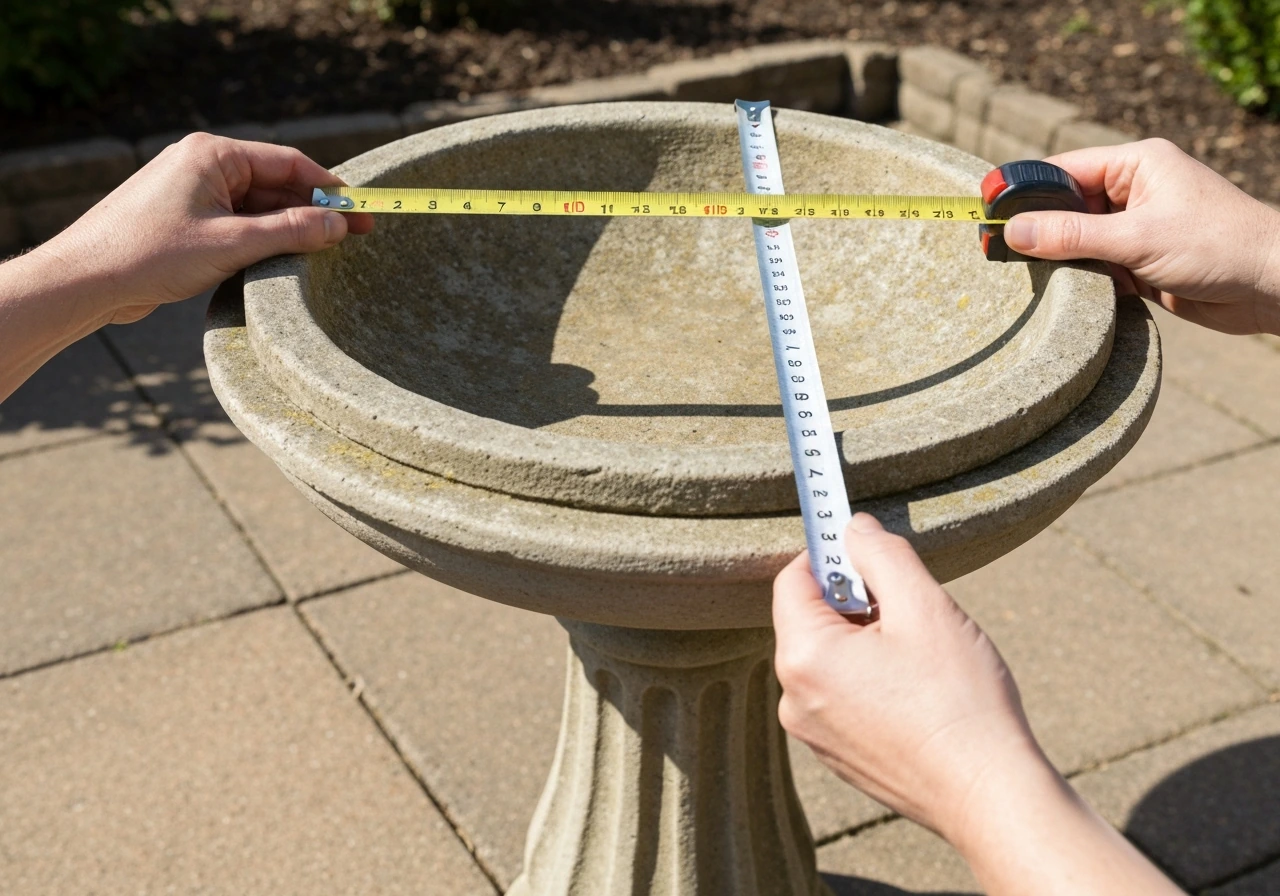
Getting the right fit comes down to four measurements. Take these before you leave the house and you'll be set.
| Measurement | What to Check | Why It Matters |
|---|---|---|
| Outer diameter | Measure across the widest point of your current bowl, rim to rim | New bowl must fit the pedestal's cradle or support ring without overhanging unsafely or being too small to sit stably |
| Depth | Measure from the rim down to the deepest point of the basin | Birds prefer 1 to 2 inches of water; deeper than 3 inches is unsafe for most songbirds |
| Rim style | Check if the rim is flat, rounded, or has a lip underneath | Pedestal tops often have a recessed cup or ring; your bowl's underside needs to match or rest flat |
| Attachment point | Check if your pedestal has a center bolt hole, adhesive pad, or just gravity-holds the bowl | Some bowls have a center hole for a bolt; others just rest in place by weight |
The most common basin sizes at Lowe's run from about 14 inches to 24 inches in diameter. The 18- to 20-inch range fits the majority of standard pedestals. If your pedestal has a cradle or cup at the top, measure the inside diameter of that cup, not the pedestal's full top width. A bowl that's an inch or two larger than the cradle will usually still work if it rests stably, but anything smaller than the cradle will rock and tip.
Choosing the right bowl at Lowe's: materials, features, and heated options
Lowe's organizes their birdbath bowls into material subcategories: ceramic, resin, glass, plastic, and metal. Each has real trade-offs depending on your climate, how much maintenance you want to do, and how long you need it to last.
| Material | Best For | Watch Out For |
|---|---|---|
| Ceramic / glazed | Looks great, easy to clean, smooth surface resists algae | Cracks in freeze-thaw cycles; heavy to move seasonally |
| Resin | Lightweight, frost-resistant, affordable | Can fade in UV over a few seasons; some flex underfoot feels cheap |
| Metal (brass, copper) | Durable, naturally antimicrobial (copper slows algae), looks premium | Can get hot in direct sun; some metals rust without coating |
| Plastic | Cheapest, lightest, easy to rinse | Scratches easily (scratches harbor bacteria); not very durable long-term |
| Glass | Beautiful mosaic styles, unique look | Fragile; not a good pick if you live somewhere with hard winters or kids/pets around |
If you're in a climate that gets below freezing regularly, the single most useful upgrade you can make is a heated bird bath bowl. Lowe's carries heated birdbath models, and some bowls are sold separately from their heating element so you can add a submersible de-icer later. A heated basin keeps water liquid down to around 0°F (-18°C) and is genuinely one of the best things you can do for winter birds. If you go this route, make sure the bowl you buy is rated for use with a de-icer or is listed as a 'heated birdbath bowl,' because some decorative bowls crack under the thermal stress.
My general recommendation: for most backyards, go with a resin or metal basin in the 18- to 20-inch diameter range. To get the bird bath best results, focus on a stable, properly sized basin, keep the water fresh, and choose the right material for your climate. Resin handles winters better than ceramic, and metal (especially copper or brass) gives you a natural algae-slowing benefit. If budget is the main concern, a basic resin bowl in the $20 to $40 range from Lowe's will do the job fine, especially if you're committed to cleaning it every few days.
How to remove the old top and install the new one
Removing the old basin
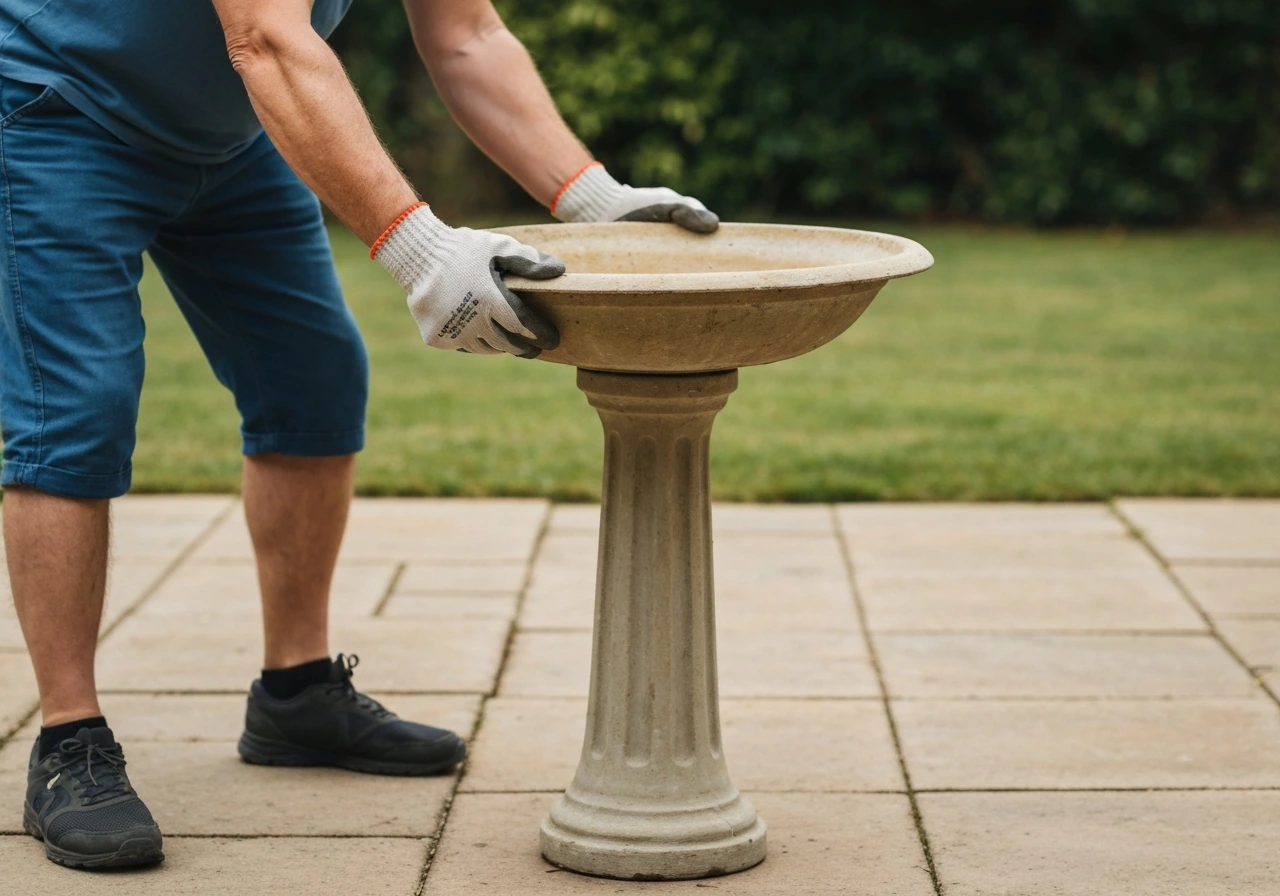
- Empty all the water out of the old basin first. Don't try to lift it full.
- If the basin is just resting on the pedestal by gravity, lift it straight up and off. Have someone spot you if it's a heavy concrete or ceramic piece.
- If there's a center bolt, look underneath the pedestal for a nut. Unscrew it, then lift the basin free.
- If it's been set with adhesive or silicone, run a plastic scraper or old credit card around the rim joint. Most silicone will release without damaging the pedestal. Avoid metal tools that can chip the pedestal top.
- Once the old basin is off, clean the pedestal top with a stiff brush and rinse it. Any old algae or mineral deposits left on the contact surface will cause the new bowl to sit unevenly.
Fitting and securing the new basin
- Set the new basin dry on the pedestal first and check for wobble. Press down on the edges all the way around. If one side lifts, the pedestal top isn't flat or the bowl's underside has a raised center point.
- Fix minor wobble with a thin bead of exterior silicone sealant (clear, waterproof) applied to the pedestal contact ring. Don't use too much; just enough to fill small gaps. Let it cure for 24 hours before adding water.
- If your pedestal has a center bolt hole and your new bowl has a matching hole, run the bolt through, add a rubber washer on both sides, and snug the nut finger-tight plus a quarter turn. Don't overtighten on ceramic or resin bowls or you'll crack them.
- For bowls without a bolt hole that just gravity-sit on the pedestal, a ring of non-toxic plumber's putty or waterproof silicone on the pedestal rim gives extra stability without permanent bonding.
- Check that the bowl is level using a small bubble level across the center. Even a slight tilt causes water to pool to one side and makes the bath less inviting.
Setting it up so birds actually use it
Once the bowl is installed and secure, fill it with fresh water and pay attention to depth. Most songbirds (sparrows, finches, robins) want water that's 1 to 2 inches deep at the center. If your new bowl is deeper than that, add a flat stone or a few smooth river rocks to the middle to create a shallow wading area. This single step dramatically increases how quickly birds will start using a new bath.
Placement matters too. If the bath is in a spot where birds can't see predators approaching, they'll avoid it. Position it in the open, at least 10 feet from dense shrubs where cats can hide, but close enough to some branch cover (15 to 20 feet from a shrub or tree) so birds have a quick escape route and a place to preen afterward. If you are setting up a bird bath on top of a tree stump, aim for a placement that stays visible to birds while keeping enough nearby cover for quick escapes bird bath on top of tree stump. Avoid full direct afternoon sun if you're in a hot climate, since it heats the water fast and encourages algae growth. Morning sun is fine.
Give the bath a day or two before expecting heavy traffic. Birds are cautious about new objects. You can speed up discovery by placing a few small sticks across the rim as perches, or by dripping water into the bowl from a slowly dripping hose or a simple dripper attachment. Moving water is one of the best bird attractors there is, and it's worth considering a fountain top insert if you want to go that route. If you want the water to circulate, look for a bird bath fountain top insert that works with your bowl size.
Keeping it clean and avoiding the usual problems
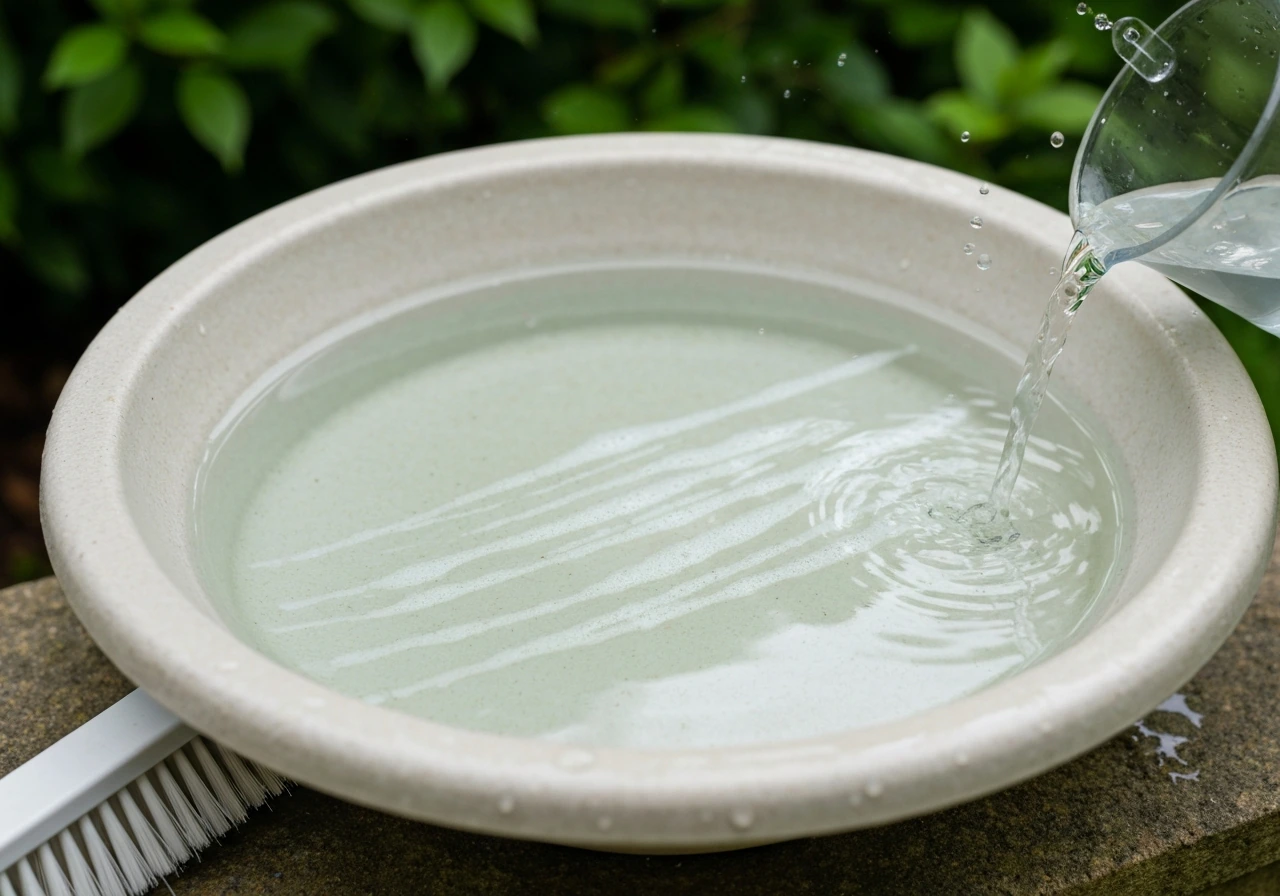
Algae
Green algae grows fast in warm weather, especially in plastic or rough-surfaced bowls left in sun. The fix is simple: scrub the bowl with a stiff brush every 3 to 4 days, dump the old water, and refill. If you’re dealing with bird bath top mold, focus on scrubbing and draining on a regular schedule, then rinse thoroughly before refilling. Don't use dish soap or bleach at full strength; a diluted solution of 1 part bleach to 9 parts water is safe for cleaning, but rinse thoroughly and let it air for 15 minutes before refilling. A copper or brass bowl slows algae growth naturally. You can also add a birdbath enzyme cleaner (available at Lowe's garden section or online) that's bird-safe and breaks down algae without harsh chemicals.
Leaks
If the water level drops faster than evaporation explains, check the bowl for hairline cracks, especially if it's ceramic. Hold it up to light or fill it in a dry spot and watch for drips. Small cracks in ceramic or concrete-style bowls can be sealed with waterproof pond liner paint or a thin layer of non-toxic waterproof sealant. If the bowl is cracked badly, it's time for another replacement. The bowl joint with the pedestal shouldn't leak; if water is running down the pedestal, add a bead of silicone around the bottom edge of the bowl where it meets the pedestal top.
Freezing
Water expanding as it freezes is what breaks ceramic and concrete bowls. If you're in a zone that sees hard freezes, either bring the bowl inside for winter or switch to a heated birdbath bowl setup. A submersible de-icer (around $25 to $40 at Lowe's) plugged into an outdoor GFCI outlet will keep water liquid all winter. If you can't do either, at minimum drain the bowl whenever temperatures drop below freezing so there's no water to expand and crack it.
Mosquitoes
Mosquitoes need still water for about 7 to 10 days to complete their larval cycle. If you're changing the water every 3 to 4 days (which you should be doing anyway for algae control), mosquitoes don't get a chance to breed. Adding a solar-powered fountain or bubbler to the bowl keeps water moving, which mosquitoes actively avoid for laying eggs. Dunks (Bacillus thuringiensis israelensis tablets) are also bird-safe and effective if you want an extra layer of protection, though they're usually overkill if you're already maintaining a regular cleaning schedule.
Wrong fit: when the bowl doesn't match your pedestal
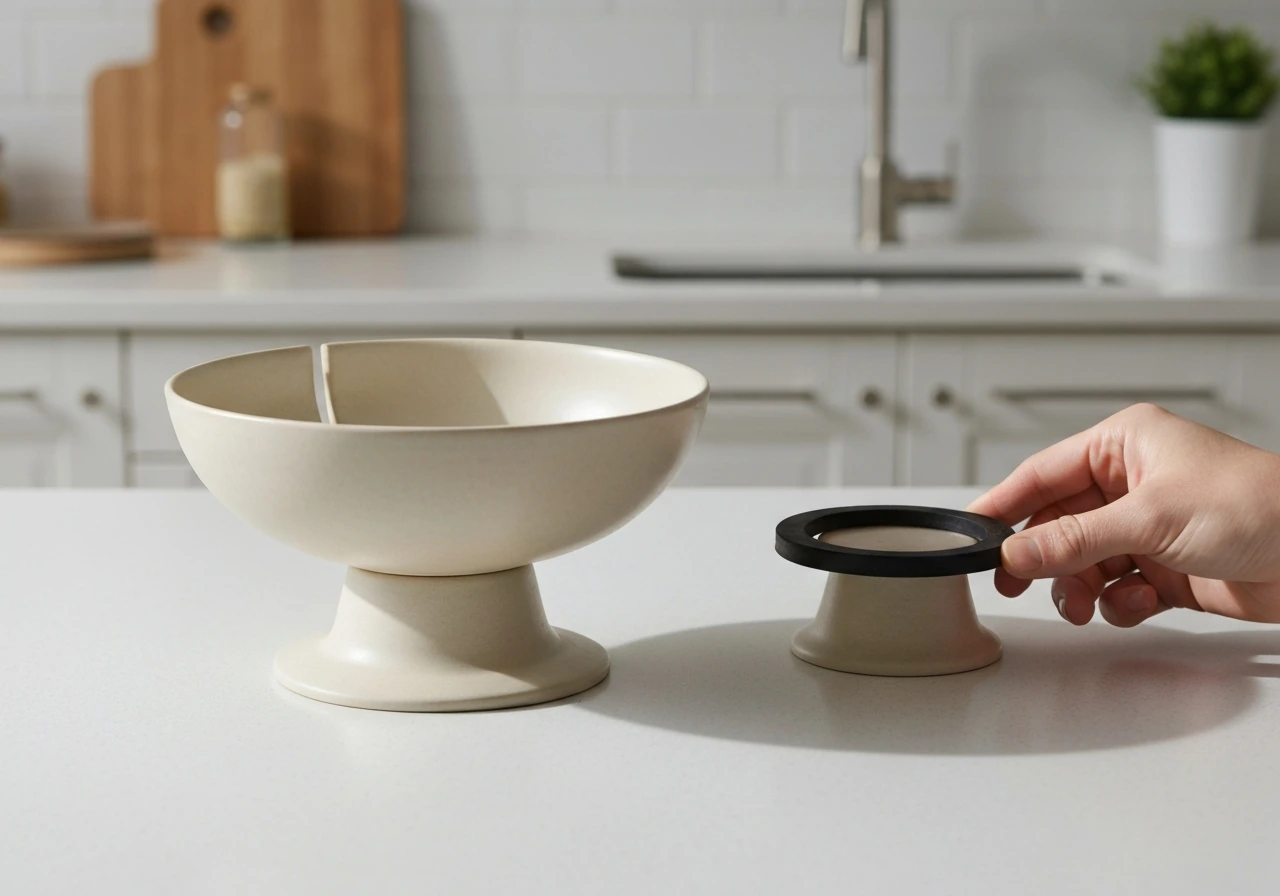
Sometimes you get the bowl home and it just doesn't sit right. If the diameter is close but slightly too small for the pedestal cradle, try a rubber non-slip ring (like a jar opener mat) under the bowl's edge as a shim. It also prevents rattling. If the bowl is slightly too large and overhangs the pedestal more than an inch or two, it becomes a tip risk, especially with birds landing on the edge. In that case, return it and go down a size. Lowe's has a solid return policy on garden products, so don't hesitate to make the swap. If no bowl in the right size is available, it's sometimes easier to replace the entire pedestal-and-bowl unit as a set rather than hunt for a perfect-fit basin alone.
Your next steps before heading to Lowe's
- Write down your current bowl's outer diameter, depth, and whether it has a center bolt hole before you leave home
- Search Lowe's website for 'birdbath bowl' (not 'bird bath' alone) and filter by material to narrow options before your trip
- Check in-store availability online first, since bowl-only products sell out seasonally and store inventory varies from the website
- Bring your measurements to the garden department associate; Lowe's staff can cross-reference the birdbath bowl section with your specs
- Pick up exterior silicone sealant and a stiff-bristle brush at the same time so you're ready to install and maintain in one trip
- If you're buying for winter use, check whether the bowl is rated for use with a submersible de-icer before committing to ceramic
FAQ
How do I confirm I’m buying the right “bird bath top” at Lowe’s, without accidentally getting a full two-piece bird bath?
Check the listing wording, it should be sold as a basin, bowl, or standalone birdbath bowl, not as a “complete” or “2-piece assembly.” If the product description includes the pedestal height or a pedestal component, skip it and look specifically in the birdbath bowl/basin category.
My pedestal cradle measurement doesn’t match the bowl size listing. Should I measure the outside rim or the inside opening?
Measure the inside diameter of the pedestal cradle or cup where the bowl rests. Bowl rim width can be misleading because the supporting edge is what matters for stability and wobble prevention.
What if the bowl is 1 to 2 inches larger than the cradle, will it still be safe for birds?
Usually it can work if the bowl sits flat and the cradle supports it through most of the contact area. The safety risk shows up when the bowl overhangs too far, if it rocks when you gently press the rim, return or exchange for a closer fit.
Can I use a silicone caulk or adhesive to “lock” a replacement bowl onto the pedestal?
Avoid gluing it in permanently unless the product instructions recommend it. A better approach is adding a non-slip shim for minor fit issues, and using silicone only as a sealing bead if water is running down the pedestal from the joint.
What’s the best water depth setting for different birds?
Aim for about 1 to 2 inches deep at the center for common small songbirds. If you want more variety, keep the center shallow and use rocks to create a gentle slope, birds that prefer deeper water still need enough access to bathe safely.
How can I reduce algae if my bowl is in sun part of the day?
Choose a bowl material that fits your conditions, resin or metal often stays manageable better than many rough-surfaced plastics. Also keep a strict cleaning cycle (scrub and change water every 3 to 4 days) and avoid placing it in full afternoon sun in hot climates.
Is it okay to use a bleach solution for cleaning, and what’s the correct way to rinse afterward?
Use a diluted mix (1 part bleach to 9 parts water), then rinse thoroughly and let the bowl air out for about 15 minutes before refilling. Never use strong bleach straight, residue can irritate birds and discourage them from using the bath.
My ceramic bowl develops hairline cracks or leaks. What’s worth trying before replacing it?
If you can’t see or feel active leaking from the bowl joint, you may only need to reseal where the bowl meets the pedestal using a silicone bead around the base edge. If the cracking allows water to seep through the bowl itself or it’s spreading, replacing the bowl is the safer option.
How do I prevent mosquitoes if I can’t change the water every few days?
If you can’t maintain a 3 to 4 day schedule, add movement with a small fountain or bubbler, mosquitoes are less likely to lay eggs in moving water. You can also use mosquito dunks (BTI tablets) as an extra measure, but still plan on regular cleaning when possible.
What should I do in freezing weather if I don’t have a heated birdbath bowl?
Drain the bowl whenever temperatures drop below freezing so water can’t expand and crack ceramic or concrete-style bowls. If you can bring it inside temporarily, that’s even better, especially for hard-freeze regions.
The bowl feels slightly loose or rattles after installation. What’s the best quick fix?
Use a rubber non-slip ring or mat as a shim under the bowl edge to improve grip without permanent changes. If the bowl rattles because it’s too small, a shim helps temporarily but exchanging for the correct cradle size is the long-term fix.
If I want water circulation, do I buy a fountain top insert or a fountain base model?
For most replacement-top setups, look for a fountain top insert that matches your bowl size so it works inside the existing basin. Make sure the insert is rated for your bowl diameter and that it can be removed for cleaning to keep mineral buildup from clogging it.
Next Articles
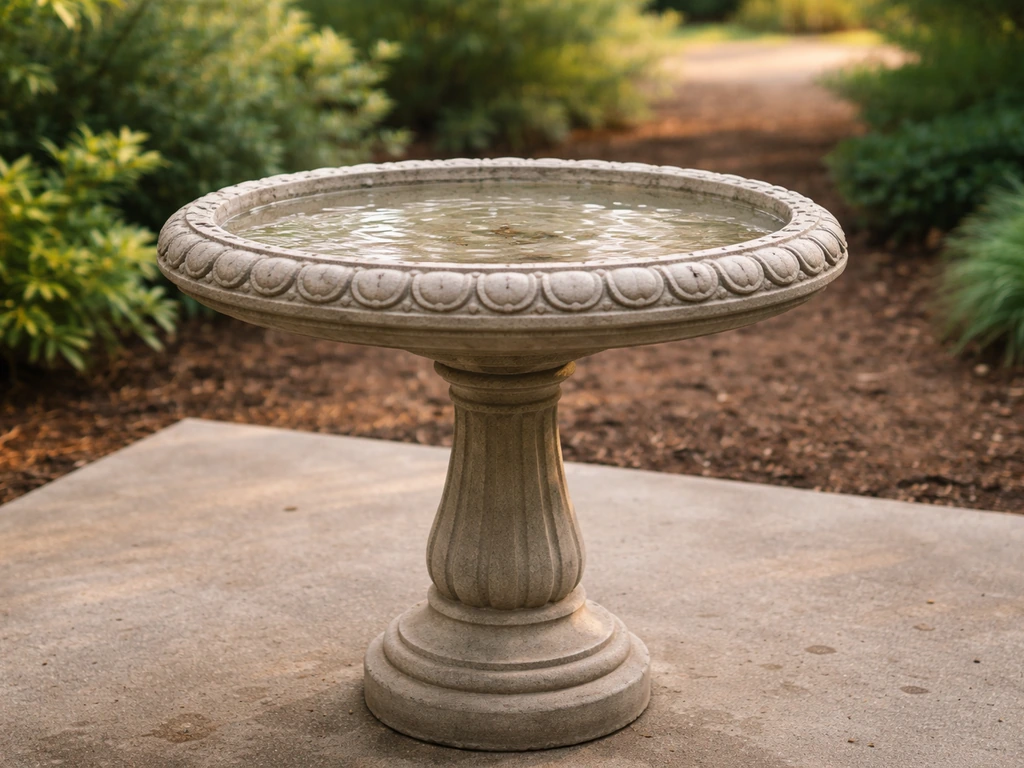
Bird Bath Top Only Replacement: Measure and Install Fast
Step-by-step guide to replace bird bath top only: measure, find match, install safely, fix leaks, stop wobble
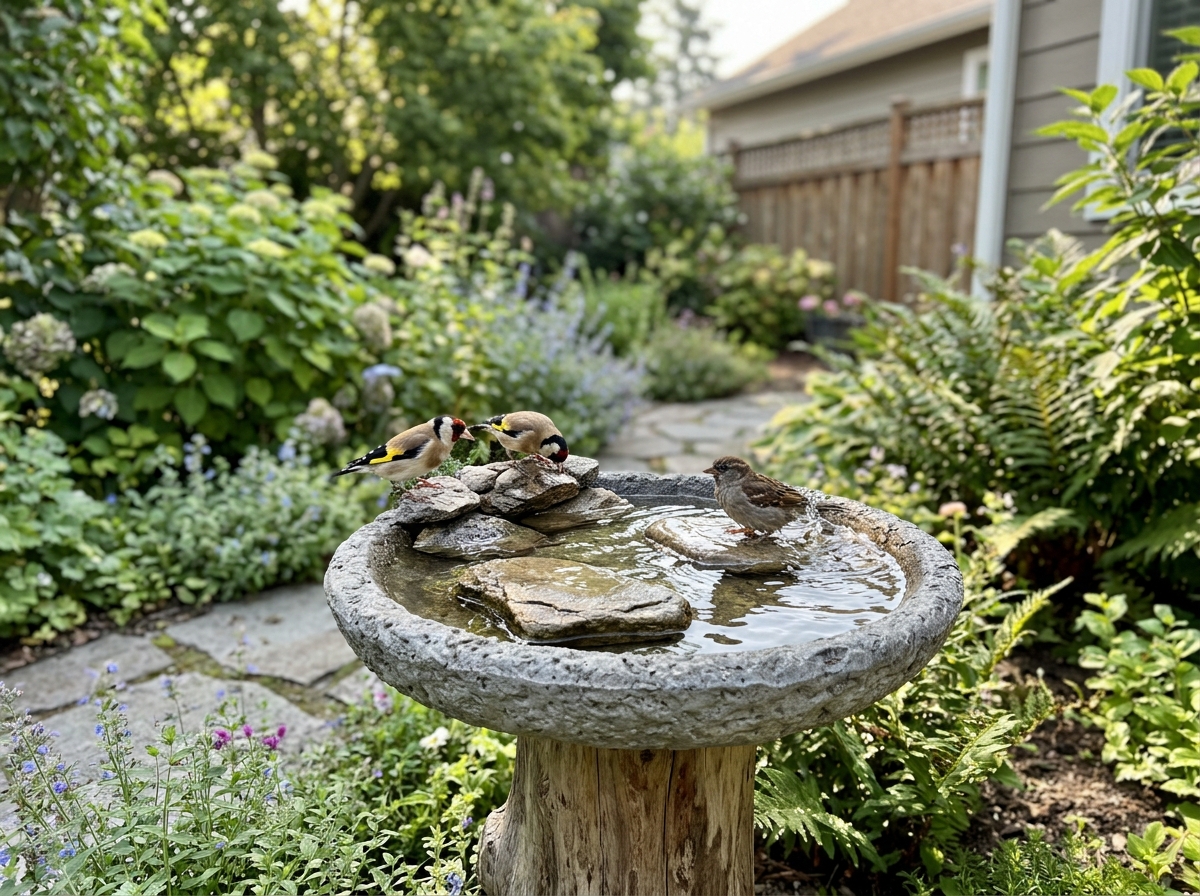
Bird Bath Best Choice: Types, Setup, and Maintenance Tips
Choose the best bird bath by type, size, depth, and placement, plus easy cleaning and winter heat-safe maintenance fixes
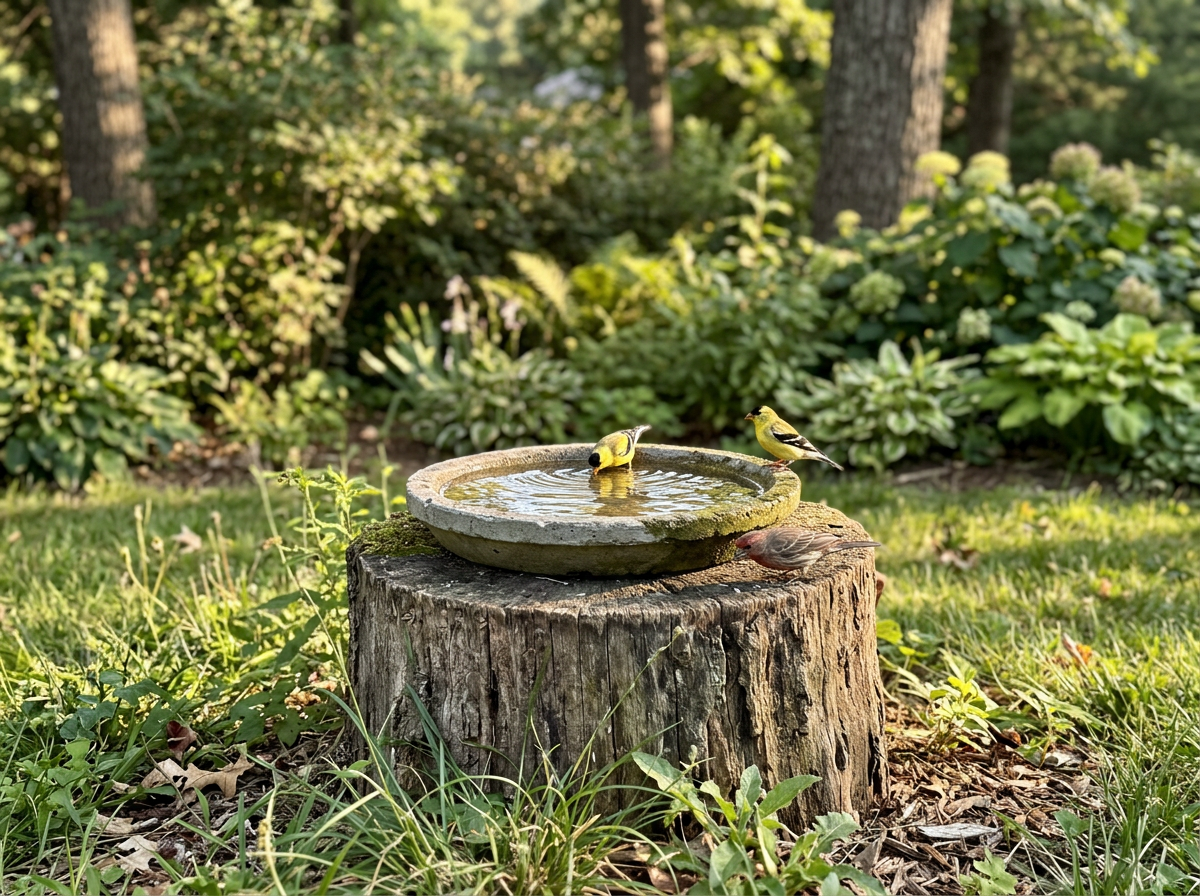
Bird Bath on Top of Tree Stump: Setup and Leveling Guide
Step-by-step setup for a bird bath on a tree stump, including leveling, mounting, drainage, cleanliness, and winter care