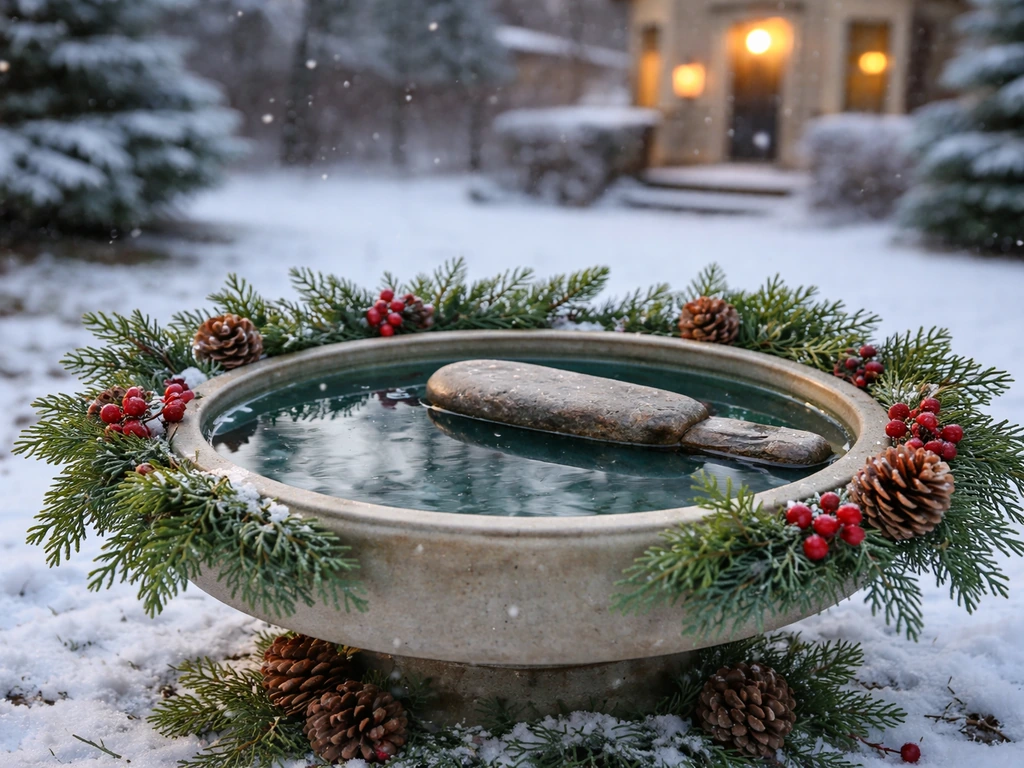
The best bird bath material for year-round outdoor use is concrete. It's durable, weather-resistant, naturally textured so birds can grip it, and it holds up through freeze-thaw cycles better than most alternatives. That said, the right choice for your yard depends on your climate, how much maintenance you're willing to do, and whether you need the bath to stay ice-free through winter. This guide breaks all of that down so you can make the call today.
Best Bird Bath Material: Outdoor and Winter Options Guide

Marcus Henley
16 Apr 2026
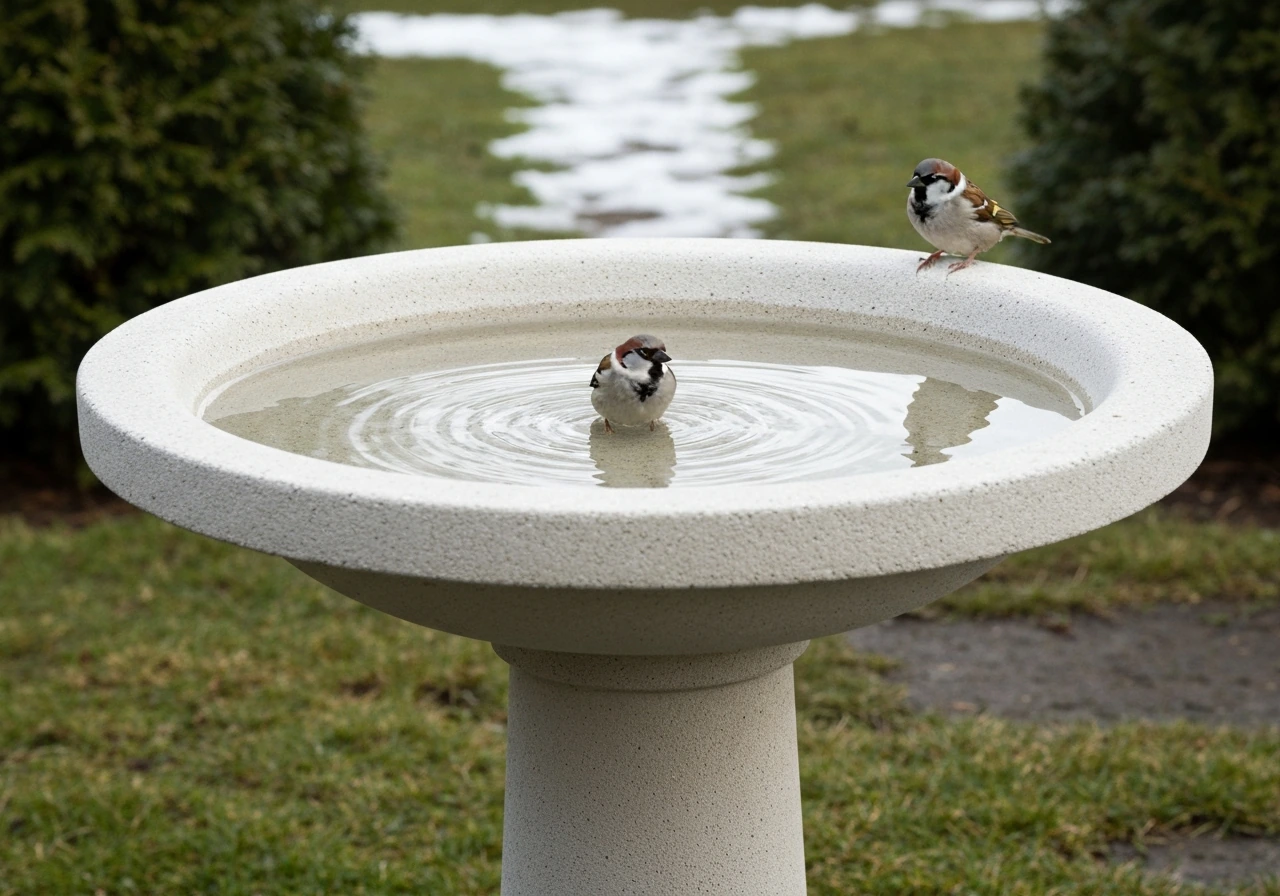
Best bird bath materials, ranked
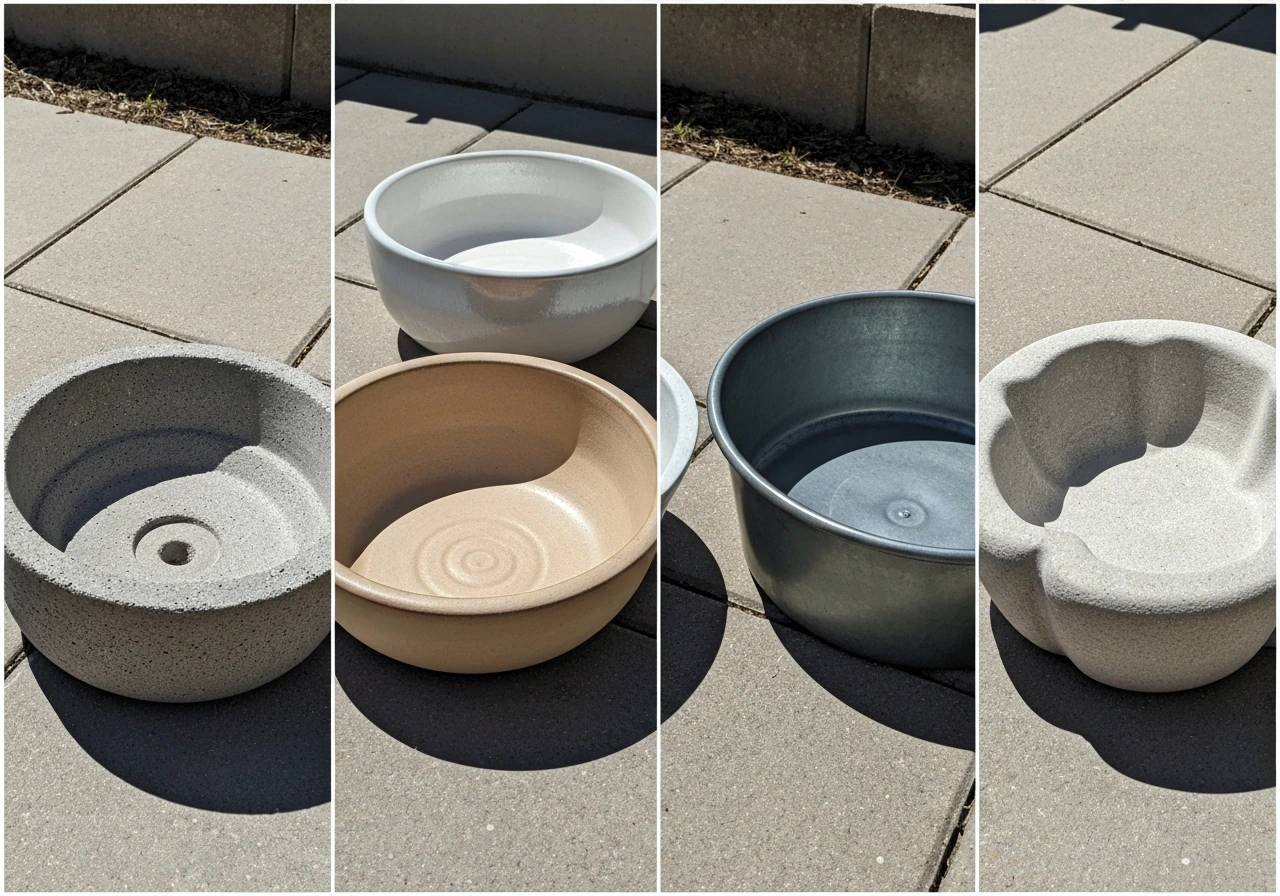
Here's how the main materials stack up when you weigh durability, bird safety, maintenance, and year-round usability together:
- Concrete: Best all-around. Heavy, stable, naturally rough for grip, handles outdoor weather well, and can be used with a submersible heater in winter. Slight porosity means algae can stain it, but that's manageable.
- Resin/composite: Lightweight and looks like stone or concrete but weighs a fraction as much. Good UV resistance in quality products. Easier to move and clean than concrete, though not quite as durable over a decade or more.
- Ceramic (unglazed): Great texture for birds, attractive, and reasonably durable. The catch is lead-risk glazing (more on that below) and freeze vulnerability if water gets into the clay body.
- Metal (cast iron or copper): Stylish and very stable. Cast iron rusts without proper sealing; copper develops a patina that's generally safe. Both get dangerously hot in direct summer sun.
- Heated birdbaths (plastic/resin bowl with integrated heater): Best option specifically for winter. The material itself is usually plastic or resin, but the heating element is what makes it the right tool for cold climates.
- Stone (natural granite or slate): Extremely durable and beautiful. Heavy, expensive, and the basin shape is usually limited by what nature gave the stone—but if you find a good one, it lasts forever.
How these materials hold up outside year after year
Outdoor durability comes down to three main threats: UV radiation, moisture cycling (wet-dry and freeze-thaw), and corrosion. Concrete handles all three reasonably well. A quality concrete bath left outside for 10 to 15 years will show surface weathering and some staining, but it won't crack or warp unless water repeatedly freezes inside the basin without any drainage. Sealing concrete every few years with a non-toxic, waterproof sealer extends its life significantly.
Resin and composite baths resist UV better than you'd expect from plastic, especially products marketed for outdoor garden use. Cheap plastic, on the other hand, gets brittle after two or three summers of direct sun and can crack when you try to clean it. If you go resin, pay for quality and check that the product is UV-stabilized.
Metal is where people get burned (sometimes literally). Cast iron without a rust-inhibiting finish starts flaking within a season or two. Galvanized steel can leach zinc into the water. Copper is more forgiving, the patina that develops is not a serious toxicity concern for birds at the concentrations involved in a birdbath, but any metal basin in full sun will heat water to temperatures that discourage bathing and can scald feet. If you use a metal bath, place it in partial shade.
Ceramic presents a durability wildcard. Glazed ceramic looks great and is easy to clean, but most ceramic is not frost-proof unless the manufacturer specifically says so. Water seeps into micro-pores in the clay, freezes, expands, and splits the bowl. If you love ceramic, bring it inside in November or buy one rated for outdoor winter use.
The best material for a winter bird bath
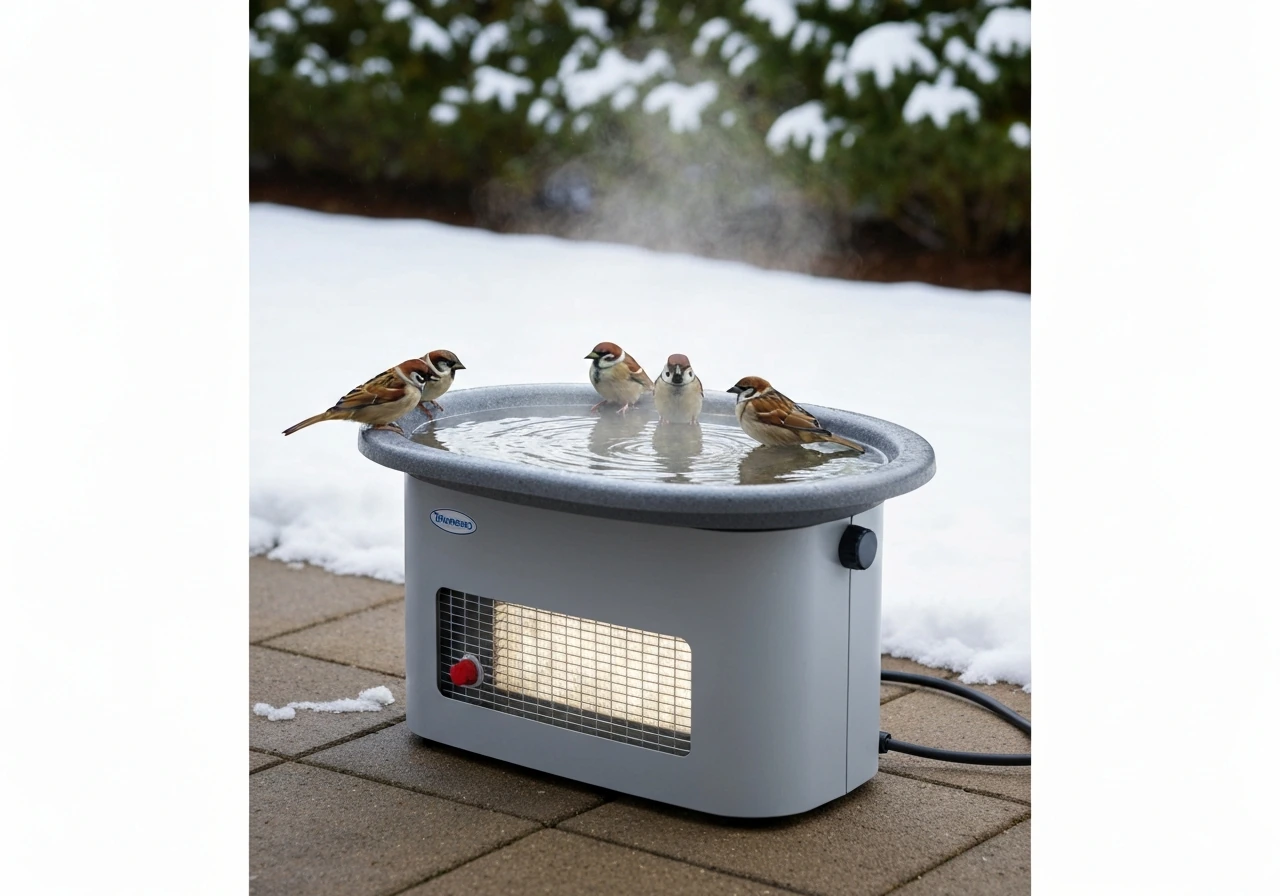
If you live somewhere that regularly drops below freezing, the material conversation shifts from durability to functionality. A frozen birdbath is useless regardless of what it's made of. Your best options in cold climates are a heated birdbath or a concrete/resin bath paired with a submersible immersion heater.
Dedicated heated birdbaths, like the K&H Thermo-Birdbath, use a thermostatically controlled 80-watt heater to keep water ice-free. They're designed to sit on the ground near an outdoor outlet and are intended for exactly this purpose: giving birds access to liquid water when everything else is frozen solid. Illinois Extension recommends this approach for keeping birdbaths in use through winter and advises refreshing and cleaning the water every few weeks even in the cold season.
One nuance worth knowing: the Canadian Wildlife Federation points out that many bird species native to cold climates have adapted to sourcing water from snow and ice and don't strictly need a supplemental heated source. That doesn't mean a heated bath is a bad idea, plenty of birds will use it and benefit from it, but it does mean you shouldn't feel guilty if you decide not to bother with one. If you do use one, positioning it near cover and keeping the water clean is more important than the wattage of the heater.
For regions with only occasional light freezes, a concrete bath with a dark-colored surface absorbs heat and can stay liquid longer on mild winter days. Some people simply bring a kettle of warm water out each morning to thaw a shallow freeze. That's a legitimate low-tech option if hard winters are rare where you live.
Keeping birds safe: toxicity, surface texture, and heat risks
Bird safety with birdbath materials is an underappreciated topic. The two biggest concerns are surface slipperiness and toxic coatings or finishes.
Glossy glazed ceramic is the main slip risk. Birds need to grip the basin to bathe effectively, and a slick glazed surface, especially when wet, makes that nearly impossible. If you use glazed ceramic, add safe, textured rocks to the basin to give birds a grip. Concrete and unglazed ceramic have naturally rough surfaces that work well without modification.
Lead in ceramic glazes is a real concern. The CDC documented lead ingestion associated with lead-based ceramic glazes, and the Connecticut Department of Public Health has issued advisories specifically about leaded ceramic glazes as a health hazard. While those advisories focus on human risk (mainly through food and drink containers), the same chemistry applies to anything birds drink from or splash around in. Buy ceramic birdbaths from reputable manufacturers who specify lead-free glazes, or just stick with unglazed terra cotta and concrete to sidestep the issue entirely.
Heated birdbaths introduce an electrical safety dimension. The Association of Avian Veterinarians has noted that wildlife electrocution can cause severe burns and tissue necrosis, with injuries sometimes not apparent for several days after contact. This doesn't mean you should avoid heated baths, it means you should buy from established manufacturers with proper UL or ETL listings, keep cords away from standing water, inspect for fraying regularly, and never use a modified or DIY heating setup. A properly designed heated bath is safe; a jury-rigged one is not.
Metal baths in full sun can also be a heat hazard. Water in a dark metal basin sitting in direct afternoon sun can reach temperatures that are uncomfortable or harmful to birds' feet. If you have a metal bath, partial shade is non-negotiable in summer. You can also think creatively about what else to put in a bird bath besides water to help reduce heat absorption and keep the setup more bird-friendly overall.
Matching material to your yard and the birds you want to attract
The best material in the abstract isn't always the best material for your specific situation. Think about these factors before you buy:
- Shade vs. full sun: Metal and dark ceramic overheat in full sun. Concrete and resin are more forgiving. A shaded spot extends the life of almost any material.
- Ground-level vs. pedestal: Ground-level baths attract more species (robins, towhees, thrushes) but are accessible to cats. Pedestal baths favor smaller songbirds. Heated ground-level models like the K&H Thermo-Birdbath are designed for ground placement near an outlet.
- Large birds vs. small: Crows, jays, and doves need a wider, shallower basin. The depth matters more than the material, but a heavier concrete or stone bath is less likely to tip when a large bird lands on the edge.
- Frequent movers: If you like rearranging your garden, go resin over concrete. A large concrete bath can weigh 50 to 100 pounds or more when filled.
- DIY inclination: Concrete is the easiest material to cast yourself if you want a custom basin. Hypertufa (a mix of Portland cement, peat, and perlite) is lighter and has become popular for DIY birdbaths that look like aged stone.
Placement is also where you can increase the bath's appeal regardless of material. Adding a few stones or pebbles to the basin gives birds footing and varying water depths. If you're wondering whether you should put rocks in a bird bath at all, the short answer is yes, most birds prefer a bath with some texture and varied depth over a smooth, uniformly deep bowl.
Maintenance by material: what you're actually signing up for
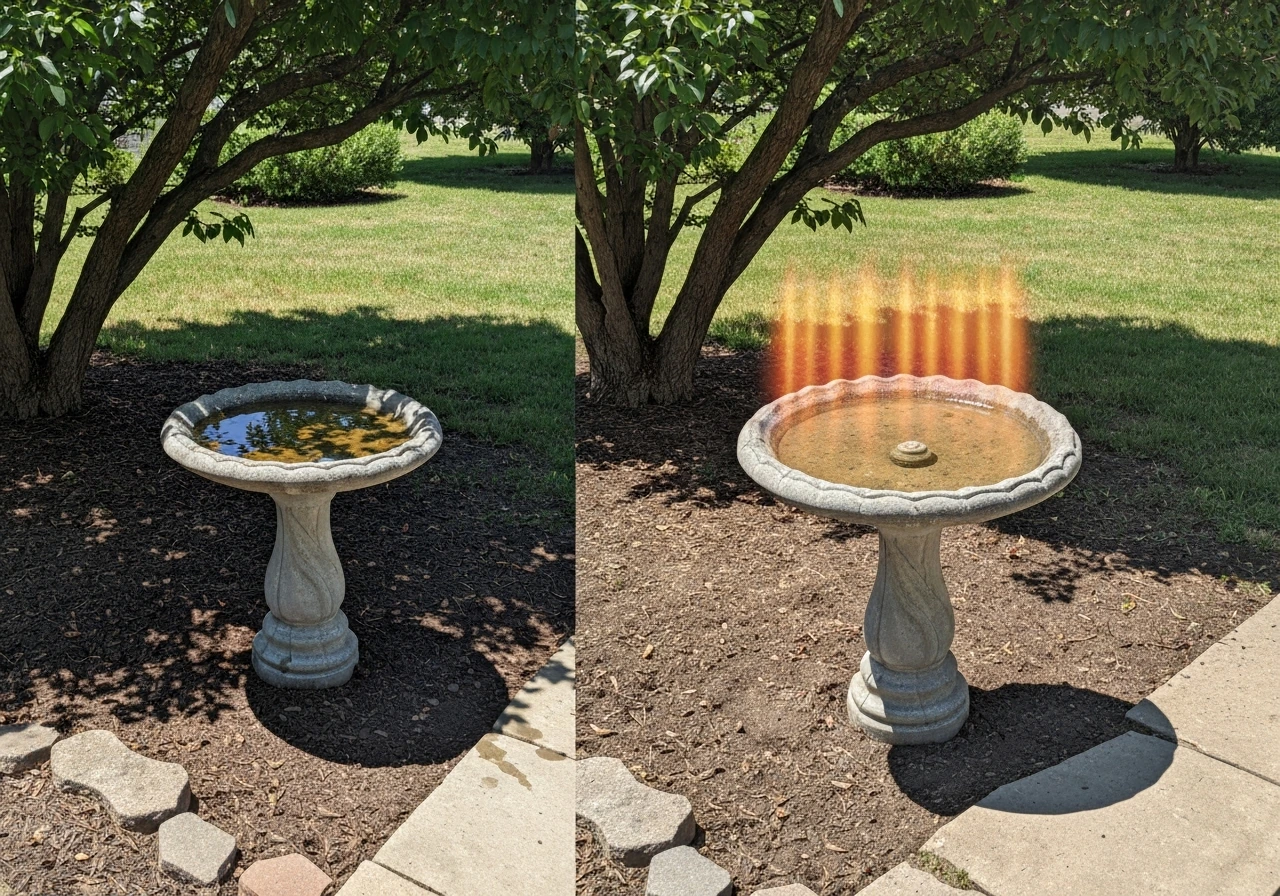
| Material | Cleaning Frequency | Algae Risk | Staining | Special Maintenance |
|---|---|---|---|---|
| Concrete | Weekly scrub | Moderate-high (porous) | Yes, but manageable | Seal every 2-3 years; inspect for cracks |
| Resin/Composite | Weekly rinse + scrub | Low-moderate | Minimal | Check UV degradation annually |
| Unglazed Ceramic | Weekly scrub | Moderate | Yes | Bring inside before freezing temps |
| Glazed Ceramic | Easy weekly wipe | Low (smooth surface) | Low | Lead-free glaze verification; frost risk |
| Cast Iron/Metal | Weekly + rust check | Low | Rust staining possible | Reseal rust-prone surfaces seasonally |
| Heated Birdbath | Every 2-3 weeks in winter | Low (water movement) | Minimal | Inspect cord and heating element; keep outlet dry |
For concrete and unglazed surfaces, the main enemy is algae. It colonizes porous surfaces fast, especially in warm weather. Scrub with a stiff brush and a diluted white vinegar solution (about 1 part vinegar to 9 parts water) rather than bleach, which can leave residue harmful to birds if not rinsed completely. Rinse thoroughly and let it air dry before refilling. You don't need commercial algaecides, consistency beats chemistry here. Dump and scrub once a week during summer and you'll stay ahead of it.
Concrete staining from mineral deposits (especially if you have hard water) responds well to a 50/50 white vinegar and water soak for 20 minutes, followed by a scrub. For stubborn rust stains from metal hardware or decorative iron stands, oxalic acid-based cleaners work well but rinse exhaustively before birds use the bath again.
One thing many people overlook: the basin itself isn't the only part of the setup that needs attention. If you're using pebbles or decorative elements inside the bath, those need scrubbing too. Curious about what else might be living in your setup? The riddle of what goes in a bird bath but never gets wet is worth thinking about when you're troubleshooting why birds aren't using your bath the way you'd expect.
Shopping for a birdbath: what to look for and what to avoid
When you're actually browsing products, here are the things that matter and the red flags to watch for:
- Basin depth: Aim for 1 to 3 inches max at the deepest point. Most birds won't use a bath deeper than 3 inches. Shallower near the edges (0.5 to 1 inch) is ideal for small birds.
- Drainage hole or not: A pluggable drain makes cleaning much easier, especially for heavy concrete baths you can't easily tip.
- Stability: For pedestal baths, check that the basin locks onto the pedestal or is heavy enough not to blow off. Wind-toppled baths are a real problem.
- Frost-rated label: For any ceramic or glazed product you plan to leave outside year-round, this label is not optional in cold climates.
- UL/ETL listing on heated baths: Non-negotiable for electrical safety. Skip anything without it.
- Lead-free glaze certification: Ask the manufacturer directly if the listing doesn't specify. Many glazed garden ceramics are imported and don't meet U.S. food-safety glaze standards.
- Avoid very smooth, heavily glazed basins without texture: They're slippery and many birds won't use them.
DIY tips if you want to build your own
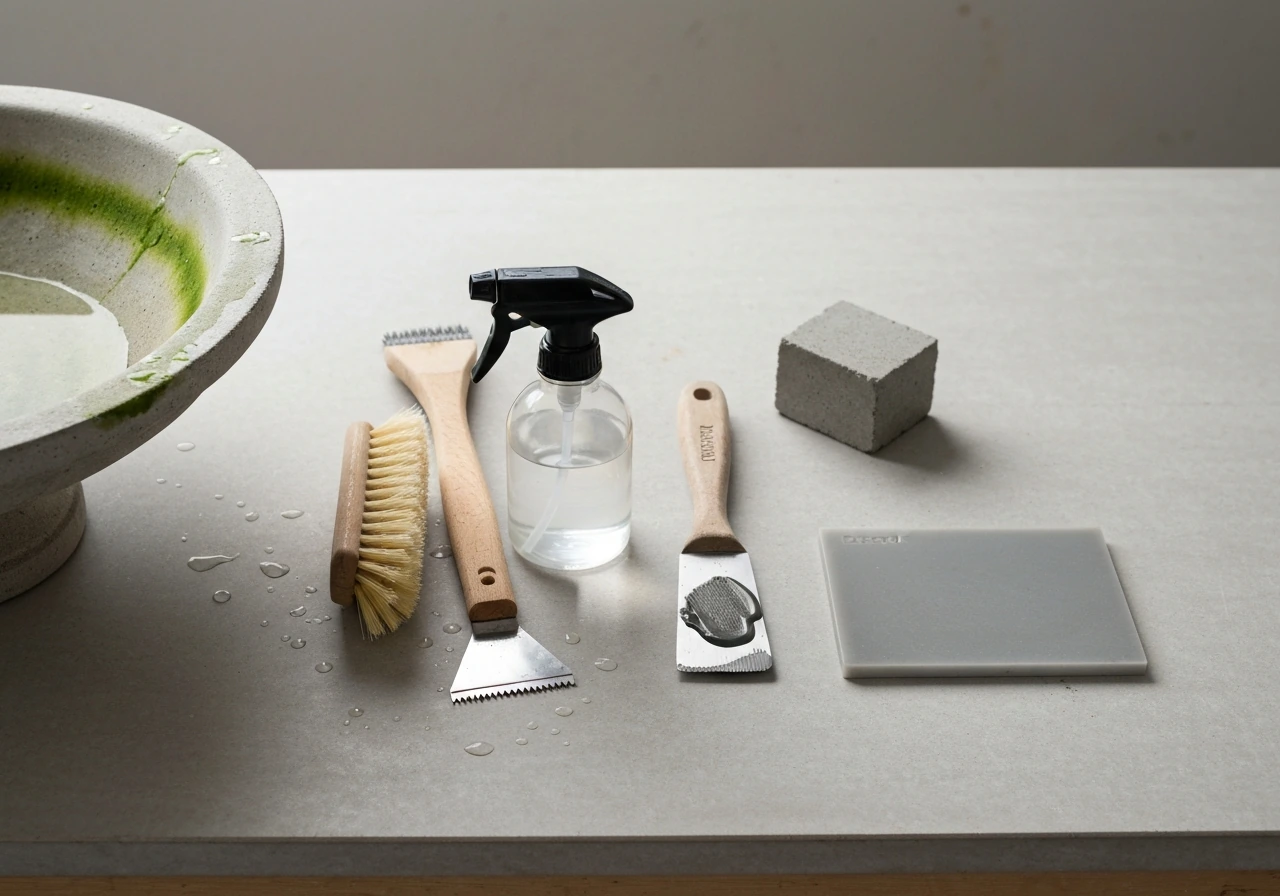
Casting your own concrete birdbath is a genuinely satisfying weekend project. Use a quick-setting concrete mix, mold the basin using a large plastic bowl or garden pot as a form, and let it cure for at least 72 hours before exposing it to water. New concrete is alkaline and can irritate birds' skin until it weathers or is sealed. Cure new concrete by soaking it with water and letting it dry repeatedly over a week, or apply a diluted white vinegar wash (the acid neutralizes surface alkalinity) and rinse well. Once cured, seal with a non-toxic, water-based sealant designed for outdoor masonry.
Hypertufa is worth trying if you want something lighter than poured concrete. The typical recipe is 1 part Portland cement, 1.5 parts peat moss, and 1.5 parts perlite, mixed to a peanut butter consistency. Shape it freehand or use a mold, keep it moist while curing, and you end up with a bath that looks decades old from day one. It's slightly more porous than dense concrete, so seal it if algae becomes a persistent problem.
The bottom line: what to actually buy
If you want one recommendation you can act on today: buy a concrete or high-quality resin birdbath for three-season use, and if you're in a cold climate, pair it with a submersible immersion heater or buy a dedicated thermostatically controlled heated birdbath for winter. That combination covers every season, is safe for birds, and will outlast almost anything else you could buy.
If budget is tight, a plain concrete stepping stone set in a shallow tray works perfectly well and costs almost nothing. If you want something beautiful that also performs, look for a thick-walled concrete pedestal bath with a textured basin, frost-rated if your winters are harsh. Add a few pebbles inside for grip and depth variety, keep up with weekly cleaning during warm months, and you'll have birds using it consistently within days of setting it up.
The material is the foundation, but what you do with the setup matters just as much. Once you have the right bath, spend a little time thinking about which rocks work best inside a bird bath to fine-tune the experience for the birds in your yard. Small adjustments to depth, texture, and placement often make a bigger difference than the price tag on the bath itself.
FAQ
If concrete is the best bird bath material, do I still need to seal it?
No. Even if you choose the best bird bath material (like concrete), unheated setups will freeze solid when nights drop well below freezing, so you still need either a heated bath (with a listed unit) or a heater strategy in cold climates. For occasional freezing, plan for “partial thaw” by keeping the basin shallow and topping up with warm water in the morning.
What’s the best way to prevent algae on the best bird bath material?
Yes, but the timing matters. Seal concrete after it fully cures and weathered concrete typically needs re-sealing every few years, especially if you see deep staining or faster algae buildup. Use a non-toxic waterproof sealer intended for outdoor masonry, and let it cure fully before returning water to the basin.
How many rocks should I put in a bird bath, and can too many be harmful?
For most bird-friendly setups, texture beats adding “lots” of stones. Use just enough rocks or pebbles to create footing and gentle depth changes, avoid sharp edges, and keep larger pieces from trapping debris. Clean the rocks as often as the basin so they do not become a hidden algae or scum source.
Can any ceramic bird bath survive winter outdoors?
Look for freeze-rating language or explicit outdoor winter use claims for ceramics. If the listing does not clearly say it is frost-proof, treat it as a three-season item and plan to bring it in before the first hard freeze.
How do I know when my metal bird bath is no longer safe to use?
If you see flaking rust, pitting, or coating breakdown, replace or re-finish rather than trying to patch it. Metal baths require periodic inspection, and you should avoid any finish that can shed, especially near the waterline.
Do heated birdbaths need cleaning as often as non-heated baths?
Yes, especially on winter-heated setups. Many birds need clean, low-contaminant water, so keep a regular cleaning schedule (for example every couple of weeks in mild periods and more frequently in warm weather). Also unplug and inspect before scrubbing, and never use harsh chemicals that you cannot fully rinse.
Where should I place the bird bath if I’m using the best bird bath material for my area?
A bath can be “cold-climate appropriate” and still be turned into a no-go by placement. Put it in partial shade in summer to prevent scalding in metal basins, and in winter position it near cover (shrubs or a sheltered area) so birds feel safe while accessing liquid water.
Is an 80-watt heated birdbath always enough in freezing weather?
Yes, the wattage is only part of the picture. A heated system must be sized for your conditions and installed correctly, but positioning and water depth often matter more for performance. Use the manufacturer’s recommended water depth, keep the basin clear of coverings that block heat transfer, and place it so cords stay dry and protected.
What are the most common safety mistakes with heated birdbaths?
DIY heating setups are the main mistake. Use only a purpose-built heated bird bath that has appropriate safety certifications (for example UL or ETL listings), inspect cords regularly for frays, and route cords so they cannot sit in standing water or be chewed by animals.
Can I use bleach or only white vinegar for cleaning?
You do not need vinegar or chemical cleaners if algae is light and you clean on schedule, weekly in warm months. If mineral staining is from hard water, a vinegar soak can help, but always rinse thoroughly and let surfaces air dry briefly before refilling.
Why does my bird bath get stained again quickly even after I clean it?
This matters most for concrete and porous materials. Hard water minerals can leave residue that encourages buildup, so if you notice recurring white scale or rough patches, clean a little more often and consider a deeper vinegar soak for staining. Also avoid refilling with dirty water or leaving splashed food debris that accelerates scum.
Next Article
How to Decorate a Bird Bath for Christmas Safely
Step-by-step tips to decorate a Christmas bird bath with safe non-toxic accents, prevent freezing, and keep water clean.