The classic riddle answer is 'a shadow' or 'your reflection,' but if you're here because you want a bird bath that never turns into a stagnant, slimy puddle, that's a completely different (and very solvable) problem. You can't make a bird bath literally stay dry and still serve birds, but you absolutely can set it up so the water never sits still long enough to grow algae, breed mosquitoes, or leave that gross wet ring around the basin. The trick is moving water, smart design, and a quick maintenance routine.
What Goes in a Bird Bath but Never Gets Wet: Fixes That Work

Marcus Henley
3 Jun 2026
Why birds need water contact (and why that's the whole point)
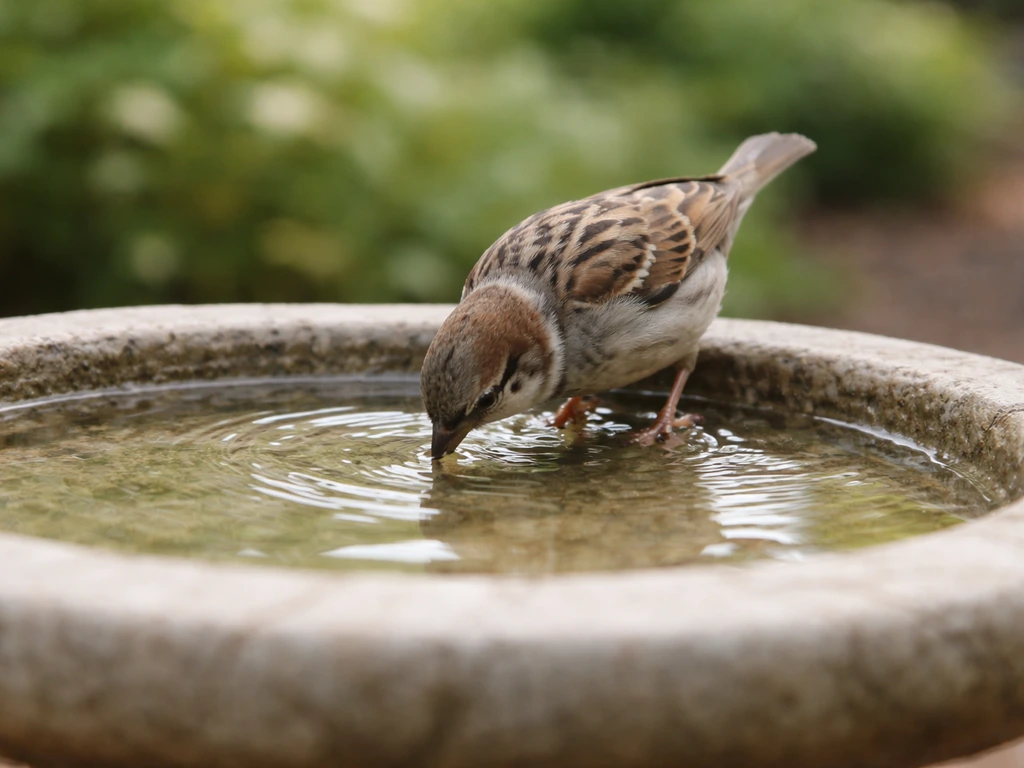
Birds have to touch the water to use a bird bath. That's just the deal. They drink, wade in, splash around, and flap their feathers to work water through to their skin. A dry basin is a decorative rock, not a bird bath. What you can control is how long the water sits still, how deep it gets, and whether the surrounding surfaces stay perpetually soaked or dry out quickly between visits.
The good news is that wildlife agencies have put real thought into what makes a bird bath safe and appealing. Washington Department of Fish and Wildlife recommends one to three inches at the deepest point with gradually sloping edges. Oklahoma Department of Wildlife Conservation adds a key detail: a dry edge around the perimeter where birds can stand before and after bathing. That dry perimeter is the closest thing to a 'never wet' zone in a bird bath, and it matters more than most people realize.
What to put in a bird bath to keep it from staying wet and stagnant
If you want the basin to dry out between uses rather than sitting in a permanent puddle, a few physical additions make a real difference.
Rocks and inserts for a dry landing zone
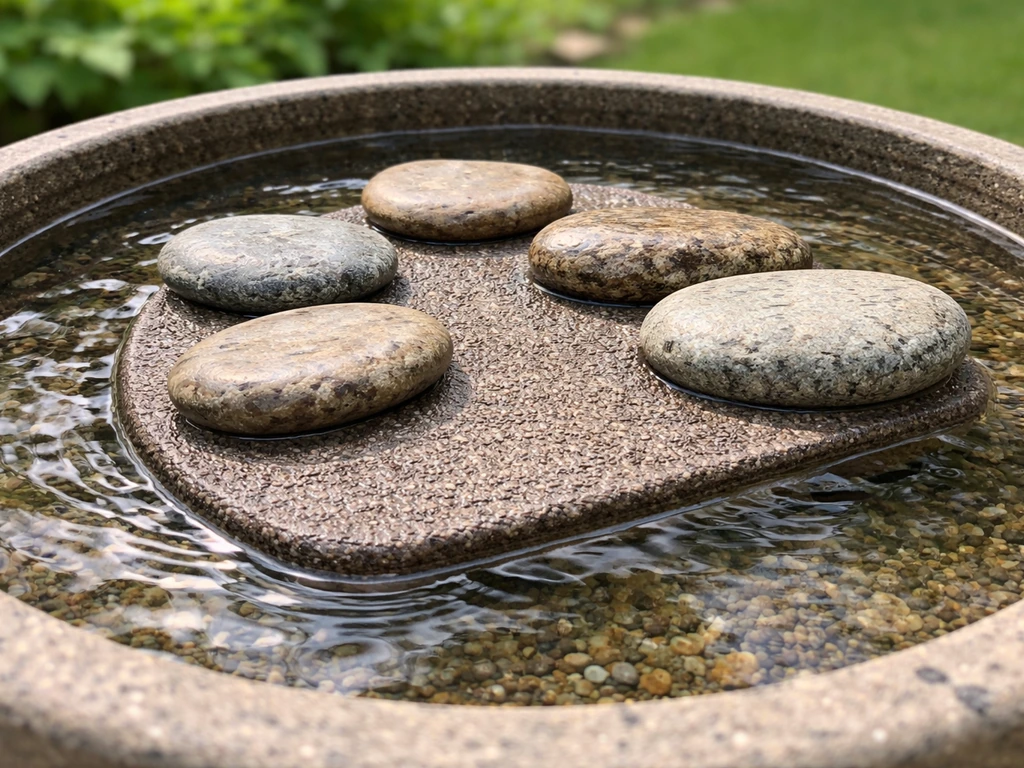
Adding flat stones or larger rocks to a shallow bath creates raised platforms that stay above the waterline. Birds can land, survey the scene, and hop in when ready, then stand on dry rock to preen afterward. This also makes the sloped entry more gradual, which birds strongly prefer. The rocks themselves don't stay wet for long, especially in sun, because they absorb heat and dry quickly. Smooth river rocks work well, and you want them stable enough that they don't shift when a bird lands.
A textured insert or a purpose-made shallow tray placed inside a deeper basin can achieve the same effect. You're essentially reshaping the bath floor to create a shallow end (half an inch to one inch) for small birds and a center that maxes out at one to two inches. The RSPB caps recommended depth at about four inches total, but most backyard songbirds are happiest at the shallower end of that range.
Splash guards and basin shape
A bath that gets enthusiastically used will throw water onto the surrounding surface, and that water can sit there and cause problems. Placing your bath on a splash-catching tray or surrounding it with gravel, bark mulch, or smooth pebbles means splashed water drains away from the basin perimeter rather than pooling. This keeps the immediate area from becoming a soggy mess and reduces the soggy-surface effect that can invite pests.
The real solution: moving water systems
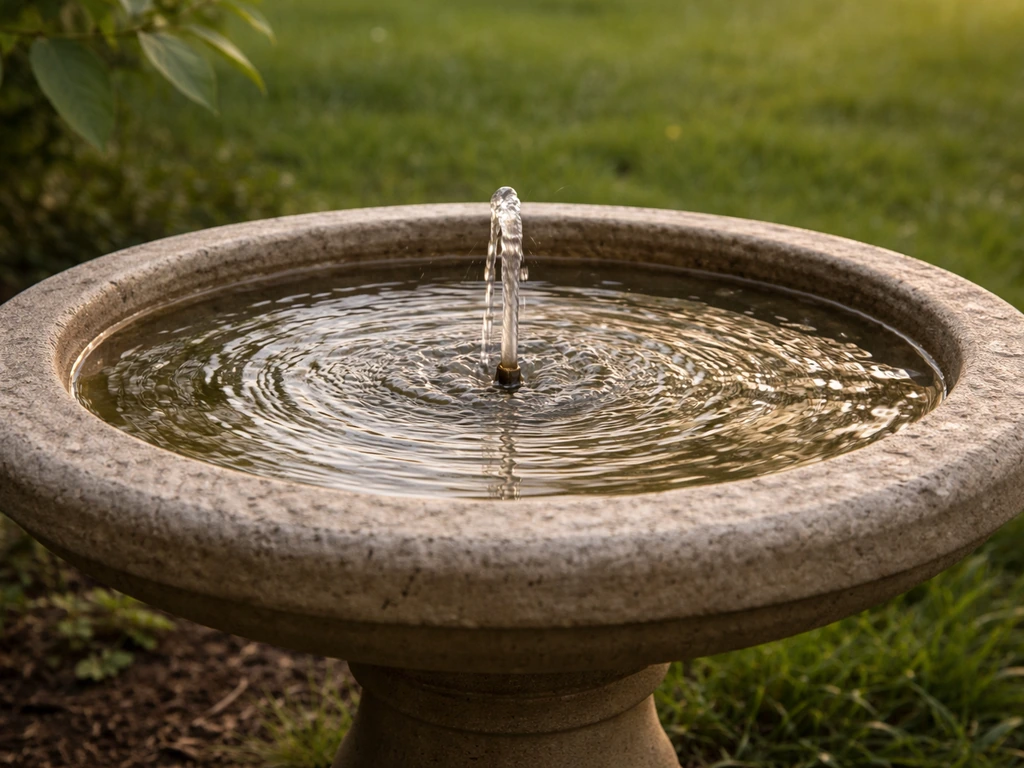
If you genuinely want to minimize stagnant standing water, the most effective thing you can put in a bird bath is movement. If you're also asking what to put in a bird bath besides water, movement like a dripper, mister, or solar recirculating pump is one of the best options. Still water is where all the problems live: algae blooms, mosquito breeding, and bacterial buildup. Moving water stays cleaner longer, keeps the surface oxygenated, and is vastly more attractive to birds in the first place because they can hear it.
Drippers
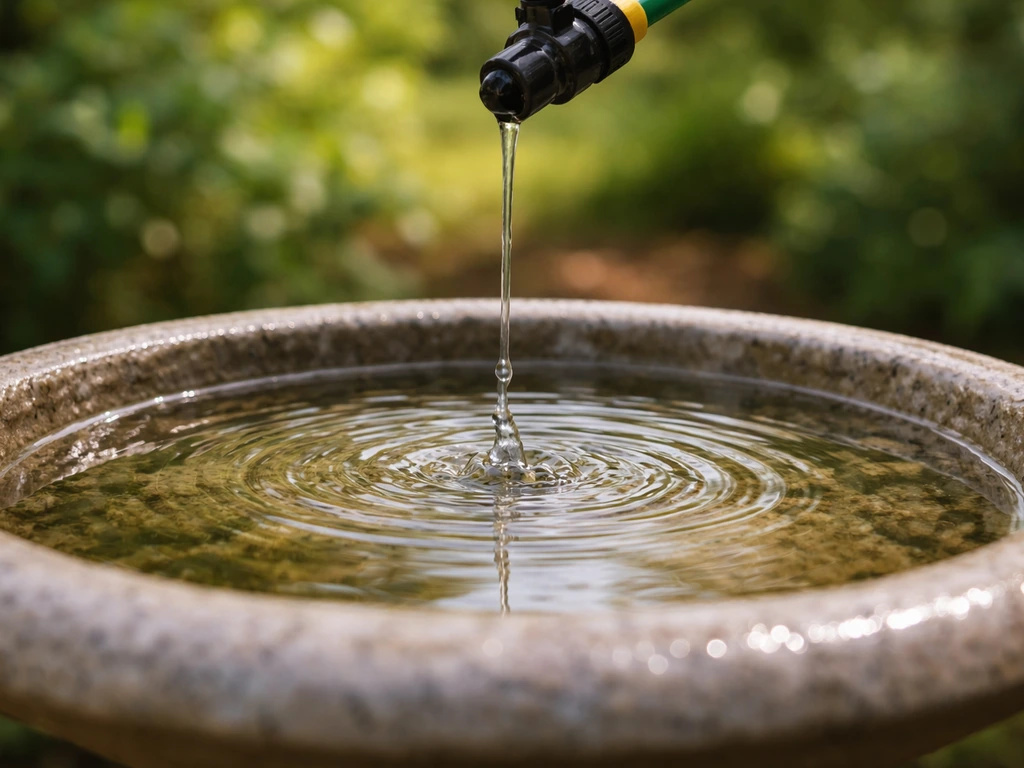
A dripper is exactly what it sounds like: a slow, rhythmic drip into the bath from above. You can rig one from a garden hose with a barely-open valve, or buy a dedicated dripper attachment that clamps to a 5-gallon bucket hung above the bath. Texas Parks and Wildlife specifically recommends the slow drip approach for attracting hummingbirds, and it works just as well for warblers, orioles, and most other songbirds. The constant surface disturbance also makes it harder for mosquitoes to lay eggs.
Misters
A misting attachment screws onto a standard garden hose and throws a fine spray above the bath. Birds fly through the mist, which is something they seem to genuinely enjoy, and the water falls into the basin below. Texas Parks and Wildlife notes that misters are particularly effective for attracting hummingbirds, but they draw in a wide range of species. The surface below stays agitated, which keeps it cleaner than still water.
Solar and recirculating fountain pumps
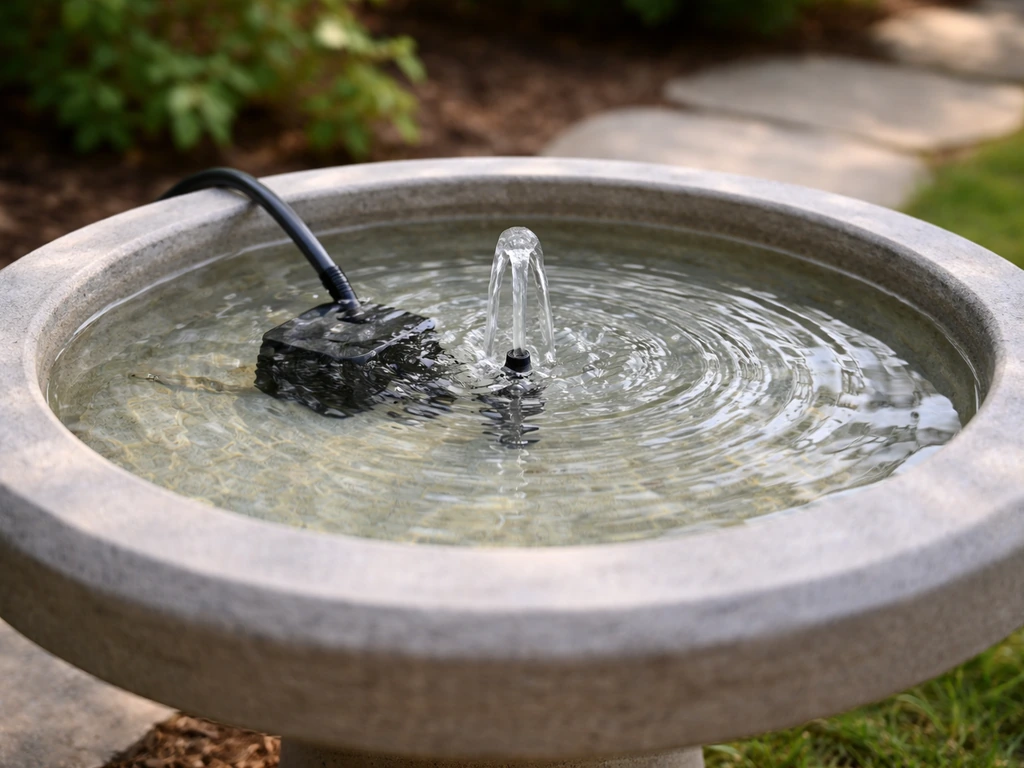
A small solar-powered recirculating pump is probably the single best upgrade you can make to a standard bird bath. The pump sits in the water, pulls from the basin, and pushes water up through a small fountain head or spray nozzle. Water constantly cycles, the surface stays moving, mosquitoes can't establish, and algae builds up much more slowly. The pump runs on sunlight during the day (exactly when birds are most active) and stops at night when it doesn't matter. A decent solar pump runs $15 to $40 and drops straight into most standard concrete, ceramic, or metal baths.
Heated baths for winter
In climates where water freezes, a heated birdbath is the year-round answer. Thermostatically controlled heated dishes like the D14BH heated birdbath dish (60W, insulated) only draw power when temperatures drop toward freezing, so they're not running constantly. The API 600 heated birdbath and similar products include overheat protection and hold at least a gallon, which is enough volume to stay liquid through most winter nights. The RSPB calls a solar-assisted heated sipper the 'ultimate' solution for freeze prevention. If you're in a cold-winter region, a heated bath is genuinely worth the investment.
How to set this up today
You don't need to wait for a product to ship if you want moving water in your bath this afternoon. Here's how to do it now with what you probably already have, plus what to buy if you want a more permanent solution.
Immediate DIY options
- Fill a clean plastic jug or bucket with water and poke a small hole in the bottom. Hang it above the bath using a shepherd's hook or a branch. Adjust hole size until you get a slow steady drip. Refill as needed.
- Run a garden hose to the bath and crack the valve open just enough for a drip every second or two. This works perfectly well short-term and costs nothing.
- Add several smooth flat stones from your yard or garden to the basin so some surfaces rise above the waterline. This creates dry perching zones and makes the depth more gradual.
- Position the bath in morning sun so the surface dries between bird visits and the water stays warmer (birds prefer it) without becoming too hot.
What to buy for a more permanent setup
| Option | Best For | Approx. Cost | Notes |
|---|---|---|---|
| Solar recirculating pump | Year-round moving water, all bath types | $15–$40 | No wiring needed; runs during peak bird hours |
| Hose-end dripper/mister attachment | Hummingbirds, warblers, quick setup | $10–$25 | Connects to standard garden hose |
| Dedicated dripper reservoir kit | No hose hookup required, deck/patio use | $20–$35 | Gravity-fed from bucket or reservoir |
| Thermostatically controlled heated dish | Cold-winter climates, freeze prevention | $40–$80 | Look for overheat protection and thermostat control |
| Wiggler/agitator motor | Minimal surface movement, low budget | $10–$20 | Clips to basin rim; battery or USB powered |
Placement matters as much as the setup
Put the bath in partial shade if you can. Full sun heats the water fast and encourages algae, while full shade can feel too enclosed for cautious birds. A spot with morning sun and afternoon shade is ideal in most climates. Height matters too: most birds are most comfortable with a bath at roughly ground level or on a low pedestal (6 to 18 inches), but placing it a bit elevated (2 to 3 feet) near cover gives nervous birds a clear view of approaching predators. The Washington Department of Fish and Wildlife emphasizes that birds need a quick escape route from their water source, so avoid boxing the bath in with dense shrubs on all sides.
Keeping a moving-water system clean and functional
Moving water is lower maintenance than still water, but it's not no maintenance. Here's the routine that actually works without becoming a chore.
Algae control
Algae needs light, warmth, and still water to get established. Moving water dramatically slows it down, but you'll still see growth at the edges and on the basin floor in warm months. All About Birds is clear about the protocol: scrub the moment you see algae starting. Don't wait. A stiff-bristled brush (not soap, which leaves residue birds don't like) and a rinse-out is all it takes if you catch it early. In a flowing or recirculating setup, check the pump intake and tubing regularly because algae loves to clog narrow passages.
Refilling and water freshness
Even with a recirculating pump, water evaporates and gets contaminated with bird droppings and debris. Top off daily in hot weather and do a full empty-and-refill at least once a week. The RSPB says daily refresh is the standard for mosquito larvae prevention, and the National Wildlife Federation recommends refreshing at a minimum every two to three days in warm weather. A recirculating system still needs that weekly dump because it just moves the same water in a loop rather than replacing it.
Weekly cleaning routine
- Empty the basin completely.
- Scrub with a stiff brush and plain water (or a very dilute bleach solution: 1 part bleach to 9 parts water, then rinse thoroughly).
- Check and clean the pump impeller and intake screen if you're running a recirculating system.
- Rinse everything well and refill with fresh water.
- Check that the pump or dripper is still flowing correctly.
Winterizing
If you're not running a heated bath through winter, drain the basin completely before your first hard freeze. Water expands when it freezes and will crack concrete, ceramic, and some metal baths. A Fountain and Birdbath Care guide advises keeping basins drained during winter and checking that any pump impeller moves freely before you start the system back up in spring. If you switch to a heated bath setup, remove the recirculating solar pump (cold temps can damage some pump motors) and rely on the heater alone to keep water available.
Troubleshooting: when things aren't working
Birds aren't using it
The most common reasons birds ignore a bath are location and water movement. If your bath is too exposed (no nearby perching branches) or too enclosed (hemmed in by dense cover), birds won't feel safe. Try moving it to within 10 feet of a shrub or small tree so birds have a quick landing spot and escape route. If the water is completely still, add movement. Birds detect drippers and fountains by sound, sometimes from significant distance. Also check depth: a bath that's too deep (more than two inches in the center) will be avoided by small songbirds.
Mosquitoes
Mosquitoes need still water to lay eggs and for larvae to develop. blank" rel="noopener noreferrer">The CDC recommends emptying and scrubbing water features at least once a week to remove eggs and larvae. Moving water is your best preventive measure: mosquitoes strongly prefer still surfaces for egg-laying, and an agitated surface disrupts that. If you're getting mosquitoes despite a pump or dripper, check whether the flow has stopped (clogged pump, empty reservoir) and restore movement. Don't use chemical mosquito dunks in a bird bath without confirming they're safe for birds, as some products marketed for ponds are not appropriate for drinking water sources.
Freezing
If your water is icing over overnight, a thermostatically controlled heated bath is the proper solution. Floating a tennis ball or ping pong ball in the bath on cold nights can slow surface freezing marginally, but it won't hold up below about 25°F. A 60W heated dish with thermostat control is enough for most winter conditions in temperate climates. For deep-freeze regions, look for models with explicit overheat protection and insulated bases. Running an outdoor extension cord safely matters too: use a cord rated for outdoor use and keep connections off the ground.
Safety considerations
The U.S. Fish and Wildlife Service notes that cleaning bird baths frequently reduces disease spread among birds, and this is genuinely important. Dirty baths can transmit salmonella and other pathogens between birds visiting the same water. Beyond cleanliness, make sure any soap, bleach, or cleaning agent is rinsed out completely before birds return. For electrical setups (heated baths, plug-in pumps), use a GFCI-protected outdoor outlet. And if you're using a dripper or mister attached to your home water line, a simple backflow preventer inline protects your drinking water supply.
Your next steps
Start with whatever you can do today: a few flat rocks, a dripping hose, or a basic solar pump ordered for next-day delivery. Test it for a week and watch what happens. If birds find it quickly (and they usually do once there's movement), you'll know you're on the right track. From there, refine the depth with rocks or inserts, dial in the placement, and build the weekly cleaning habit. A bath that never stays wet or stagnant is absolutely achievable. It just takes the right combination of water movement, shallow depth, dry perching edges, and a consistent cleaning routine.
FAQ
Can a bird bath ever truly stay dry if birds still have to use it?
Not literally. Birds must touch water to drink and bathe, so some wetness is unavoidable. What you can aim for is a perimeter that dries quickly, plus water that keeps cycling so there is no long-lived puddle where algae and mosquito larvae can establish.
Should I use stones inside the bath, and can they affect water cleanliness?
Yes, but choose stable, smooth river rocks and avoid pockets that trap debris. If the rocks create crevices that are hard to scrub, algae and droppings collect there, so plan to rinse those surfaces during your weekly refill.
What depth should I target if I want more small songbirds to use the bath?
Aim for a shallow area that does not exceed about half to one inch for many songbirds, with the deepest point generally kept around one to two inches. If the center is deeper than that, smaller birds often skip it and only larger species use the bath.
How can I tell whether my dripper or mister is helping or just creating wet splatter outside the basin?
Watch the ground and surrounding surfaces for soggy pooling. If the splash zone stays wet for long, angle the nozzle or add a gravel or tray barrier so splashed water drains back toward the basin rather than collecting around the perimeter.
Will a solar pump work reliably in winter or cloudy weather?
It can, but output drops with limited sun, and recirculation may slow or stop. If you live where freezing happens, consider using the heater strategy for water availability and remove the recirculating solar pump during cold spells if the manufacturer warns about motor damage.
How often should I refill water when I have a recirculating pump?
Do not rely on circulation alone. Even with cycling, bird droppings and debris keep contaminating the water, so plan on topping off daily in hot weather and doing a full empty-and-refill at least weekly, sooner if you see heavy use.
What cleaning method is safest for birds if I see algae?
Use a stiff-bristled brush and rinse thoroughly, avoid soap because residue can build up on surfaces birds contact. Scrub as soon as you see algae beginning, then rinse until there is no slippery film before birds return.
Can I use mosquito dunks or other treatments if I have birds drinking from the bath?
Only use products you can confirm are safe for drinking-water use in bird settings. If you want a simpler approach, fix the root cause by restoring movement (check for clogs and confirm the flow is continuous), since mosquitoes strongly prefer still surfaces.
My bath keeps attracting mosquitoes even with some movement, what should I check first?
First confirm the movement is actually sustained, check pump intake and tubing for clogs and confirm the mist or dripper is not intermittently stopping. Also inspect hidden low spots around the bath where water can collect and remain still.
Is backflow protection necessary if my dripper or mister connects to a garden hose?
It is a good idea. An inline backflow preventer helps protect your drinking-water supply if the attachment introduces water back toward the home line during pressure changes.
Where should I place the bath for safety and consistent use?
Try to keep it within about 10 feet of cover so birds have a quick landing and escape route. Avoid boxing it in with dense shrubs on all sides, and provide at least partial visibility so birds can see approaching predators.
What about electrical safety for heated baths or plug-in pumps?
Use a GFCI-protected outdoor outlet for any plug-in electrical component, and keep connections off the ground and away from puddling. If the cord or plug gets wet repeatedly, reposition the setup or add weatherproof protection before using it again.
Next Article
Should You Put Rocks in a Bird Bath? Safe Setup Tips
Should you put rocks in a bird bath? Learn safe rock types, placement, and cleaning to help birds without hazards.