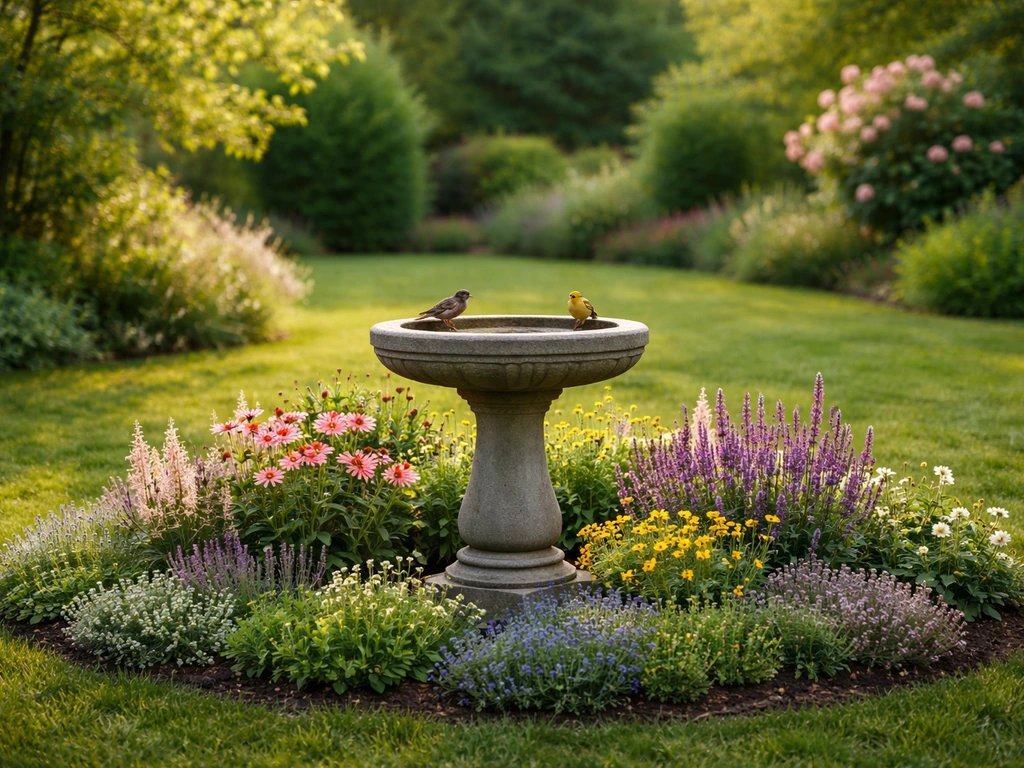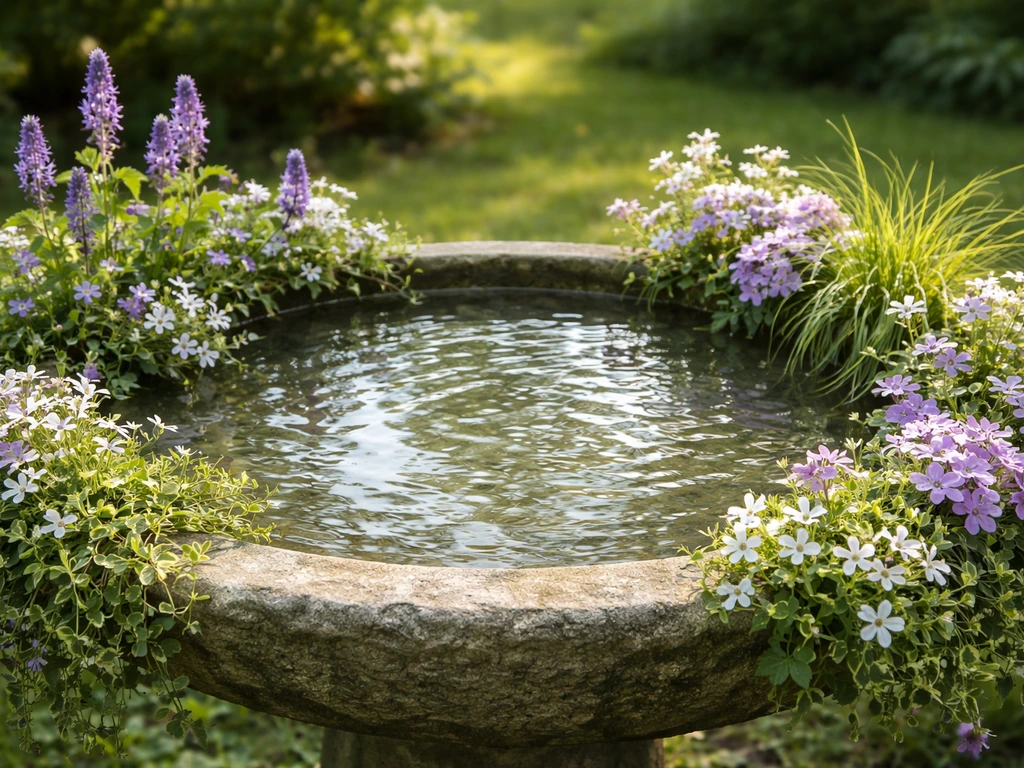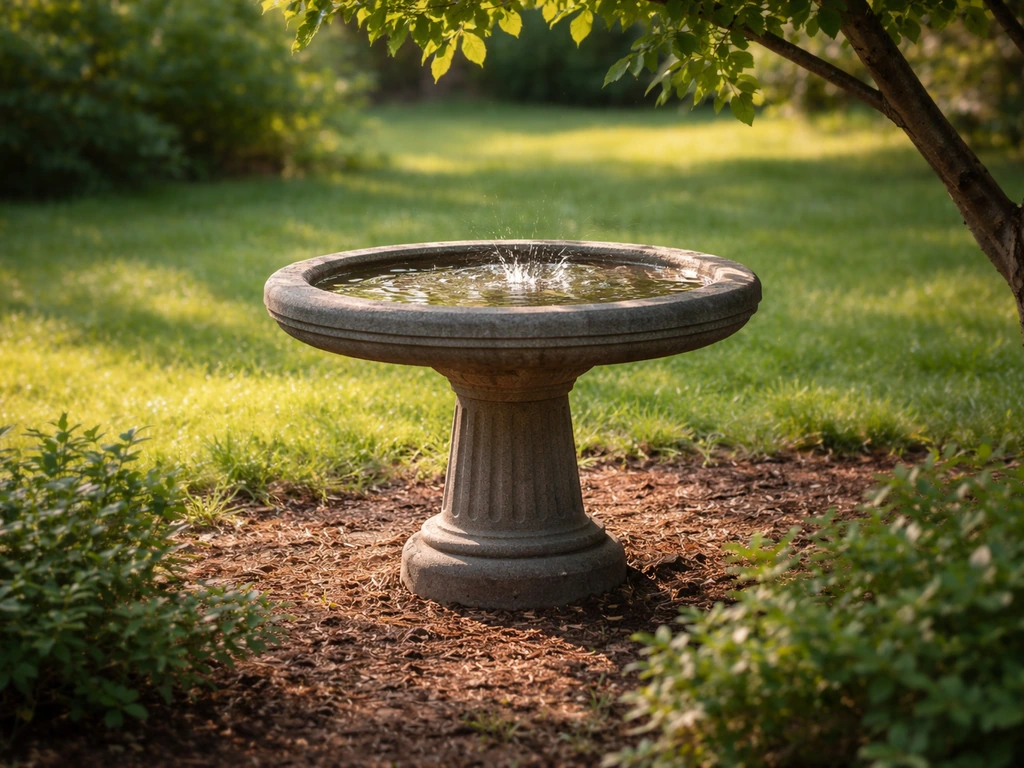
You can absolutely turn a bird bath into a thriving succulent garden, but you need to commit to one thing upfront: drainage. Succulents rot fast in standing water, and most bird bath basins have zero drainage holes by design. Once you drill or chisel a drainage solution into the basin, fill it with a gritty soil mix, and pick the right sun-loving varieties, the whole project comes together quickly and looks great year-round. Here's exactly how to do it.
How to Plant Succulents in a Bird Bath Step by Step

Marcus Henley
12 Jun 2026
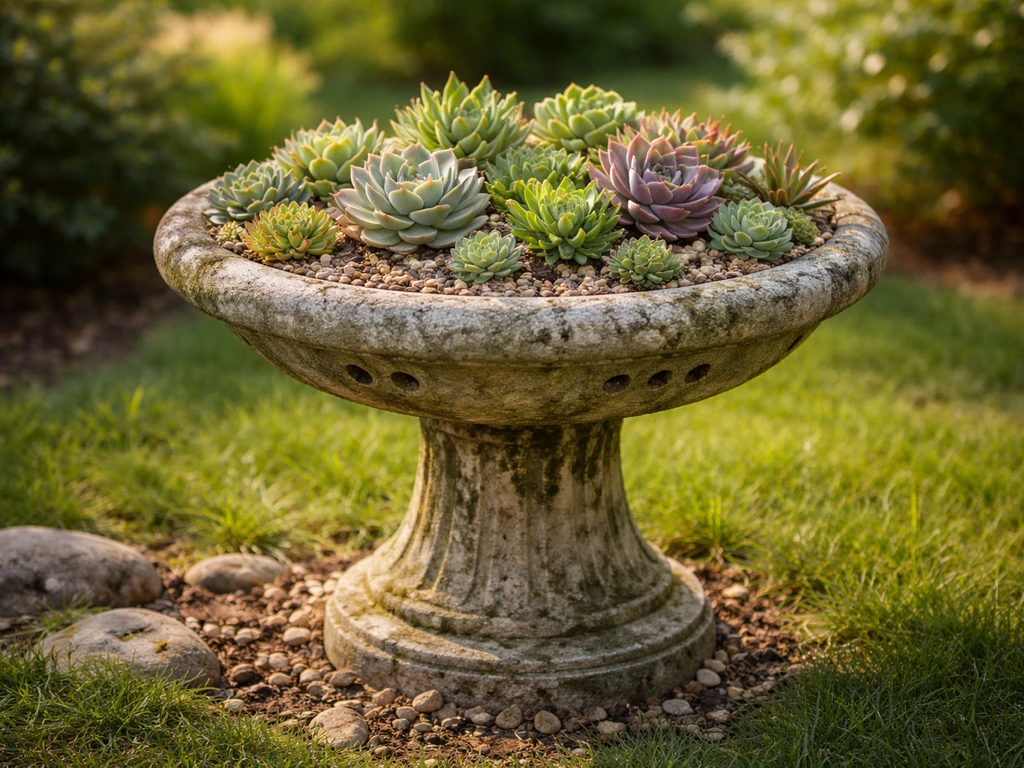
Choose the right bird bath and location for succulents
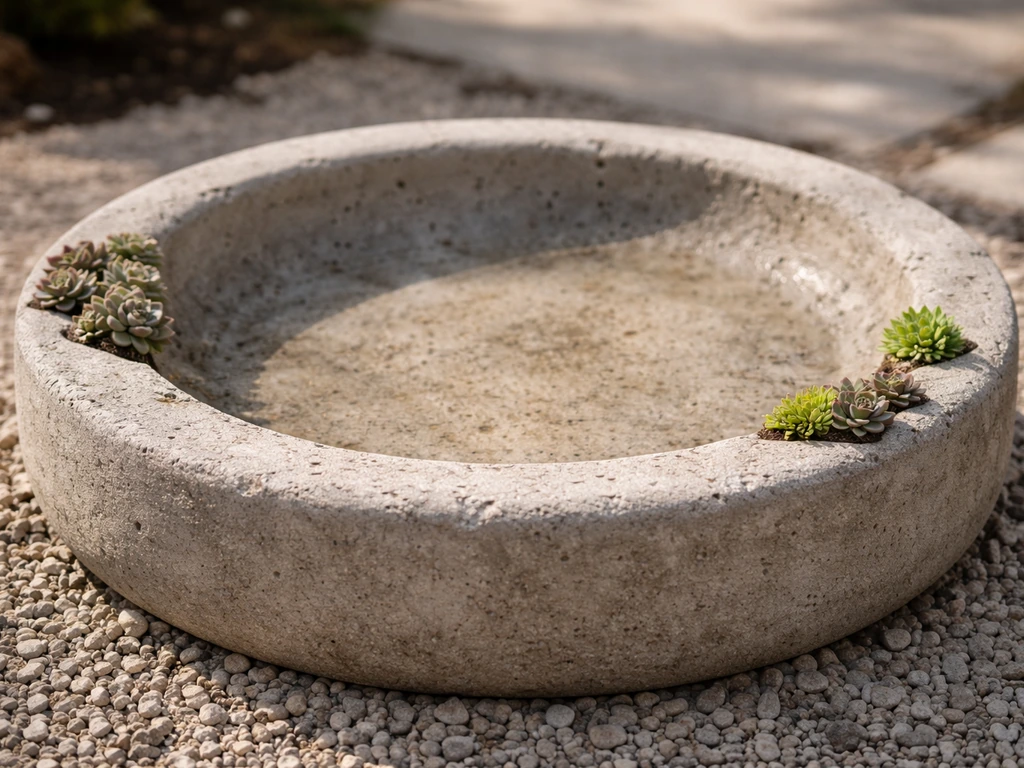
Not every bird bath makes a good succulent planter, so it helps to think about the basin material before you start drilling or planting. Concrete and hypertufa bird baths are the most forgiving because you can drill drainage holes and the porous material actually helps wick away excess moisture. Ceramic and glazed bird baths look beautiful but are harder to drill without cracking, and the glazing prevents any moisture from escaping through the walls. Metal basins work in a pinch but can heat up fast in full sun, which stresses roots. If you're starting from scratch and want the best of both worlds, a shallow, wide concrete basin on a pedestal is the classic choice.
Location is critical for succulents specifically. Most succulents need a minimum of 4 to 6 hours of direct sun per day for healthy photosynthesis, and something like Sempervivum (hen-and-chicks) really wants 6 or more hours of direct sun to thrive. That means you should place your succulent bird bath in the sunniest spot in your yard, not tucked under a tree where it might get dappled shade.
If you are still deciding on the location, see where to put a bird bath so the sun, drainage, and bird activity work together where to put bird bath. This is a departure from traditional bird bath placement advice, where partial shade helps keep the water cool for birds. If you're hoping to also attract birds to a separate water source nearby, that's worth planning separately.
Think about the sun arc across your yard and aim for a south- or west-facing open area.
Plan for drainage and water exposure (avoid rot)
This is the most important step in the whole project, and skipping it will kill your plants. Succulents should never sit in standing water. Crown rot, root rot, and stem rot are almost always caused by poorly drained, water-saturated soil conditions, and a sealed bird bath basin is essentially a bowl designed to hold water. You need a real exit path for water, not just a gravel layer at the bottom.
The gravel-at-the-bottom trick is genuinely counterproductive here. Water does not move freely from fine soil media down into a coarser gravel layer until the fine soil above it is completely saturated first. That means your succulent roots sit in waterlogged soil longer than they would without any gravel at all. You need at least one actual drainage hole, ideally two or three spread across the basin floor.
For concrete basins, use a masonry drill bit (a 1/2-inch bit works well) and drill two to three holes in the lowest points of the basin floor. Go slow and keep the bit cool with a little water. For ceramic or stone basins, use a diamond-tipped tile bit at a low speed and expect it to take some patience.
Once you have drainage holes, you want the basin raised slightly off its base or pedestal so water can actually drip out freely rather than pooling underneath. The soil mix itself also has to work hard here: aim for a blend that's at least half inorganic material. A reliable starting ratio is 2 parts perlite or pumice to 1 part quality potting soil, which keeps drainage fast and prevents soggy conditions near the roots.
Some growers push it even further, using a 50/50 mix with coarse sand replacing some of the perlite.
Select succulent types and layout for a bird-bath garden
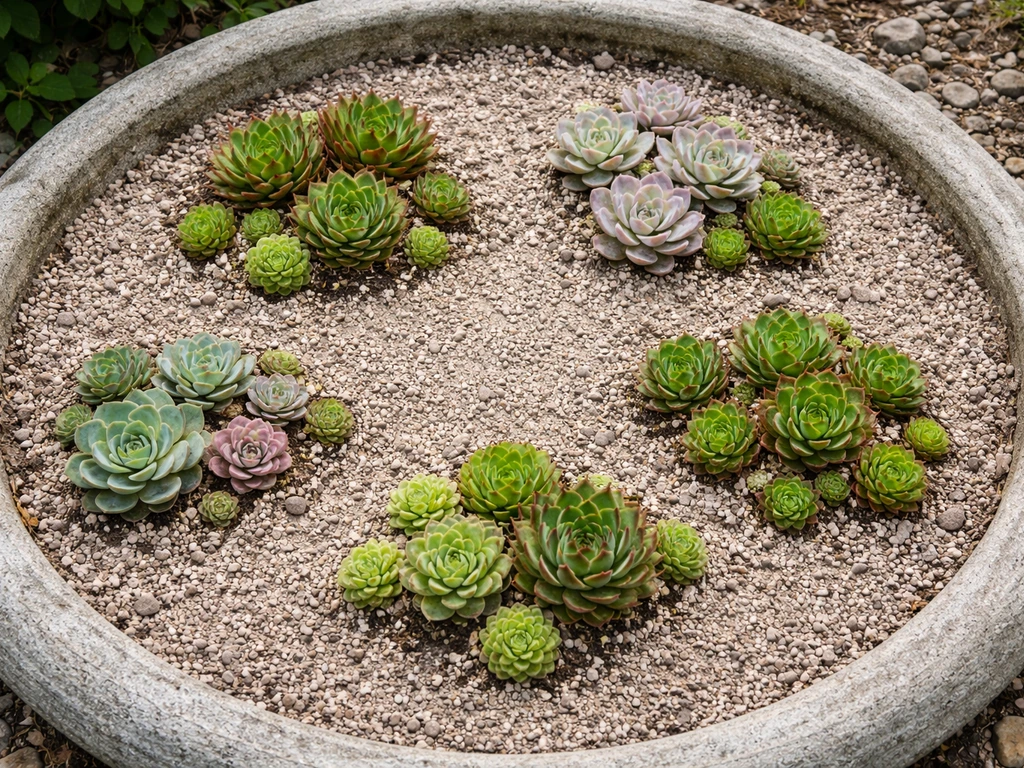
Bird bath basins are shallow, so you want succulents with compact, fibrous root systems that don't need deep soil. Think rosette-forming varieties rather than anything that grows tall or sends down a long taproot. Here are the types that consistently perform best in shallow bird bath planters:
- Sempervivum (hen-and-chicks): incredibly hardy, spreads naturally to fill gaps, and handles both heat and frost better than almost any other succulent
- Sedum (stonecrop): low-growing varieties like Sedum acre or Sedum reflexum do well in shallow containers, though they cannot tolerate wet soil so drainage must be solid
- Echeveria: beautiful rosette shapes with pastel coloring, ideal for warmer climates or mild winters; bring these indoors if you get hard freezes
- Haworthia: one of the few succulents that tolerates partial shade, useful if your best planting spot only gets 4 hours of direct sun
- Aloe vera (dwarf varieties): compact forms work in wider, shallower basins; standard aloe will quickly outgrow a bird bath
For layout, think in terms of a thriller-filler-spiller approach scaled way down. Place one slightly taller or bolder centerpiece plant (a chunky echeveria or a rosette sempervivum cluster) near the middle or slightly off-center, then fill around it with smaller spreading sedums or colorful sempervivums, and let a trailing sedum like Sedum morganianum spill slightly over one edge if the basin has any height to it. Keep taller plants toward the back if the bird bath sits against a wall or fence, so the arrangement reads well from the front. Leave a little breathing room between plants initially since most of these will spread and fill in within one growing season.
Step-by-step: how to plant succulents in a bird bath
- Drill your drainage holes first, before adding any soil. For concrete, use a 1/2-inch masonry bit and drill 2 to 3 holes in the basin floor. For ceramic or stone, use a diamond-tip tile bit at low speed with a little water to keep the bit cool. Test water flow by pouring a cup of water into the empty basin and watching it drain out within a minute or two.
- Clean the basin thoroughly. Scrub away any existing algae, mineral deposits, or bird droppings with a stiff brush and plain water. Let it dry completely before adding soil.
- Add a small piece of landscape fabric or a coffee filter over each drainage hole. This keeps the gritty soil mix from washing straight out every time you water, without blocking drainage.
- Fill the basin with your succulent soil mix. Use a blend of approximately 2 parts perlite or pumice to 1 part potting soil (or a 50/50 coarse sand and potting soil mix). Fill to about 1 inch below the basin rim to leave watering room.
- Arrange your plants on top of the soil before committing. Move them around until you're happy with the composition, keeping taller or bolder plants toward the center or back.
- Dig small holes in the mix, gently remove each succulent from its nursery pot, shake off excess soil from the roots, and set each plant at the same depth it was growing before. Firm the soil lightly around the base of each plant.
- Top-dress with a thin layer (about 1/4 inch) of coarse gravel or decomposed granite. This keeps the base of the plants from sitting in wet soil after rain and also looks finished and clean.
- Water lightly once to help roots settle in, then wait until the soil is completely dry before watering again. Follow a consistent wet-dry cycle going forward: water thoroughly, then let the mix dry out completely before the next watering.
Special considerations for stone and rock bird baths
Natural stone bird baths and faux-stone concrete basins are actually some of the best candidates for succulent planting, and here's why: the porosity of real stone and rough concrete allows moisture to evaporate through the walls, which gives you a small but real buffer against overwatering. The rough, textured interior also holds a top-dressing of gravel in place better than a smooth glazed surface.
Drilling into natural stone like granite or sandstone requires a diamond-tip core bit and patience. Go slowly, use water to cool the bit, and never apply sideways pressure or you risk cracking. If the stone is very thick (more than 2 inches), you may only need one center hole rather than multiple smaller ones. For sandstone specifically, the material can be fragile at thin edges, so drill toward the center of the basin floor where the stone is thickest.
One thing worth knowing about stone bird baths in cold climates: the porous material absorbs water, and if that water freezes inside the stone, it expands and can crack the basin. If you're in a region with hard winters, this is a real risk even after you've planted succulents. You have two practical options: move the bird bath to a covered area (a garage or shed) over winter, or plant it with ultra-cold-hardy sempervivums and accept that the basin may eventually show hairline cracks. Many gardeners in USDA zones 4 to 6 successfully overwinter sempervivum-planted stone bird baths outdoors by simply stopping supplemental watering in fall and letting the soil go completely dry before the first hard freeze.
Maintenance and troubleshooting
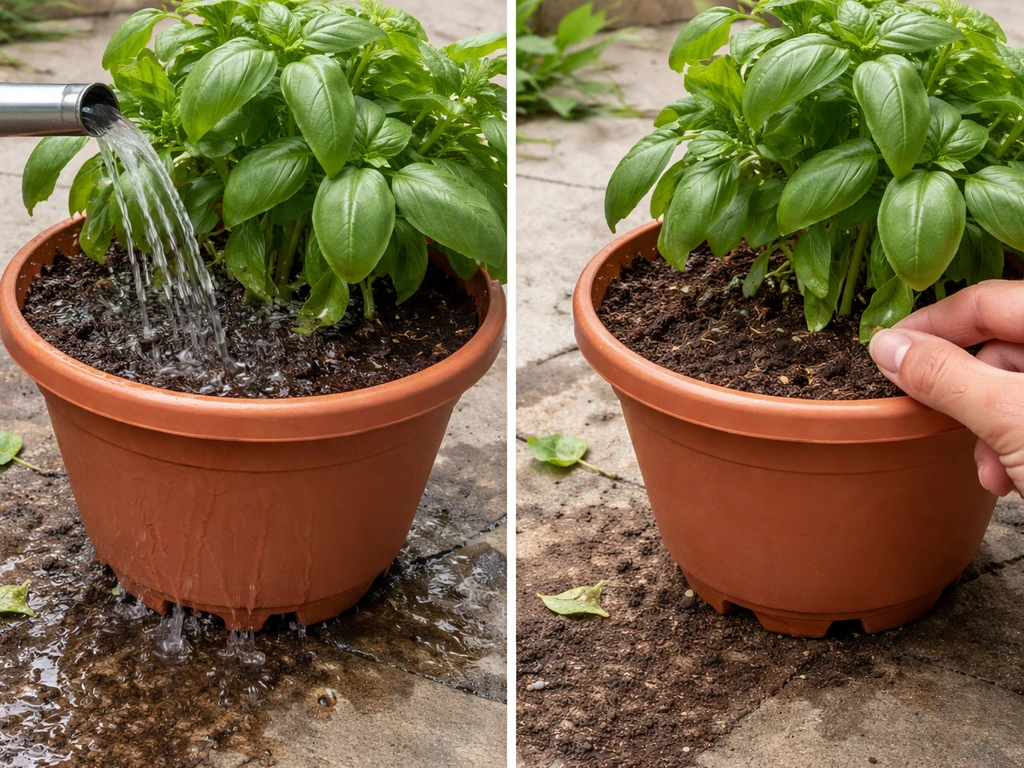
Watering and rot prevention
The single biggest maintenance rule is the wet-dry cycle. Water the basin thoroughly until water drips freely from the drainage holes, then walk away and don't water again until the soil is completely dry to the touch at least an inch down. In summer heat, this might mean watering every 10 to 14 days. In cooler weather or cloudy spells, you might go 3 to 4 weeks between waterings. If you're unsure, wait another day or two. Succulents almost always recover from underwatering, but root rot from overwatering can wipe out a planting in a week.
Algae buildup
Algae loves the damp, sun-warmed rim and outer edges of a bird bath planter, especially where water drips out of the drainage holes and down the basin. A green slime ring around the base of the bird bath is mostly cosmetic but can become slippery and look messy. Scrub it off with a stiff brush and plain water every few weeks.
If you want to use a cleaning product, be careful: many bird bath algae treatments (including products like Physan 20) are applied before filling the bath with water and are rinsed clean before use. If you're using the bird bath as a succulent planter rather than a water source, you can scrub the exterior with a diluted white vinegar solution (1 part vinegar to 9 parts water) and rinse thoroughly without harming the plants.
Mosquitoes
If you have a well-drained succulent bird bath, mosquitoes are much less of a concern because there's no standing water in the basin. The risk shows up mainly in two situations: if a heavy rain pools on top of the soil mix before it drains, or if a saucer or tray under the bird bath collects runoff. Don't use a catch tray if you can help it. If standing water does accumulate briefly, health authorities recommend changing it at least twice a week to break the mosquito breeding cycle. For any persistent pooling, you can use a Bti-based mosquito dunk or bits, which are EPA-registered larvicides safe for use around people and animals. Always follow label instructions.
Protecting succulents from freezing
If you're in a climate with freezing winters, your two biggest risks are freeze damage to the plants themselves and freeze-thaw damage to the bird bath basin. North Carolina State University extension offers a quick tip sheet on keeping a bird bath from freezing in cold weather [NCSU CES](https://www. ces. ncsu.
edu/wp-content/uploads/2021/12/Quick-TIP-JKing. pdf? fwd=no). For the plants, stick to zone-hardy varieties (sempervivums survive well into USDA zone 3) and stop supplemental watering several weeks before your first expected frost so the soil and roots go into winter as dry as possible.
Dry roots tolerate cold much better than wet ones. For the basin, remember that water expanding inside a concrete or ceramic bird bath during a freeze can cause cracks, especially if water is sitting in the basin. If you can't bring the bird bath indoors, consider elevating it off the ground on a mat or wooden board to reduce freeze contact from below, and empty any catch saucers before a hard freeze.
In very cold regions (zones 3 to 5), many gardeners bring glazed or ceramic bird bath planters into an unheated garage for winter and leave the planted concrete or stone ones outdoors with cold-hardy sempervivums intact.
General cleaning without harming plants
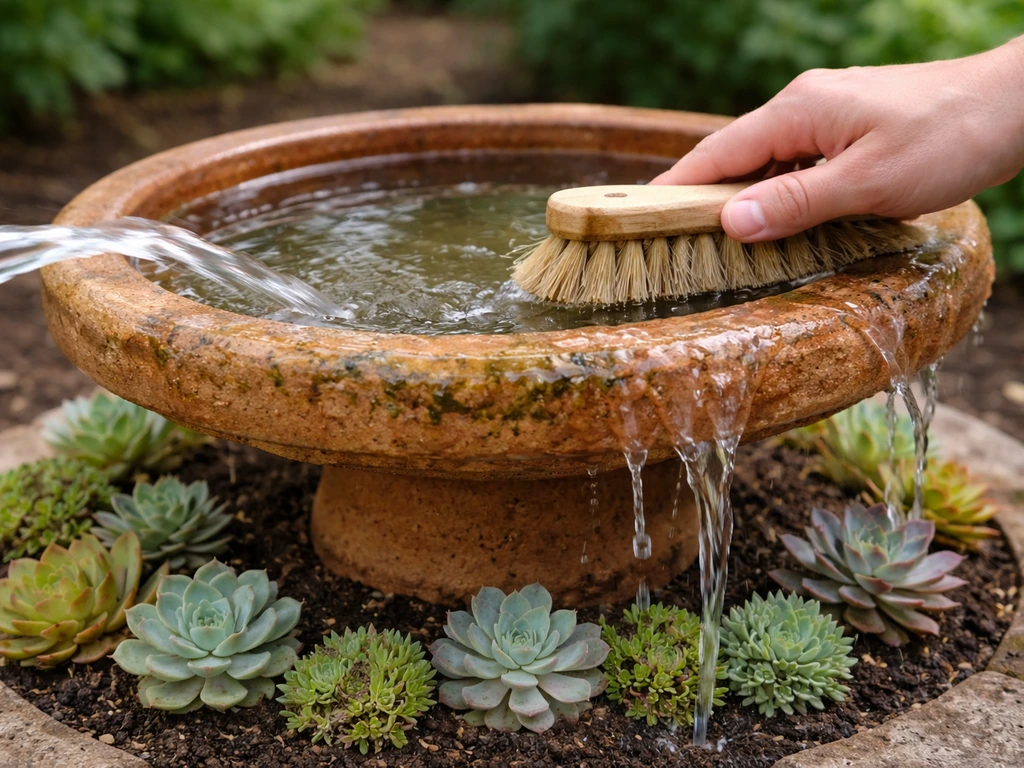
Cleaning the exterior of a planted bird bath is easy: a stiff brush and water handle most dirt, bird droppings, and light algae. Avoid pressure washing directly at the soil surface, which will blast your top-dressing layer away and can expose roots. If the inner rim of the basin gets grungy, use a damp cloth or brush to wipe it down. Avoid bleach solutions near the plants or soil, as bleach residue can damage succulents and the beneficial soil biology they depend on.
Keeping birds happy too
Once your bird bath is planted with succulents, it's no longer a functioning water source for birds. If attracting birds is part of your backyard goal (and on this site, it usually is), plan to add a separate, unplanted bird bath nearby. To make your bird bath look finished, you can also landscape around it with low, sun-loving plants and a simple edging plan that keeps the area tidy and drainage-friendly attracting birds.
You get the best of both: a beautiful succulent planter as a focal point, and a dedicated water bath that birds will actually use. If you're curious about what to plant around the base of your succulent bird bath to tie the space together, or how to landscape the surrounding bed, those are genuinely rewarding projects to layer in once the main planting is established.
| Succulent Type | Light Needs | Cold Hardiness (USDA Zone) | Root Depth | Best For |
|---|---|---|---|---|
| Sempervivum (hen-and-chicks) | 6+ hours direct sun | Zone 3–8 | Shallow | Cold climates, all-season outdoor planters |
| Sedum (low-growing) | 4–6 hours direct sun | Zone 3–9 (varies by variety) | Shallow | Spreading, gap-filling coverage |
| Echeveria | 4–6 hours direct sun | Zone 9–11 (bring in below 40°F) | Shallow | Warm climates, decorative rosettes |
| Haworthia | Partial shade to 4 hours sun | Zone 9–11 | Shallow | Lower-light spots |
| Dwarf Aloe | 5–6 hours direct sun | Zone 9–11 | Moderate | Wide, deep basins in warm climates |
FAQ
Can I plant succulents in a bird bath without drilling holes if I use a lot of gravel?
No. A gravel layer will not prevent waterlogging, because it only drains effectively after the finer soil above it becomes saturated. For succulents, you need at least one real drainage hole (ideally two or three) plus a basin that can drip excess water away from the pedestal or base.
What soil depth should I use in a bird bath planter?
Aim for the minimum depth that still covers the root ball or cuttings comfortably, usually about 2 to 4 inches for shallow rosette succulents. Deeper is not always better, because it increases the volume that stays wet. If your bird bath is very shallow, prioritize rosette types with compact root systems.
How do I handle succulents that are already in a nursery pot when transplanting?
Gently loosen the nursery soil so the roots are not tightly packed in peat-heavy mix. Recenter the plant so the crown sits at or slightly above the soil line, then top with your gritty mix. Keeping the crown out of moist soil reduces crown rot risk.
How soon after planting can I water, and what does the first watering look like?
Water once you finish planting, until you see water run freely out of the drainage holes. After that, follow the wet-dry schedule and wait for the soil to dry at least an inch down. If the basin takes longer than a day to dry, your soil mix is too fine or the holes are not allowing fast exit.
My bird bath rim gets algae quickly. Should I reduce sun exposure or change my approach?
Changing sun is not usually the best fix, since succulents need direct light. Instead, scrape algae off regularly, keep soil splash low by watering carefully, and avoid letting water pool around the outer edges. A gritty top-dressing and a correctly sized drainage layout also help.
What if my bird bath is glazed ceramic or a metal bowl, can I still do this successfully?
You can, but glaze and metal each add challenges. Glazed walls are less breathable, so rely more on drainage hole performance and a fast-drying gritty mix. With metal, watch for heat spikes in full sun, consider partial morning shade, and avoid placing it on surfaces that trap heat under the bowl.
How do I prevent crown rot when planting rosette succulents?
Keep the crown above the soil and avoid burying the rosette base. If you mix in a gritty soil blend, you can also add a thin gravel top-dress around plants (not over the crown) to discourage moist contact. After planting, do not overwater during the first couple of weeks.
Do I need to remove the bird bath tray or can I let runoff collect under it?
If you can, avoid trays or saucers. Even short-term pooling can increase mosquito risk and keep the underside wetter, which can accelerate algae growth on splash zones. If you must use a base, empty any collected water before it can stand.
Will succulents overwinter in a bird bath if I live in a freeze-prone area?
Sometimes, but only if you choose cold-hardy varieties and manage winter dryness. Stop supplemental watering several weeks before the first frost, let the soil fully dry, and protect the basin from freeze-thaw stress by emptying any catch areas. Porous stone may still crack over time even with good drainage.
What should I do when the bird bath gets cracked over time?
Hairline cracks are often a sign freeze-thaw has started. If you see recurring cracking or widening leaks, relocate the planter, cover it during winter weather, or switch to more cold-tolerant material and varieties. Avoid patching with materials that trap moisture inside the basin.
How can I tell if my drainage setup is working before the plants fully establish?
After watering, check that water drains out promptly and that the soil dries evenly. If the basin still feels damp 24 hours later, or if water seeps out slowly from the center while outer areas dry first, you likely need more holes, larger holes, or a higher proportion of perlite/pumice or coarse sand in the mix.