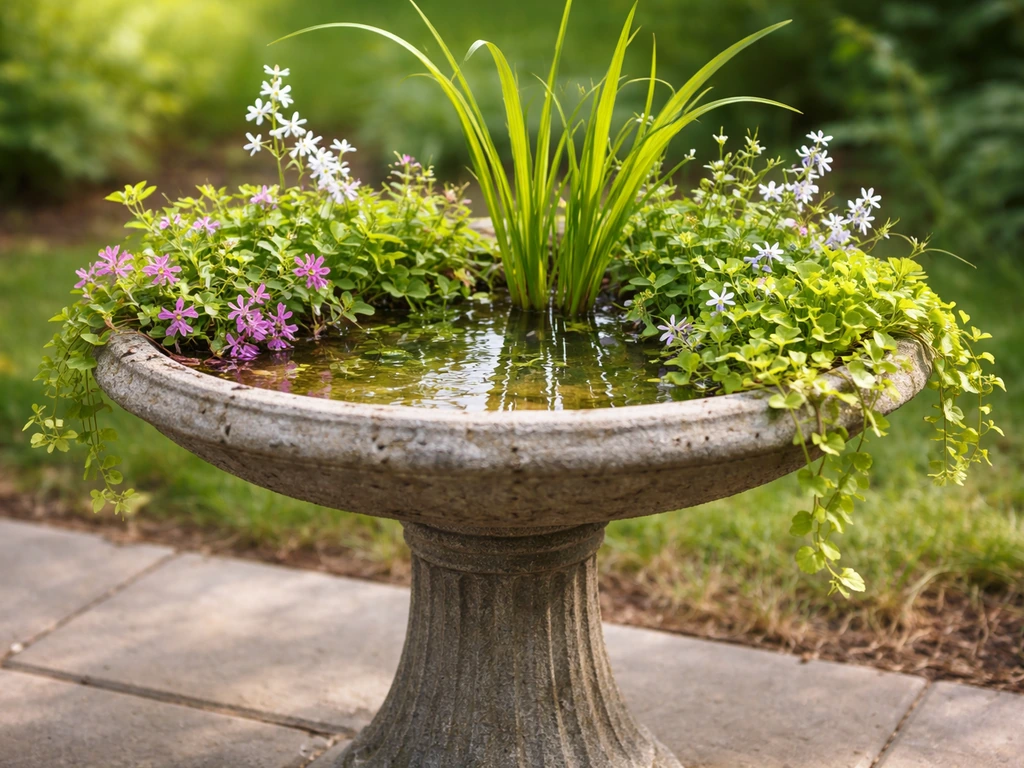
You can absolutely plant flowers in or around a bird bath, and when done right it looks stunning while keeping birds happy and safe. If you are still figuring out what to plant around a bird bath, start by matching the plants to your sunlight and keeping soil safely out of the open water. The key is treating the bird bath as a container garden with strict rules: keep soil out of the water, use only non-toxic moisture-tolerant plants, maintain at least two-thirds of the basin open for birds to drink and bathe, and clean the water just as often as you would without plants. Whether you're tucking small potted flowers into a wide concrete basin or building a full planting arrangement around a pedestal bath, the steps below will walk you through everything from setup to seasonal care.
How to Plant Flowers in a Bird Bath: Step-by-Step Guide

Choosing the right bird bath for planting
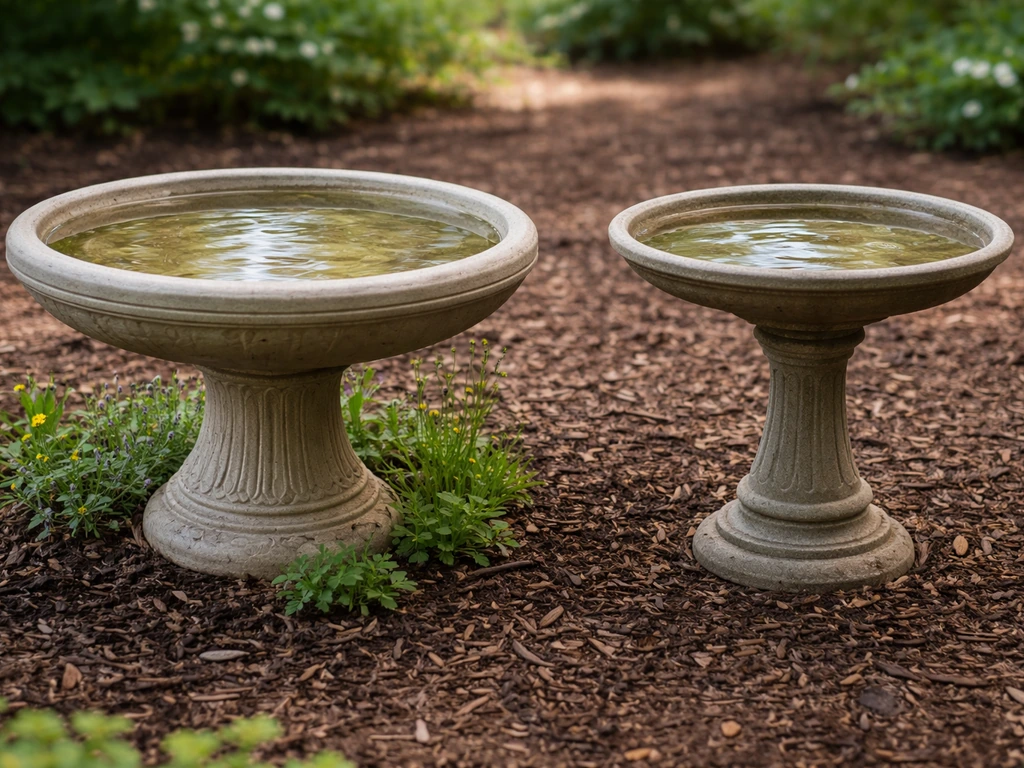
Not every bird bath works equally well as a planting base, and picking the right one from the start saves a lot of headaches. The ideal candidate for adding plants is wide, stable, and shallow. The RSPB recommends basins at least 30cm (about 12 inches) across, and most bird health guidelines suggest a maximum water depth of around 2 inches, sloping from roughly half an inch at the edges up to 2 inches at the center.
That shallow profile actually works in your favor for plants: it means you have rim space to set small containers without blocking the bathing area. For a complete guide on how to landscape around a bird bath, including what to plant and how to arrange it, follow the full landscaping steps rim space to set small containers.
Material matters more than people realize. Here's a quick breakdown of how common bird bath materials handle the added demands of plants and moisture:
| Material | Plant-Friendly? | Main Consideration |
|---|---|---|
| Concrete | Yes, great choice | Heavy and stable; porous surface can harbor algae but anchors containers well |
| Ceramic/Glazed | Yes, with care | Smooth rim can shift containers; check for non-toxic glaze before use |
| Metal (copper, galvanized) | Use caution | Copper is naturally algae-resistant but can leach into water at high concentrations; avoid with fish or heavily planted setups |
| Plastic/resin | Yes | Lightweight means it tips easily with added container weight; use a wide base model |
| Heated bird bath | Limited | Heating element placement can conflict with containers; plants may trap debris near the element |
| Solar bird bath | Yes | Solar fountain keeps water moving, which actually helps mosquito prevention alongside plants |
A wide, heavy concrete or ceramic pedestal bath is the most forgiving option. If you're working with a shallow ground-level bath, you have even more flexibility because stability isn't a concern. Avoid anything narrower than 12 inches across or deeper than 3 inches if birds are your priority. The planting should always feel like an accent around open water, not the main event.
Safe flowers and plants that actually thrive here
The two non-negotiable criteria are: the plant must tolerate constantly damp roots, and it must be non-toxic to birds. Birds drink, splash, and preen in this water, so anything that leaches chemicals, oils, or toxins is off the table. Beyond that, you want low-growing plants that won't block bird sightlines or create too much hiding cover that makes birds nervous.
Flowers and plants that check all the boxes include:
- Impatiens: one of the best choices, loves shade and wet soil, non-toxic, stays low
- Lobelia (trailing varieties): tolerates wet roots beautifully, non-toxic, spills nicely over edges
- Creeping Jenny (Lysimachia nummularia): almost impossible to kill in wet conditions, spreads attractively around the rim
- Bacopa: delicate white or pink flowers, moisture-loving, compact and bird-safe
- Sedges and small ornamental grasses: genuinely water-tolerant, add texture, non-toxic
- Ferns (small varieties like maidenhair): love humidity and moisture near water features
- Miniature hostas: thrive in wet shade, non-toxic, and look beautiful framing a bird bath
- Nasturtiums: edible (even for birds in small amounts), easy from seed, tolerates average moisture but not soggy roots, so use these in containers with drainage
Plants to avoid include anything from the lily family (toxic to many birds and pets), anything with strong essential oils like lavender or eucalyptus in direct contact with water, and any plant treated with systemic pesticides or slow-release fertilizers that could leach into the bath. If you're unsure about a plant, the ASPCA toxic plant database is a quick reference worth bookmarking. For a deeper dive into which species work best in shallow water conditions specifically, the topic of what to plant in a shallow bird bath covers the options in much more detail. For ideas on flower choices, use the section on flower what to plant in shallow bird bath to match plants to water depth and bird safety what to plant in a shallow bird bath.
Preparing the bird bath before you plant anything
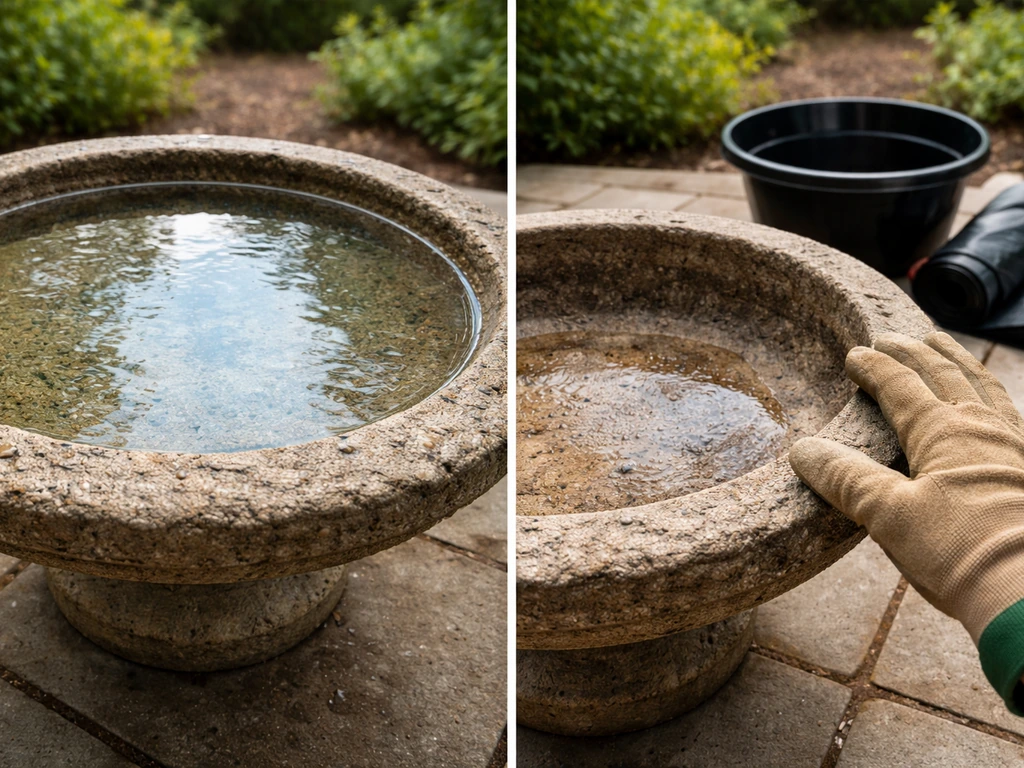
Before any soil or pots come near your bird bath, do a full clean and inspection. Scrub the basin with a stiff brush and plain water (no soap), rinse thoroughly, and check for cracks. Even hairline cracks matter here because plant roots can widen them over time, and moisture constantly pressing into porous concrete will accelerate any existing damage.
Decide upfront whether you're planting directly into the basin or using containers. Direct planting means filling the basin with potting mix, which permanently converts the bath from a water feature into a planter. It looks great but birds lose their water source. If keeping the water is your goal, you want the container approach: individual small pots or a liner arrangement that keeps soil physically separated from the open water area.
If you're converting an old cracked bath into a pure planter (no water), seal the drainage hole or crack with hydraulic cement or a waterproof epoxy to retain just enough moisture for plant roots without complete waterlogging. Drill 2-3 small drainage holes if none exist, so roots don't sit in standing water. If the bath has no pedestal and sits flat, raise it slightly on pavers so excess water can drain underneath.
For the dual-purpose setup (plants plus water), the prep work is about creating a clean barrier. Wrap small terracotta or plastic pots in waterproof saucers so soil doesn't wash into the water zone. Test the arrangement dry before adding water or plants: set the pots in place, fill the open area with water, and see if any soil or debris migrates. Follow simple flower pot bird bath instructions to keep plants from washing into the water and to maintain safe, clear bathing space for birds. Adjust pot placement until the open water stays completely clean.
Step-by-step: how to plant flowers in your bird bath
- Clean the bird bath thoroughly with a scrub brush and plain water. Rinse until no residue remains.
- Choose your planting method: containers around the rim, a liner section in one half of the basin, or full conversion to a planter (no water). Decide before you buy plants.
- For the container method, select small pots (4-6 inch diameter works well for most rim arrangements) with saucers. Fill with a quality potting mix, not garden soil, which compacts and drains poorly in containers.
- Plant your chosen flowers in the pots, pressing soil firmly around roots and leaving about half an inch of space at the top to prevent overflow when watering.
- Position pots along the rim or edge of the basin. Keep a minimum of two-thirds of the water surface open and accessible. Birds need clear approach angles from multiple directions.
- Use small stones, gravel, or non-toxic waterproof adhesive pads under pots to prevent sliding. On curved-rim baths, a small piece of non-slip shelf liner cut to size works perfectly.
- Fill the open water area to your target depth: about 1 inch at the edges sloping to 2 inches at the center. Check that no pot soil is touching the water.
- Add a few clean, smooth stones in the water area to give small birds and insects a safe landing spot without reducing usable water depth.
- Check the whole setup from a bird's perspective: stand back and look for anything that blocks easy approach, restricts exit, or looks like a threat (dense overhanging plants can make birds feel exposed to predators).
- Water the plants directly at soil level, not over the whole bath, to avoid washing soil into the water zone.
Placement, sunlight, and keeping everything alive
Where you put the bird bath affects both your plants and your birds, and the two don't always want the same thing. If you're still deciding, check our guide on where to put a bird bath for the best combination of bird comfort and plant success Where you put the bird bath. Birds prefer partial shade with clear sightlines to nearby cover (a shrub or tree within 10-15 feet for a quick escape), while many flowering plants want more sun. The sweet spot is morning sun with afternoon shade, which works for both impatiens and birds, and also reduces algae growth and water evaporation.
If your yard is mostly sunny and you love flowering plants, lean toward sun-tolerant trailing varieties like bacopa or nasturtiums in well-draining containers on the rim. For shadier spots, impatiens, ferns, and hostas are your best friends. Avoid placing the bath directly under trees that drop seeds, berries, or sap into the water. Placement is a whole topic worth thinking through carefully, especially since where you put the bird bath affects traffic from birds and how often you'll need to clean it.
For maintenance, plan on a realistic weekly schedule once plants are established:
- Every 2-3 days: top up the water level and check that no soil has migrated into the basin
- Every week: empty the basin completely, scrub with a brush, rinse, and refill with fresh water (this also prevents mosquito breeding)
- Every week: check plants for yellowing, root rot, or overgrowth encroaching on the water area
- Every 2-4 weeks: trim or repot any plants that are spilling into the water zone
- Each season: reassess which plants are thriving and replace any that have died or grown too large
Keeping the water safe: algae, toxins, and mosquitoes
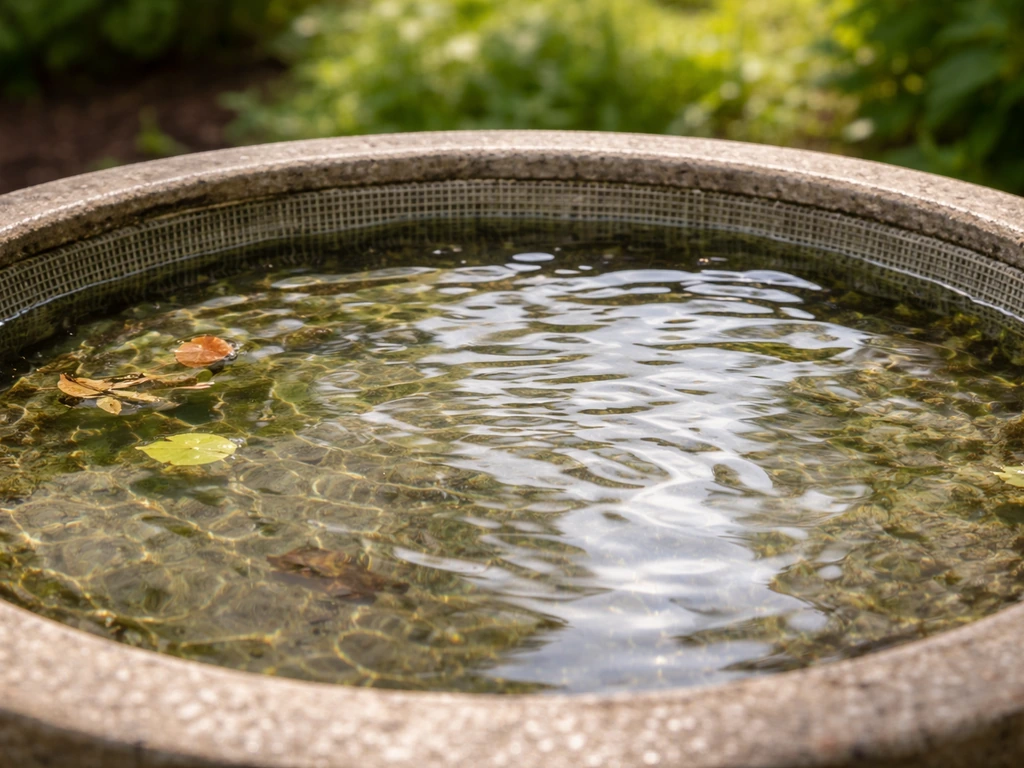
Adding plants near a bird bath increases organic material near the water, which speeds up algae growth and creates more surface area for debris to collect. Algae isn't immediately harmful to birds, but it makes water uninviting and can harbor bacteria. The All About Birds recommendation is simple: scrub the moment you see algae starting. With plants in the mix, that means you may be cleaning more often, especially in warm weather.
Mosquitoes are a bigger concern. Mosquito larvae live in standing water with little or no flow, and a bird bath with surrounding plants creates the kind of sheltered, still-water environment they love. The CDC recommends emptying and scrubbing birdbaths at least once a week to eliminate mosquito eggs and larvae before they mature. That weekly clean isn't optional when you have plants: fallen leaves, spent blooms, and soil particles create micro-habitats at the water's edge that mosquitoes exploit.
A few practical safeguards that work well with planted bird baths:
- Use a solar-powered fountain or dripper to keep water moving: mosquito larvae can't survive in flowing water
- Never use algaecides, bleach, or chemical treatments in a bird bath with nearby plants: runoff will harm both plants and birds
- Avoid fertilizing container plants with liquid fertilizers that could drip into the water: slow-release granular fertilizer worked into dry soil at planting time is safer
- Remove spent flowers and fallen leaves immediately: decomposing plant material in or near the water causes rapid bacterial and algae blooms
- In winter, if you use a heated bird bath, remove all plant containers before temperatures drop: freezing soil in pots can crack both the pot and the basin
What to do when things go wrong
Plants are rotting or dying fast
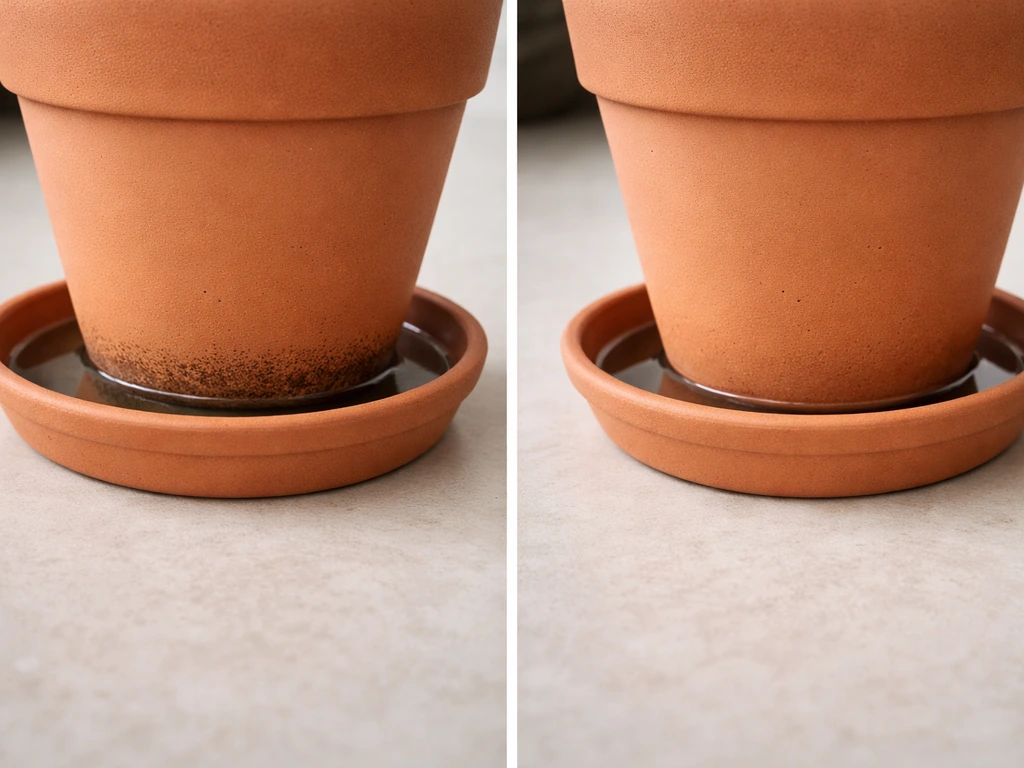
Root rot is almost always caused by poor drainage combined with overwatering. If your pots have no drainage holes, add them. Make sure saucers aren't permanently filled with water, just used as splash guards. Switch to a well-draining potting mix with added perlite if the soil stays soggy. If you're in a wet climate or a rainy stretch, hold off on watering the plants manually and let rain do the work.
The water keeps going murky or muddy
Muddy water means soil is getting into the basin. Check your pot saucers and make sure the rim of each pot sits above the waterline. If a pot is leaning or tipping toward the water, reposition it and add a non-slip pad. Sometimes the problem is simply splashing: birds bathing vigorously can send water surging into nearby pot soil. Moving the pots slightly back from the water edge by an inch or two usually fixes this.
Birds have stopped visiting
This is the most frustrating outcome and usually comes down to one of three causes: the plants are blocking sightlines or the approach path, the water looks or smells off to them, or there's too much nearby cover that makes them feel unsafe (potential predator hiding spots). Try removing one or two plants temporarily and see if birds return. If they do, that arrangement had too much visual clutter. Also do a full water change and scrub: birds are remarkably sensitive to water quality and will abandon a bath that smells stale or has algae film even if it looks okay to you.
Plants are growing too aggressively
Creeping Jenny, bacopa, and trailing lobelia can spread quickly in a warm, moist environment. Trim them back every two to three weeks during peak growing season and repot into slightly smaller containers if needed to limit root spread. If a plant keeps pushing into the water zone no matter how often you trim, replace it with a more compact variety. The goal is a bath that looks lush but still reads as a water feature first.
Your next steps after planting
Once your planted bird bath is set up, give it a week before judging results. Birds can take 3-7 days to trust a changed water source, especially if you've rearranged the surroundings. Keep the water fresh, trim plants that get pushy, and stay on top of that weekly clean.
If you want to expand the look further, landscaping around the base of the bird bath with larger moisture-loving plants can create a cohesive water garden feel without interfering with the basin itself. You can also explore planting succulents in an old bath as a separate feature if you have a cracked one that can no longer hold water. The core principle stays the same throughout: birds come first, plants are the accent.
FAQ
Can I plant flowers directly into the bird bath, or should I always use containers?
You can plant directly, but it effectively turns the bath into a planter and reduces the pure “water feature” value for birds. If you want birds to keep using it immediately, use containers or a lined barrier so soil stays physically separated from the open water zone. Direct planting also makes weekly scrubbing harder because roots and mix trap debris.
How shallow can the water be and still be safe for birds with plants?
Aim for shallow water that lets birds stand comfortably, with the edges kept close to the minimum depth and the center deeper but still limited. If the bath becomes deeper due to pot placement or buildup of material, birds may avoid it. A quick check is to pour water and observe whether any plant sits low enough to reduce open-water depth along the rim.
What potting mix should I use so plants don’t foul the bath?
Use a moisture-tolerant potting mix that drains well (often with perlite added). Avoid mixes that shed fine particles easily, if possible. After you set pots in place, do the dry test (fill the basin with water without adding plants, then check for soil migration) to confirm the mix and saucers are not washing into the water.
Do I need drainage holes in the pots if the bird bath is already shallow?
Yes, drainage holes are strongly recommended. Constant dampness is fine for the right plants, but pots without drainage can cause sour, muddy conditions and lead to root rot. If you add drainage, use saucers strictly as splash guards, never as reservoirs that remain filled.
Which fertilizers are safest when flowers are growing near bird bath water?
Skip systemic pesticides and anything that could leach into the bath, and prefer minimal-feeding or slow, surface-safe approaches. If you feed, do it carefully off the rim and never let granules or runoff reach the water. Many people switch to “time-release” only on the dry side of the arrangement or avoid fertilizing entirely in favor of hardy, low-nutrient-tolerant plants.
Are any popular bird-friendly flowers actually bad choices because of oils or sap?
Yes. Even if a plant is not on common toxicity lists, strong essential oils (for example, lavender or eucalyptus) can be an issue when their oils contact water. Also watch for plants with sticky sap or heavy leaf drop, which increases film and debris. When in doubt, keep the plant’s foliage and stems out of direct contact with the water surface and confirm bird safety before planting.
Why aren’t birds using my planted bird bath anymore?
Common causes are clutter blocking their approach, water that looks stale (algae film) or smells off, and hiding cover nearby that makes them feel exposed. Remove one or two plants temporarily and refresh the water with a full scrub. If birds return quickly, the original arrangement likely had too much visual obstruction or created too much organic buildup.
How often should I clean when there are plants, and what should I scrub?
Plan for more frequent scrubbing than you would with no plants, especially in warm weather. Start scrubbing at the first sign of algae film, and do a thorough basin scrub at least weekly to prevent mosquito breeding. Focus on removing algae, plant debris, and any biofilm along the rim and in the open-water zone.
Will planted bird baths attract more mosquitoes?
They can, because plants and leaves create sheltered, still-water micro-areas where larvae develop. The safeguard is strict weekly emptying and scrubbing, remove fallen leaves promptly, and avoid letting saucers or pot bases hold excess water. Also keep pots positioned so water stays clean and you do not get soil washing into the basin.
What should I do if soil is washing into the water and making it muddy?
First, confirm pot saucers are in place and not tilted, and make sure each pot rim sits above the waterline. Reposition pots slightly back from the edge (often an inch or two helps), and consider adding a non-slip pad so tipping doesn’t recreate the problem. If needed, switch to a more stable mix and re-do the dry test before filling.
Can I use terracotta pots for a planted bird bath safely?
Often yes, but terracotta can be more porous and can shed material as it dries and re-wets. Wrap the pots with waterproof splash guards or saucers so soil does not wash into the bath. Also expect more frequent monitoring of cleanliness, because terracotta’s texture can make it easier for debris to accumulate near the rim.
How long should I wait before judging whether birds and the plants are thriving?
Give it about a week after setup. Birds can take several days to trust a changed water source, especially if you recently rearranged surrounding plants. During that period, keep water fresh, trim any plants that encroach into the open-water area, and stick to the weekly scrub schedule.
What if my trailing plants keep spilling into the water despite trimming?
Trim on a regular schedule, but also consider switching to a more compact variety if it keeps pushing into the water zone. Repot into slightly smaller containers to slow spread and set pots so the open-water area stays visually and physically clear. If the plant’s growth habit is uncontrollable, it’s safer for bird access to replace rather than keep fighting it.