
You can absolutely plant flowers in a shallow bird bath, but the key is keeping plants at the edges or in small containers rather than rooting them in open water, so birds still have 1 to 2 inches of clean, clear water to bathe in. In practice, that means you can plant succulents in a bird bath by keeping them along the edges in containers rather than in open water. The best choices are marginal or bog-style plants that tolerate wet feet without actually needing to be submerged: things like canna, pickerelweed, soft rush, water iris, and creeping Jenny. Float a water hyacinth in the center if you want drama, or tuck a small aquatic basket at one edge. Done right, you get a beautiful planted feature that birds still actually use.
Flower What to Plant in a Shallow Bird Bath

Marcus Henley
2 May 2026
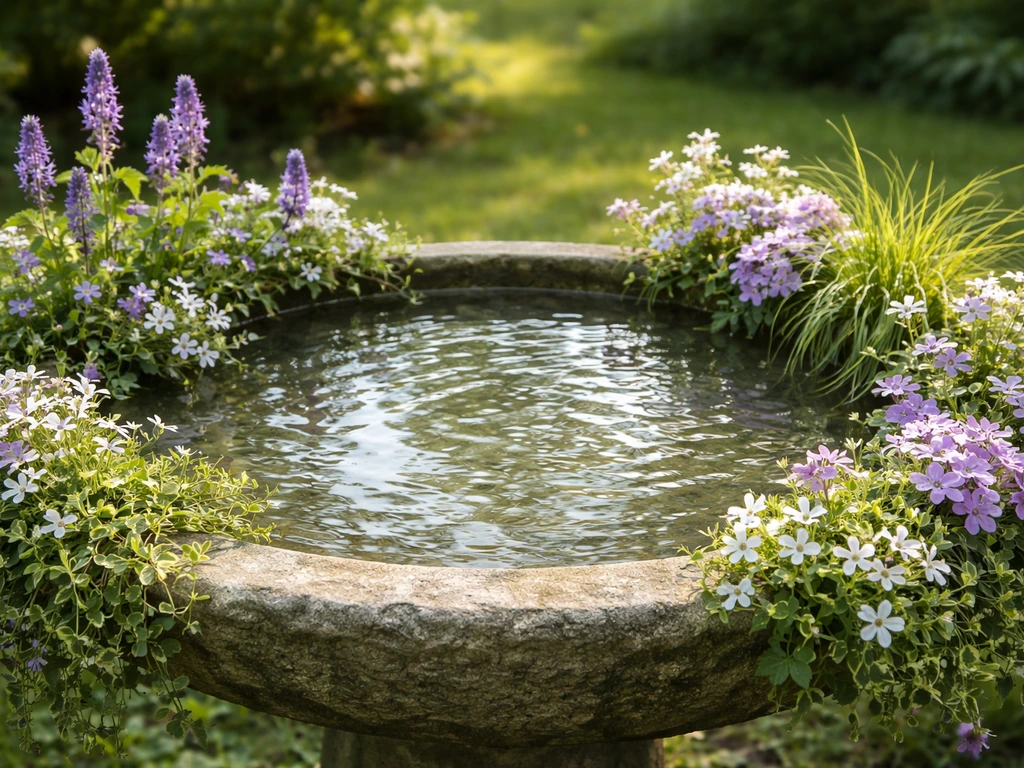
Best plant types for a shallow bird bath
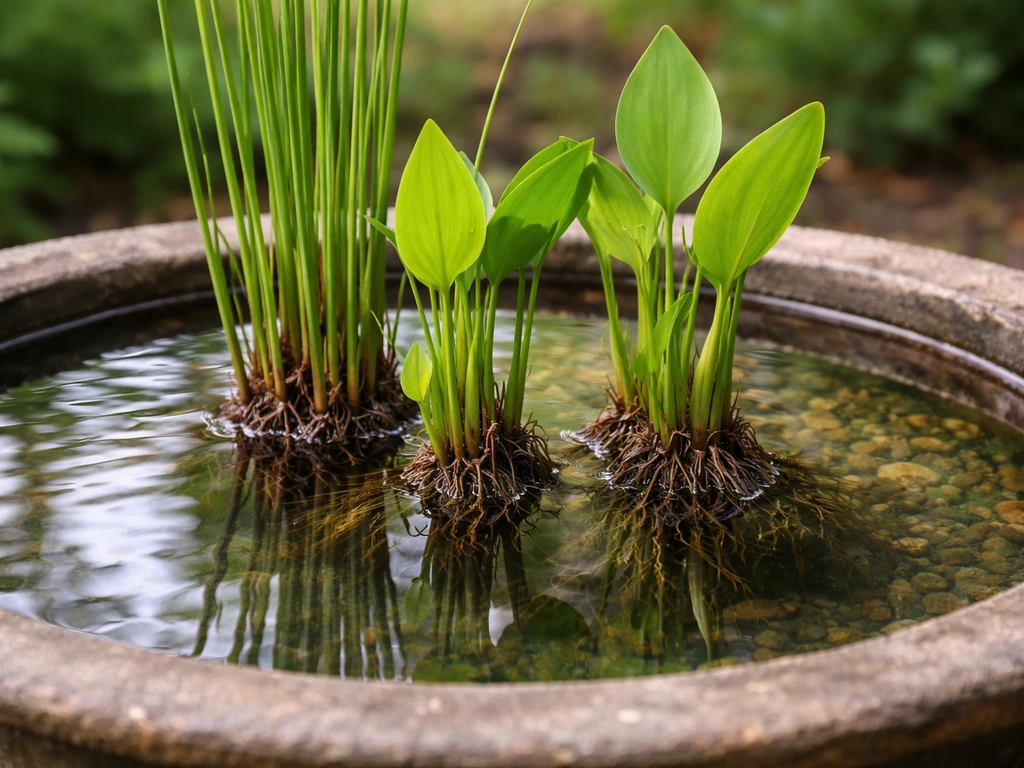
The fundamental constraint here is depth. All About Birds recommends bird-bath water that is no deeper than 1 inch at the edges, sloping to a maximum of 2 inches deep in the middle. Birds need water no deeper than their legs, and the NWF puts the sweet spot at no more than 3 inches, with most small songbirds happiest in 1 to 2 inches. That rules out anything needing deep submersion. What works are plants in three rough categories.
- Marginal/emergent plants: these grow with their roots and base in water but their stems and leaves above the surface. Think pickerelweed, water iris (Iris pseudacorus or Iris versicolor), dwarf cattail, and golden canna. They're perfect for the perimeter of a bath.
- Bog or wet-feet plants: they want consistently moist or soggy soil but not standing water over their crowns. Soft rush, creeping Jenny, cardinal flower, and lobelia fall here. Great for planting around the rim or in a slightly elevated pocket.
- Floating plants: water hyacinth and water lettuce sit on the surface with roots hanging down. They add beauty and actually help with algae by competing for nutrients, but they spread aggressively in warm climates and are invasive in many southern states, so check your local regulations before using them.
For pure flower impact, water iris, pickerelweed (which has striking blue-purple spikes), golden canna (bright yellow), and cardinal flower (red) are the most rewarding. If you want something low-fuss, creeping Jenny gives you a soft, trailing green edge that birds don't mind at all.
Choosing plants based on your bird bath material and depth
Not every bird bath handles plants the same way. The material and basin shape matter both for what plants will survive and for whether adding plants is even practical.
| Bird Bath Type | Typical Depth | Best Plant Approach | Watch Out For |
|---|---|---|---|
| Concrete/stone | 1–3 inches, flat basin | Small aquatic basket at one edge, or bog pot alongside | Weight of baskets can chip older concrete; rinse well after any soil contact |
| Ceramic/glazed | 1–2 inches, often shallow and smooth | Floating plant in a small mesh pot, or wetland plant in a separate container placed next to the rim | Smooth sides make basket placement unstable; use a flat-bottomed basket |
| Plastic/resin | 1–2 inches | Most flexible, handles baskets and floating plants well | UV degradation over time; watch for cracking that traps debris |
| Metal (copper, galvanized) | 1–2 inches | Stick to edge bog pots or plants in separate containers beside the bath | Some metals leach into water; avoid submerging baskets directly in copper baths |
| Heated (electric) | 1–2 inches | Plants not recommended inside the basin; use pots around the outside | Plant roots and debris near heating elements are a safety and maintenance issue |
| Solar-powered fountain style | 1–3 inches | Floating plants only, positioned away from pump intake | Roots and leaf litter clog solar pump intakes quickly |
If your bath is very shallow (under an inch) or has a very steep-sided basin with no gradual slope, adding any plant inside the basin will rob birds of their bathing space. For a simple, practical answer, review where to put your bird bath so visitors feel safe and the water stays usable where to put a bird bath. In that case, the better move is to plant around the bird bath rather than inside it, which creates the same lush, naturalistic look without sacrificing bird use.
Flower options that tolerate shallow water and light submersion
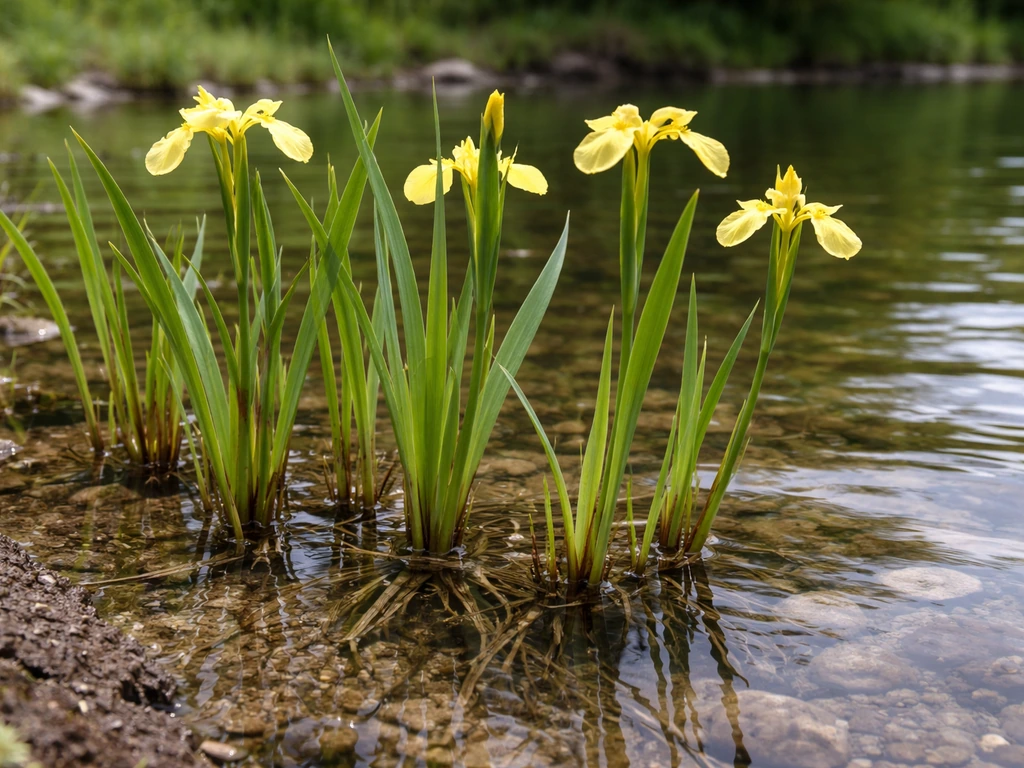
These are the specific flowers worth reaching for, with notes on depth tolerance and any regional caveats.
| Plant | Water Tolerance | Submerged Depth | Freeze Hardy? | Notes |
|---|---|---|---|---|
| Water iris (Iris pseudacorus / Iris versicolor) | Marginal, prefers wet roots | Up to 2–4 inches over crown | Yes (zones 3–9) | Stunning bloom, native options available, well-behaved in containers |
| Pickerelweed (Pontederia cordata) | Shallow marginal | 2–6 inches over crown | Yes (zones 3–10) | Blue-purple flower spikes; attracts pollinators too |
| Golden canna (Canna flaccida) | Wet feet, emergent | Roots moist, not submerged | No (frost-free only) | Bright yellow blooms; treat as annual in cold climates |
| Cardinal flower (Lobelia cardinalis) | Bog/wet feet | Tolerates soggy soil, not submersion | Yes (zones 2–9) | Brilliant red; hummingbirds love it alongside birds |
| Creeping Jenny (Lysimachia nummularia) | Wet feet to shallow margin | Tolerates light splashing | Yes (zones 3–9) | Low-growing, trails over rim beautifully; yellow flowers |
| Blue flag iris (Iris virginica) | Shallow margin | Up to 3–4 inches over roots | Yes (zones 4–9) | Native, great for naturalistic plantings |
| Marsh marigold (Caltha palustris) | Bog to shallow margin | Up to 2 inches | Yes (zones 3–7) | Early spring bloomer, bright yellow; goes dormant in summer heat |
| Water hyacinth (Eichhornia crassipes) | Floating | Roots hang free | No (frost kills it) | Fast-growing; INVASIVE in FL, TX, LA, CA and other warm states — check before buying |
My top pick for someone just getting started is water iris. It's widely available, genuinely beautiful, freeze-hardy in most of the country, behaves itself in a container, and the depth tolerance is forgiving. Pickerelweed is a close second, especially if you want to attract pollinators alongside the birds.
How to arrange plants (floating vs rooted vs bog-style) without harming birds
The layout matters as much as the plant choice. Birds need a clear, open zone to actually bathe. The rule I follow is to keep plants to one third or less of the basin's surface area, leaving the center open. Here's how each arrangement style works in practice.
Floating plant setup
Place a small mesh aquatic basket (about 4 to 6 inches wide) filled with aquatic soil and gravel at one side of the basin. Set the plant in it, position the basket so it barely peeks above the waterline, and let the foliage extend over the edge or across one corner. The basket keeps roots contained and soil from clouding the water. Avoid letting floating plants drift to cover the whole surface: birds will stop using the bath.
Rooted edge/marginal setup
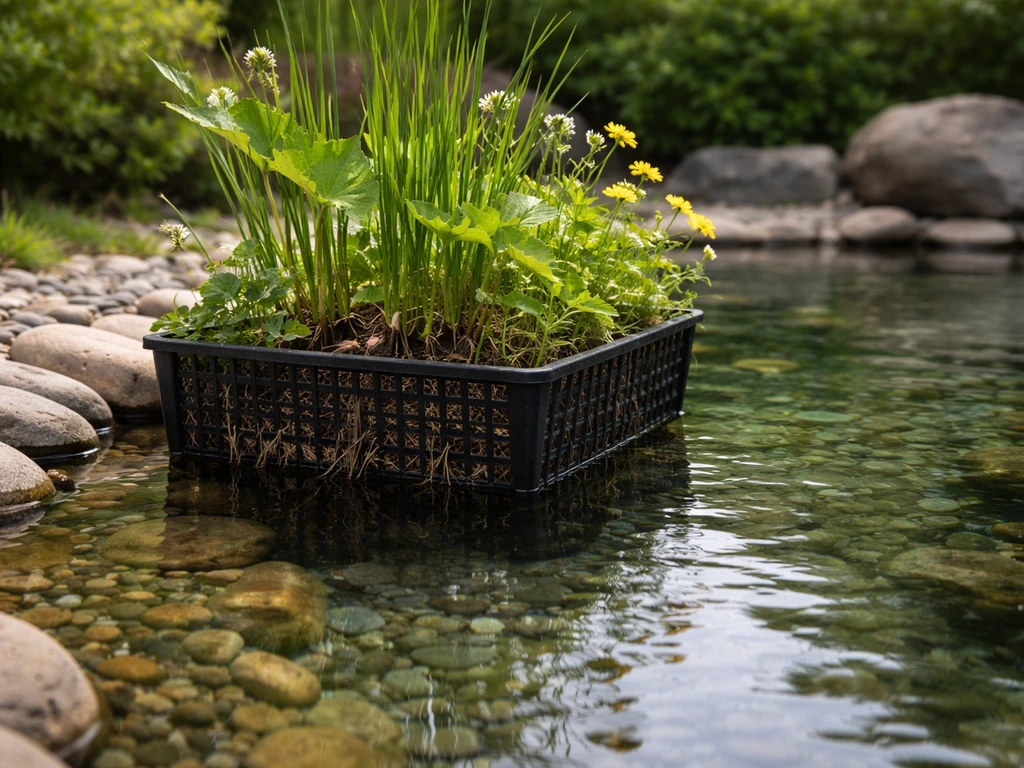
This is the most bird-friendly option. Plant your marginal or bog plant (iris, pickerelweed, rush) in a small aquatic basket and set it at the very edge of the basin, resting on the gradual-slope side if you have one, or on a flat stone placed inside the basin to raise the basket slightly. The plant roots sit in damp-to-wet conditions, the water level stays at or just below the basket rim, and the open center of the bath remains clear. Birds can land on the edge near the plant, use it as a perch, and still access the water easily.
Bog-style container alongside the bath
If your basin is too small or too shallow to fit any basket inside without sacrificing bird space, place a separate small pot or tray right next to the bath, keep it consistently wet, and plant your bog or wet-feet flowers there. From a visual standpoint, it reads as a planted bath when you're a few feet away, and the birds get the full basin to themselves. This works especially well for cardinal flower, canna, and lobelia, which want wet soil but not submersion.
One thing to watch in any setup: the plant should never block the bird bath's gradual-slope approach. Birds, especially small ones, need that gentle entry from a dry edge into shallow water. If a basket or plant is positioned at the shallowest end, move it to the deeper side or to an edge where birds don't typically enter.
Step-by-step planting and maintenance for healthy water and roots
Planting step-by-step
- Choose a mesh aquatic basket sized to your plant's root ball, typically 4 to 8 inches wide for a bird bath. Lattice-sided baskets let roots breathe and water circulate without letting soil escape.
- Line the basket with hessian burlap or aquatic basket liner fabric if the mesh holes are large. This keeps substrate in place without blocking water movement.
- Use aquatic potting soil or heavy clay-based aquatic compost, not regular potting mix. Regular potting mix floats and clouds the water badly. Top the soil with a 1-inch layer of pea gravel to lock in the surface and prevent loose particles from washing out.
- Plant your chosen plant, firming the soil around the roots gently. Wet the entire basket thoroughly and let it settle for a few minutes before placing it in the bath. This step is important: if you drop a dry basket into water, the loose top layer of soil immediately clouds everything.
- Lower the basket slowly into position at the edge of the basin. Raise it on a clean flat stone if needed to keep the plant crown at or just above the waterline.
- Fill the bath to your target depth (1 to 2 inches in the main area) and check that birds can still approach from the open, unplanted side.
- Wait 24 hours before expecting birds to return. The water will clear as the gravel layer settles any remaining fine particles.
Ongoing maintenance
Planted bird baths need a bit more attention than plain ones, but the routine is straightforward. Top up the water daily during hot weather since both plant uptake and evaporation accelerate in summer. Every week, do a full water change: empty the basin, scrub the surfaces with a stiff brush and very hot water (no soap near plants or birds), and refill. This is the same weekly scrub recommended for any bird bath to knock out mosquito eggs and algae before they establish. When you clean, remove the basket, set it aside, and scrub the basin independently.
Every two to four weeks, check the plant basket. Pull it out, inspect the roots, trim any dead foliage, and recheck that the gravel cap is intact. If the plant is growing fast (pickerelweed especially can take off in summer), you may need to divide or pot it up into a slightly larger basket every season to prevent roots from taking over the basin floor.
Fertilizing aquatic plants in a bird bath is generally not worth it, and I'd avoid it entirely. Any fertilizer that leaches into the water accelerates algae growth dramatically and isn't safe for birds drinking from the bath.
Troubleshooting: algae, stagnant water, mosquitoes, freezing, and pests
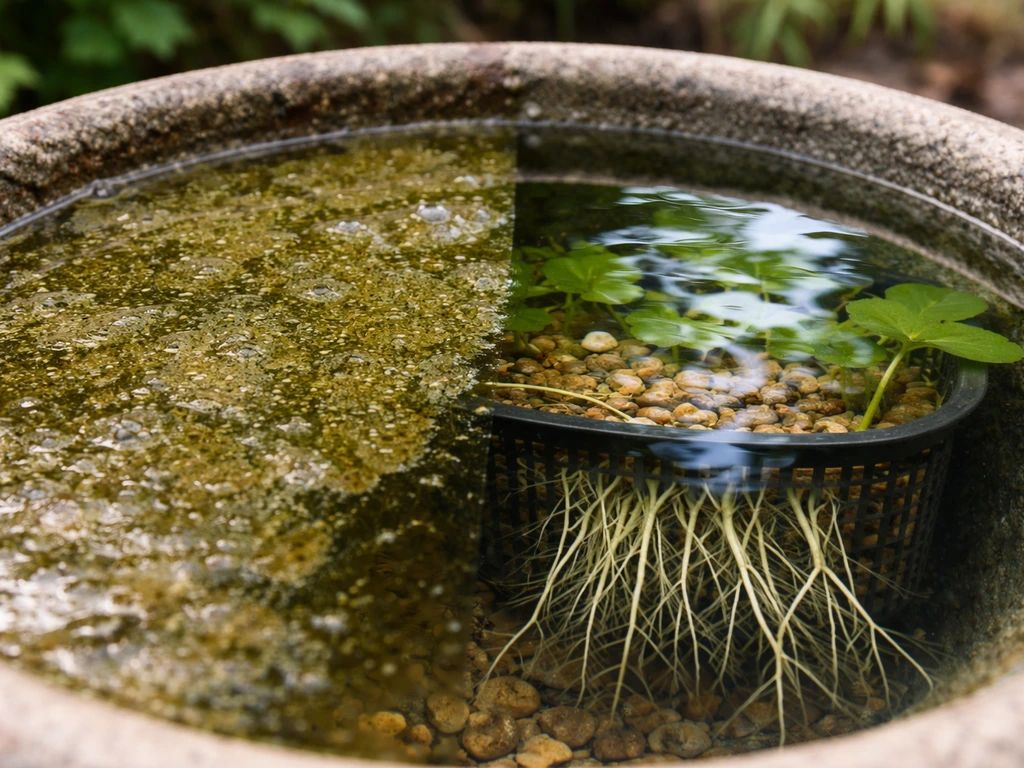
Algae
A planted bird bath is actually somewhat more resistant to heavy algae than a plain one, because plants compete for the same nutrients algae need. That said, algae will still appear, especially in warm weather and direct sun. When it does, remove it manually first, then scrub the basin with very hot water and a stiff brush. When algae starts to grow in a birdbath, All About Birds recommends scrubbing the birdbath immediately scrubbing the birdbath immediately if algae starts to grow. Don't use bleach around plants: it kills them and is harmful to birds even in dilute form. If you're getting green water consistently, check whether the basket is leaching nutrients (fertilized aquatic soil can do this) and switch to a plain heavy clay or field-soil substrate.
Stagnant water
Plants don't move water the way a dripper or fountain does, so a planted static bird bath needs that weekly full water change without exception. If you're seeing a scummy film between changes, try a small solar-powered pump positioned away from plant roots. The movement also makes the bath more attractive to birds. Adding a dripper or mister on the opposite side from the plant basket is an easy upgrade.
Mosquitoes
This is the big one with any standing water feature. The CDC recommends emptying and scrubbing bird baths every week to eliminate mosquito eggs and larvae before they hatch, and that advice is non-negotiable with a planted bath too. Mosquitoes can lay eggs in water that's sitting still for more than a few days. The plant basket complicates things slightly because there are now more surfaces for eggs to hide on, so during your weekly scrub, pull the basket out and rinse it separately. If you see any wriggling larvae, remove them immediately. Bacillus thuringiensis israelensis (Bti) dunks are safe for birds and plants and can be added as a backup, but the weekly change is your first line of defense.
Freezing temperatures
In winter, how you handle plants depends on what you planted. Hardy marginals like water iris, pickerelweed, soft rush, and marsh marigold can survive freezing if their root zone doesn't completely freeze solid. Remove the basket from the bath before the first hard freeze, store it in a bucket of water in a garage or cool basement, and replant in spring. Tropical plants like golden canna and water hyacinth do not survive frost. Bring canna indoors as a dormant rhizome (dry it out and store it), and compost or discard water hyacinth (or overwinter a small piece on a sunny windowsill in a bowl of water). If you run a heated bird bath through winter, skip the plant basket inside the basin entirely during that season.
Pests
Aphids are the most common pest you'll encounter on marginal plants in a bird bath, and honestly the birds often handle them for you. If a plant gets a heavy infestation, remove it from the bath entirely, rinse it with a sharp spray of plain water over a separate bucket (not back into the bird bath), and return it once the visible aphids are cleared. Avoid any pesticide or insecticidal soap near bird bath water. Slugs occasionally climb into baskets at night; hand-pick them or place a copper tape ring around the outside of the basket.
If you're thinking bigger than just a planted bath and want to create a fuller habitat, pairing this setup with thoughtful landscaping around the bird bath area really amplifies the effect. And if you're working with a repurposed container, the approach is very similar to what goes into flower pot bird bath projects, just scaled to match your basin size. For flower pot bird bath instructions, focus on choosing a stable pot, adding a waterproof liner, and creating a shallow, bird-safe water depth. Either way, the planted shallow bath is one of the most rewarding backyard setups once you nail down the basics.
FAQ
Can I plant directly into the basin with potting soil instead of using an aquatic basket?
Usually no. Regular potting soil tends to cloud the water and can leach fine particles into the bath, which makes the water less drinkable for birds and can increase algae. If you want in-basin planting, use a true aquatic setup (aquatic basket plus aquatic soil/gravel) and keep the basket area small enough that at least the center remains open for bathing.
What’s the best way to keep the water clear when the plant is settling in or roots are new?
Expect some clouding at first, but you can reduce it by using a gravel cap over aquatic soil and keeping the plant in its basket from day one. Also do your full weekly scrubs on schedule and top up daily in hot weather, since stagnant, nutrient-rich water is when algae blooms fastest.
How many plants should I add to a shallow bird bath without making it unusable?
Stay conservative. A practical target is plants covering one third or less of the basin surface, with the center left open. If you need multiple varieties, use one main marginal plant plus either one smaller companion in a separate edge container or a single feature plant at one corner.
Will birds still use the bath if the foliage overhangs the water?
Yes, but it depends on placement. Overhang is fine near the edge, where birds can access water without negotiating a leaf barrier. Avoid allowing stems or leaves to cover the shallow entry zone or to blanket the surface, since birds tend to abandon baths that feel blocked or hard to land on.
Are there flower choices that look good but are unsafe for birds in a planted bath?
Avoid anything that requires feeding with fertilizer, and be careful with plants or products that are treated with systemic pesticides. Also do not use soaps, bleach, or chemical cleaners on or near the basin surfaces when the bath is in active bird use.
How do I tell if my plant choice needs to be moved because it’s too deep?
If the plant is rotting, producing poor growth, or the basket rim is consistently above the water level so the crown dries out, it is not matching your depth. Adjust so the roots sit in damp-to-wet conditions while the open bath center keeps bird-usable shallow water (about 1 to 2 inches for most small birds).
Can I add a pump or fountain to a planted bird bath?
Yes, but place the flow away from plant roots and avoid creating a high splash that forces water over the sides too quickly. A small solar-powered pump can help with scum and make the bath more attractive, but you still need the weekly full empty, scrub, and refill routine.
What if I see mosquito larvae even though I have plants in baskets?
Do a full scrub immediately, including removing and rinsing the basket separately so eggs and hiding spots do not remain in the system. If larvae persist between weekly cleanings, use an appropriate larvicide as a backup, but keep the weekly empty-and-scrub routine as the primary control.
How should I overwinter a planted basket if I’m in a freeze-prone area?
Remove the basket before hard freeze and store it in water in a cool, protected space (garage or basement). Replant in spring. Tropical plants like golden canna and water hyacinth do not reliably survive frost, so plan to overwinter them separately or discard and restart after winter.
My marginal plant is spreading and starting to dominate the basin. What should I do?
Divide or pot it up. For aggressive growers, pull the basket, trim dead foliage, inspect roots, and move the plant into a slightly larger basket so it does not take over the basin floor or block the bird access zone.
Do aphids or slugs mean I should use pesticide?
No. For aphids, rinse them off with a strong spray of plain water into a separate bucket and return the plant only after the visible infestation clears. For slugs, hand-pick them or use a physical barrier like a copper ring around the outside of the basket. Avoid pesticides and insecticidal soap near the bath water.
If my bird bath is very small, is it better to plant beside it instead of in it?
Often yes. If you cannot fit a basket without sacrificing bird bathing space, keep the bath basin fully usable and plant in a separate small pot or tray right next to it, with the planting kept consistently wet.
Next Articles
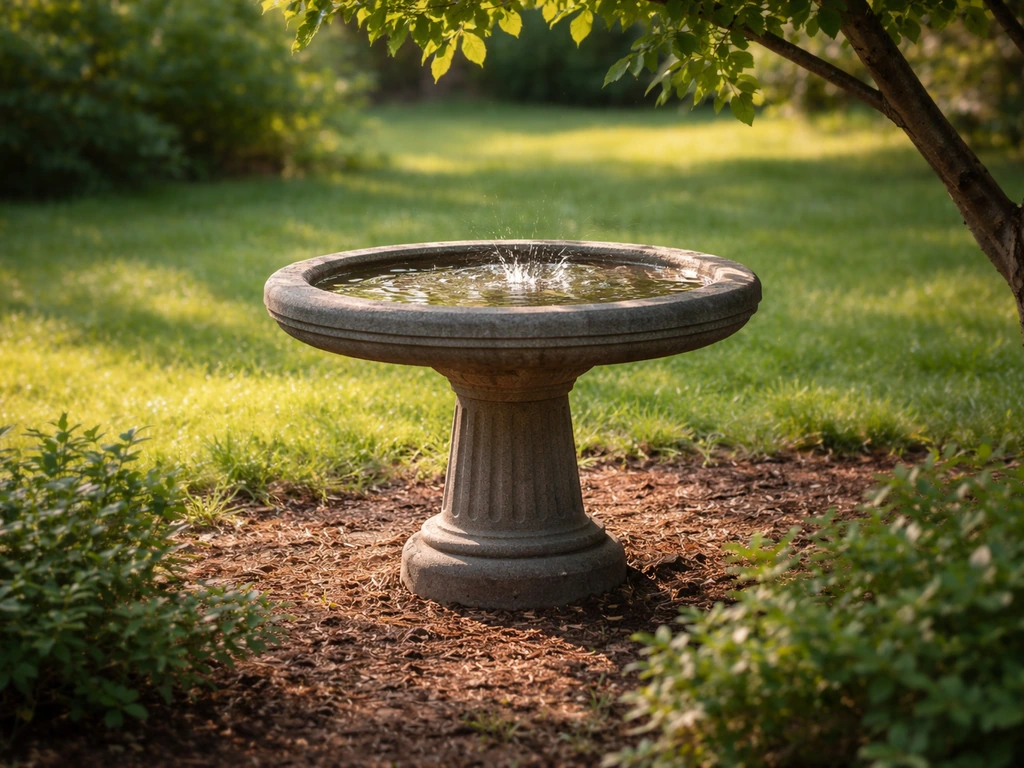
Where to Put a Bird Bath: Best Placement Guide
Best placement tips for a bird bath by yard, sunlight, safety, leveling, and bird type like hummingbirds and crows.
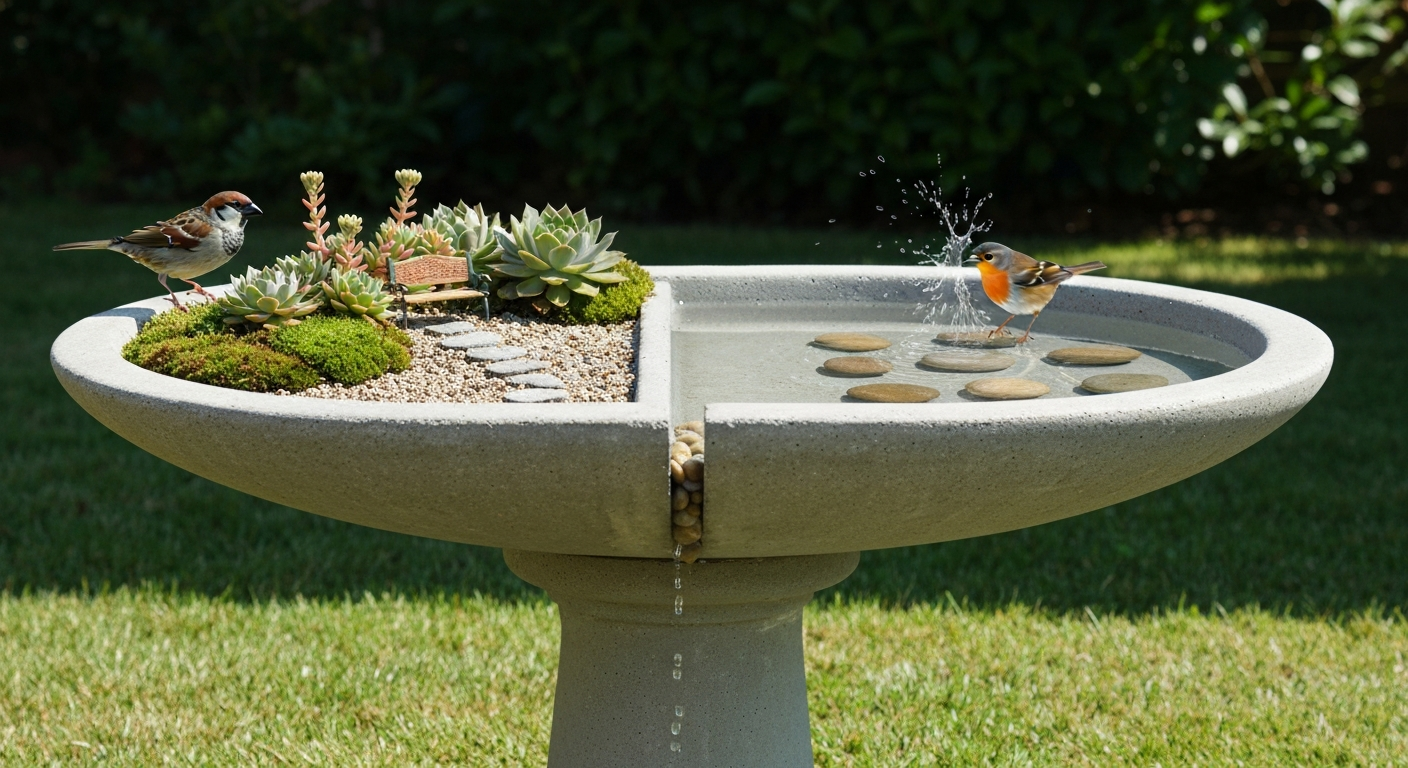
How to Make a Fairy Garden in a Bird Bath: Safe Build & Care
Create a bird-safe fairy garden in a bird bath: step-by-step build, plant choices, safety, care, troubleshooting
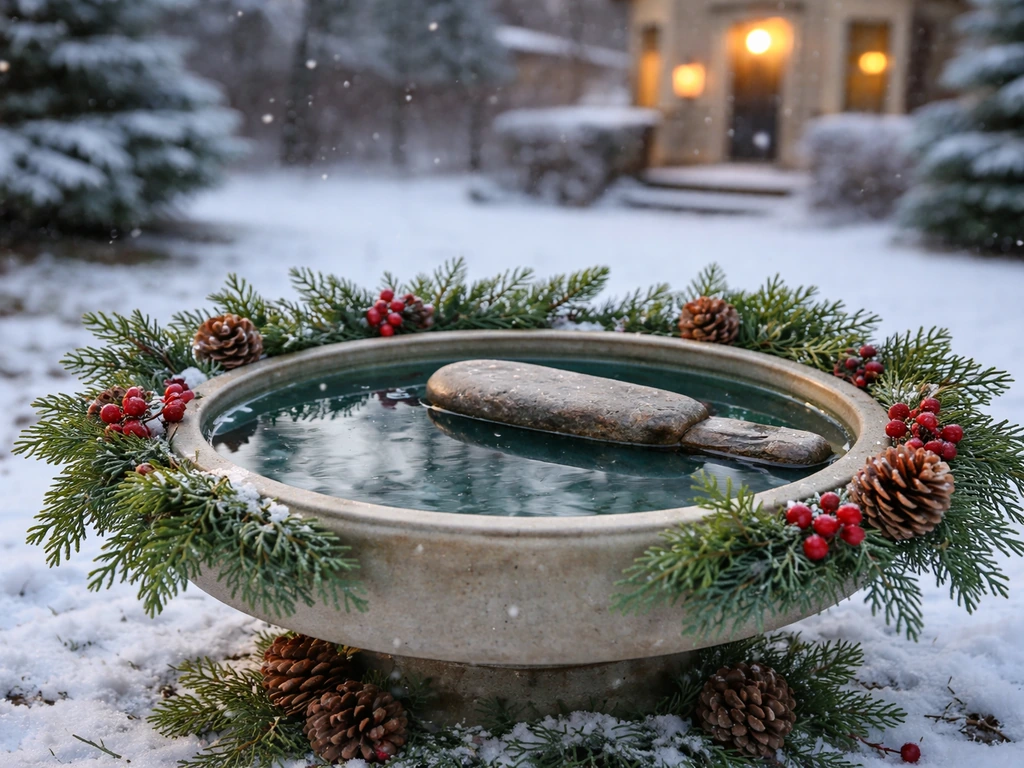
How to Decorate a Bird Bath for Christmas Safely
Step-by-step tips to decorate a Christmas bird bath with safe non-toxic accents, prevent freezing, and keep water clean.