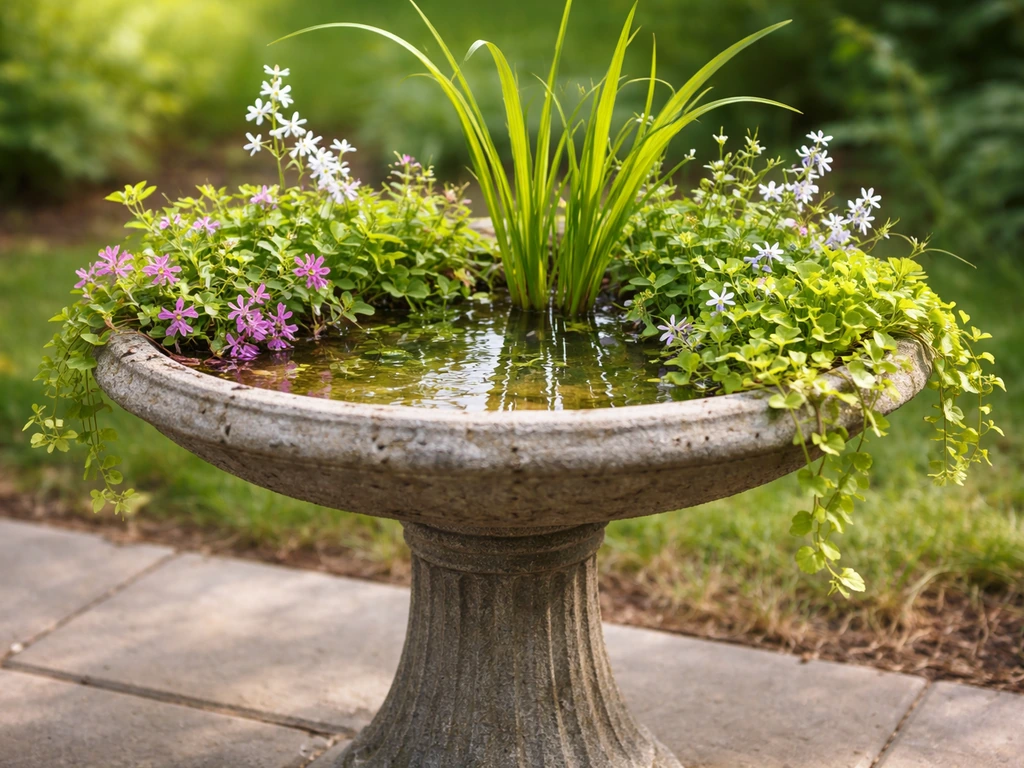
Landscape your bird bath by placing it 10 to 15 feet from shrubs or trees, surrounding the base with gravel or mulch for drainage, adding a few mid-height perching plants nearby, and keeping dense low cover well away from the water. That combination keeps birds safe from predators, gives them clear sightlines, reduces algae and debris, and makes the whole setup easy for you to clean and maintain year-round.
How to Landscape Around a Bird Bath: Step by Step

Marcus Henley
7 Jul 2026
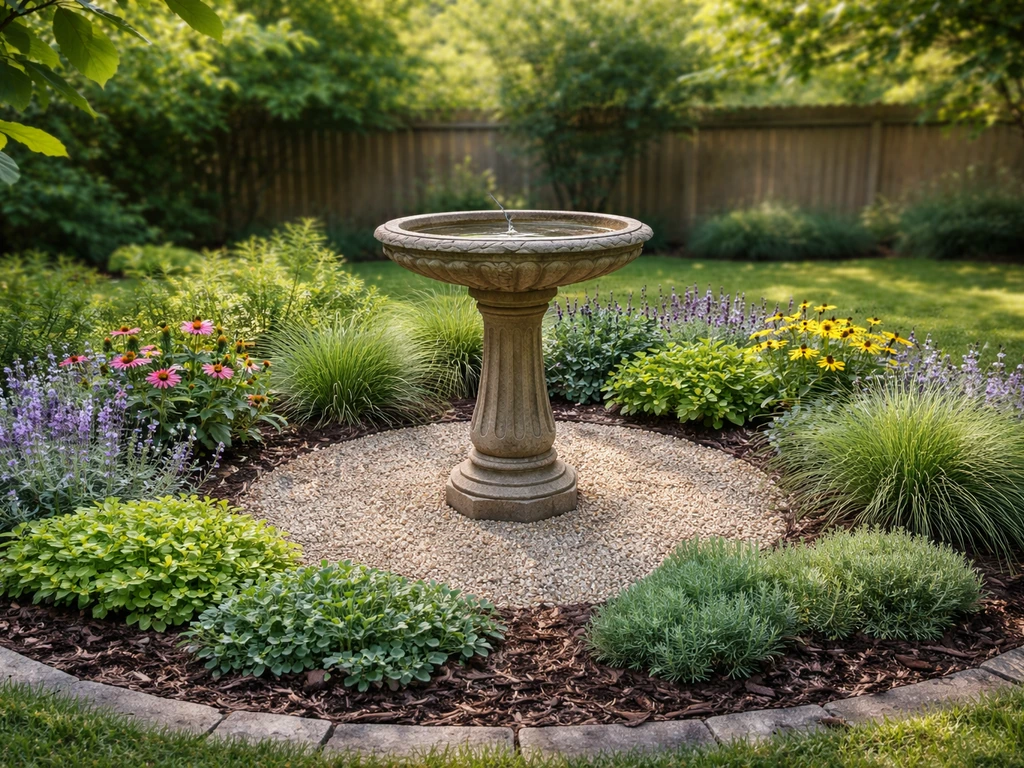
Get placement right before you plant a single thing
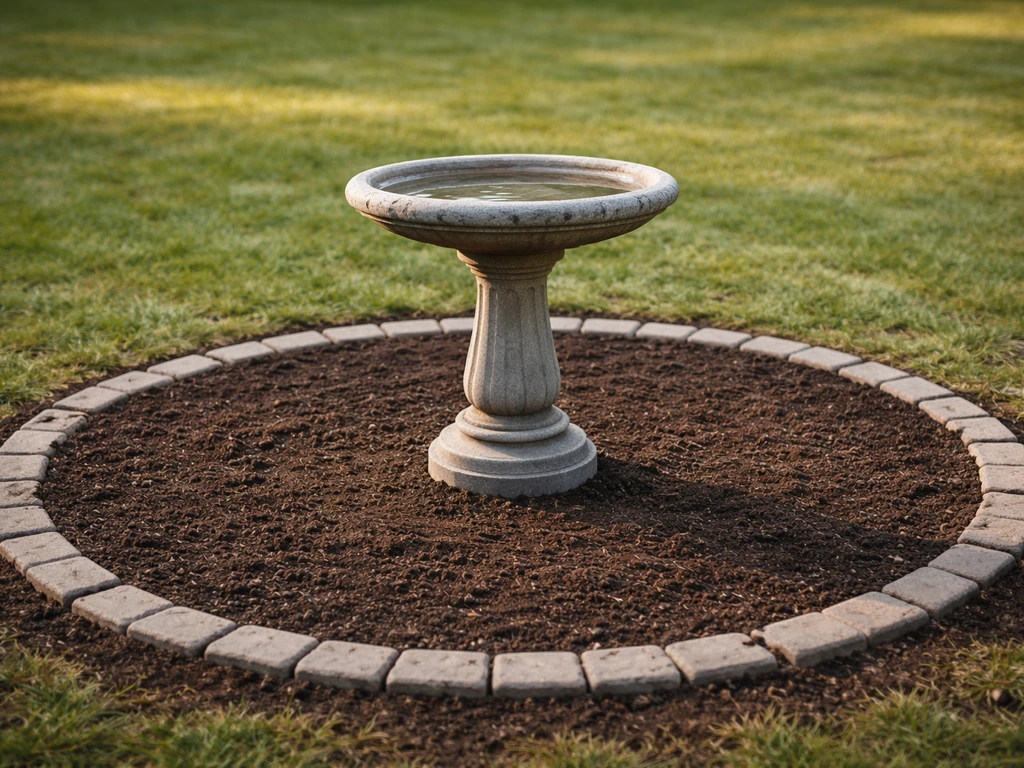
Placement is the single decision that shapes everything else. Get it wrong and no amount of pretty plantings will fix the problems. The core rule: keep the bird bath about 10 to 15 feet from dense shrubs, trees, or any thick ground-level cover. UC ANR and the Washington Department of Fish and Wildlife both recommend at least 10 feet of open space around the bath, and that number exists specifically to reduce ambush risk from cats and other predators hiding in cover.
That does not mean you want the bath sitting in a barren open field with nothing nearby. Birds need escape routes. The goal is open space immediately around the bath, with taller perching plants and shrubs a bit further out that birds can fly to quickly if spooked. A Reddit thread on bird bath placement similarly stresses putting the bath in a safe area near cover, but not inside dense hiding spots safe distance. Think of it as a landing pad surrounded by a safety buffer, with cover waiting just beyond.
Sun and shade matter here too. Full sun all day accelerates algae growth and evaporation dramatically. Dappled afternoon shade, from a tree canopy that sits 15 or more feet away horizontally, is ideal. If you have a choice, orient the bath so it gets morning sun and some afternoon shade. A shaded bath in summer stays cleaner and cooler, and birds tend to use it more consistently. If you are using a solar-powered bird bath, it will need at least partial sun exposure for the pump or agitator to run, so balance shade with panel access.
Wind is another placement factor people forget about. A site exposed to constant wind causes faster evaporation, splashing, and stress for birds trying to land. Position the bath near a windbreak if you can, whether that is a fence, a hedgerow, or a dense planting at a safe distance. Just keep that windbreak outside the 10-to-15-foot safety buffer.
Perch and landing zone landscaping
Birds do not fly straight from the sky into water. They stage. They land somewhere elevated nearby, survey the area for threats, then drop down to the bath. If you design your landscaping with that behavior in mind, you will get far more bird activity.
What to add for good perching
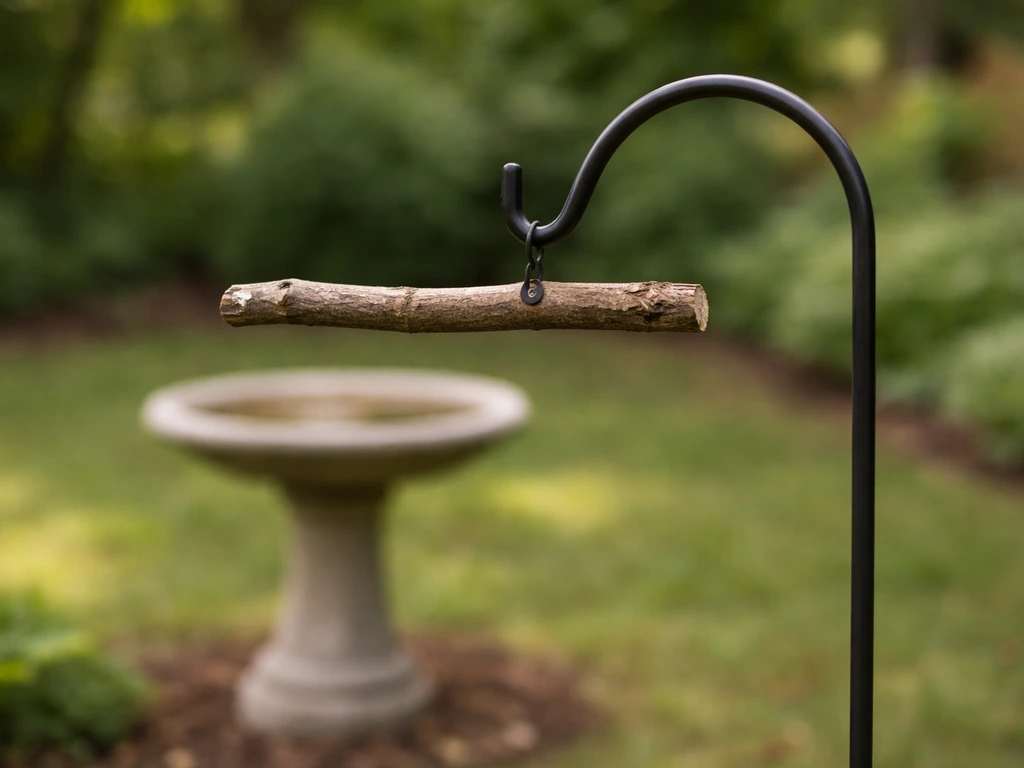
- A single upright branch, shepherd's hook, or tall decorative stake placed 5 to 8 feet from the bath at about 4 to 6 feet high gives small birds a clear staging perch
- Low ornamental grasses (like blue fescue or fountain grass) planted 6 to 10 feet out provide soft cover without creating ground-level hiding spots for predators
- A compact shrub like dwarf viburnum, spirea, or native buttonbush positioned 10 to 15 feet away works as a quick-escape destination after bathing
- Taller native perennials like coneflower, black-eyed Susan, or Joe-Pye weed attract insects and provide seed heads that draw birds to linger in the area
What to avoid
- Dense, low-growing shrubs within 6 to 10 feet of the bath, especially anything thick enough to hide a cat
- Overhanging branches directly above the bath, which deposit debris, droppings from perching birds, and create shade that can promote algae while also providing predator launch points
- Tall dense plantings on all sides that create a hemmed-in feeling and block birds' sightlines beyond the bath edge
- Thorny ground covers like low-growing rose varieties planted right up against the base, which can snag birds landing on the rim
If you have hummingbirds visiting, keep in mind they often approach moving water almost horizontally and appreciate clear flight paths from multiple directions. A shallow misting feature near nectar plants works well, but the landscaping around it should stay very open with no dense foliage within 5 feet of the water surface.
For larger birds like crows or jays, open ground around the bath matters even more. These birds are cautious and bold at the same time: they want wide sightlines and will not use a bath that feels enclosed. Keeping the immediate area free of tall plantings within about 8 feet serves them well.
Plant selection and layout for bird-friendly cover
The plants you choose around a bird bath should do three things: provide some cover without creating hiding spots for predators, add visual interest that blends the bath into the garden, and ideally attract insects or offer seeds that make the whole area more appealing to birds. If you are wondering what to plant around a bird bath for the best coverage, start with a layered layout that keeps escape routes clear plants around the bird bath. Native plants do all three better than most ornamentals.
The layout that works best is a layered planting scheme starting low near the bath and growing progressively taller as you move outward. Right at the base (within 18 inches): groundcover or mulch only, no plants. From about 2 to 5 feet out: low-spreading perennials or ornamental grasses no taller than 18 inches. From 5 to 10 feet: medium perennials and ornamental grasses up to 3 feet. From 10 to 15 feet and beyond: shrubs and small trees that serve as escape cover.
| Zone | Distance from bath | Plant examples | Purpose |
|---|---|---|---|
| Base | 0–18 inches | Mulch, gravel, creeping thyme, moss | Ground cover, drainage, access |
| Inner ring | 2–5 feet | Blue fescue, sedge, low coneflower | Visual framing, low perches |
| Middle ring | 5–10 feet | Fountain grass, coneflower, salvia | Insect habitat, staging perches |
| Outer ring | 10–15+ feet | Dwarf viburnum, native spirea, buttonbush | Escape cover, nesting habitat |
Avoid plants with messy seed pods, berries that drop directly into the water, or sticky resins that contaminate the bath. Cotoneaster, pyracantha, and some crabapples planted too close become debris factories. Keep those at the outer edges of your design at minimum.
If you want to go further with in-bath planting for a more naturalistic look, that is a separate project worth exploring on its own. You can also add succulents to the bird bath area, but make sure they are planted where they will not shed debris or create soggy soil around the water how to plant succulents in a bird bath. Shallow planted bird baths with aquatic or semi-aquatic plants work differently from a standard open basin, and the plant selection changes significantly.
Hardscaping the base: mulch, gravel, pavers, and edging
What you put directly around the base of the bird bath pedestal or basin matters more than most people expect. It affects drainage when you clean the bath, how muddy the area gets after rain, whether you can actually walk up to it easily, and how the whole setup looks season to season.
Gravel and pea stone
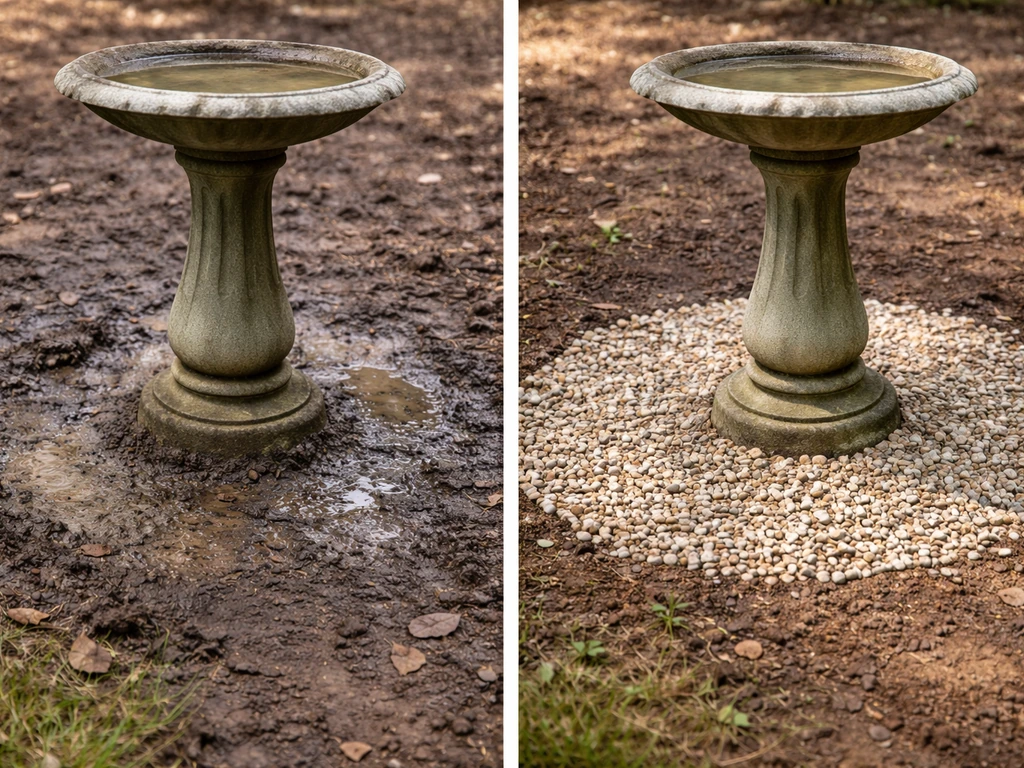
A 2-to-3-foot radius of pea gravel or crushed stone around the base is my top practical recommendation. It drains immediately when you dump and refill the bath, does not stain your concrete or ceramic basin when water splashes out, stays relatively weed-free, and looks clean year-round. Use a landscape fabric underlayer if you want to reduce weed pressure, though it is not strictly necessary if you plan to top it up occasionally.
Mulch
Shredded bark or wood chip mulch works fine and is budget-friendly, but it does decompose and get kicked around. It can blow into the bath in windy conditions, and wet mulch right against a concrete pedestal can promote mildew or moss on the base. If you use mulch, keep it 4 to 6 inches back from the pedestal itself and refresh it once a year.
Pavers and stepping stones
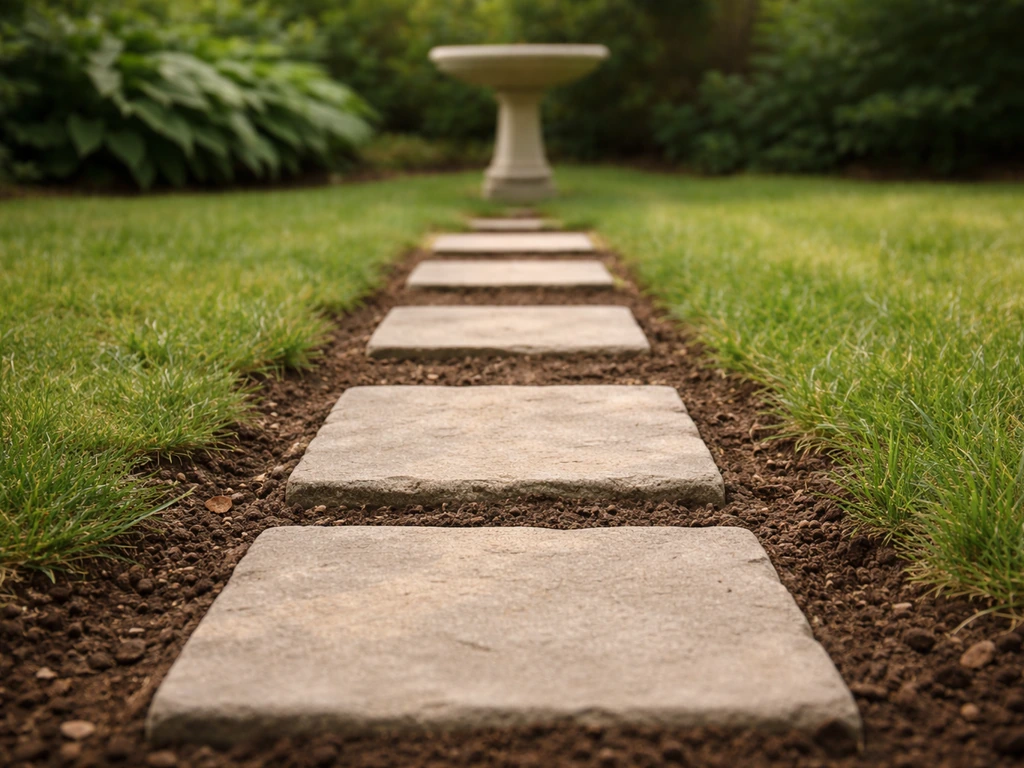
Laying a simple 2 or 3 stepping-stone path from your lawn or garden edge to the bath is one of the most useful things you can do for maintenance. You will clean this bath regularly, so give yourself a dry place to stand while you do it. Flat flagstone, concrete pavers, or even large river rocks work well. Set them slightly below grade so they do not trip you up and so a lawn mower can pass over the edges if needed.
Edging
A simple metal or stone edging border around your bird bath planting zone keeps lawn grass from creeping in and gives the whole setup a defined look. Steel edging is the most durable and stays put through freeze-thaw cycles. Plastic edging is cheaper but tends to heave and shift. Natural stone border edging looks great but requires more time to install. For most people, a 3-to-4-foot diameter defined zone around the bath with clean edging is plenty.
How the plants around your bird bath affect algae, debris, and mosquitoes
This is where landscaping decisions have a direct impact on how often you are scrubbing the basin. Dense shade from nearby trees keeps water cooler and slows evaporation, but it also creates the warm, still, nutrient-rich conditions algae thrives in if combined with leaf litter falling into the water. The sweet spot is dappled light with good air circulation, which is exactly what the 10-to-15-foot setback from dense canopy trees provides.
Leaf debris is the biggest landscaping-related maintenance driver. Deciduous trees and shrubs anywhere within 10 feet of the bath will drop leaves into the water consistently during fall. That debris decomposes fast, feeds algae, and clouds the water. If you are in a yard with heavy deciduous cover, consider positioning the bath away from the drip line of large trees even if it means sacrificing shade. You can compensate with shade from a pergola, umbrella, or shade sail instead.
Mosquitoes breed in still water. The landscaping fix here is twofold: first, choose plants around the bath that do not create pooling water in their leaf axils or ground depressions nearby, and second, keep the bath water moving. A solar agitator, dripper, or small fountain keeps the water surface active enough that mosquitoes cannot establish egg-laying sites. Dense low ground covers right next to the bath that stay wet and shaded create secondary mosquito habitat even if the bath itself has moving water, so keep the immediate area well-drained.
Plants with aromatic foliage like lavender, rosemary, and catmint placed nearby have a mild mosquito-deterrent effect and attract pollinators, making them a solid double-use choice at the 3-to-8-foot range from the bath.
Seasonal adjustments: heat, heavy rain, and freezing weather
Summer heat
In peak summer, afternoon shade becomes critical for water quality and bird comfort. If your bath sits in full afternoon sun, consider adding a temporary shade structure or planting a fast-growing annual vine on a nearby trellis placed 8 to 10 feet away. Refill frequency increases in heat, so having your stepping-stone access path already in place makes the chore less annoying. Gravel or stone base material around the bath will also stay cooler underfoot than dark mulch.
Heavy rain seasons
Rain fills the bath fast and can overflow it, which creates mud and waterlogging around the base. If you have a gravel or paver apron, this is a non-issue. If you have mulch or bare soil, repeated overflow will erode the area and create a perpetually soggy zone. Grade the ground very slightly away from the pedestal base when you set up the bath. Even a half-inch slope over a foot makes a big difference. In regions with heavy summer rains, consider a bath with a shallower basin or one that drains naturally from its rim design.
Freezing weather
For concrete and ceramic baths, freezing water inside the basin is the number one cause of cracking. The landscaping piece here is mostly about access: make sure your path to the bath is not iced over or blocked by seasonal plantings so you can actually get to it to drain it before a hard freeze. If you run a heated bird bath through winter, keep the surrounding plants trimmed back so you can reach the electrical cord connection safely. Avoid piling mulch or leaves against a concrete pedestal in fall since that trapped moisture can accelerate freeze damage at ground level.
Metal bird baths handle freezing better structurally than concrete, but they still benefit from a clear access path. Solar-powered setups will go dormant in low-light winter conditions in most climates, so plan your landscaping so the basin is easy to drain and store if needed, without having to move surrounding plants.
Your step-by-step landscaping plan and what to watch out for
Here is a practical sequence for setting up or redesigning the landscaping around a bird bath. Once placement is set, you can start planting flowers around the bird bath using a layered approach that leaves clear open space near the water how to plant flowers in bird bath. You do not have to do everything at once, but the order matters.
- Choose your placement first: find a spot with morning sun, afternoon dappled shade if possible, and at least 10 feet of open space in every direction before the nearest dense shrub or tree
- Mark out a 3-to-4-foot diameter base zone around where the pedestal will sit and clear any grass or weeds from it
- Install edging around the base zone to define the area and prevent lawn creep
- Lay landscape fabric inside the edging zone, then add 2 to 3 inches of pea gravel or crushed stone
- Set the bird bath in place and level it carefully, a level basin holds water evenly and reduces overflow on one side
- Lay 2 or 3 stepping stones from a nearby lawn edge or path to the bath for maintenance access
- Plant your inner ring (2 to 5 feet out) with low ornamental grasses or perennials no taller than 18 inches
- Add a staging perch: a shepherd's hook, decorative branch, or tall stake at 5 to 8 feet works well
- Plant your middle and outer rings progressively, keeping shrubs and dense cover at 10 to 15 feet minimum
- Add a water mover (solar dripper, small pump, or agitator) to keep the surface moving and deter mosquitoes
Common mistakes and how to fix them
| Mistake | What goes wrong | Fix |
|---|---|---|
| Planting dense shrubs within 6 feet of the bath | Predators hide there; birds stop using the bath | Move shrubs to the 10–15 foot outer ring, or remove them entirely from the near zone |
| Placing bath under a tree canopy | Constant leaf and debris fall, faster algae growth | Relocate to open area or use a shade sail instead of tree cover |
| Using bare soil or mulch right up to the base | Mud, erosion, and waterlogging after cleaning or rain | Replace with gravel apron in a 3-foot radius around the base |
| No access path to the bath | Maintenance becomes a chore you avoid | Lay 2–3 flat stepping stones so you can reach the bath on dry footing |
| Choosing plants that drop fruit or pods near the bath | Debris fouls the water constantly | Move fruit-bearing plants to the outer ring, 15+ feet away |
| Leaving still water with no movement in warm months | Mosquito breeding site established within days | Add a solar agitator or dripper to keep the water surface active |
| Mulching against a concrete pedestal in winter | Trapped moisture accelerates freeze cracking at the base | Keep a clear 4-to-6-inch buffer between mulch and the pedestal |
The most common thing I see people do wrong is plant the bird bath into a garden bed the same way they would a decorative pot, surrounding it with lush dense plantings on all sides because it looks beautiful. If you are turning a flower pot into a bird bath, follow reliable flower pot bird bath instructions for safe basin setup and drainage. It does look beautiful. But those birds are not going to use it regularly because they cannot see threats coming and there is nowhere to land and evaluate the scene before stepping into water. Pull the dense stuff back, give them sightlines, and the activity level you see will surprise you.
If you want to take the design further, think about what you might plant in or directly on the bath itself for a naturalistic look. That is a different project with its own plant selection considerations worth exploring separately from the surrounding landscape design covered here.
FAQ
How close can I put shrubs or tall plants to a bird bath without making it unsafe for birds?
Keep dense shrubs, trees, and any thick low cover at least 10 to 15 feet away from the bath’s basin area, then use a “buffer” concept: taller plants farther out for quick escape, but open space near the water so birds can stage, scan, and approach confidently.
What’s the best way to stop weeds around the base without trapping moisture?
A 2 to 3 foot radius of pea gravel or crushed stone works well because it drains quickly during cleaning and after rain. If you add landscape fabric underlay, top it with a proper gravel thickness so it doesn’t become exposed and so splashes don’t leave muddy pockets.
If my yard is small and I cannot give a 10 to 15 foot buffer, what are safer alternatives?
You can reduce risk by creating a clear landing and sightline zone even if the total distance is shorter, for example pulling the densest cover farther from the bath’s approach side, adding an edging border to define the open circle, and placing a windbreak or perching plants at safe distances rather than dense ground cover right up to the pedestal.
Can I use mulch instead of gravel around the bird bath base?
Yes, but keep mulch 4 to 6 inches back from the pedestal to avoid mildew or moss and reduce decomposition debris that can migrate toward the water. Expect more maintenance than gravel, because wet mulch and splashed organic matter can create a perpetually messy, algae-supporting ring.
How do I choose plants around the bath if I want birds and fewer mosquitoes?
Avoid plants that hold water in leaf axils or form ground depressions that stay soggy. Prioritize well-drained gravel or rock near the basin, and if you use a fountain or solar agitator, keep the immediate area free of dense, constantly damp low growth that could become mosquito habitat.
Where should I place a stepping-stone path if I’m worried about freezing in winter?
Install the path so it stays usable during cold snaps, and avoid letting seasonal plantings or mulch encroach on the route. For concrete or ceramic baths, access matters because you need to reach the basin to drain it before a hard freeze, and trapped moisture against the pedestal can worsen freeze cracking.
Is full sun always bad for a bird bath?
Not necessarily, but full-day sun usually increases algae growth and evaporation, especially if leaf debris is present. If your setup gets harsh afternoon sun, look for dappled shade or morning sun with afternoon shade, or consider a temporary shade structure that does not block bird landing sightlines.
What if leaves from nearby trees keep falling into the bath?
The landscaping approach is to reduce exposure to leaf drop by positioning the bath away from drip lines, not just adding plants. If your yard has heavy deciduous cover, a pergola or shade sail placed nearby can replace the shade you might have lost by moving the bath farther from trees.
Can I plant directly in or on the bird bath for a natural look?
You can, but it changes how the bath functions because plant selection affects drainage and water clarity differently than standard surrounding landscaping. If you want that look, treat it as a separate design decision so you avoid choosing species that shed debris into the open basin.
How do I prevent debris from getting into the water from nearby plants?
Avoid plants that drop messy seed pods, berries that fall directly into the basin, or sticky resin types near the inner zone. If you do include shrubs with berries or “messy” traits, place them at the outer edges of the defined landscape so the debris is less likely to wash or blow into the water.
Should I worry about how far the windbreak is from the bath?
Yes. Even if you use a fence, hedgerow, or dense planting as a windbreak, keep it outside the 10 to 15 foot safety buffer so you don’t accidentally create the kind of concealed cover predators use while birds approach and land.
What is the right way to orient the bath if I want hummingbirds to use it?
For hummingbirds, they tend to approach moving water in a more horizontal path, so keep multiple clear flight directions and keep dense foliage away from the immediate water area. If you use a misting feature, it should be near nectar plants, but the surrounding layout near the water must stay open within about 5 feet.
Next Article
How to Plant Flowers in a Bird Bath: Step-by-Step Guide
Step-by-step guide to plant bird-safe moisture plants in a bird bath without clogging, rotting, or scaring birds