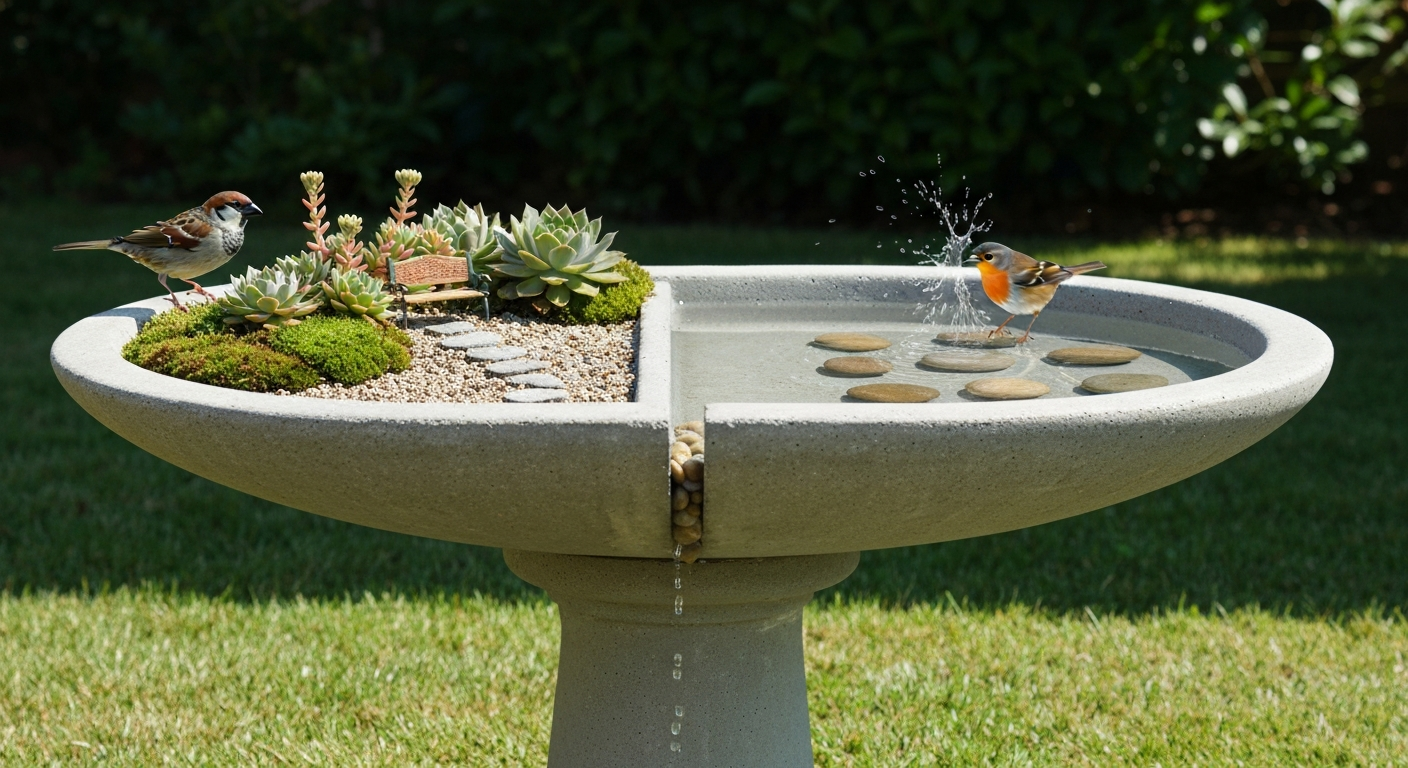
When birds "take a bird bath," they're doing exactly what it sounds like: standing in shallow water and actively washing their feathers. A bird bath is a shallow basin of water placed outside for birds to bathe and drink from, and "taking a bird bath" simply means a bird is using it. But there's more going on than a quick splash. Bathing is a critical grooming routine for birds, tied directly to feather health, temperature regulation, and parasite control. If you've got a bird bath in your yard or you're thinking about setting one up, understanding what's actually happening when birds use it will help you set things up right and keep them coming back.
What Does It Mean to Take a Bird Bath? Meaning & Tips

Marcus Henley
31 May 2026
What a bird bath is and what it means to "take" one
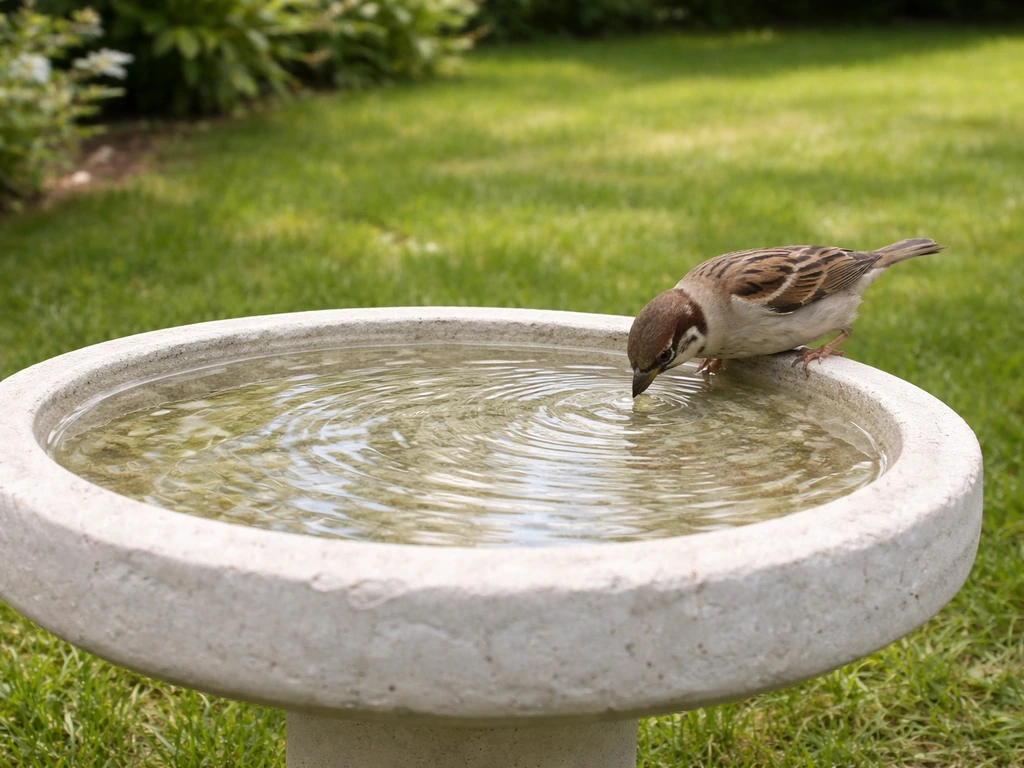
A bird bath is a shallow water feature, typically a pedestal basin or ground-level dish, designed to give birds access to clean, safe water for bathing and drinking. In backyard birding, it's one of the most effective tools for attracting a wide variety of species, often more effective than feeders alone. When people say a bird is "taking a bird bath," they mean the bird has stepped into the water and is actively going through the bathing process: dunking, flicking, splashing, and soaking its feathers.
It's worth noting that "bird bath" means different things in different contexts. In slang or prison culture, a "bird bath" refers to a quick washup at a sink rather than a proper shower. In gardening, some people ask about dust baths for birds. This article focuses entirely on the backyard birding version: a water basin where wild birds bathe. If you're interested in the dust bathing side of things, that's a related but separate subject worth exploring on its own.
Why birds actually bathe (it's more important than you think)
Birds don't bathe just to get clean. Bathing is a serious part of routine feather maintenance, and for birds, healthy feathers are literally a matter of survival. The British Trust for Ornithology classifies water bathing alongside preening, sunbathing, and dust bathing as core maintenance behaviors, not optional extras.
- Feather conditioning: Water loosens dirt and debris stuck to feathers, making preening more effective afterward. A bird that can't preen properly loses insulation and flight efficiency.
- Parasite control: Bathing helps dislodge and reduce lice, mites, and other external parasites that accumulate in feather shafts.
- Temperature regulation: In hot weather, bathing cools birds down quickly. This is why bird bath activity spikes during summer heat, sometimes dramatically. A garden bird bath can be one of the strongest attractants on a hot July afternoon.
- Skin hydration: Exposed skin between feather bases gets dry and irritated without moisture. Bathing addresses that directly.
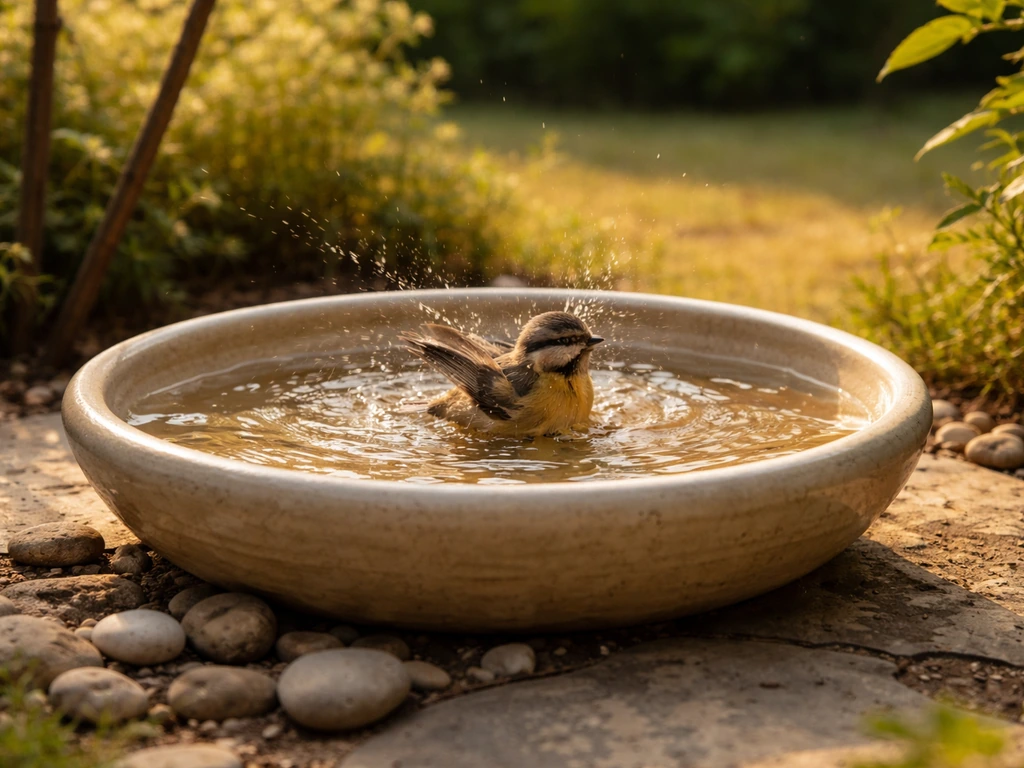
The mechanics are fascinating to watch. According to Stanford Birds, a bathing bird stands in shallow water, fluffs its feathers to expose bare skin between the feather bases, then rapidly flicks its wings in and out of the water. This isn't splashing for fun. It's a deliberate technique to get water all the way down to the skin. After bathing, most birds fly to a nearby branch to shake, fluff, and preen, working the water through their feathers and restoring the feather structure. If you've ever watched a robin after a bath doing that full-body shimmy on a fence post, now you know why.
What bathing actually looks like: behaviors and timing to expect
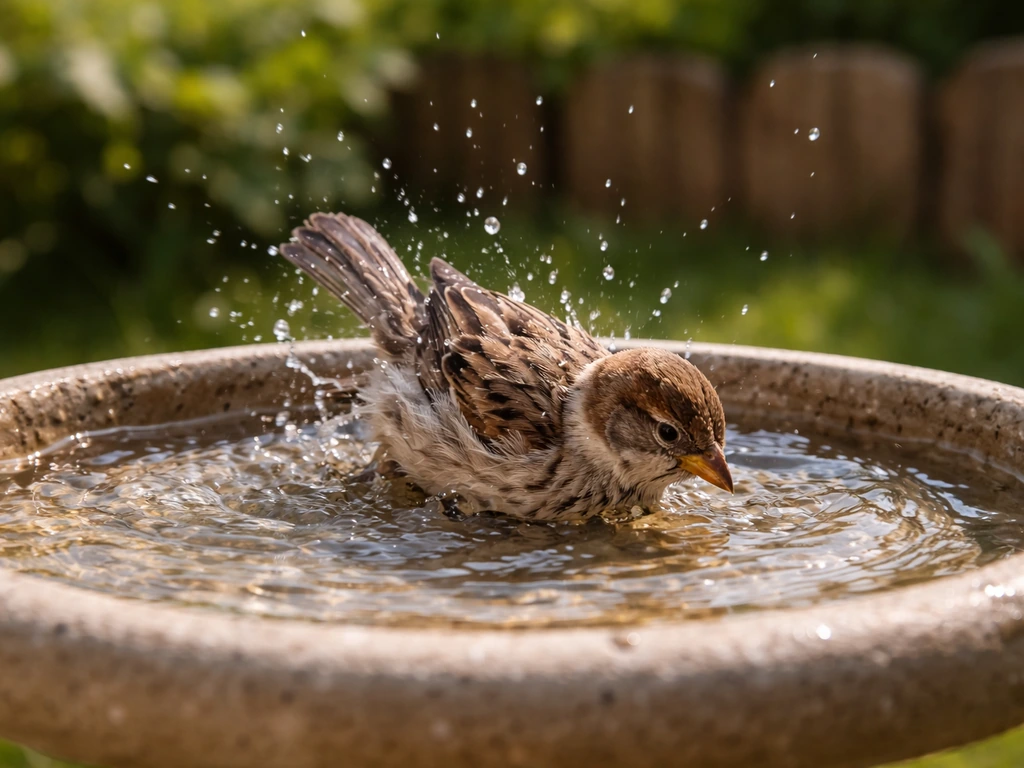
Knowing what to watch for makes the whole experience more rewarding, and it also helps you troubleshoot when something seems off.
Most birds bathe in the morning or early afternoon. Early morning bathing is common because it aligns with preening routines birds do before foraging. Mid-day bathing spikes during summer heat. You'll rarely see birds bathing at dusk, since wet feathers at night reduce insulation and increase predator risk.
The actual bathing sequence typically goes like this: a bird approaches cautiously, often perching nearby first. It wades into the shallow edge, tests the depth, then starts the wing-flicking routine. The splashing is deliberate and vigorous. After a minute or two, it flies to a nearby perch to shake off excess water and preen. You'll often see multiple birds taking turns, especially in warm weather.
If birds are visiting but not actually bathing, that usually points to a setup issue rather than a bird behavior issue. Water that's too deep, too still (birds prefer a little movement), too hot from sitting in direct sun all day, or a basin with slippery sides can all put birds off. More on fixing those below.
Setting up a bird bath so birds will actually use it
The most common mistake I see is people buying a beautiful bird bath, filling it up, and wondering why birds ignore it. Setup details matter a lot.
Depth is the most critical factor
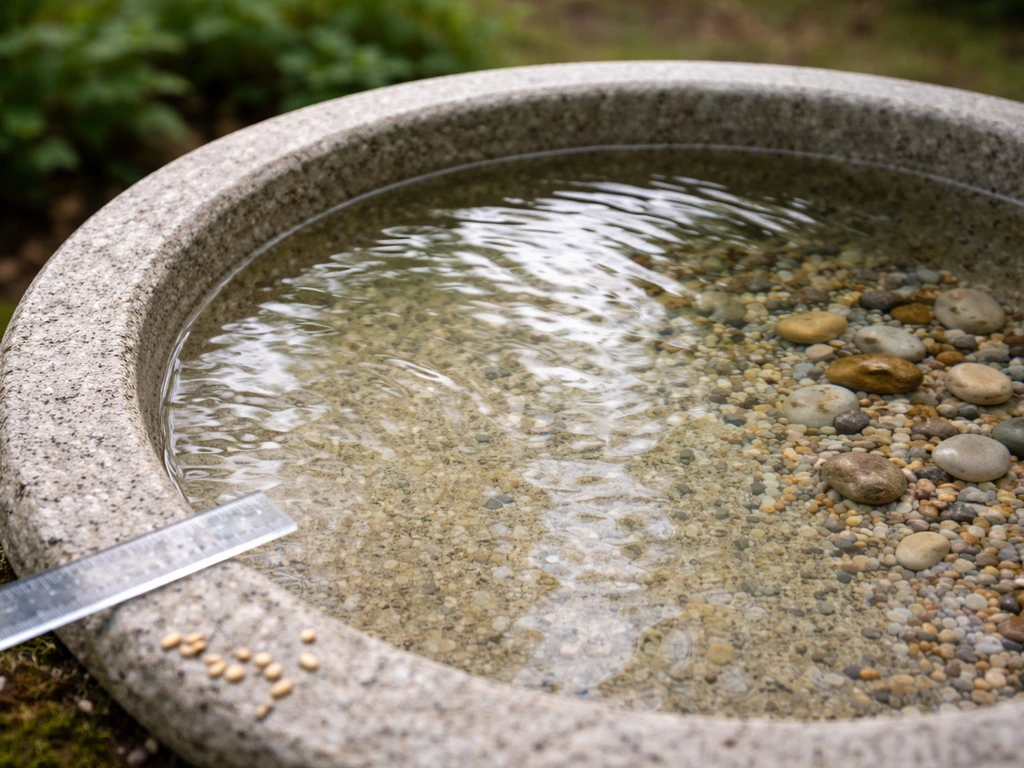
Most backyard birds need water that's 0.5 to 1 inch deep at the edges and no more than 1.5 to 2 inches at the deepest point in the center. Two inches is essentially the maximum safe depth for the majority of species. Sides should slope gently so birds can wade in gradually rather than stepping off a ledge into water over their head. If your basin is too deep, add flat stones or gravel to raise the bottom in sections. Birds like robins and thrushes will use deeper spots around 2 inches, while smaller birds like warblers and chickadees prefer the shallower edge zones.
Material options and what works best
| Material | Pros | Cons | Best For |
|---|---|---|---|
| Concrete | Durable, natural texture birds grip well, stays cool | Heavy, can crack in freeze-thaw cycles, harder to move | Permanent installations, larger yards |
| Ceramic / Glazed | Attractive, smooth to clean, holds water well | Slippery surface can deter birds (add grip), can crack in cold | Mild climates, decorative setups |
| Metal (copper, galvanized) | Durable, some natural antimicrobial properties (copper) | Heats up fast in sun, can affect water taste | Shaded spots, decorative use |
| Plastic / Resin | Lightweight, inexpensive, easy to move | Less durable long-term, degrades in UV, can tip easily | Budget setups, temporary use |
| Heated | Keeps water liquid through winter, attracts year-round birds | Requires power source, higher cost | Cold climates, winter birding |
| Solar-powered | No wiring needed, often includes pump for water movement | Less reliable on cloudy days, pump output varies | Water movement, sunny locations |
If you're in a region with real winters, a heated bird bath is genuinely worth the investment. Birds struggle to find liquid water in freezing temperatures, and a heated bath becomes one of the most visited spots in your yard from November through March. Solar-powered baths with a small fountain pump are great for adding movement to the water, which birds notice from a distance and are strongly attracted to.
Adding texture and grip
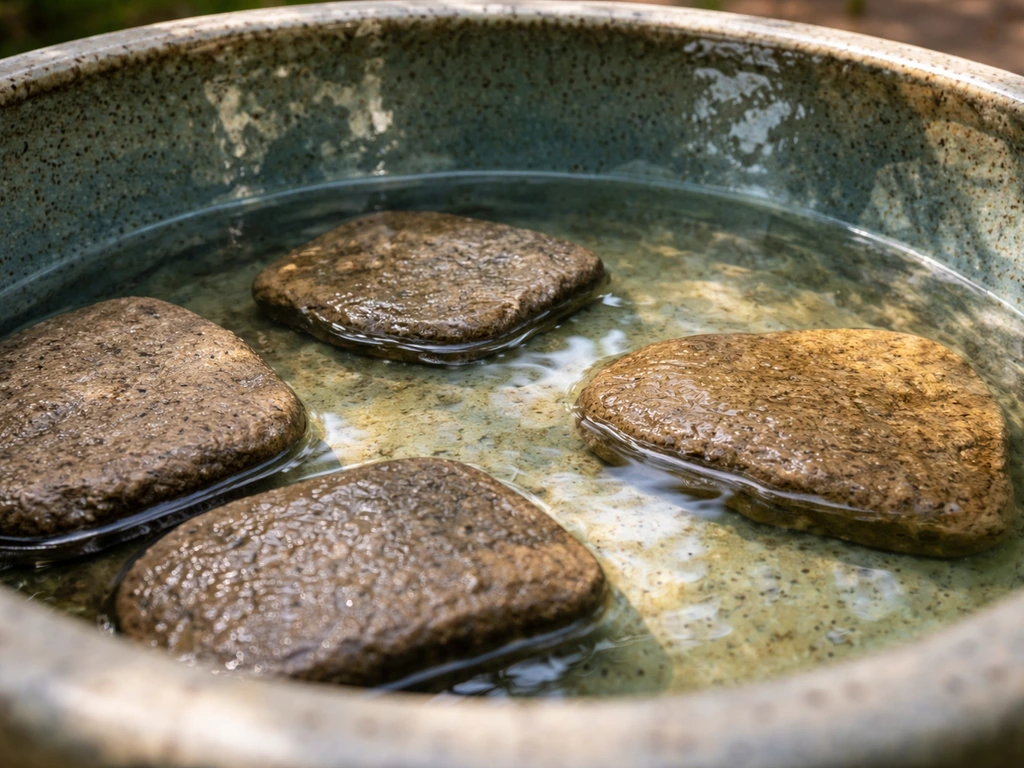
Smooth ceramic or glazed basins are slippery and can actually discourage bathing. Add a few flat, rough-surfaced stones to the basin floor. This gives birds a stable footing and creates a range of depths in one basin, which accommodates both small and larger species. Crows, for example, prefer deeper water and won't hesitate to use a 2-inch section, while hummingbirds need barely a film of water and do well with a misting attachment rather than a traditional basin.
Where to put your bird bath (placement tips that actually work)
Placement is where a lot of setups go wrong, and it's usually one of a few specific issues.
- Put it within 10 feet of shrubs or trees: Birds need a quick escape route and a perch to preen after bathing. Completely exposed placements in the middle of a lawn make birds nervous. But don't place it right under dense shrubs where cats can hide.
- Avoid full direct sun all day: Water in a fully exposed basin heats up fast in summer, becomes unappealing, and evaporates quickly. Partial shade, especially afternoon shade, keeps water cooler and fresher.
- Keep it visible from inside: You'll want to actually see your birds bathe. A placement visible from a window is worth optimizing for, and it lets you monitor water levels and cleanliness easily.
- Elevate it if cats are a concern: Pedestal baths at about 24 to 36 inches off the ground give birds better sight lines for predators. Ground-level baths attract more species overall but need open sightlines around them.
- Place near other bird-friendly features: Birds already visiting a feeder or native plantings will discover a nearby bird bath quickly. Proximity to existing activity helps a lot in the first few weeks.
- For hummingbirds specifically: A mister or dripper attachment near flowers works far better than a standard basin. Hummingbirds prefer to fly through fine spray rather than stand in water.
Cleaning and maintenance after birds have bathed
This is the part most people underestimate. A bird bath that isn't maintained regularly becomes a health hazard rather than a benefit. Dirty water can spread avian diseases between birds, and a neglected basin gets slimy, smelly, and genuinely harmful. The good news is that maintenance is simple if you stay consistent.
The every-other-day rule
Audubon recommends emptying and refilling your bird bath every other day. That sounds like a lot, but it takes about two minutes. Dump the old water, give the basin a quick rinse, and refill. This single habit prevents most algae buildup, eliminates standing water before mosquito larvae can hatch (which takes about 7 to 10 days), and keeps the water fresh enough that birds will actually want to use it. Fetid, greenish water drives birds away fast.
Deep cleaning with vinegar
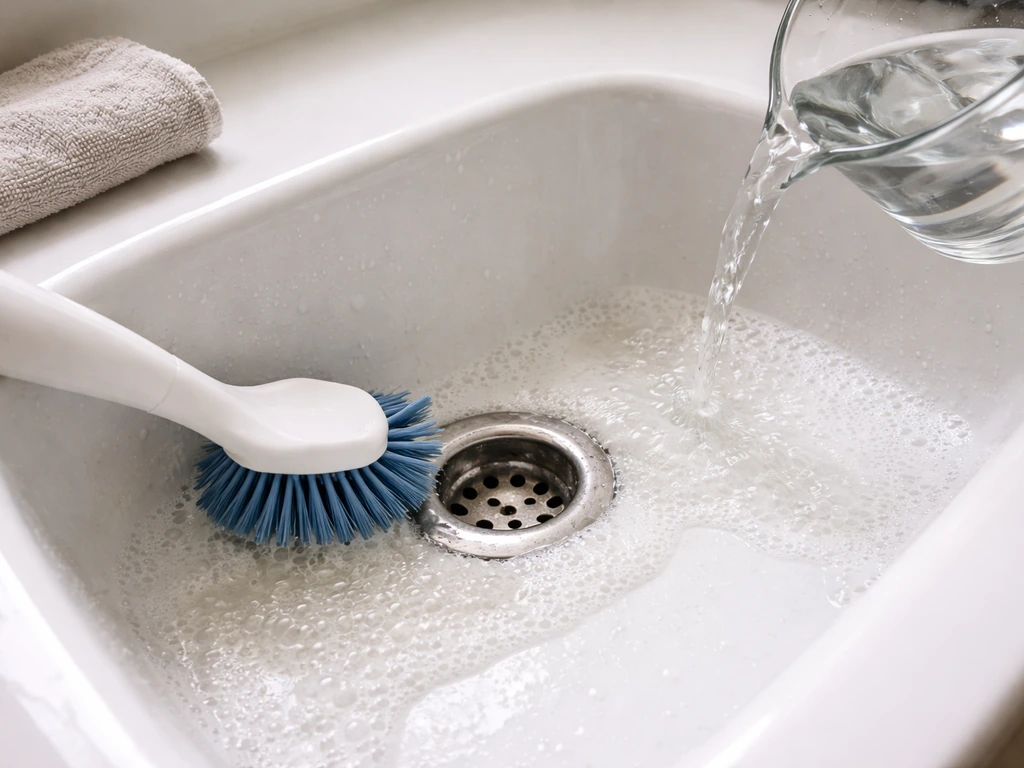
For a proper scrub, mix 1 part distilled white vinegar to 9 parts water. Pour it in, scrub the basin with a stiff brush, then rinse thoroughly until there's no vinegar smell left. Do this weekly or whenever you notice algae or staining starting. Both Audubon and Bob Vila recommend this exact ratio. Avoid bleach or dish soap unless you rinse extremely well, since residue can harm birds. Vinegar is safer and works well for routine cleaning.
What to do with stubborn algae
Algae loves still, sun-warmed water. If you're fighting persistent algae, the fix is usually a combination of moving the bath to partial shade, increasing your cleaning frequency, and adding water movement. A small solar-powered fountain pump or a simple dripper keeps water circulating, which algae doesn't thrive in. You can also place the basin so it gets morning sun but afternoon shade, which slows algae growth significantly.
Common problems and how to fix them
Mosquitoes in the bird bath
Mosquitoes need standing water to lay eggs, and a neglected bird bath is a perfect breeding site. The every-other-day refresh routine stops this almost entirely on its own, since eggs take around a week to hatch. If you're dealing with an existing mosquito problem or you sometimes miss a few days, Mosquito Dunks are a reliable option. They contain Bacillus thuringiensis israelensis (Bti), a naturally occurring bacterium that kills mosquito larvae but has minimal-to-no toxicity to birds, fish, pets, or beneficial insects like bees. The EPA has specifically registered Bti for use in bird baths and similar containers, and the CDC recommends it for standing-water mosquito control at home. One dunk per 100 square feet of water surface lasts about 30 days. Break off a small piece for a typical bird bath basin.
Freezing water in winter
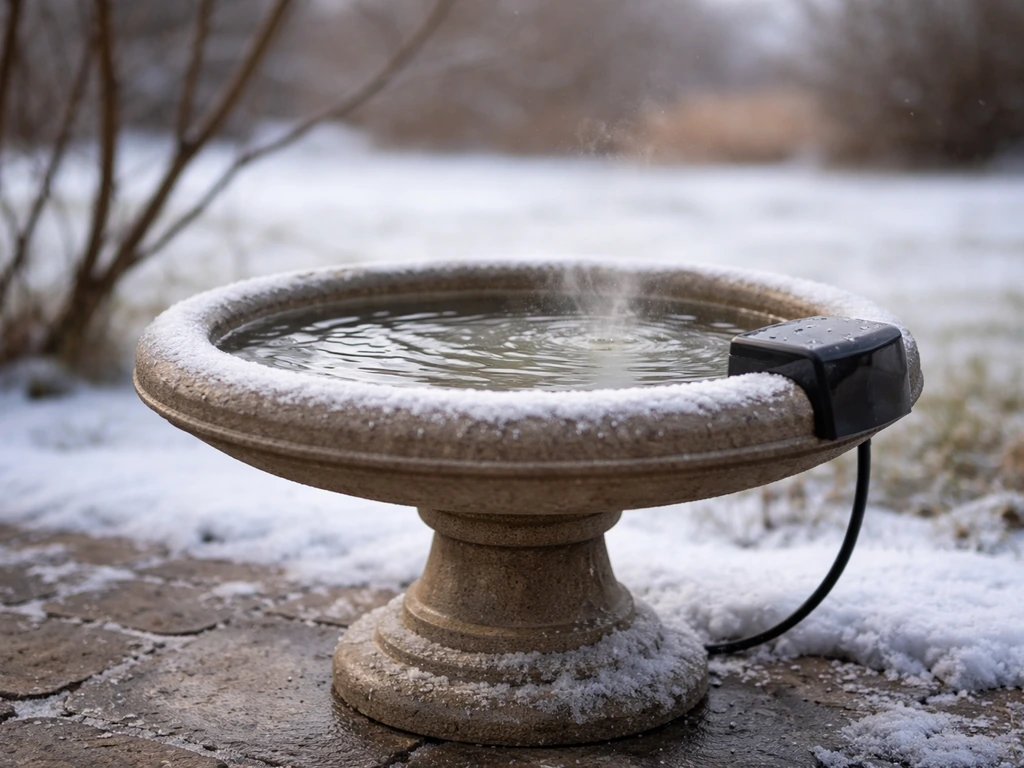
Once temperatures drop below freezing, a standard bird bath becomes useless fast. Birds still need liquid water in winter, sometimes more urgently than in summer since natural water sources freeze over. The best solution is a plug-in heated bird bath or a submersible bird bath de-icer (a small heating element you drop into an existing basin). These typically run 50 to 150 watts and keep water liquid down to around 10 to 20 degrees Fahrenheit. Avoid using antifreeze or salt, obviously. If you're using a concrete bath, bring it inside or cover it during hard freezes to prevent cracking from ice expansion.
Dirty water that keeps coming back
If your water gets dirty within a day or two, the usual culprits are: too much sun heating the water and accelerating bacterial growth, birds bringing in mud or debris from nearby soil, or leaves and debris falling in from overhead trees. Solutions include moving to partial shade, adding a dripper or small pump for circulation, placing the bath away from overhanging branches, and cleaning more frequently. A rougher basin surface (concrete or textured resin) tends to hold debris more than smooth ceramic, so factor that into cleaning frequency.
Birds aren't showing up at all
Give a new bath at least two to three weeks before concluding birds aren't interested. Location is usually the issue. Try adding a dripper or fountain attachment to create sound and movement, which birds detect from much farther away than a still basin. Make sure there are perching spots nearby. If you're in a yard with few trees or shrubs, birds may feel too exposed. Sometimes just moving the bath 10 feet to a spot with better cover makes all the difference.
Attracting specific species
Different birds have different preferences. Robins and thrushes love a 1.5 to 2 inch depth and will splash enthusiastically. Crows prefer deeper water and will often dunk food in the bath, which dirties the water faster (plan for extra cleaning if crows are regulars). Hummingbirds almost never use a standard basin, preferring a fine mist sprayer or dripper. Small songbirds like sparrows and warblers want the shallowest possible water and gently sloping sides. If you want to attract a wide range of species, a basin with varied depth across its surface, achieved with stones or a contoured bottom, works better than a uniform flat bottom.
Putting it all together
Taking a bird bath, from a bird's perspective, is a serious and necessary routine, not just a charming garden moment. When you understand why birds bathe and what they need to do it safely, setting up and maintaining a bird bath becomes straightforward. Keep the water shallow (2 inches max), refresh it every other day, clean with diluted vinegar weekly, add some water movement if you can, and place it where birds feel safe approaching. To learn the exact steps for building or choosing a bath that matches your yard, use this guide on how to make bird shower. Do those things consistently and you'll have reliable bird activity at your bath through every season. If you're interested in other ways birds keep themselves clean, dust bathing is a fascinating parallel behavior that some species rely on just as heavily as water bathing. A simple way to compare options is to look at how a dust bath differs from a bird bath, and when each one makes sense for your yard dust bathing. If you want the full picture, learning how to make a bird dust bath can help you support species that rely on soil and fine sand for feather care dust bathing.
FAQ
If I see birds near the bath but they never go in, what should I check first?
Start with depth and footing. Many “ignored” baths are too deep at the edge, too steep on the sides, or slick at the bottom. Add rough stones or gravel to create shallow entry zones (around 0.5 to 1 inch at the perimeter) and test that a small bird can wade in without slipping or feeling exposed.
How often do I need to refill a bird bath if birds are using it daily?
Use the every-other-day refresh as a baseline, but do it more frequently during hot weather, heavy use, or when leaves, seed husks, or droppings fall in. A quick rule is, if the water looks cloudy or starts to smell even slightly, dump and refill immediately rather than waiting for the next schedule.
Can I add anything to the water, like salt, vitamins, or cleaners?
Avoid anything meant to “treat” the water. Don’t use salt, disinfectants, or soap residues, and skip additives like vitamins or supplements. If cleaning is needed, use diluted vinegar and rinse thoroughly so there is no lingering odor or chemical residue in the basin.
What’s the safest way to clean a bird bath that has stubborn algae?
Remove algae with a stiff brush after a vinegar treatment (1 part distilled white vinegar to 9 parts water), then rinse until the basin smells neutral. If algae keeps returning, the real fix is usually more frequent emptying, more shade or less sun heating, and adding movement (a small dripper or pump) so the water is less still.
Should I put a bird bath on the ground or on a pedestal?
Either can work, but safety and access matter. Ground-level baths are easier for small birds to approach and wade into, while pedestal baths may feel exposed unless you provide nearby cover. Place the bath so birds can reach it with perching options and quick escape routes, ideally with shrubs or a nearby branch within a short distance.
Do birds ever use a bird bath in winter, and how deep should it be then?
They will, as long as water stays liquid. Use a heated bath or a de-icer for reliable access, and keep the edges shallow enough for easy wading (the same general depth guidance applies). Also consider wind exposure, because baths in harsh exposure freeze faster even with a heater.
Is morning bathing normal, and why don’t I see birds at dusk?
Yes, morning and early afternoon are most common because bathing is tied to preening routines and daytime body maintenance. Dusk is rarer because wet feathers at night can reduce insulation and increase risk, so even if birds visit late day, they often delay or skip the full wash.
Why does the water get dirty faster when crows use the bath?
Crows often dunk and manipulate food in the water, which adds organic debris quickly. If crows are regulars, expect more frequent cleaning and consider extra rough rinses (empty, rinse, and refill sooner than your normal schedule) to prevent cloudy or smelly water.
How do I know whether birds are bathing or just drinking?
Bathing usually includes wing-flicking, feather fluffing, and active soaking, followed by a shake and preen on a nearby perch. Drinking alone looks more like short, repeated visits with the head dipping, and the bird doesn’t spend time standing fluffed in the water or repeatedly splashing.
What can I do to help hummingbirds use my bird bath?
Many hummingbirds avoid standard basins because they prefer tiny amounts of water. If you want to attract them, use a fine mist sprayer or dripper attachment that produces a small, moving supply rather than a wide, standing pool. Keep the surrounding area clean, since hummingbirds are selective about footing and water freshness.
Do mosquito control products affect birds?
When used correctly, they’re designed to target mosquito larvae rather than birds. If you use mosquito dunks, place them only as directed for the water surface area and keep with your refresh routine so the bath doesn’t build up sludge. Avoid any non-target chemicals intended for general disinfection.
How long should I wait before assuming birds won’t use a new bird bath?
Give it at least two to three weeks. Birds often need to notice the bath, test the footing, and feel safe approaching. If after that it’s still unused, try changing placement first (more cover nearby, better approach lines), then add water movement and adjust depth.
Next Article
How to Make a Fairy Garden in a Bird Bath: Safe Build & Care
Create a bird-safe fairy garden in a bird bath: step-by-step build, plant choices, safety, care, troubleshooting