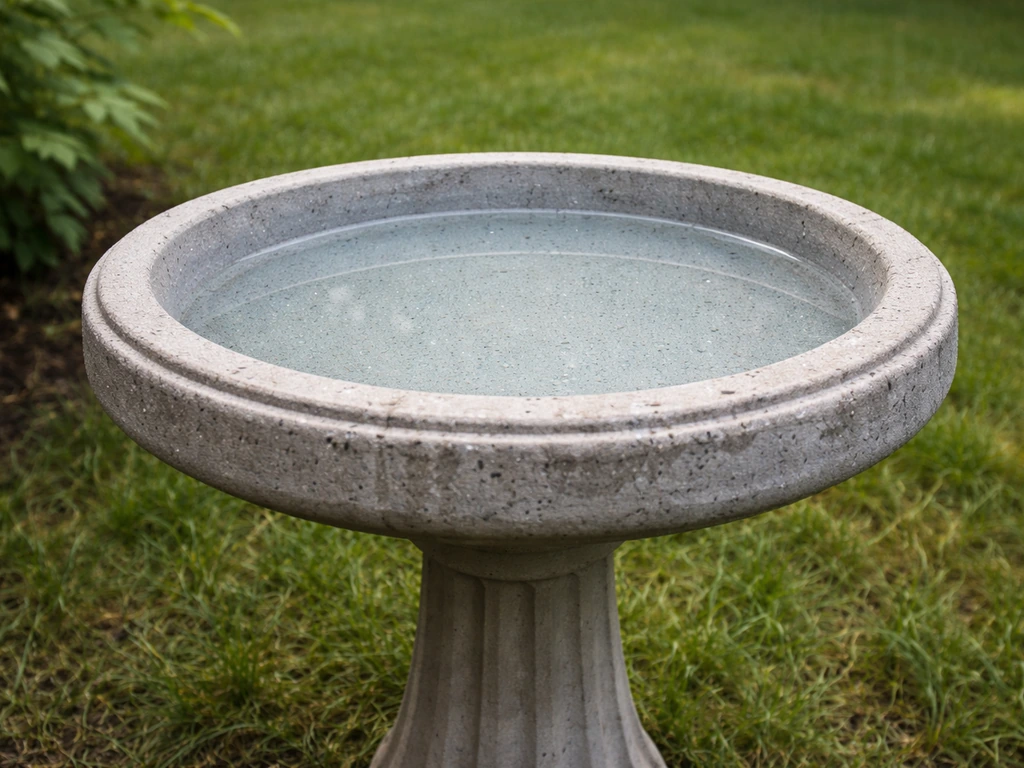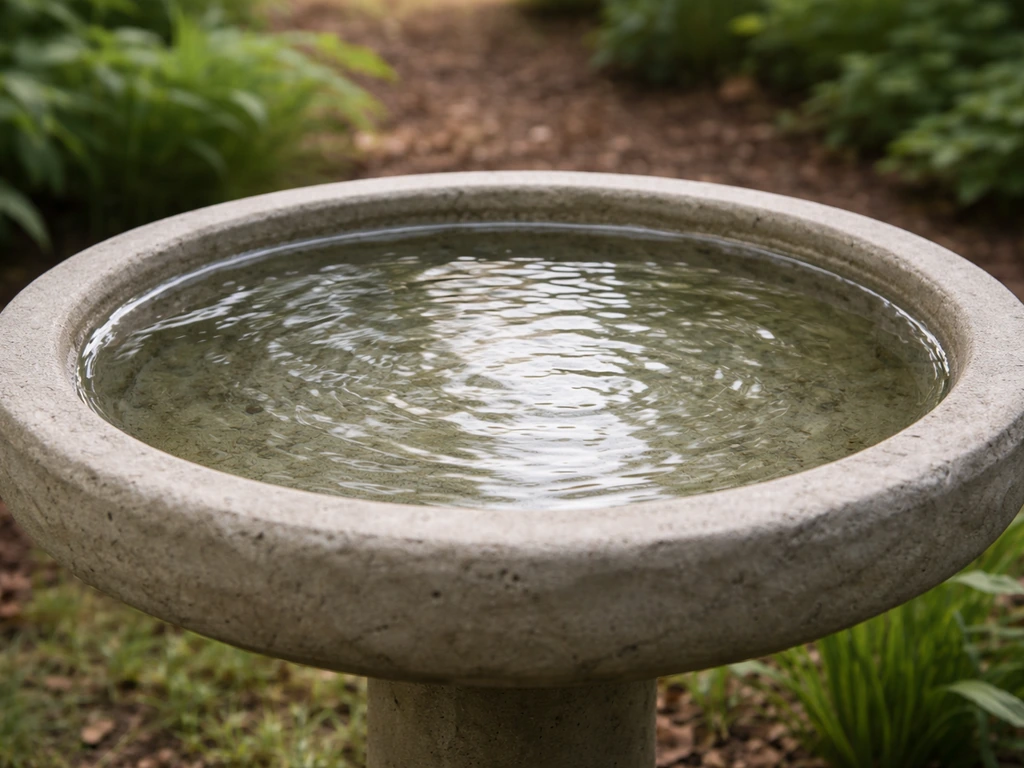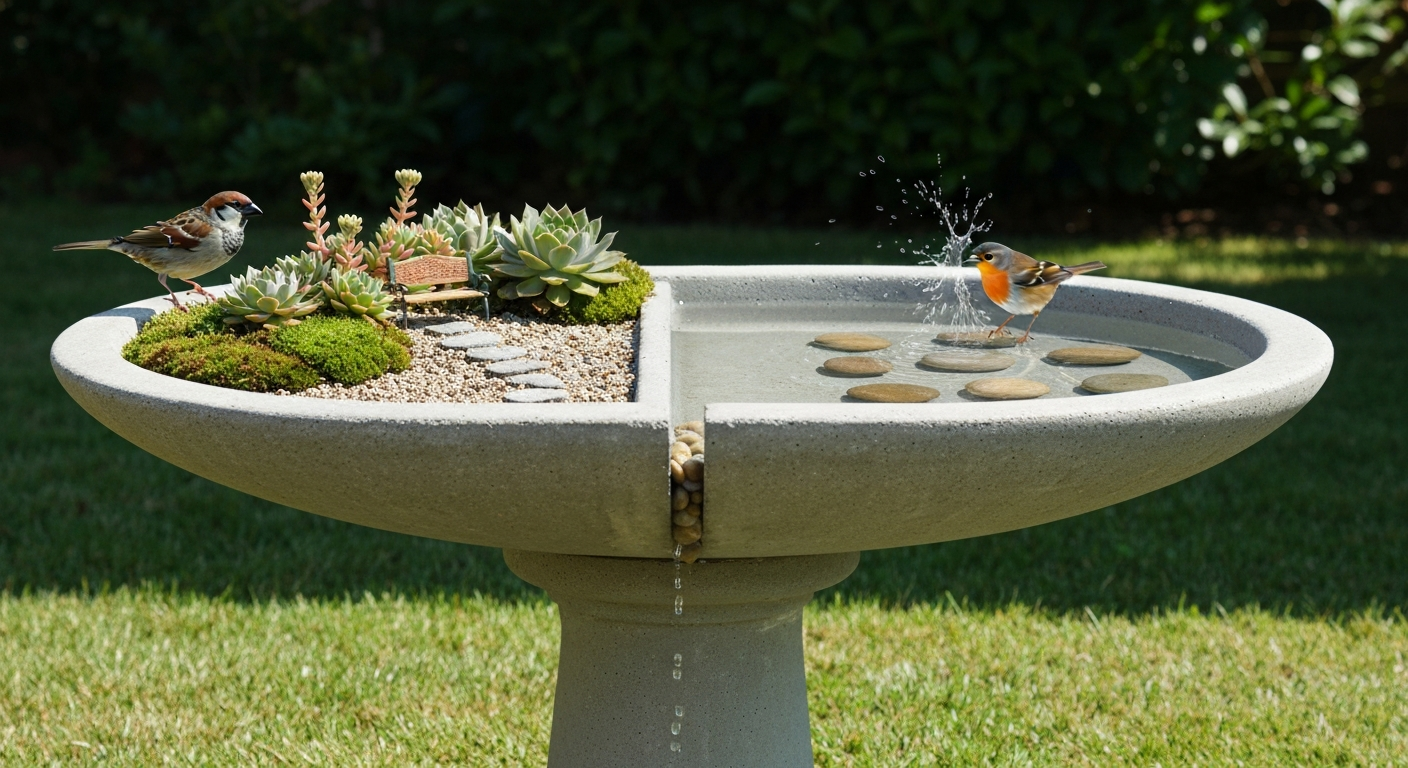
For most backyard birders, the best sealant for a concrete bird bath is a penetrating silane/siloxane sealer like Sika Sikagard-400 Enviroseal, or a non-toxic butyl rubber sealant like ConSeal CS-665 for any joints or cracks. The penetrating sealer soaks into the pores of the concrete and creates a hydrophobic barrier without forming a film that could peel or trap chemicals near the water. Once it's fully cured (allow at least 24 hours after the final coat before filling), it's safe for birds. That's the short version. Keep reading if you want to understand why, how to apply it correctly, and what to do if your bath is still leaking or the sealer isn't holding.
Best Sealant for Concrete Bird Bath: Bird-Safe Guide

Marcus Henley
29 Apr 2026
What makes a concrete bird bath sealant actually 'the best'
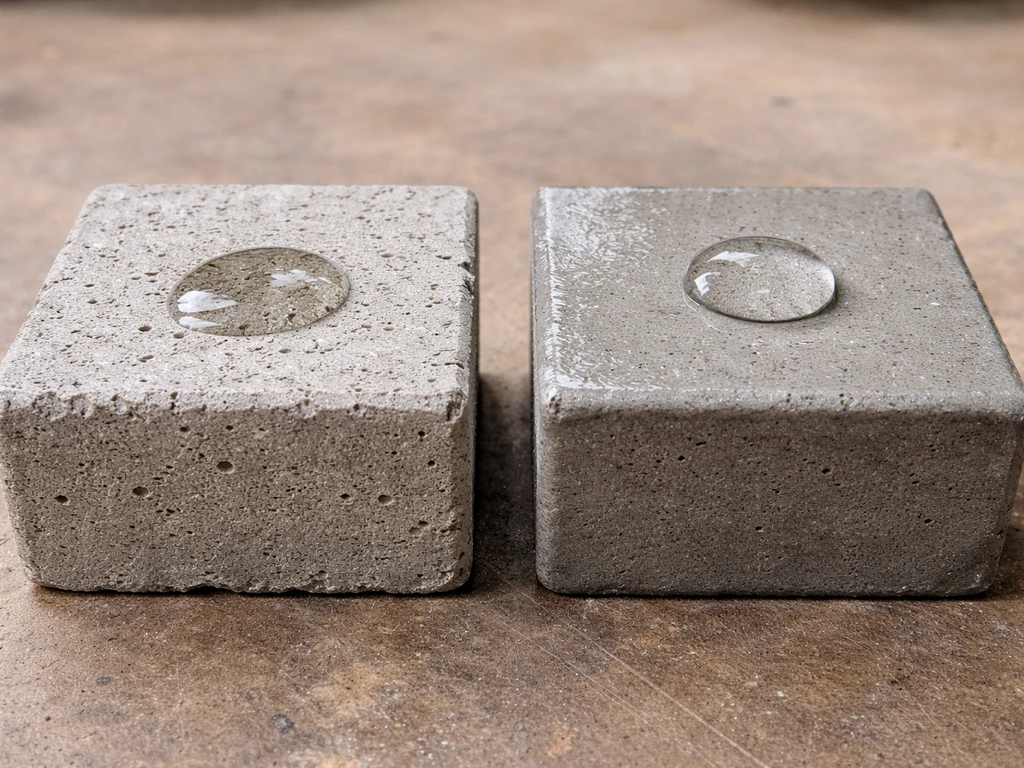
There are two jobs a bird bath sealant has to do well, and most products only nail one of them. The first job is waterproofing: raw concrete is porous and will slowly absorb water, which leads to cracking in freeze-thaw cycles, algae growth in the pores, and a bath that loses water faster than it should. The second job is bird safety: birds are drinking and bathing in that water, so whatever you put on the concrete needs to be genuinely non-toxic once cured, with no leaching chemicals that could harm them.
The gold standard for bird safety is NSF Standard 61 certification, which is the same certification used for products that contact potable (drinking) water in plumbing systems. If a product meets NSF 61, you can be confident it's not leaching harmful compounds into the water. ConSeal CS-665 carries that certification explicitly. Beyond certification, look for water-based formulas over solvent-based ones, since solvent-based sealers off-gas VOCs that can linger even after apparent drying. A product that forms a reactive bond with the concrete rather than sitting on top as a film is also far more durable and less likely to peel and contaminate the water down the road.
Choosing the right type of sealant for concrete bird baths
Not all concrete sealers are built for the same task, and the bird bath context has specific demands. Here's how the main types compare:
| Sealant Type | How It Works | Bird-Safe Potential | Best For | Watch Out For |
|---|---|---|---|---|
| Penetrating silane/siloxane (e.g., Sikagard-400 Enviroseal) | Soaks into pores, reacts with concrete to create a hydrophobic lining without a surface film | High — water-based, no film to peel | Sealing porous concrete basins against moisture absorption | Must remove pooled excess; ponding can leave a residue |
| Non-toxic butyl rubber sealant (e.g., ConSeal CS-665) | Flexible joint filler/sealant, NSF 61 certified for potable water contact | Very high — explicitly rated for drinking water systems | Filling cracks, joints, or gaps in the basin or pedestal | Not a surface sealer; use in combination with a penetrating sealer |
| Acrylic/polyurethane film-forming sealer | Forms a coating layer on the surface | Moderate — depends heavily on formulation and full cure | Decorative finish on non-contact surfaces | Can peel over time, especially in a wet/dry cycling environment like a bird bath |
| Epoxy coating | Hard surface film, very durable | Low to moderate — many contain solvents or BPA-adjacent compounds | Large planters or decorative concrete not used for drinking water | Not recommended for bird baths unless explicitly rated for potable water |
| Concrete paint with sealer (e.g., Drylok or similar) | Fills surface pores with a painted film | Moderate — water-based versions are lower risk once fully cured | Baths that need both color and sealing at once | Peeling risk; separate article covers best paint for concrete bird baths |
My recommendation for most people: use a penetrating silane/siloxane sealer on the whole basin surface, and use a non-toxic butyl rubber sealant (NSF 61 rated) specifically on any visible cracks, joints between pedestal and basin, or areas where you've patched the concrete. These two products work as a system. The penetrating sealer handles broad waterproofing; the butyl sealant handles point-specific leak prevention. If you're also considering repainting the bath, look into compatible options, but deal with sealing first.
What 'bird-safe' really means: curing time, chemical safety, and water timing
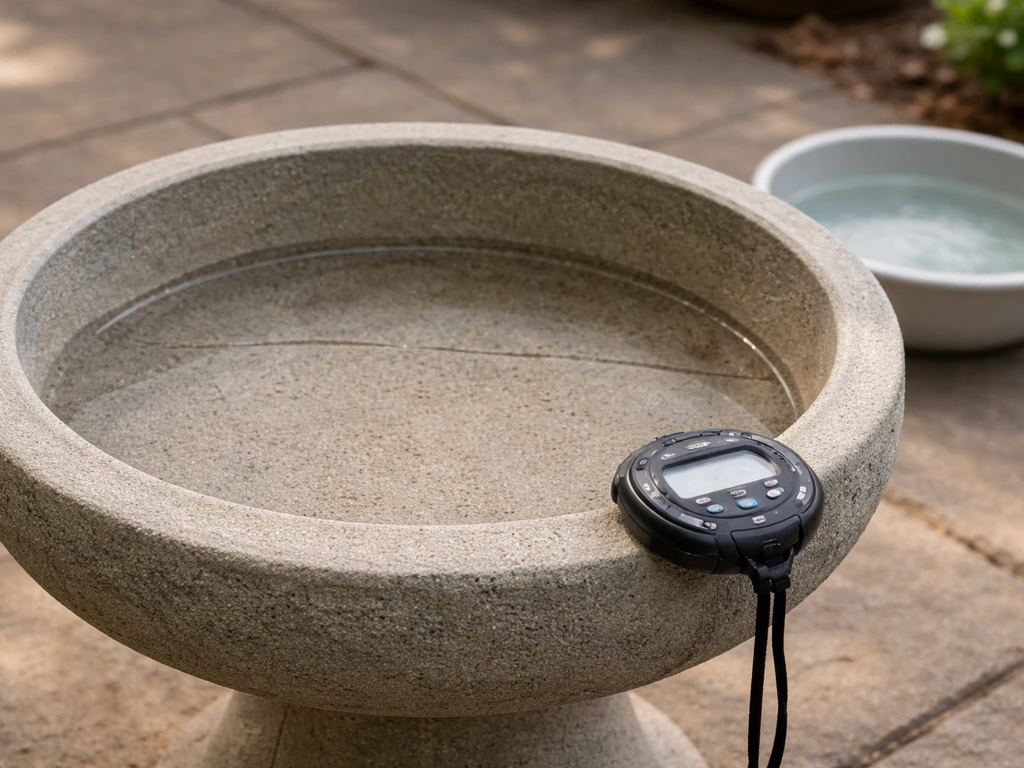
This is the part most people rush, and it's where mistakes happen. Sikagard®-400 Enviroseal’s application guidance also advises not applying when standing water is visible on the surface, to avoid ponding or visible water during application not apply when standing water is visible. 'Non-toxic once cured' is the key phrase. Almost every concrete sealer, even water-based ones, contains compounds that are harmful before they've fully dried and off-gassed. 'Dry to touch' is not the same as 'safe for birds.' A product like Sikagard-400 Enviroseal has a typical drying time of about 4 hours at 70°F with 50% relative humidity, but that's the drying time, not the safe-to-fill time. I always wait a minimum of 24 hours after the final coat before adding water, and 48 hours in cooler or more humid conditions.
Once you've filled the bath, do a rinse-and-dump cycle before letting birds use it. Fill it with clean water, let it sit for an hour, dump it, and refill. When you’re comparing options, the “best” choice is typically the one that is both bird-safe when cured and truly compatible with your bath’s specific leak or porosity issues Fill it with clean water. Do this two or three times. This flushes off any surface residue and gives you a chance to check for any cloudiness or film on the water, which would signal the sealer hasn't fully cured or that you applied too heavy a coat. If the water looks clear after a few fill-and-dump cycles, you're good.
On the chemical side, specifically avoid any sealer that lists xylene, toluene, or other aromatic solvents in the ingredients. These can persist in the concrete and leach slowly into the water. Also avoid anything with biocides or mold-inhibiting additives marketed for exterior concrete use, since those compounds are designed to be toxic to organisms and have no place near a bird bath. When in doubt, NSF 61 certification removes the guesswork entirely.
Step-by-step: how to prep and seal a concrete bird bath the right way
Getting the prep right matters more than which sealer you pick. I've seen perfectly good sealers fail within a season because the surface wasn't properly cleaned or dried before application. Here's exactly how I do it:
- Clean the basin thoroughly. Scrub with a stiff brush and a solution of white vinegar and water (1:1 ratio) to remove algae, mineral deposits, and any old sealer residue. For stubborn deposits or an older bath with heavy buildup, a diluted muriatic acid wash (follow the product directions carefully and rinse very well) will open up the pores and give the new sealer something to bond to. Rinse multiple times until the water runs completely clear.
- Let it dry completely. This is non-negotiable. A concrete bird bath needs at least 24 to 48 hours of dry weather before you apply any sealer. If you live somewhere humid, give it 48 to 72 hours. Moisture trapped under the sealer will prevent bonding and cause peeling. If you're in a hurry, a few hours of direct sun helps, but don't rush this step.
- Inspect for cracks or chips. Before sealing the whole surface, address any cracks, chips, or the joint between the pedestal and basin. Use your NSF 61-rated butyl rubber sealant (like ConSeal CS-665) to fill cracks and joints. Follow Sika's guidance and allow a minimum of 6 to 12 hours for any caulk/sealant to skin over before applying a penetrating sealer on top of it.
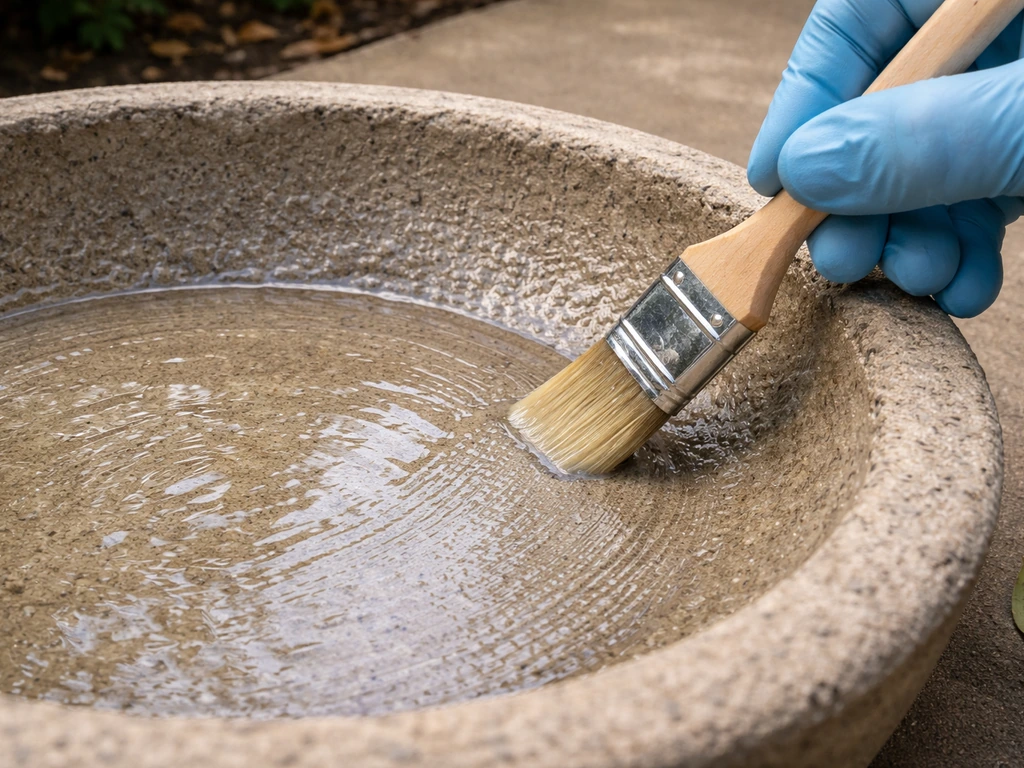
- Apply the first coat of penetrating sealer. Using a brush, roller, or low-pressure sprayer, apply an even coat of your silane/siloxane sealer. Work it into the surface and make sure you cover all inside basin surfaces. Sika specifically instructs removing any excess product that pools in concave areas or joints, so wipe out any puddles with a clean cloth before they dry.
- Allow to dry between coats. For Sikagard-400 Enviroseal, the typical drying time is 4 hours at 70°F and 50% humidity. In cooler or more humid conditions, wait longer. Do not apply the second coat until the first is fully dry to the touch and there's no tacky feel.
- Apply a second coat. One coat often isn't enough for an older, highly porous bath. A second coat ensures consistent coverage. Apply it the same way as the first, and again remove any excess that pools.
- Cure before filling. Wait at least 24 hours after the final coat before adding any water, and 48 hours if conditions were cool or humid during application.
- Rinse-and-dump before birds use it. Fill with clean water, let sit for an hour, dump. Repeat 2 to 3 times. Check for any film or cloudiness on the discarded water. If it looks clean, fill the bath and you're done.
Common mistakes that kill a good seal job
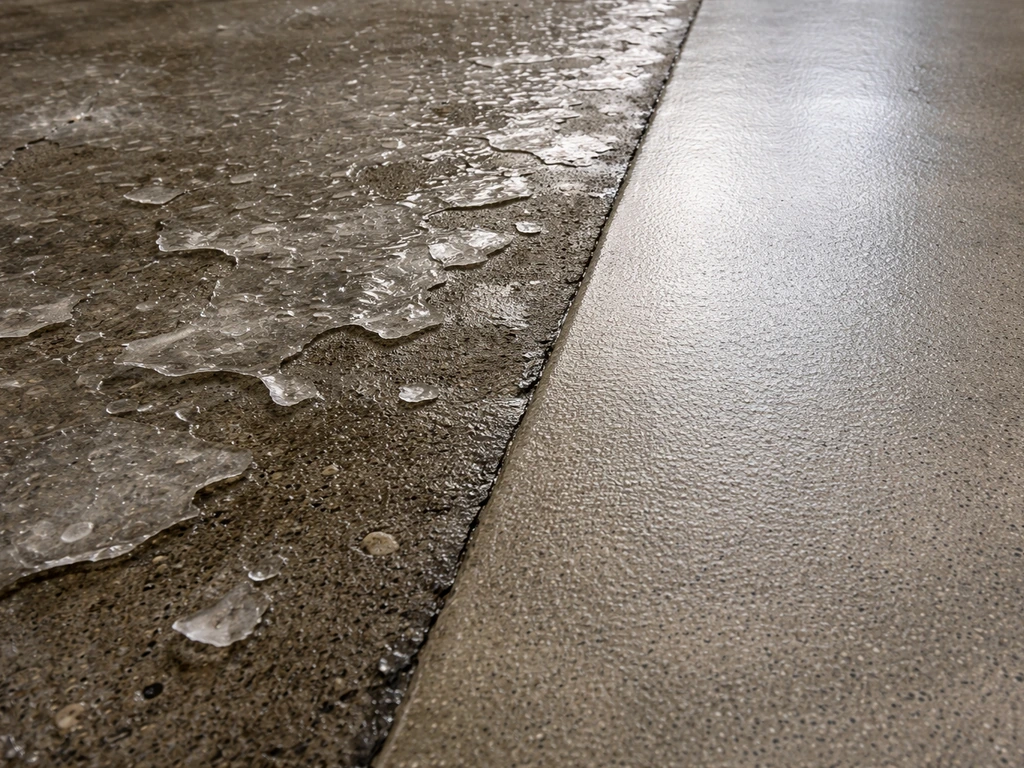
- Sealing over a damp surface: the most common reason sealers peel within weeks
- Applying too heavy a coat: penetrating sealers work by absorption, not by building up a thick layer; more product sitting on the surface just pools and dries into a tacky residue
- Skipping the crack and joint step: a perfect surface seal won't fix a structural leak at the pedestal joint
- Using a sealer rated for driveways or countertops without checking for potable-water safety
- Filling the bath too soon: 'dry to touch' is not the same as 'safe for birds'
Getting a truly watertight bath: fixing leaks and porosity issues
If your bird bath is losing water even after sealing, there are a few likely culprits. A hairline crack that wasn't addressed before sealing will continue to leak no matter how many coats of surface sealer you apply. The fix is to drain the bath completely, dry it thoroughly, and use a flexible, NSF 61-rated butyl rubber sealant to fill the crack directly. Butyl rubber stays flexible as the concrete expands and contracts with temperature changes, which is why it outlasts rigid patching compounds in this application. After the crack filler has cured for 24 hours, reapply your penetrating sealer over the patched area and the surrounding basin.
If the bath is losing water slowly with no visible cracks, the concrete itself is just very porous, which is common in older or lower-quality cast concrete baths. In this case, two or even three coats of a quality penetrating sealer usually solve the problem. If it still seeps after three coats, consider a concrete repair product designed to fill surface porosity, like a skim coat of hydraulic cement or a thin Portland cement slurry, followed by your penetrating sealer once that repair has fully cured. This is basically rebuilding the surface layer before sealing it. If you want to go deeper on mixing and patching approaches, there's more to cover in choosing the right concrete mix for bird bath repairs. When you do those repairs, using the best concrete mix for bird bath repairs helps the patch cure properly and match the surrounding concrete so the seal lasts longer.
One thing worth knowing: a new concrete bird bath will almost always benefit from sealing before first use. Fresh concrete is highly alkaline and will leach lime into the water, which is harmful to birds. Sealing (and doing those rinse-and-dump cycles) before introducing birds is standard practice, not just an optional upgrade. For many DIYers, the best glue for a concrete bird bath is an NSF 61-rated, waterproof repair sealant or adhesive system that is non-toxic once cured Sealing. If you're building or casting your own bath, the same logic applies.
Maintenance and when to reseal
A good penetrating sealer on a concrete bird bath typically lasts 2 to 5 years, depending on your climate and how often you're scrubbing the bath. In regions with harsh freeze-thaw cycles, expect closer to 2 years. In mild climates where the bath stays in place year-round with gentle cleaning, 4 to 5 years is realistic. Butyl rubber sealant on cracks and joints is similarly durable but should be inspected every spring for signs of shrinkage, cracking, or separation.
For routine cleaning, stick to a stiff brush and diluted white vinegar. Avoid bleach-based cleaners on a sealed surface since they can degrade the sealer faster and force more frequent reapplication. If you're scrubbing algae weekly (which is normal in summer), you're essentially wearing down the sealer faster than in a cooler season, so factor that in when you're estimating when to reseal. Also note that if the concrete starts showing a red or rust-colored staining, that's usually an iron mineral issue in the concrete itself rather than a sealer failure, and it's worth investigating that separately.
The signal that it's time to reseal is simple: the concrete starts absorbing water visibly again (you'll see dark wet patches that take a long time to dry after rain), or you notice the bath losing water faster than evaporation alone would explain. At that point, drain the bath, clean it well, let it dry completely, and apply a fresh coat of penetrating sealer. You don't usually need to strip the old sealer first for a penetrating product; just make sure the surface is clean and dry.
What to do if the sealer didn't hold
If your sealer is peeling or flaking, that's a film-forming product failing, not a penetrating sealer doing its job. The fix is to strip the peeling material with a concrete stripper or stiff wire brush, get back to bare concrete, and switch to a penetrating silane/siloxane product instead. Peeling film-forming sealers are also a bird hazard since birds can ingest flaking particles. Don't just recoat over a peeling surface. Strip it, prep it, and start clean with the right product type. If you've previously painted the bath, stripping and resealing is closely related to the process of repainting, and it's worth thinking through both steps together.
FAQ
How can I tell if my concrete bird bath sealant is actually safe to fill, not just dry to the touch?
Do a small “bird-safe test” first: apply the sealer on the lowest, least-used area, let it cure for your full safe-to-fill window, then run your fill-and-dump rinse cycle. If you see cloudiness, slick film, or strong odor during the first dump, stop and switch to a different product type rather than filling for birds.
Can I apply a second sealant type over the first sealant to stop leaks faster?
Yes, but it can backfire if you mix product types. If you used a penetrating silane/siloxane on the basin, avoid adding a film-forming topcoat later because it can trap moisture or peel. If you need extra protection, recoat with the same penetrating chemistry after proper cleaning and drying, and reserve butyl rubber for cracks and joints only.
Is “non-toxic once cured” enough, or should I insist on NSF 61 for bird baths?
For food and plumbing-style contact, look specifically for NSF 61 on the sealant or repair system, since that indicates restrictions on what can leach. If a product says “non-toxic when cured” without an NSF 61 statement, treat it as a lower-confidence choice, especially for any area where water will sit for long periods.
What’s the best way to find the leak source if I cannot see any cracks?
If the bath is losing water fast, assume a mechanical leak (crack or joint) until proven otherwise. Pour a dye test into the water, mark where it appears on the outside after a few hours, then address that exact pathway with NSF 61-rated butyl for joints or a flexible crack filler, followed by a penetrating recoat over the patched zone.
Can I seal a bird bath if the concrete still feels damp?
Avoid coating if the concrete is still holding moisture, since trapped water reduces penetration and can cause patch failure. Use a simple dryness check: tape down a plastic sheet to the basin surface overnight, if it collects condensation underneath, wait longer and address humidity before applying sealer.
Should I patch cracks before sealing, or seal first and patch afterward?
Yes, but timing matters. If you had to patch, fill the cracks and joints first, then let the repair cure fully, and only then apply the penetrating sealer across the basin so the repair is integrated into the waterproofing system rather than sealed “around” it.
What cleaning products are safest on a sealed bird bath, and when should I avoid vinegar?
Use vinegar only for routine cleaning, not heavy degreasing, and never combine vinegar with bleach or other chemicals. For tough biofilm, scrub first with water and a stiff brush, then use diluted vinegar, rinse thoroughly, and allow the bath to fully dry before any resealing.
How long after sealing should I wait before running the rinse-and-dump cycle?
Don’t fill immediately after application. Your safest rule is to follow the product’s full curing window and then add your own buffer, such as 24 hours minimum after the last coat at typical indoor temperatures. In cooler or more humid conditions, extend to 48 hours or more before starting the rinse-and-dump.
Why does my bird bath still get algae quickly even after sealing?
If algae keeps returning quickly, it often means water is staying near the surface or the bath is absorbing moisture and feeding growth. After confirming bird-safe chemistry and curing, consider scrubbing more thoroughly during cleaning, and verify you applied enough penetrating sealer coats, since under-application is a common cause.
How often should I inspect and reseal, and what signs mean I’m getting close to resealing?
Inspect joints and repaired areas first in spring, then check again after freeze-thaw events. Look for shrinkage, separation at the edges of the butyl, or any new hairline cracks, and recoat the basin with penetrating sealer when dark wet patches start returning after rain.
My previous sealant peeled, can I just clean and recoat instead of stripping?
Yes, but do not rely on an unproven “compatibility coat.” If peeling happened before, strip back to bare concrete, then switch to a penetrating silane/siloxane product for the basin. If the bath was painted, assume you may need complete strip-and-reseal so you do not trap residues under a penetrating layer.
Is rust-colored staining a sign the sealer failed or something else?
If you see red or rust-colored staining after sealing, it usually points to iron minerals in the concrete, not the waterproofing chemistry. You can scrub the stain and manage mineral exposure, but sealing alone often will not stop it; treat staining as a separate concrete issue rather than assuming sealer failure.