For a concrete bird bath, the best paint is a two-part epoxy pond coating like Pond Armor Pond Shield. If you are still planning your setup from the ground up, pairing the coating with the best cement for bird baths helps the base bond and stay stable for the long run. It's non-toxic once fully cured, bonds well to concrete, handles water immersion, and holds up through freeze-thaw cycles.
Best Paint for Concrete Bird Bath: Inside and Outside Options

Marcus Henley
27 Apr 2026
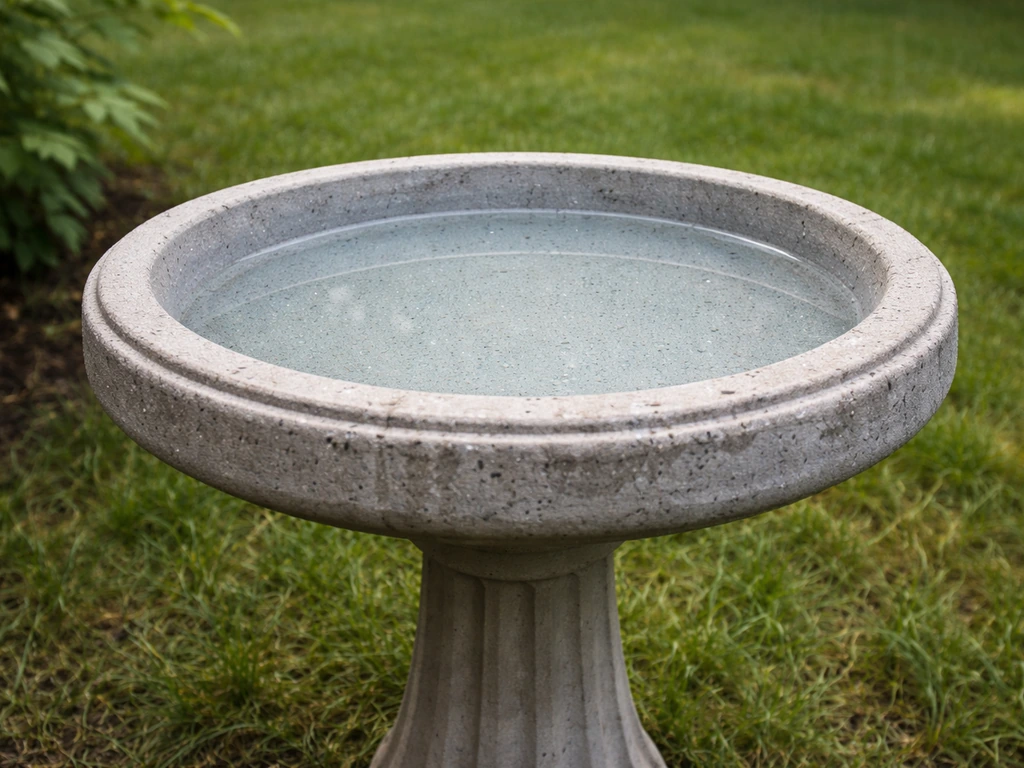
For the outside or decorative surfaces, an exterior-rated masonry paint or elastomeric coating works great. Metal bird baths need a rust-inhibiting primer first, then a compatible topcoat. The inside surface is the tricky part, because whatever touches the water needs to be fully cured and genuinely bird-safe, not just labeled 'exterior' or 'waterproof. '
What makes a paint actually bird-safe?
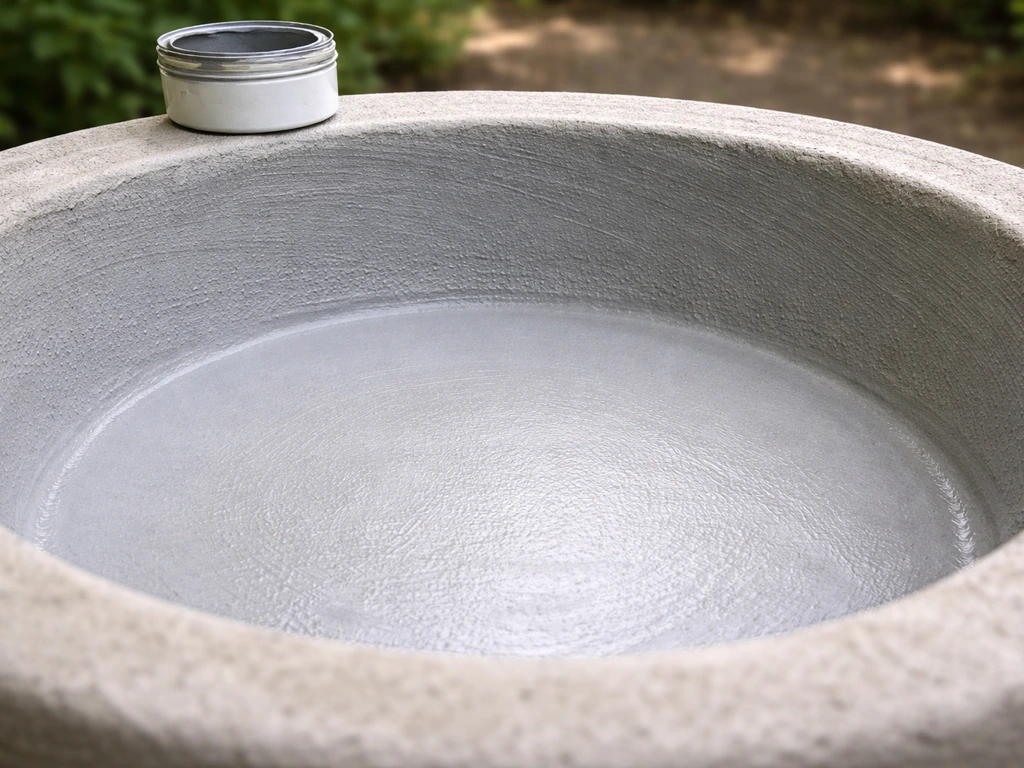
This is where most people go wrong. They grab a can of exterior paint, slap it on the inside of the basin, and wonder why birds seem reluctant or why the coating peels off in a season. Bird-safe paint for water-contact surfaces needs to check a specific set of boxes, not just be rated for outdoor use.
- Water-contact safe once fully cured: Look for coatings designed for potable water tanks, ponds, or food-contact surfaces. Products certified to NSF/ANSI 61 (or food-grade epoxy standards) are your clearest signal that the cured coating won't leach harmful chemicals into the water.
- Genuinely waterproof, not just water-resistant: The inside of a bird bath stays wet constantly. A coating that's merely water-resistant will degrade, bubble, and peel within one or two seasons.
- UV and weather resistant: The outside surface bakes in the sun and gets rained on. You need UV stabilizers in whatever you put on the exterior.
- Good adhesion to porous surfaces: Concrete is alkaline and porous. Masonry-specific primers and epoxy formulations are designed to grip this chemistry. Standard house paint often doesn't.
- Low or zero VOC once cured: Solvents and volatile compounds need to fully off-gas before birds use the bath. This is about cure time, not just the 'dry to touch' window.
- Non-toxic pigments: Avoid paints with heavy metals in the pigment (some older oil-based paints, certain metallic finishes). When in doubt, stick with water-based acrylics or certified epoxies.
The curing piece is critical and often skipped over. A paint can feel dry in an hour and still be releasing solvent vapors or uncured resin components for days. For the inside of a bird bath, I always wait significantly longer than the minimum cure time before refilling.
Best paint options by material: concrete vs metal
Concrete and cement bird baths
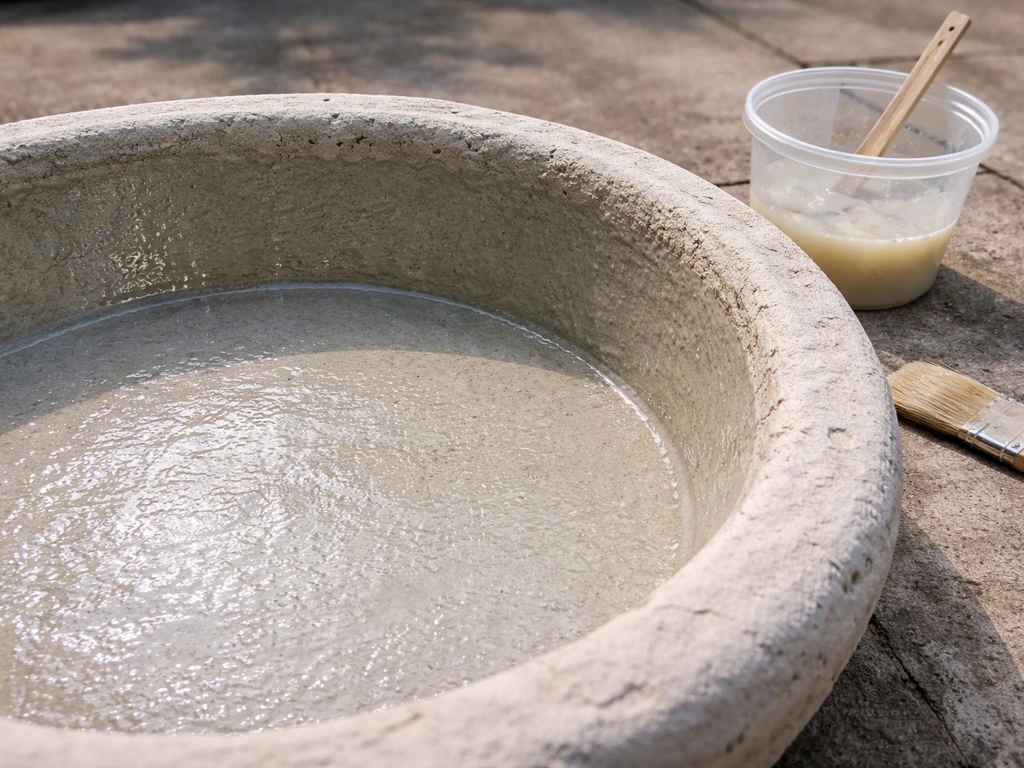
Concrete is porous and alkaline, which means coatings need to bond chemically to an uneven, moisture-holding surface. Here are the options I'd actually recommend, ranked by performance for water-contact and exterior use. Choosing the best concrete mix for a bird bath also helps the coating bond better and stay intact through soaking and freeze-thaw cycles Concrete is porous and alkaline.
| Paint/Coating Type | Best For | Notes |
|---|---|---|
| Two-part epoxy pond coating (e.g., Pond Shield) | Inside basin (water contact) | Non-toxic once cured, bonds to concrete, handles immersion. Cure at least 24 hours before adding water, longer in cold weather. |
| Elastomeric masonry paint | Outside/decorative surfaces | Flexible enough to handle concrete expansion, excellent UV and weather resistance. Not suitable for water immersion. |
| Acrylic concrete/masonry paint | Outside surfaces, decorative color coats | Easier to apply than epoxy, good weather resistance, widely available. Use a masonry primer first. |
| NSF 61-listed ceramic epoxy (e.g., Induron Perma-Clean 100) | Inside basin, serious long-term lining | Professional-grade, extremely durable. New concrete must cure 28 days before application. Best for large or heavily used baths. |
For most backyard bird bath owners, Pond Shield is the go-to for the inside basin. It's designed for exactly this kind of small-scale water feature, it comes in a manageable kit size, and the manufacturer is transparent about safety and cure requirements. If you want to go more serious, an NSF 61-listed ceramic epoxy system is as durable as it gets, but it's also more work to apply and requires stricter prep conditions.
Metal bird baths
Metal bird baths are typically galvanized steel, cast iron, or copper. Each has different corrosion behavior, and what you prime with matters as much as the topcoat. The biggest mistake on metal is skipping the primer or using the wrong one.
- Galvanized steel: Use a self-etching primer or a primer specifically rated for galvanized surfaces. Standard primers don't bond well to the zinc coating. Follow with an exterior enamel or epoxy topcoat.
- Cast iron: Remove rust thoroughly with a wire brush or angle grinder, then apply a rust-inhibiting epoxy primer. Cast iron rusts aggressively so don't skip this step.
- Copper: Copper typically doesn't need paint for protection, but if you're adding color, use a metal-compatible primer and be aware that copper can leach into water, which affects algae growth.
- Mixed metals: If your bird bath has dissimilar metals in contact (galvanized screws on cast iron, for instance), be aware of galvanic corrosion risk. A good isolating primer coat helps break that electrical connection.
For water-contact surfaces on metal bird baths, a food-grade epoxy or pond-safe epoxy coating still applies. Rust-inhibiting primers like zinc-rich epoxy formulas are excellent for the exterior and structural surfaces, but check the manufacturer's guidance before using them in direct water contact on the inside basin.
Inside vs outside: they're not the same job
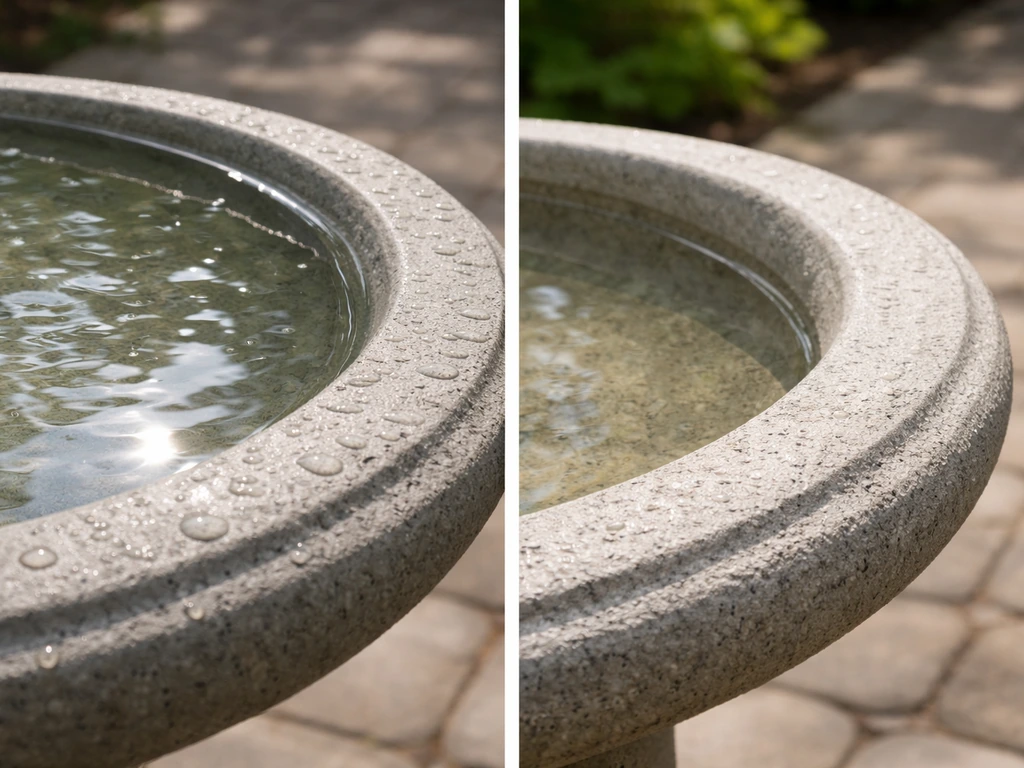
The inside of the basin and the outside of the bird bath have completely different requirements, and treating them the same is one of the most common reasons coatings fail or cause problems for birds.
The interior lining is always submerged or at least constantly wet. It needs a coating that can handle water immersion without softening, peeling, or leaching. Induron also states that Perma-Clean 100 is an NSF/ANSI 61/600 potable water tank lining that can be used for immersion service in steel or concrete water tanks Perma-Clean 100 is an NSF/ANSI 61/600 potable water tank lining for immersion service. Epoxy pond coatings are purpose-built for this. Standard exterior masonry paint, even good quality stuff, is not designed for constant immersion and will eventually fail in that environment.
The exterior surface has a different set of challenges: UV radiation, freeze-thaw cycling, and physical weathering. Elastomeric coatings and exterior masonry paints excel here because they're flexible enough to move with the concrete without cracking. They also tend to come in more color options if you're trying to match your garden aesthetic.
A practical approach for a full repaint is to coat the interior basin with a pond-safe epoxy, let it cure completely, then mask it off and paint the exterior with your chosen masonry or elastomeric paint. Don't use the same product for both surfaces unless it's specifically rated for both immersion service and exterior UV exposure.
How to actually apply the paint (prep through cure)
Coating failure on concrete bird baths is almost always a prep problem. For the best concrete mix for bird baths, focus on a dense, well-cured concrete base before you choose any interior coating. The concrete's porosity, alkalinity, and tendency to hold moisture means shortcuts in prep show up as bubbles, peeling, and delamination within a season. Here's the process I use.
- Clean thoroughly: Scrub the entire surface with a stiff brush and a concrete-safe cleaner. Remove algae, mineral deposits, and any old sealer or paint that's peeling. Rinse completely and let it dry, ideally for at least 24 to 48 hours in dry weather.
- Degrease if needed: If there's any chance of oil, silicone, or other contaminants (from previous treatments, handler oils during manufacture, or nearby equipment), use a concrete degreaser before etching. Contamination under an epoxy coat is a guaranteed delamination.
- Etch the concrete: For epoxy coatings, apply a concrete etching solution (diluted muriatic acid or a commercial phosphoric acid etcher) to open up the surface profile. Rinse thoroughly and neutralize. This step dramatically improves adhesion.
- Check for new concrete: If you're working with a new concrete bird bath or one you cast yourself, wait at least 28 days for the concrete to fully cure before applying any coating. Coating green concrete is a common mistake that leads to failures.
- Prime appropriately: Use a masonry primer for masonry paints, or follow the epoxy manufacturer's primer instructions for pond epoxy systems. For metal, use the correct primer for your metal type. Don't skip this step.
- Apply your coating: Follow the manufacturer's mixing and application instructions exactly, especially for two-part epoxies. Apply thin, even coats. Two thinner coats bond better than one thick one.
- Check environmental conditions: Apply when surface temperature is above 50°F (some systems require higher), and the surface should be at least 5°F above the dew point. Cold, humid conditions slow curing and can cause adhesion problems. Don't paint if rain is expected within the cure window.
- Wait for full cure before adding water: 'Dry to touch' is not the same as cured. Pond Shield states a minimum of 24 hours before use, but in cooler temperatures curing takes longer. I generally wait 48 to 72 hours in spring or fall weather, and up to a week if I've applied it in marginal conditions.
- Rinse before birds return: After the coating is fully cured, rinse the basin several times with fresh water and let it air before filling for the birds. This clears any residual surface chemistry.
When spray paint makes sense (and when it doesn't)
Spray paint can be genuinely useful for bird baths, but it's the right tool for specific jobs, not a general shortcut. Here's where it earns its place and where it falls short.
Spray paint works best for exterior decorative surfaces, especially on pedestals, sculptural details, or metal baths with ornate patterns that are hard to brush evenly. A rust-inhibiting spray enamel on a metal bird bath pedestal goes on more evenly than brushwork and covers complex shapes without brush marks. Krylon Fusion (bonds to multiple surfaces without primer) and Rust-Oleum's masonry and metal lines are the most practical choices for this kind of exterior work.
Where spray paint falls short is the inside basin. You lose control over thickness, you risk overspray into the water contact area, and most spray paints are not formulated for water immersion. If you do use a spray coating on the interior, it needs to be a product specifically designed for that purpose, and I haven't found a spray format of pond-safe epoxy that I'd trust as much as the brushed or rolled two-part systems. Stick with a brush or foam roller for the inside.
Overspray is also a real concern. Work on a calm day, use a shield or cardboard to protect surrounding surfaces and plants, and always work with the nozzle the correct distance from the surface (usually 10 to 12 inches) to get even coverage without runs or dry spray texture.
| Use Case | Spray Paint? | Recommended Approach |
|---|---|---|
| Exterior concrete surface | Yes | Exterior masonry spray paint or elastomeric in spray format |
| Metal pedestal or base | Yes | Rust-inhibiting spray enamel, light even passes |
| Decorative details and carvings | Yes | Spray gives better coverage in recessed areas than a brush |
| Inside basin (water contact) | No | Brush or foam roller with a pond-safe two-part epoxy |
| Full repaint of basin and exterior | Partial | Spray the outside, brush/roll the inside with appropriate coatings |
Can you paint the inside of a bird bath?
Yes, you absolutely can, and it's often the right call if you're restoring an old concrete bath, trying to stop slow seepage, or refreshing a surface that's gone rough and is harboring algae in every crack. The key is using a coating that's genuinely safe for birds once cured, and respecting the cure window before putting water back in.
The concern most people have is toxicity, and it's legitimate. Uncured epoxy resins are not bird-safe. The solvents and reactive components in paint products can leach into water while the coating is still curing. This is not a scare tactic, it's just chemistry. The good news is that properly cured pond-safe epoxy is inert and safe. If you’re seeing a reddish tint on your concrete bird bath, the cause is often related to moisture, salts, or coating breakdown rather than the paint color itself why does my concrete bird bath turn red. The product Pond Shield is specifically marketed for water features and aquatic environments, and the manufacturer addresses the safety question directly in their documentation.
The timing guideline I use: minimum 48 hours cure time at temperatures above 65°F, and longer at cooler temperatures. If I applied a coating during a cool spring week where nights dropped near 50°F, I'd wait a full week before adding water. After the cure window, rinse the basin two or three times, dump the rinse water, and then fill normally. I've never had a problem with birds avoiding a properly cured epoxy-coated basin.
One thing worth noting: if you've sealed or coated your bird bath interior, the related topic of sealing and what products work for that is worth reading alongside this guide, since sealing and painting often overlap in a full restoration project.
Keeping the paint in good shape after you're done
A good epoxy or masonry coating can last several seasons, but only if you maintain it correctly. The things that degrade coatings fastest on bird baths are harsh cleaning chemicals, physical scrubbing with abrasives, and freeze-thaw damage from water trapped under a compromised coating.
Cleaning without stripping your coating
Clean the inside basin with a stiff nylon brush and plain water or a diluted white vinegar solution. Avoid bleach at full strength, harsh degreasers, or abrasive scrubbing pads on coated surfaces. These won't instantly strip an epoxy coat, but over time they degrade the surface and shorten how long it lasts. I dump and rinse my bird baths every two to three days during summer, which keeps algae from getting established in the first place.
Dealing with algae and slime
A smooth, intact coating actually makes algae easier to clean because it has fewer micro-pores for algae to grip. If you're fighting algae consistently, the coating is doing its job by giving you a cleanable surface. Placement matters too: bird baths in full sun all day grow algae faster than those with partial shade in the afternoon. A couple of copper pennies or a commercial bird-safe algae inhibitor tablet in the water can slow growth without harming birds or your coating.
Knowing when to re-coat
Inspect your coating each spring. Look for chalking (a chalky powder on the surface), peeling edges, hairline cracks, or any spots where the coating has lifted. Small areas can often be spot-repaired: sand lightly, clean, and apply a fresh coat of the same product. If the coating is failing broadly, it's worth stripping and starting over rather than coating over a compromised surface, because coatings over failing coatings just delay and multiply the problem. Efflorescence (a white mineral bloom on concrete) is a sign that moisture is moving through the concrete, which can lift coatings from underneath, so address that before re-coating.
In cold climates, drain and dry the bird bath before hard freezes. Water expanding under a coating during a freeze is one of the fastest ways to cause delamination, especially in hairline cracks or at edges where the coating doesn't have perfect adhesion.
Re-coating tips
- Clean and lightly abrade the existing surface before re-coating, even if it looks intact. Adhesion between coats depends on mechanical bonding.
- Use the same product family when re-coating. Applying a different chemistry over an existing epoxy can cause compatibility problems.
- Spot-repair chips and cracks early before water gets under the coating and makes the damage worse.
- Keep records of what products you used (manufacturer, product name, date applied) so you can match them when it's time to re-coat.
FAQ
Can I paint over a previously painted or sealed concrete bird bath interior?
Only if the old coating is fully intact and well bonded. If you see peeling, chalking, soft spots, or raised edges, spot-repair won’t hold, you need to strip and start clean. Also avoid coating over sealers that create a slick surface, epoxy and cement-bound coatings may not chemically key in.
Do I need to etch or acid-wash concrete before applying epoxy pond coating?
Often you need surface prep that improves adhesion, but the exact method depends on the concrete and any prior contamination. If you use acid etching or harsh cleaners, you must rinse thoroughly and let the concrete dry out completely, otherwise salts can trigger bubbles and adhesion failure under the epoxy.
How can I tell if the coating is truly ready for birds before refilling?
Don’t rely on “touch dry” timing. Use a longer cure window, then confirm by rinsing the basin a couple times and dumping the rinse water before bringing it back to full fill. If you still notice odor, tackiness, or residue after the minimum cure time you’ve set, extend the cure and wait again.
Is it safe to use bleach or an algae remover on a coated concrete bird bath?
Avoid full-strength bleach and harsh degreasers on the coated interior. They can degrade the surface over time even if they don’t immediately strip it. Stick to plain water, gentle brushwork, and the vinegar approach mentioned, and use any algae products only if they are bird-safe and compatible with epoxy coatings.
What grit level should I use if I need to scuff-sand concrete for adhesion?
Use a light-to-medium abrasion intended for bonding prep, not polishing the surface. The goal is to create a mechanical tooth and remove loose material. If you sand too aggressively and expose too much porous concrete, you may need extra cleaning and drying to prevent moisture and trapped dust from causing pinholes or poor adhesion.
My concrete has efflorescence, should I coat it anyway?
No. Efflorescence indicates moisture and salts migrating through the concrete, that movement can lift the coating from underneath. Resolve drainage or curing issues first, then wait for the concrete to dry fully before applying the water-contact epoxy.
How many coats should I apply inside, and do thicker coats change performance?
Follow the product’s specified film thickness and recoat window. More is not always better, excessively thick application can trap solvents or cure unevenly, increasing the chance of tackiness or long cure times. If you need more build, use multiple coats within the recommended recoat timing rather than dumping on one heavy layer.
What’s the safest way to repaint the exterior without affecting the epoxy interior?
Mask carefully at the interior rim so splatter and roller drag do not contaminate the water-contact lining. If the interior epoxy already cured, ensure masking tape won’t pull edges when removed, and keep exterior paint from pooling on the rim where it could contact water.
Can I use a brush on the inside instead of a foam roller for epoxy pond coating?
Yes, but keep an eye on brush marks and avoid overworking the wet coating. Foam rollers often help achieve a smoother finish with fewer lines, which can reduce algae grip. If you brush, use a consistent pattern and maintain the recommended thickness, don’t chase imperfections by repeated stirring or re-brushing.
Do I need a primer on concrete before the two-part epoxy pond coating?
Many pond epoxy systems are designed to bond directly to properly prepared concrete, but primer requirements vary by the specific product and condition of the substrate. If the concrete is sealed, heavily contaminated, or has a weak surface layer, you may need a dedicated adhesion-promoting step instead of relying on a primer guess.
What should I do if the interior coating bubbles or blisters appear after curing?
Small isolated issues can be a sign of trapped moisture, salts, or dust. Let it fully cure, then inspect and evaluate spread. If blisters grow, you usually need to remove the failing section, clean, dry, and recoat with the same system. Coating over blisters typically leads to recurring failure.
For freeze-thaw climates, should I drain the bird bath even if it’s coated?
Yes. Even with a coating, you can still get water trapped under edge cracks or lifted sections, freezing expands water and can cause delamination. Drain and let it dry before hard freezes, then re-fill after temperatures stabilize.
Will painting the exterior also help with algae inside?
No, exterior coating doesn’t control algae in the basin. Algae growth is driven by light exposure, water turnover, nutrients, and surface cleanability inside the basin. Focus on a smooth, intact interior lining plus maintenance routines, then use partial shade or bird-safe algae inhibitors if needed.
Can I switch between different coating brands or systems on the same bird bath?
Prefer to stay within one compatible system for the interior and avoid mixing chemistries unless the manufacturer explicitly approves. Different epoxies and “waterproof” masonry paints can have incompatible adhesion surfaces, leading to peeling at the interface. If you change products, plan for full compatibility prep, not just top coating.
Next Articles
How to Seal a Concrete Bird Bath: Stop Leaks and Cracks
DIY steps to seal and waterproof a concrete bird bath, stop cracks and leaks, prep properly, choose the right sealer, wi
How to Make a Fairy Garden in a Bird Bath: Safe Build & Care
Create a bird-safe fairy garden in a bird bath: step-by-step build, plant choices, safety, care, troubleshooting
How to Decorate a Bird Bath for Christmas Safely
Step-by-step tips to decorate a Christmas bird bath with safe non-toxic accents, prevent freezing, and keep water clean.