Mosquitoes need standing water to breed, and a bird bath is basically a perfect nursery for them. If you’re wondering, do bird bath attract mosquitoes, the answer is yes when they contain standing water. The good news is you can keep your bird bath completely mosquito-free without harming the birds, it just takes a combination of the right products, a consistent maintenance routine, and a few smart setup choices. Here's exactly what to do, whether you're preventing the problem or dealing with larvae you spotted this morning.
How to Keep Mosquitoes Out of a Bird Bath

Marcus Henley
19 Apr 2026
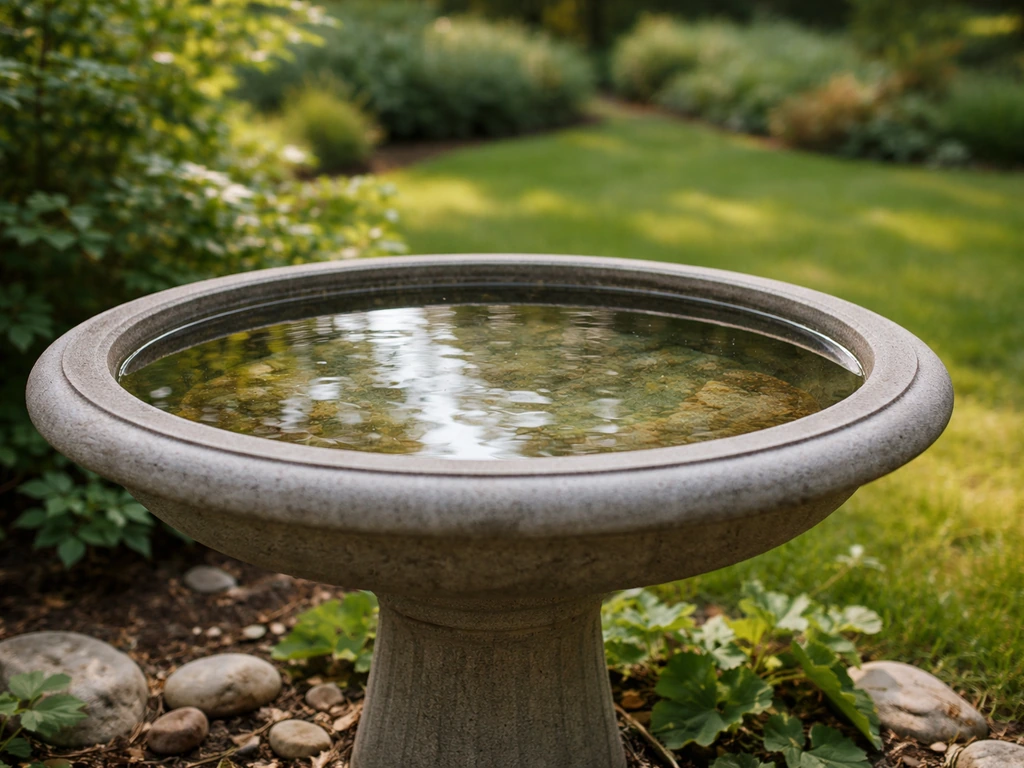
Why mosquitoes love your bird bath
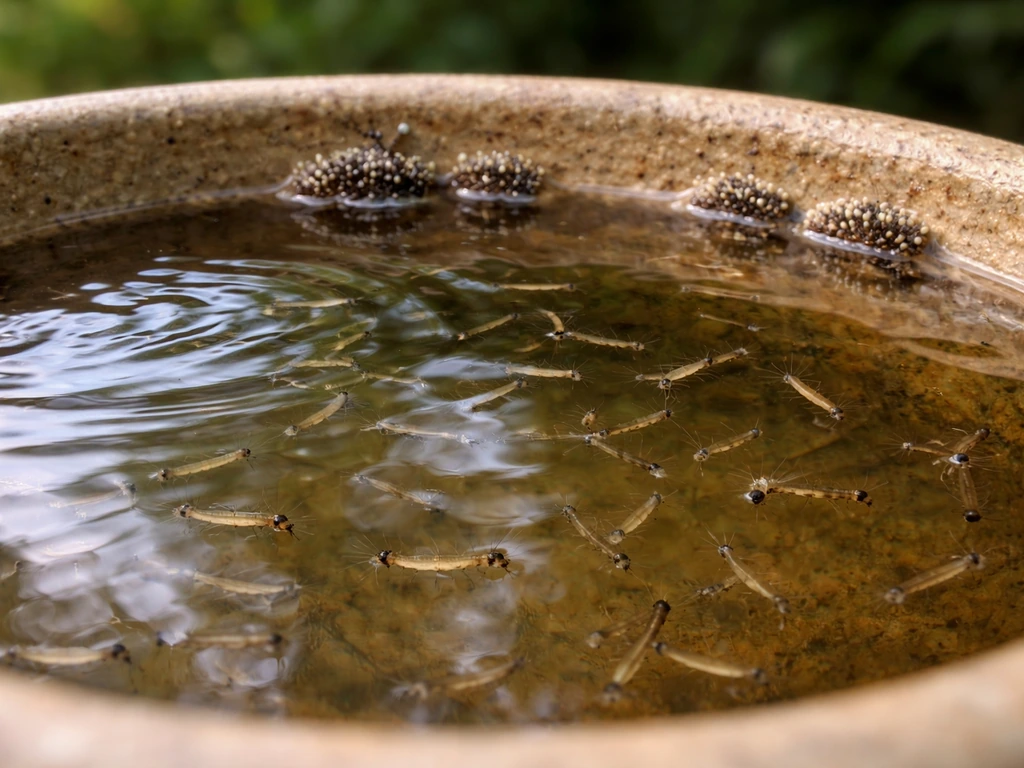
Mosquitoes don't just land on your bird bath for a drink. They use standing water as a breeding ground. Females lay eggs on or near the water surface (or on the inner walls of the basin just above the waterline, depending on the species), and the larvae that hatch live entirely in the water while they develop. In warm summer temperatures, the whole cycle from egg to biting adult can be completed in a week or less. That's fast, which is why a bird bath that looks clean on Monday can have a wriggling layer of larvae by Friday.
The key vulnerability is stillness. Mosquito larvae and pupae need water with little to no flow to survive. A bird bath that sits undisturbed between visits is exactly what they're looking for: shallow, warm, and calm. Add some algae or decomposing leaves as a food source and you've essentially built them a habitat. Understanding this is the foundation of every fix in this guide.
What to put in the water to prevent mosquitoes safely
The two bird-safe options that actually work are Bacillus thuringiensis israelensis (Bti) and methoprene. Both target mosquito larvae specifically and won't hurt birds, pets, or beneficial insects like bees and butterflies when used as directed.
Mosquito Dunks (Bti)
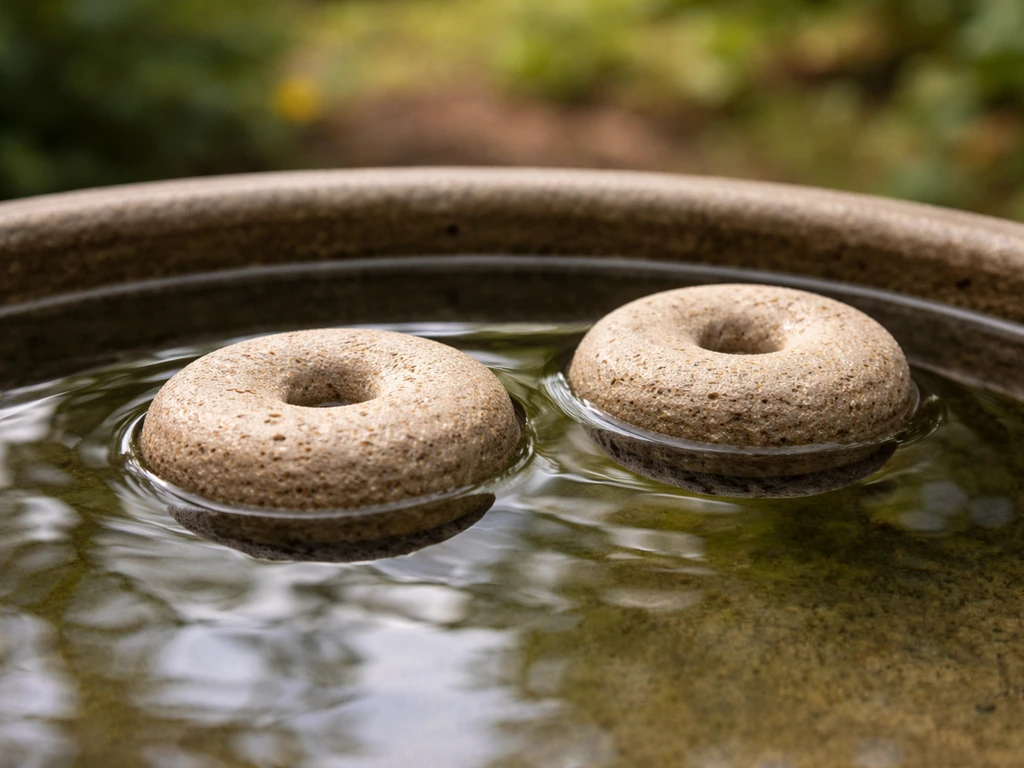
Mosquito Dunks by Summit are the most practical option for a bird bath. They're donut-shaped discs containing Bti, a naturally occurring soil bacterium that kills mosquito larvae but is completely harmless to birds, fish, pets, and humans. The product is explicitly labeled for use in bird baths and any container where animals drink or bathe. One dunk treats up to 100 square feet of surface area and keeps working for about 30 days, continuously suppressing larvae so none can develop into adults. For a standard bird bath basin, a quarter or half of a dunk is usually more than enough. Drop it in, let it float, and it does the work.
Methoprene (insect growth regulator)
Methoprene is an insect growth regulator (IGR) that mimics a juvenile mosquito hormone. It doesn't kill larvae outright but prevents them from ever developing into adults. Products like Altosid come in slow-release granular forms and are effective in standing water up to 15 inches deep. Methoprene is a good backup option or complement if you're dealing with persistent pressure, but for most backyard bird baths, a Mosquito Dunk alone is sufficient and easier to manage.
What not to put in the water
Avoid bleach, dish soap, vinegar, citronella oils, or any essential oil-based repellent products. These can irritate birds' skin and eyes, interfere with their feathers' natural waterproofing, or discourage them from using the bath altogether. Some products marketed as mosquito repellents for standing water contain chemicals not labeled for use around birds. Stick to Bti or methoprene and you'll have something that controls larvae without compromising the bath for the birds you're trying to attract.
How to stop mosquito larvae from developing
Larval prevention is where most of the real control happens. There are three layers to it: movement, treatment, and timing.
- Add a water agitator or solar-powered fountain: moving water breaks the calm surface mosquitoes need to lay eggs and makes it much harder for larvae to breathe at the surface. Even a small solar dripper or wiggler creates enough turbulence to deter most mosquitoes from laying eggs there at all.
- Use a Mosquito Dunk proactively, before you see any larvae: place a partial dunk in the basin at the start of mosquito season (spring) and replace it every 30 days through fall.
- Change the water every week: this is the single most important maintenance step. Larvae take several days to develop, so dumping and refilling every 7 days interrupts the cycle before any adults can emerge. This is the recommendation from both the CDC and UC IPM.
- Scrub the basin walls when you do that weekly change: Aedes mosquitoes lay eggs on the inner walls of containers just above the waterline. A quick scrub with a brush removes those eggs before they hatch. Rinsing alone isn't enough.
- Don't let the basin run dry and then refill it without cleaning: dried mosquito eggs on the walls can survive and hatch the moment water returns.
How to get rid of mosquitoes already in the bird bath
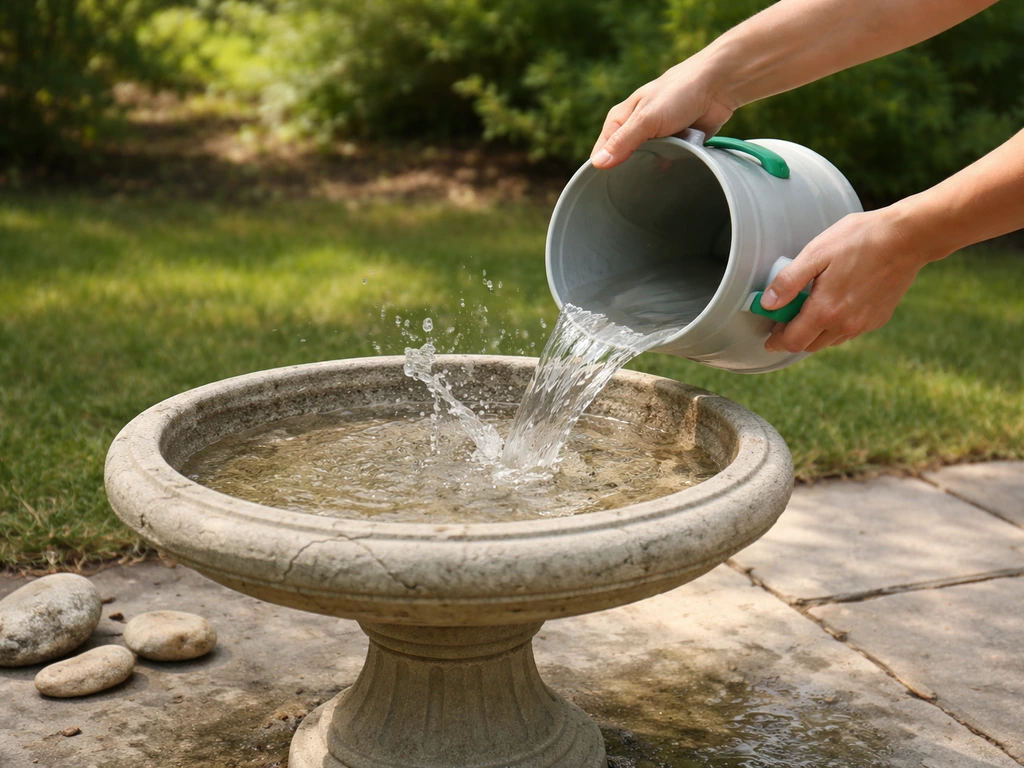
If you're looking at your bird bath right now and you can see tiny wriggling larvae in the water, here's what to do today:
- Dump the water immediately. Don't try to treat larvae in existing fouled water — just empty it out, away from any other containers or low spots where the larvae-filled water can pool.
- Scrub the entire basin with a stiff brush, including the inner walls and the rim. You're removing both larvae and any eggs clinging to the surface. No soap needed, just physical scrubbing.
- Rinse thoroughly and refill with fresh water.
- Drop in a portion of a Mosquito Dunk. A half dunk is plenty for most bird baths. It will start working within hours and protect the water for up to 30 days.
- If you have a fountain pump or solar dripper, get it running again. Moving water stops new eggs from being laid.
- Check back in 3 to 4 days. If you see larvae again, it likely means eggs were already present in the basin walls or there's another nearby standing water source contributing to the population.
Note that Bti (Mosquito Dunks) targets larvae, not adult mosquitoes. It won't kill adults that are already flying around. For adult mosquitoes near the bath, the only real fix is eliminating their breeding sources in the broader yard. But treating the bird bath itself stops it from contributing to that adult population.
Cleaning, water changes, and the maintenance schedule that actually works
Consistency is everything here. A bird bath that gets a deep clean once a month but sits stagnant in between is still a mosquito risk. Here's the routine that keeps things under control across the season:
| Task | Frequency | Why it matters |
|---|---|---|
| Dump and refill water | Every 7 days (or sooner) | Breaks the larvae development cycle before adults can emerge |
| Scrub basin walls and floor | Every 7 days | Removes mosquito eggs laid on inner surfaces above the waterline |
| Replace or add Mosquito Dunk | Every 30 days | Continuous Bti protection if water sits between changes |
| Remove debris (leaves, algae, twigs) | Every visit / as needed | Organic matter feeds larvae and speeds algae growth that shelters them |
| Check fountain pump or dripper | Weekly | Stagnant water returns quickly if circulation stops |
| Full scrub with brush + rinse | Monthly | Removes biofilm, algae, and embedded debris from porous surfaces |
One practical tip: set a recurring calendar reminder for your weekly water change. It's easy to let it slip to 10 or 12 days during a busy week, especially in summer when you're also watering a garden and doing a dozen other yard tasks. Even a few extra days can be enough for larvae to mature if temperatures are high. If you're forgetful about it, pairing the water change with another weekly task (like trash day or lawn watering) helps it stick.
Keep in mind that organic debris like fallen leaves and algae buildup aren't just an aesthetic problem. Decaying matter blocks water flow in baths with drains, creates microhabitats larvae can shelter in, and gives them a food source. Keeping the basin clean isn't just about appearances, it's directly tied to mosquito control.
Placement and setup tips that reduce mosquito trouble

Where and how you set up the bath matters more than most people realize. Mosquitoes prefer calm, shaded, warm water. A bath placed in full or partial shade warms up faster, develops algae faster, and is less exposed to wind that might disturb the water surface. That doesn't mean you need a bird bath in blazing sun (birds prefer some shade, and direct sun evaporates water fast), but you do want to think about airflow and exposure.
- Choose a location with some morning sun and afternoon shade: birds get the light they prefer, and the water doesn't become a warm, stagnant pool by midday.
- Place the bath away from low-lying areas of the yard that collect standing water after rain: if your bath sits in a zone that already has drainage issues, you're concentrating mosquito pressure in one spot.
- Keep it away from dense shrubs at ground level: mosquitoes rest in dense vegetation, so a bath surrounded by thick ground cover gives them immediate shelter right next to the water.
- Elevate pedestal baths on stable, level ground: a tilting basin can create a shallow side that evaporates unevenly, leaving a damp-but-not-full edge that's perfect for egg-laying.
- Add a solar-powered fountain or wiggler: a $15 to $30 solar dripper creates constant surface movement that deters egg-laying. It also attracts more birds, since moving water is a powerful draw for most species.
- If you're using a ground-level or dish-style bath, consider switching to a pedestal or hanging model: ground baths are closer to resting vegetation and tend to accumulate debris faster.
Heated bird baths (popular in cold climates for winter use) sometimes get overlooked in the mosquito conversation, but they're actually lower risk in winter because mosquito activity is minimal. In warmer months, a heated bath without circulation can become warm standing water, which is exactly what you don't want. If you're using a heated bath year-round in a mild climate, make sure you're still doing the weekly change and using a Bti treatment.
When mosquitoes keep coming back: troubleshooting persistent problems
If you've done everything right and you're still seeing larvae in your bird bath regularly, the problem is almost certainly one of these three things: a nearby secondary breeding source, an inconsistent maintenance schedule, or a basin design that traps stagnant water in corners or cracks.
Walk your yard and look for other containers holding water: flower pot saucers, clogged gutters, a tarp that's sagging in the middle, a low spot in a lawn that stays wet for days after rain, a decorative pot without drainage, even a child's toy left outside. Mosquitoes don't need much, a bottle cap worth of standing water is enough to breed in. If your bird bath is treated and clean but you still have heavy adult mosquito pressure, the bath isn't the source. Something else in the yard is.
If you're seeing larvae in the bird bath specifically despite weekly changes, suspect that the scrubbing step is being skipped or rushed. Aedes mosquitoes lay eggs on the inner walls above the waterline, and those eggs can survive a water dump if the walls aren't physically scrubbed. Refilling without scrubbing just rehydrates the eggs. This is one of the most common reasons people find larvae even after changing the water on schedule.
Algae is a related problem worth addressing directly. Heavy algae growth turns your basin into a murky, oxygen-depleted environment that actually shelters larvae from predators and light. If you're dealing with recurring algae, increase your cleaning frequency, move the bath to get slightly more sun exposure (which helps evaporation and makes conditions less stable for algae), and make sure you're scrubbing the full interior surface during weekly changes, not just topping up the water.
If you've tightened up the routine and still struggle, it may be worth switching to a bath with built-in circulation. Recirculating fountain baths or solar-powered models keep water moving continuously, which is the most passive and reliable deterrent available. You still need to do weekly maintenance, but the moving water baseline dramatically reduces how often larvae can get established between cleanings. Adding moving water helps, and it can also make your bird bath easier to keep mosquito-free over time. This pairs well with the broader goal of attracting more birds too, since many species are more drawn to the sound and movement of flowing water than to a still dish. If you’re also aiming for bird-friendly appeal, the next step is learning how to attract hummingbirds to bird bath by adjusting water and placement to suit them. If you’re aiming to attract birds to your bird bath, pairing a bird-safe setup with moving water can make the bath more inviting while still keeping mosquitoes under control attracting more birds.
One more thing: if you notice that mosquitoes are a problem in your yard but you've already locked down the bird bath, check whether the question is really about the broader yard rather than the bath specifically. The bird bath stopping mosquito breeding is a win, but it's one piece of a yard-wide puzzle. Consistent source reduction across every container and low spot is what moves the needle on adult mosquito populations overall.
FAQ
Why do I still see mosquito larvae even though I change the water every week?
If you skip scrubbing and only pour fresh water in, mosquito eggs laid on the inner walls just above the waterline can survive and hatch. Do a full interior scrub at least every time you do a thorough weekly clean, and pour-and-refill alone often is not enough.
Do Mosquito Dunks or Bti kill adult mosquitoes around the bird bath?
Bti-based products (like Mosquito Dunks) are for larvae in standing water, not for killing flying adult mosquitoes. If adults are swarming around the bath, the fix is usually removing other nearby breeding sources in the yard, plus continuing larva treatment in the bird bath to stop the bath from contributing.
Will mosquito-control products work if my bird bath water is deeper than usual?
Start by confirming how deep your water actually is. Many mosquito-control instructions assume a depth that allows the product to stay effective in the basin, not just at the very top layer. If your bath often runs deeper than expected, use the labeled guidance for the product coverage (and consider adjusting the fill depth if birds will still use it).
Is it safe to use multiple Bti treatments at once, or to treat more than the label says?
Yes. The larvae target products are designed for use in containers where birds drink or bathe, but you should still follow the label for surface area and reapplication timing. Overdosing usually does not add extra benefit and can create unnecessary chemical load in the basin.
What should I do in winter, especially if the bird bath doesn’t fully freeze?
If the bath freezes, mosquito activity is reduced, and you typically do not need larvicide during deep winter freezing. However, if your basin remains liquid or partially thawed, treat it during those periods, and keep up with any scheduled maintenance when weather allows.
How do algae and debris affect mosquito risk in a bird bath?
Remove or reduce food and hiding places that support larvae. In practice, that means clearing leaves, twigs, and grass clippings from the basin regularly and scrubbing algae buildup from the entire interior, not just the center where the water sits.
Does placement or floating position of a Mosquito Dunk matter in a bird bath?
With a dunk-type product, the treated area is what matters, not where mosquitoes land. If your basin is not level, some parts may receive less treatment. Aim for correct product coverage for the basin’s usable water surface area, and keep the bath clean so product and water interact as intended.
Will a circulating bird bath eliminate mosquitoes, or do I still need weekly cleaning and Bti?
Yes, but only if circulation prevents still-water conditions long enough. If you use a recirculating or fountain system, larvae survival drops dramatically, yet weekly maintenance still matters because biofilm and debris can collect in corners and affect water quality.
If the bird bath is treated and clean, what else should I look for in my yard?
Mosquitoes can breed in very small amounts of water. If you only treat the bird bath and still have larvae or heavy adult pressure, check for other standing-water sources like clogged gutters, pot saucers, sagging tarps, low yard spots, and any outdoor container that can hold water even briefly.
How often should I check or refresh the bird bath during heat waves?
Even with treatment, a missed water change window in hot weather can let larvae develop quickly. Use a simple schedule anchored to a recurring weekly event, and when the weather is consistently warm, tighten the routine (or re-check sooner) rather than waiting for the next planned clean.
Next Articles
How Do You Attract Birds to a Bird Bath Step by Step
Step by step tactics to attract birds to a bird bath, fix ignored baths, stop algae and mosquitoes, and welcome species
How to Seal a Concrete Bird Bath: Stop Leaks and Cracks
DIY steps to seal and waterproof a concrete bird bath, stop cracks and leaks, prep properly, choose the right sealer, wi
What to Put in a Bird Bath Besides Water
Add safe rocks, textured liners, bath additives, and nearby protections to keep water fresh, prevent algae, bugs, and fr