Birds find a bird bath through sight, sound, and habit. If yours is sitting empty and ignored, the fix is usually one of a handful of things: wrong placement, wrong depth, stagnant water, or no visual cue to tell birds it's there. This guide walks you through every factor that matters, whether you just set up a brand-new bath or you've had one for years that birds keep ignoring.
How Do You Attract Birds to a Bird Bath Step by Step

Marcus Henley
12 Apr 2026
What actually attracts birds to a bird bath
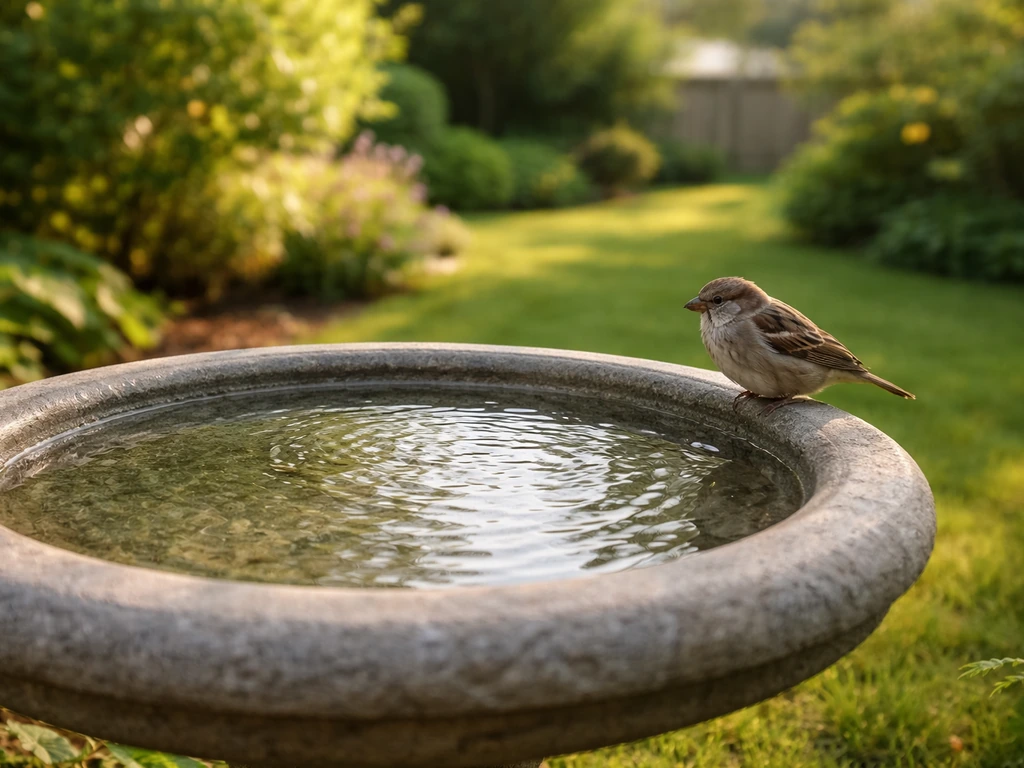
Birds are primarily attracted by three things: the sight of water, the sound of moving water, and safety. A still, full bowl in a bad spot can go unnoticed for weeks. But add a gentle drip, put it where birds can see it from their flight paths, and give them a perch nearby to survey the scene first, and you'll often have visitors within a day or two.
Beyond those basics, birds are sensitive to cleanliness, water depth, and surface texture. A deep, slippery bowl with green water is unappealing and even dangerous for smaller birds. The right setup signals to a bird that this is a safe, usable resource, not a hazard. Think of it from the bird's perspective: they need to be able to stand comfortably, bathe without losing control, and escape quickly if a predator shows up.
- Moving or dripping water (visible ripples, sound carries far)
- Shallow, sloping sides with a rough surface for grip
- Clean, fresh water (not green or cloudy)
- Safe placement with escape routes nearby
- Visibility from above (birds scout from trees and wires)
Placement and safety: where to put the bath
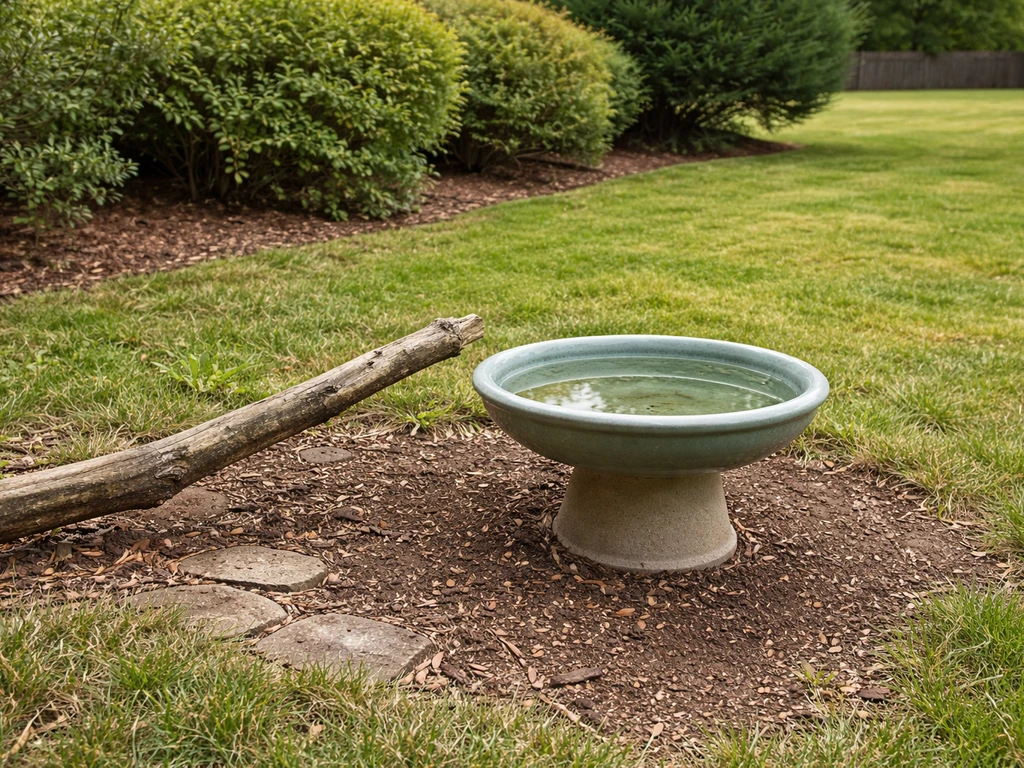
Placement is probably the single biggest reason bird baths go unused. If cats or other predators can crouch in dense shrubs right next to the bath, birds will avoid it entirely, even if the water is perfect. The general rule is to keep the bath at least 6 to 10 feet from dense groundcover or hedging that a cat or hawk could use as an ambush point. One guideline I've seen from wildlife resource groups puts that minimum at 6 feet from cover to maintain clear sightlines, while another recommends at least 10 feet from dense hedging specifically.
That said, birds also don't like feeling totally exposed. They want a tree branch, fence post, or shrub within a short flight so they can land, look around, and then descend to the water. A completely open lawn with no perches nearby is almost as bad as one right next to a bush. Aim for a middle ground: open enough to see predators coming, close enough to cover to escape quickly.
Sun and shade matter too, especially in summer. Full sun heats water fast, encourages algae, and makes the bath less appealing. Morning sun with afternoon shade tends to work well in most climates. In winter, a sunny spot helps keep water from freezing as long as temperatures stay borderline.
Make it usable: depth, surface, and cleanliness
Water depth is something a lot of people get wrong. The RSPB recommends a maximum depth of about 10 cm (roughly 4 inches) with gently sloping sides, and a basin wider than 30 cm so multiple birds can use it at once. For the smallest songbirds, even shallower is better. Water between 2.5 cm and 10 cm deep covers the range from tiny finches to larger birds like robins and starlings.
If your bath is too deep, here's a simple fix from Audubon: add an inch of water and drop a few clean pebbles or flat stones in the center. Birds can stand on them, splash around, and get the bathing experience without being in over their heads. A similar idea comes up in an r/Ornithology thread, where people suggest using rocks or other adjustments to make an overly deep bath easier for birds to use safely blank" rel="noopener noreferrer">add an inch of water and drop a few clean pebbles or flat stones in the center. This also creates visible ripples that catch birds' attention from above. It's one of the easiest things you can do today for zero cost.
Surface texture matters more than most people realize. A smooth glazed ceramic or glass-smooth concrete bottom is slippery and birds avoid it. Rough concrete, textured stone, or a layer of pebbles gives birds something to grip. If you have a smooth bath, adding gravel or flat river stones to the bottom solves this immediately.
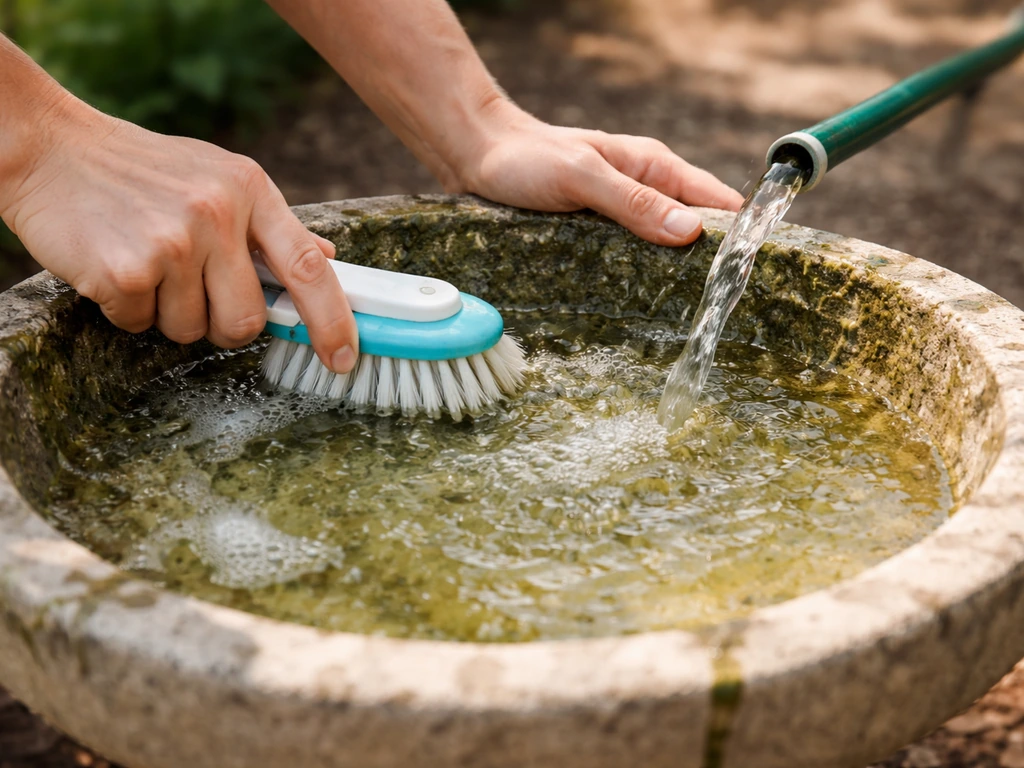
Cleanliness is non-negotiable. Audubon puts it bluntly: neglecting maintenance can do more harm than good. Dirty water spreads disease, and birds learn quickly that a bath is unsafe. NC State Extension recommends scrubbing with a bristle brush and dish detergent once a week, then sanitizing with a solution of 1 part bleach to 10 parts water, letting it sit for 3 minutes, and rinsing thoroughly before refilling. In hot weather, bump that up to twice weekly.
Add appeal: movement, visibility, and seasonal tweaks
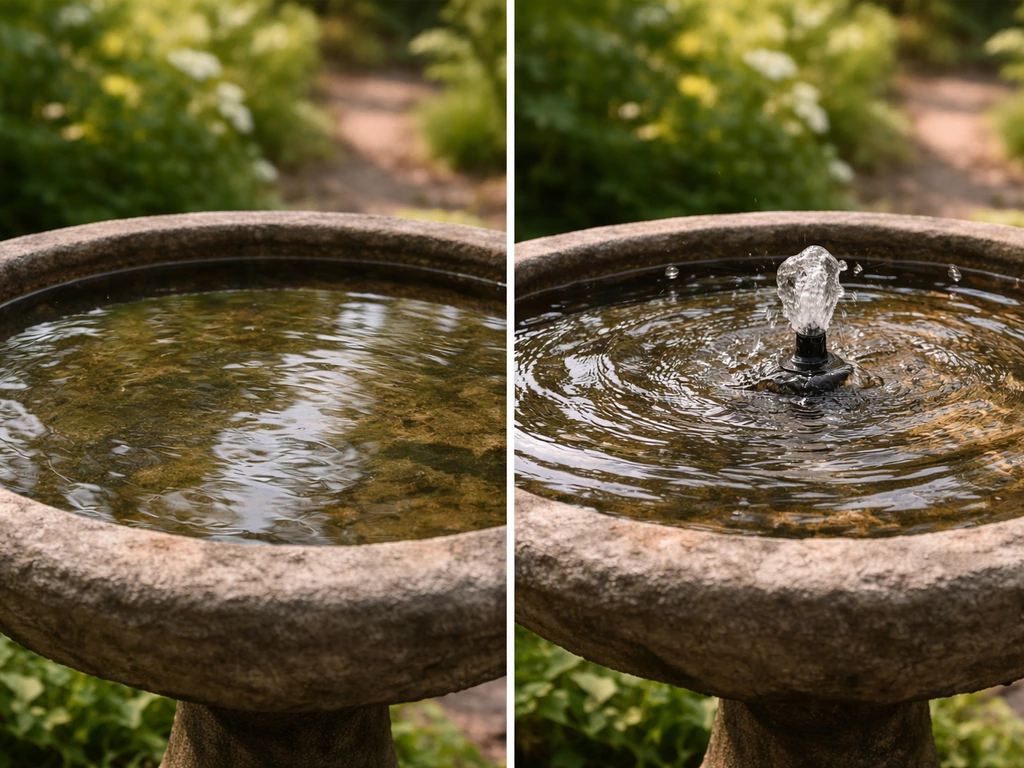
Moving water is your most powerful tool for attracting birds quickly. The sound of dripping or trickling water travels much farther than a visual cue alone, and it triggers a bird's instinct to investigate. You don't need an expensive fountain for this. A simple homemade dripper made from a recycled milk jug with a pinhole in the bottom, hung above the bath, works surprisingly well and costs almost nothing. The NWF's Ranger Rick program popularized this exact approach as an easy way to increase activity.
Solar-powered fountain pumps are another good option if you want something more consistent. They circulate water continuously on sunny days, which also helps prevent mosquito breeding since mosquitoes need still water to lay eggs. If you're in a shaded spot, a battery-operated or plugged-in pump is the better choice.
Visibility from above helps birds spot the bath during their normal flight patterns. If your bath is hidden under a tree canopy or tucked behind a fence, birds flying overhead simply won't see it. Light-colored basins or baths with a shiny water surface catch light and draw attention. Placing the bath in a spot where sunlight hits the water at key times of day (early morning is prime bird activity) creates glinting that birds notice from distance.
Seasonally, your priorities shift. In summer, keep water cool and fresh, add shade if possible, and clean more often. In winter, a heated bird bath or a de-icer keeps water liquid when everything else is frozen, which makes it one of the most valuable resources in the yard. Spring and fall migration seasons are when a well-placed, well-maintained bath gets the most visitors, so use those times to fine-tune your setup.
Attracting specific birds: hummingbirds and larger species
Not all birds use a standard pedestal bath the same way. Hummingbirds, for example, prefer very shallow misters or drippers rather than a deep open basin. They bathe on the wing, flying through a fine spray, so a standard bath is often too deep and too still for them. If attracting hummingbirds is a priority for you, there are specific strategies that work much better than a standard setup, which is worth reading up on separately. attracting hummingbirds to a bird bath involves misting attachments and very shallow water features placed near feeders and flowers.
Larger birds like crows, jays, and doves need more room and can tolerate (and sometimes prefer) deeper water. A wide, ground-level or low bath works better for them than a tall pedestal model. If you want to attract a mixed crowd, a wide basin with graduated depth, shallow on one side and slightly deeper on the other, is a good compromise.
Bird bath setup by type
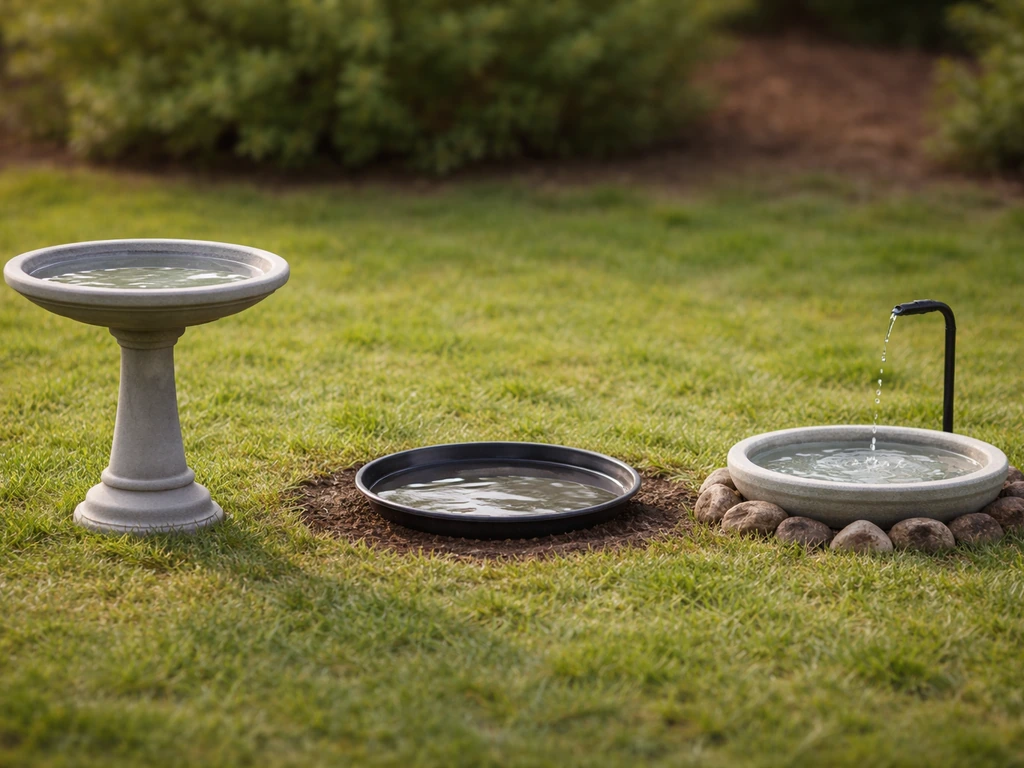
The material and style of your bath affects how you set it up and maintain it. Here's a practical comparison to help you get the most out of whatever you're working with.
| Bath Type | Best For | Key Setup Tip | Main Drawback |
|---|---|---|---|
| Concrete | Most backyard birds, durability | Rough texture is naturally grippy; seal unsealed concrete to prevent cracking | Heavy, hard to move; can harbor algae in pores |
| Ceramic/Glazed | Aesthetics, easy cleaning | Add pebbles or stones to bottom for grip; smooth glaze is slippery | Slippery surface, can crack in freezing temps |
| Metal (copper/stainless) | Modern look, easy to clean | Copper has natural algae-inhibiting properties; still clean regularly | Heats up fast in full sun; can burn birds' feet |
| Heated/Electric | Winter birding, cold climates | Set thermostat to just above freezing (around 35°F); don't let it run dry | Ongoing electricity cost; cord management needed |
| Solar | Low maintenance, no wiring | Best in full sun locations; doubles as a dripper/fountain | Stops working in shade or on cloudy days |
If I had to pick one all-around best option for attracting the widest variety of birds with the least trouble, I'd go with a concrete or stone bath with a rough surface, positioned in morning sun and afternoon shade, with a simple solar dripper added on top. That combination covers depth, texture, movement, and cleanliness more easily than almost any other setup.
Troubleshooting: why birds aren't using it
If you've had a bath set up for more than two weeks and still no visitors, work through this checklist before giving up.
- Check placement: Is it too close to dense shrubs or fencing? Move it at least 6 feet from cover. Is there a perch within 10 to 15 feet? Add a shepherd's hook or nearby branch if not.
- Check depth: Is the water more than 4 inches deep? Reduce it and add pebbles. Birds may be landing, testing the depth, and leaving.
- Check cleanliness: Even a week of sitting water can turn cloudy and unappealing. Dump, scrub, and refill with fresh water today.
- Check surface: Is the bottom smooth? Add a layer of clean river pebbles or rough stones for grip.
- Add movement: A simple dripper or even a slow drip from a hose for an hour can signal birds that fresh water is available.
- Check for cats or other predators: If a neighborhood cat is patrolling the area, birds will not use a ground-level bath. Raise it on a pedestal at least 2 to 3 feet off the ground.
- Be patient with a new bath: In a yard without existing bird traffic, it can take 2 to 4 weeks for birds to discover and trust a new water source. Keep it clean and fresh during that time.
One thing I've noticed: birds are creatures of habit and local word-of-mouth. Once one bird uses the bath regularly, others follow. That first visitor is the hardest to attract. Everything after that tends to snowball.
Maintenance that keeps birds coming back
Algae
Green algae builds up fast in warm weather, especially in full sun. It makes the water look and smell bad, and it's a sign bacteria are also building up. The fix is regular scrubbing with a stiff brush, not just dumping and refilling. A dilute bleach solution (1 part bleach to 9 or 10 parts water) applied after scrubbing, left for 3 minutes, then rinsed thoroughly handles both algae and bacterial contamination. In hot weather, plan to do this twice a week. Copper basins or adding a copper penny (pre-1982, when pennies were solid copper) can slow algae growth between cleanings, but it's not a substitute for scrubbing.
Mosquitoes
Standing water in a bird bath is exactly where mosquitoes want to lay eggs, and a bath that becomes a mosquito nursery is both a health risk and a deterrent to birds. The best prevention is simply changing the water at least twice a week, as recommended by public health guidance for reducing mosquito breeding.
The National Wildlife Federation Community Wildlife Habitat guidance recommends changing birdbath water every 2 to 3 days in warm weather to help prevent mosquito larvae from hatching [changing the water at least twice a week](https://communitywildlifehabitat. nwf. org/CommunityLinks/Download? communityId=280&fileName=80f0a7e1-e2ba-408b-8fdd-001d22057a63.
pdf). Flushing the basin completely (not just topping it off) removes any eggs before they hatch. If you want to understand the full picture of whether bird baths actually attract mosquitoes, the short answer is yes, they can, but only if the water sits still and undisturbed.
For baths where you can't change the water as often as you'd like, Bacillus thuringiensis israelensis (Bti) products like Mosquito Dunks are a practical option. These biological larvicides are non-toxic to birds and other wildlife when used as directed, and they kill mosquito larvae before they become adults. They're especially useful in larger, deep baths or ponds where complete water changes aren't practical. There are also detailed guides on how to keep mosquitoes out of a bird bath that go deeper into prevention strategies beyond just water changes.
If you'd rather avoid any products at all, the most reliable method is combining frequent water changes with a dripper or fountain pump that keeps water moving constantly, since mosquitoes can't successfully lay eggs in moving water. This approach, covered in detail in a guide on how to have a bird bath without mosquitoes, works well and simultaneously makes your bath more attractive to birds.
Freezing in winter
A frozen bath is useless, and winter is actually when birds most need liquid water since natural sources are locked up in ice. A submersible de-icer or a purpose-built heated bird bath set to just above freezing (around 35°F) keeps water accessible without using much electricity. Avoid adding antifreeze or salt, which are toxic to birds. If you lose power or the heater fails, simply pour warm (not hot) water in the morning to give birds their daily drink before it freezes again. Ceramic and glazed baths are more vulnerable to freeze-crack damage, so consider switching to a more durable concrete or metal option for winter, or bring fragile baths inside.
Consistency is the real key to all of this. Birds build routines. A bath that's clean, full, and reliable at the same time every day becomes a trusted stop on their daily circuit. One that's sometimes empty, sometimes green, and sometimes frozen gets dropped from the route. Put in the regular 10 minutes of upkeep and the birds will reward you for it.
FAQ
My bath is clean and shallow, but birds still ignore it. How can I tell if the problem is visibility or placement?
Put it somewhere birds can actually see it from above and approach from cover. A good test is to stand where you usually watch birds and look for an unobstructed sightline from typical perches, then make sure the bath is visible against the background (light-colored basin, reflective water surface in morning sun works well). If it is hidden under dense branches or behind a fence, move it before you change anything else.
Will adding a fountain or dripper always attract more birds, or can the setup be counterproductive?
Yes, and it can stop you from “reading” results correctly. If you add a fountain or dripper but the water is splashing out of view or creating large, fast drops that birds cannot land near, they may avoid the area. Position the flow so birds can perch close by, and start with gentler trickling or a dripper before switching to a strong pump stream.
If I add pebbles to fix depth or improve grip, how do I avoid making it worse?
It depends on the type of bird and the purpose. For most perching bath users, a small amount of gravel or flat stones can be beneficial and safe, but if you add too much or make the surface uneven, larger birds may avoid it. Aim for stable footing in shallow water, not a deep gravel mound, and keep the water depth within about 2.5 to 10 cm.
How often should I drain and refill a bird bath in hot weather if birds are using it?
In summer, yes, algae and bacteria can return quickly, even if the bath looks mostly clear. If you are only topping off, that slows down the cleaning cycle and encourages buildup, especially in full sun. For faster feedback, fully flush and refill more often than you think, scrub the basin on schedule, and consider afternoon shade to slow regrowth.
Birds visit sometimes, then stop, and other birds seem to crowd the bath. What should I change first?
Switch the feeding routine, not the bath water, when you are seeing aggression. Birds may avoid the bath if they cannot access it safely between visits to feeders. Try placing a perch near the bath that gives subordinate birds a landing spot, and space bird feeders so the busiest feeder does not funnel all traffic directly over the bath area.
The bath is in a good place, but it is noisy or windy. Can that stop birds, and how do I compensate?
Morning wind and frequent disturbance can discourage bathing, because birds feel exposed while they are at their most vulnerable. If you cannot change the location, add nearby low cover and a stable perch so birds can survey first, and keep the water movement subtle rather than turbulent. Consistency in timing also helps, birds return to routines once they trust the spot.
Can I use other cleaners or homemade solutions on a bird bath if I sanitize it afterward?
Avoid harsh chemicals beyond the specific sanitizing approach described in your maintenance routine. If you use any cleaner, rinse extremely thoroughly, because residues can irritate birds’ feet and discourage use. If you sanitize with bleach, follow the soak time and rinse guidance closely, then refill with fresh water.
I have had my bath for two weeks with no birds. What changes usually produce the quickest results?
A “no visitors after two weeks” situation usually means one of a few things is still off: the water is too deep for the birds in your area, the surface is too slippery, the bath is too exposed or too close to ambush cover, or the water is too still to draw in scouts. The fastest pivot is to address two variables at once, shallow it or add stones, and add gentle moving water.
Do I need to worry about squirrels or cats if the bath looks safe and the water is clean?
Yes, because a bath can be a risk if birds cannot escape. If you notice predators (cats, hawks, or even squirrels) frequently using nearby cover, birds will either avoid or use only very short dips. Move the bath farther from dense groundcover, add perches for quick departure, and consider shifting location even if the bath is otherwise perfect.
I do not see many mosquitoes, but I worry anyway. How do I know if my bath is becoming a mosquito problem?
You can estimate risk by whether the water is frequently undisturbed. If it sits still, especially in warm weather, it can become a mosquito breeding site even if you do not see mosquitoes right away. The practical fix is more frequent water changes and, if you cannot manage that, a moving-water approach or a larvicide used as directed.
What is the best way to keep the bath usable during winter without harming birds?
If temperatures stay below freezing for long stretches, a standard bath can become unusable, so birds will look elsewhere. Use a purpose-built heated bath or a de-icer set safely, and if power fails, pour warm water in the morning (not hot) to restore liquid access. Also protect fragile ceramic/glazed baths from freeze-crack damage by switching to more durable materials or bringing them inside.
I see hummingbirds in my yard sometimes. Should I adjust the main bird bath or set up something else?
For hummingbirds, a standard pedestal bath is often the wrong scale and behavior. They typically use very shallow misters or drippers and bathe in flight, often near feeders and flowers. If you want them, set up a separate shallow misting option rather than only adjusting depth in the main bath.
Can I attract both small songbirds and bigger birds with one bath?
Yes, but only as part of a balanced design. Deeper basins or low wide baths can suit larger birds, but you still need safe footing, stable access, and a nearby perch for first landing. If you have a mixed population, try a wide basin with one side shallower, so smaller birds can use it while larger birds have options too.
Next Articles
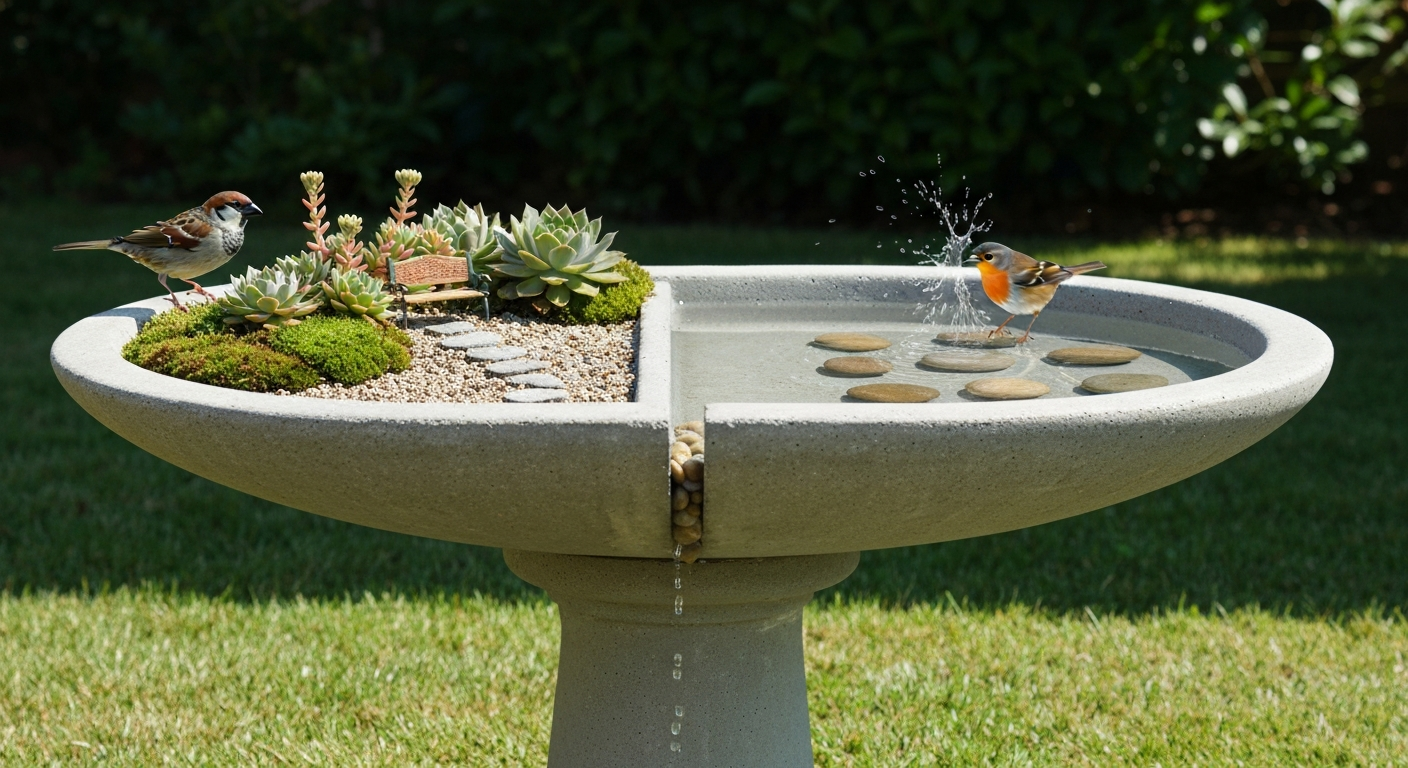
How to Make a Fairy Garden in a Bird Bath: Safe Build & Care
Create a bird-safe fairy garden in a bird bath: step-by-step build, plant choices, safety, care, troubleshooting

How to Decorate a Bird Bath for Christmas Safely
Step-by-step tips to decorate a Christmas bird bath with safe non-toxic accents, prevent freezing, and keep water clean.
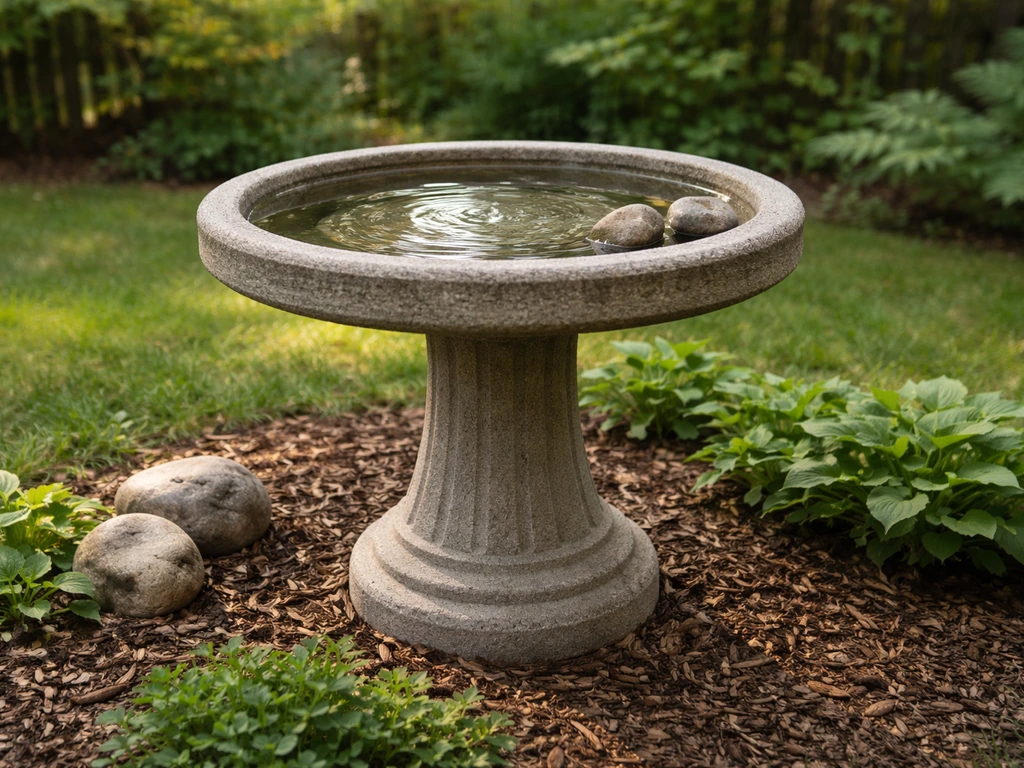
How to Decorate a Bird Bath: Step-by-Step Ideas
Step-by-step tips to decorate a bird bath safely, including concrete fixes, bird-friendly landscaping, and easy upkeep i