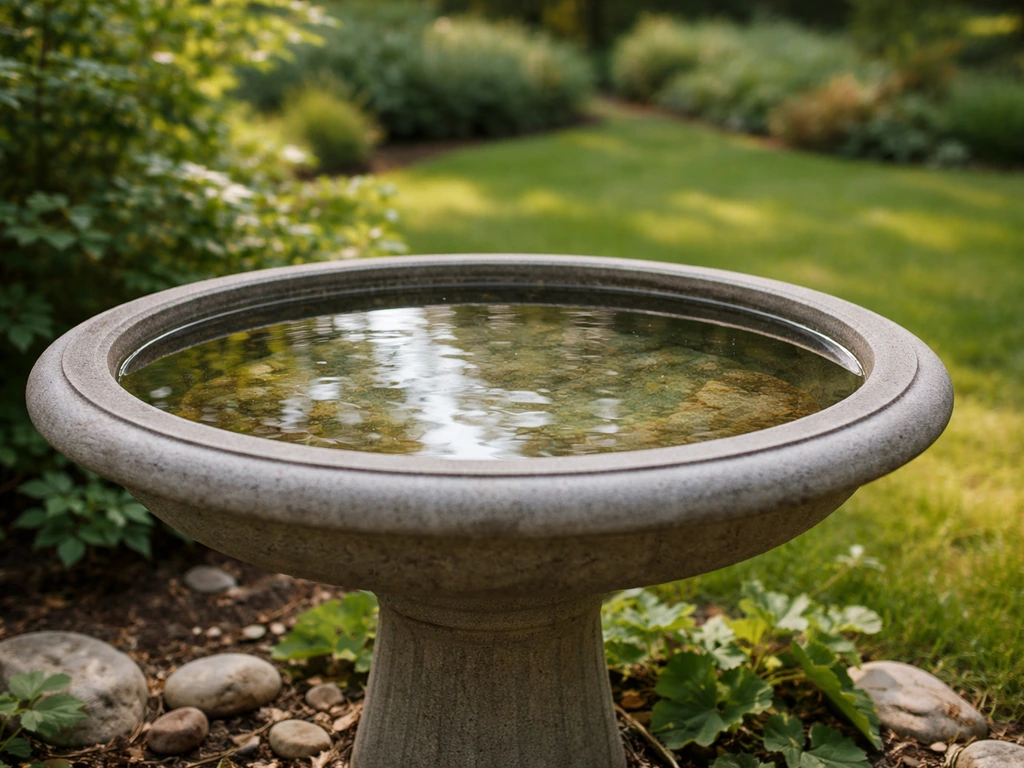
You can absolutely have a bird bath without mosquitoes. The key is keeping water moving or refreshing it every two to three days, because mosquitoes need still, stagnant water to complete their life cycle from egg to adult. Add a dripper, mister, or small recirculating pump, and you've eliminated the conditions they need. Everything else in this guide builds on that core idea.
How to Have a Bird Bath Without Mosquitoes Today

Marcus Henley
28 May 2026
Why mosquitoes breed in bird baths (and what to look for)
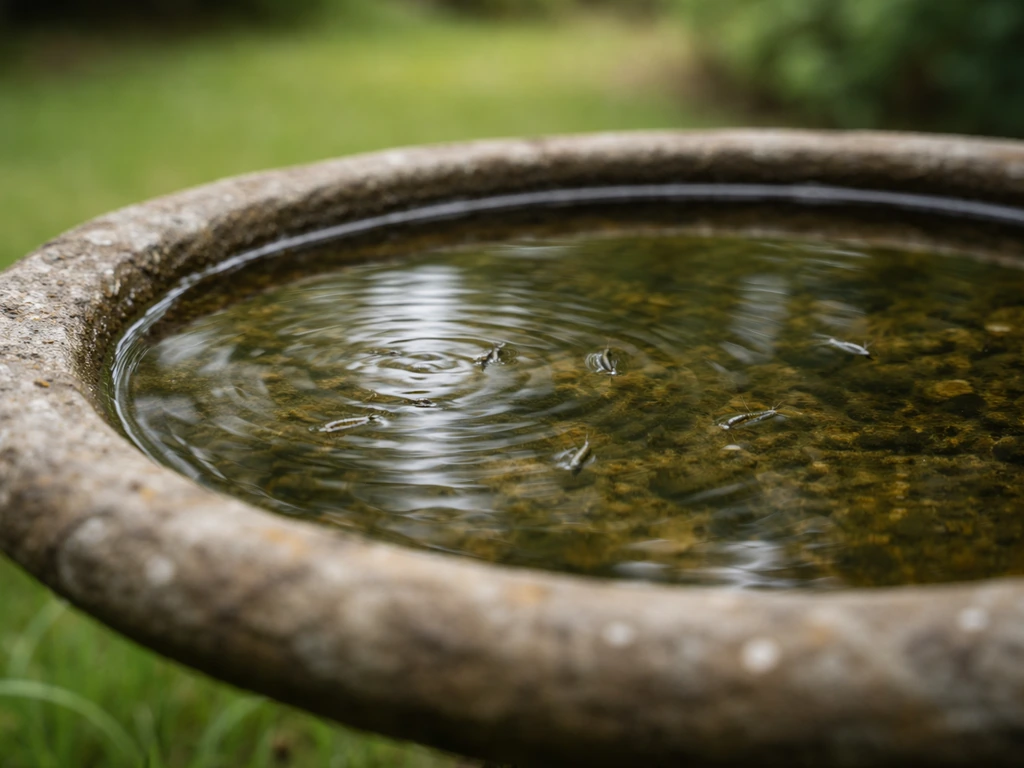
Mosquitoes are container breeders. They specifically target shallow, standing water in small containers, which is exactly what a bird bath is from a mosquito's perspective. Female mosquitoes lay their eggs either as floating rafts (Culex species) or singly along the waterline (Aedes species). Those eggs hatch into larvae, which are the wriggling, comma-shaped things you might spot near the surface if you look closely.
The life cycle moves fast: egg to adult takes about 7 to 10 days under normal warm conditions, and in a hot summer when temperatures are consistently above 80°F, that window can shrink to as few as 3 to 5 days. So even a bird bath that looks clean on Monday can be producing adult mosquitoes by the following weekend if you don't intervene. The larvae (called wrigglers) and pupae (called tumblers) both live in the water, so disrupting the water is the single most effective thing you can do.
What to look for: lean over your bird bath and watch for tiny wriggling movements near the surface or at the bottom. Larvae hang near the surface to breathe, while tumblers are more active and tumble around in a J-shape. If you see egg rafts, they look like tiny grey or dark-colored clusters floating flat on the water. Catching this early matters because of how quickly development happens.
Choose the right bird bath setup for mosquito prevention
Not all bird baths are equally risky for mosquito breeding. The material, shape, depth, and basin design all play a role, and some setups make it much easier to keep water moving or to clean and refresh frequently.
Material comparison

| Material | Mosquito Risk | Ease of Cleaning | Best Feature for Prevention |
|---|---|---|---|
| Concrete | Medium-High | Moderate (porous surface holds algae) | Durable with pump additions; heavy and stable |
| Ceramic / Glazed | Low-Medium | Easy (smooth surface resists algae) | Smooth basin lets you spot eggs and larvae easily |
| Metal (copper, stainless) | Low | Easy | Copper has mild antimicrobial properties that may slow algae |
| Plastic / Resin | Medium | Easy | Lightweight, easy to tip and empty; holds misters well |
| Heated (electric) | Medium (winter use) | Moderate | Keeps water liquid in winter but needs extra circulation in warm months |
| Solar-powered with pump | Low | Easy | Built-in circulation eliminates standing water risk |
Glazed ceramic and smooth metal baths are genuinely easier to keep mosquito-free because their surfaces don't trap organic debris or algae the way unglazed concrete does. That said, material matters less than whether you keep water moving. A basic plastic bath with a small dripper will outperform an expensive concrete one with stagnant water every single time.
Depth and basin design
Ideal bird bath depth is 1 to 2 inches for most songbirds, with a maximum of around 3 inches in the center. This is actually helpful for mosquito prevention: shallower water heats up and evaporates faster, so if you're diligent about refilling, there's less opportunity for larvae to complete their development. Avoid basins with deep corners or narrow edges where water can pool and stay undisturbed. Wide, open basins with a gradual slope from edge to center are best for both birds and for your ability to spot and clean out anything suspicious.
Placement and sunlight strategy to reduce standing water risk
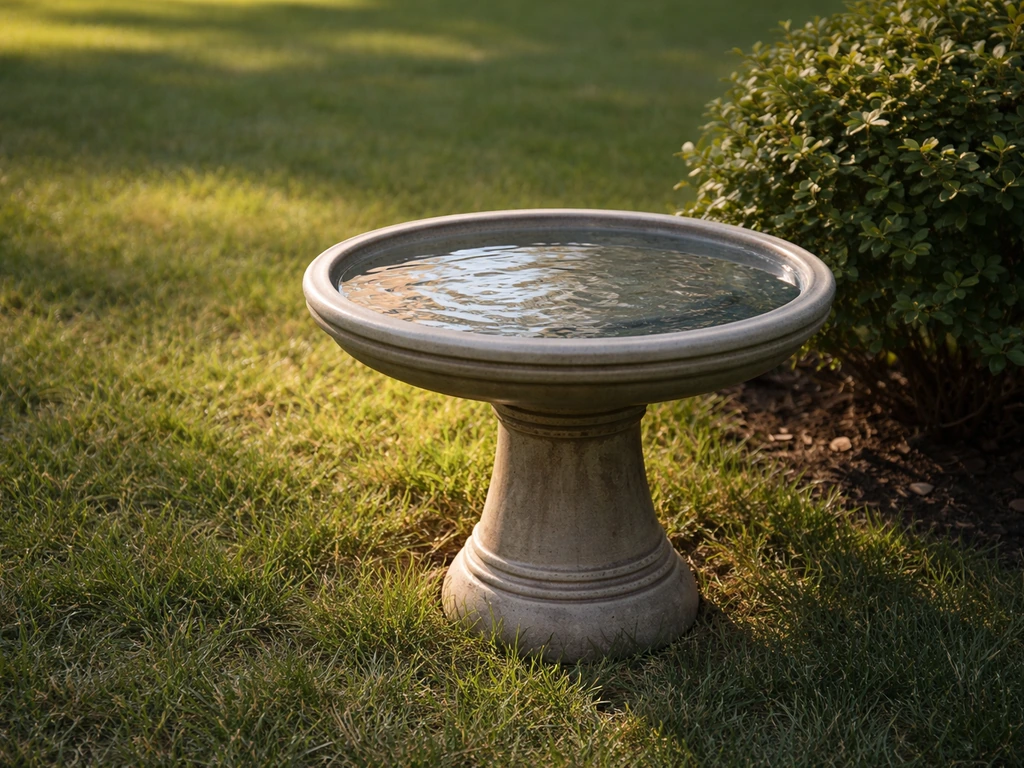
Where you put your bird bath has a direct effect on how quickly water goes stagnant and how attractive the site is to mosquitoes. Full sun placement means faster evaporation, higher water temperatures (which can accelerate mosquito development in summer but also deter some species), and more visible algae growth. Full shade keeps water cooler and cleaner-looking but can actually create the calm, sheltered conditions mosquitoes prefer.
The sweet spot is partial shade: morning sun and afternoon shade. This keeps the water from overheating (which stresses birds and grows algae fast) while avoiding the permanently cool, still conditions that suit container-breeding mosquitoes. Position the bath where it gets 4 to 6 hours of direct sun, ideally in the morning.
Avoid placing your bird bath near tall grass, dense shrubs, or standing water sources like decorative ponds without circulation. These areas are already mosquito habitat, and proximity increases the chance that females will find your bath and lay eggs there. A placement 5 to 10 feet from dense plantings, ideally in an open area birds can see and approach safely, is ideal from both a bird-attracting and mosquito-deterring perspective.
Immediate fixes: moving water, drippers, misters, pumps, and water changes
If you want one change that solves the problem today, it's adding water movement. Mosquito larvae cannot survive in moving water. They can't breathe, can't anchor themselves, and simply can't complete their development. Here are the practical options from lowest effort to most involved.
Drippers
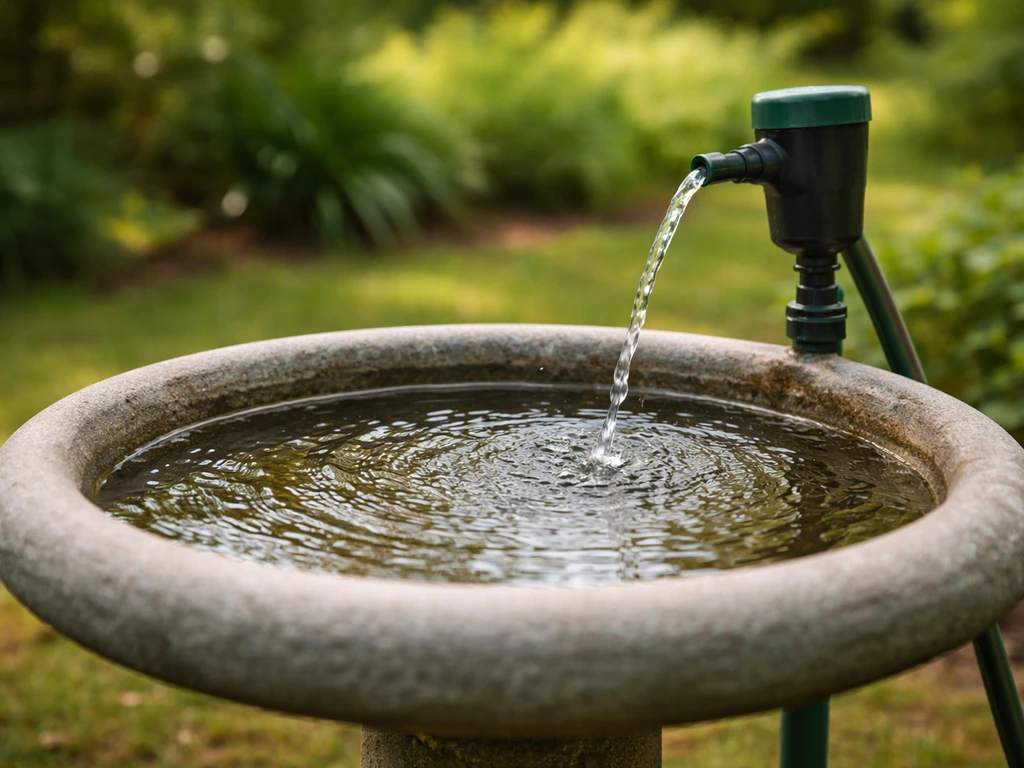
A dripper is just a container or reservoir that lets water drip steadily into the bath. You can buy dedicated bird bath drippers that connect to a garden hose for around $15 to $30. The constant drip creates ripples that disrupt the water surface, making it impossible for egg rafts to float or larvae to breathe properly. As a bonus, the sound of dripping water is one of the most reliable ways to attract birds, including species that are otherwise hard to draw in. To learn the best ways to attract birds to a bird bath, focus on providing clean water, gentle movement, and safe placement where birds feel comfortable.
Misters
Misters attach to a hose or water line and create a fine spray above or into the bath. They're especially effective for attracting warblers and hummingbirds, who love to fly through the mist. From a mosquito-prevention standpoint, misters create consistent surface agitation. The downside is water use: misters run continuously while connected, which adds up. Use a timer to run them for 30 to 60 minutes in the morning when bird activity peaks.
Recirculating pumps
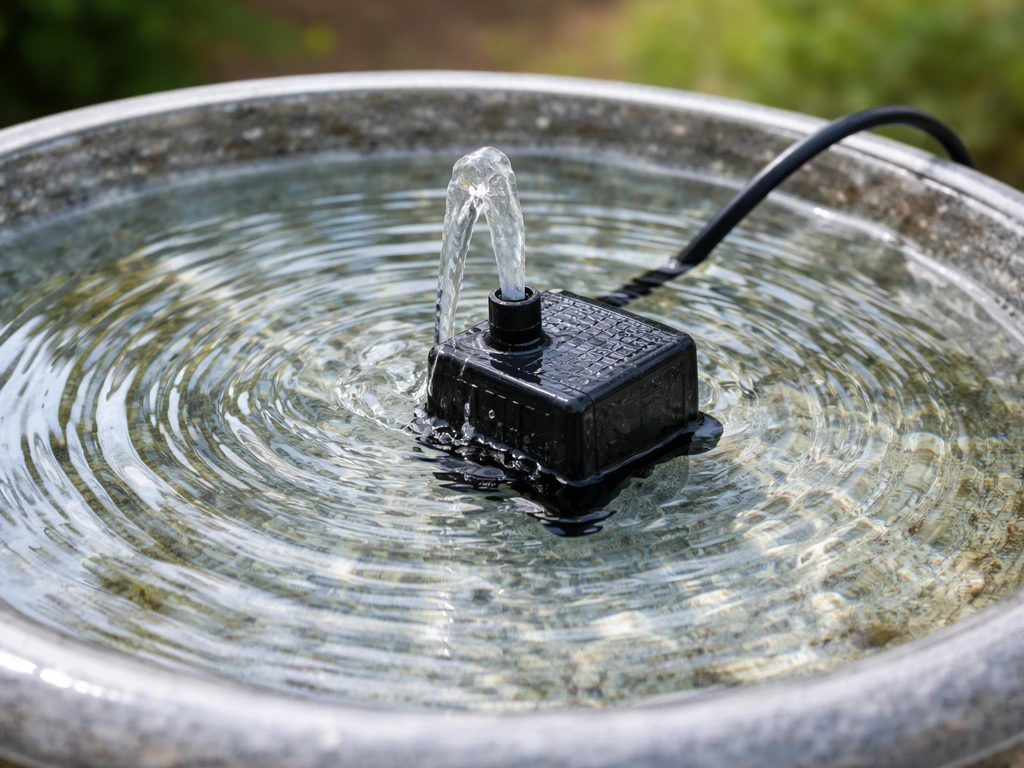
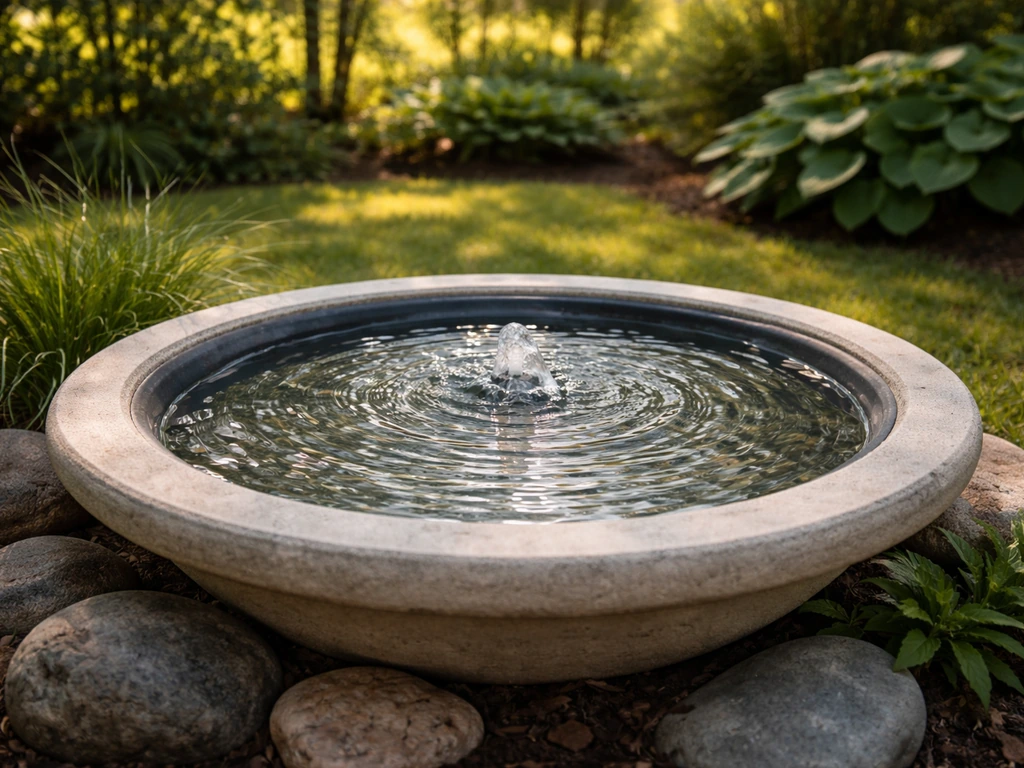
A small submersible pump is the most reliable long-term solution. You place it in the basin, plug it in, and it continuously circulates water back over itself, creating a gentle fountain or waterfall effect. Quality submersible pumps sized for bird baths run $20 to $60 and use very little electricity. Solar-powered versions exist and work well in sunny spots, though they stop circulating on cloudy days, which is worth keeping in mind. A pump running 24/7 virtually guarantees no successful mosquito breeding in that basin.
Water changes as a fallback
If you can't add any powered movement right now, commit to emptying and refilling the bath every two days in summer. Since egg-to-adult takes a minimum of 3 to 5 days in hot weather, a 48-hour refresh cycle breaks the cycle before larvae can mature. Tip the basin completely to dump any debris along with the old water rather than just topping it off. This isn't as convenient as a pump, but it works.
Cleaning and maintenance routines that prevent algae without harming birds
A clean bird bath is naturally less hospitable to mosquitoes because algae and organic debris create sheltered microenvironments where larvae can hide and feed. If you want the fastest results, combine a clean setup with water movement and regular checks using these mosquito prevention tips how to keep mosquitoes out of bird bath. But the cleaning products you use matter, because birds are drinking and bathing in this water.
Weekly scrub routine
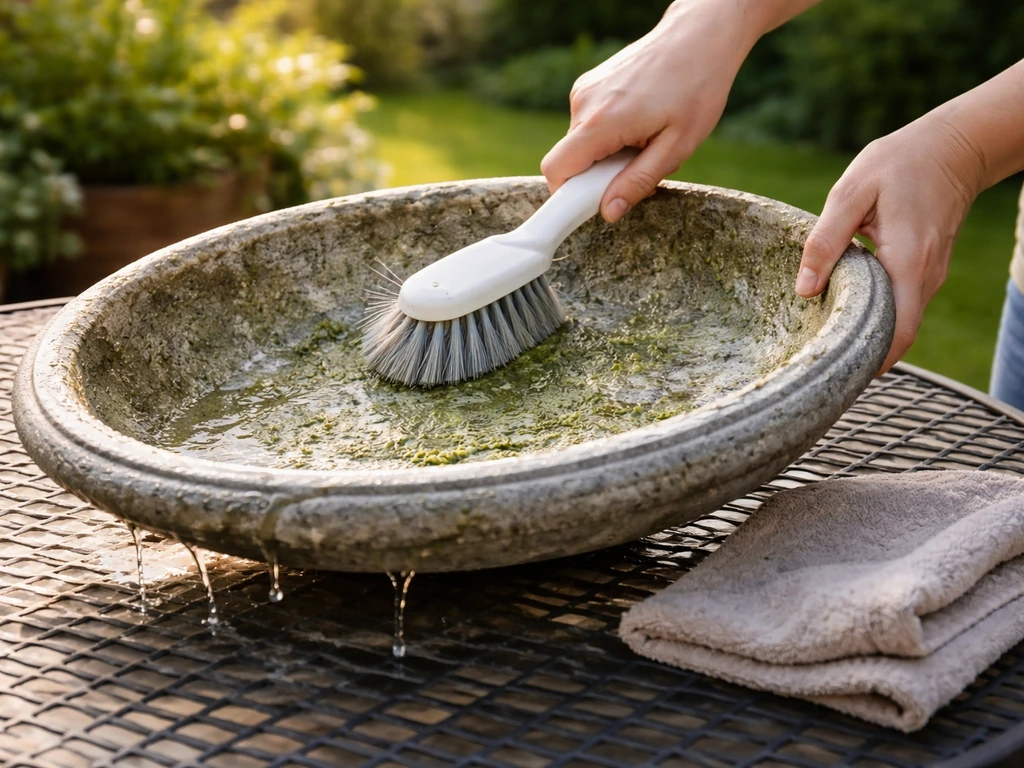
- Empty the basin completely, tipping it to remove all water and any settled debris.
- Scrub the basin with a stiff brush (not metal, which can scratch and create rough spots that harbor algae) using a dilute solution of white vinegar and water (9 parts water to 1 part vinegar).
- Rinse thoroughly two or three times with fresh water until you can't smell vinegar.
- Refill with fresh water and, if using a pump, check the pump intake for debris.
Never use bleach at full strength in a bird bath, and be extremely cautious even with diluted bleach. While a 1:9 bleach-to-water solution is sometimes recommended for a deep disinfecting scrub, you must rinse extremely thoroughly before birds return. Vinegar is safer and handles most algae buildup effectively. Avoid dish soap: even small residues can strip the oils from bird feathers, which disrupts their ability to regulate temperature and repel water.
Preventing algae growth
Algae thrive in warm, sunlit, still water, so your placement and movement strategies already help here. One additional option is a copper-based algae inhibitor tablet or a piece of copper mesh placed in the basin. Copper has mild antimicrobial properties and is safe for birds in small quantities. Avoid any algaecide product not specifically labeled as safe for wildlife and birds. A few dedicated bird bath enzyme treatments exist on the market that break down organic matter naturally, and these are genuinely safe and effective used as directed.
Dealing with existing mosquito larvae and preventing re-infestation
If you already see wrigglers in your bird bath, don't panic. Here's the straightforward response: empty the bath immediately, scrub it, and refill with fresh water. That handles the current infestation. Then add water movement so it doesn't happen again. But there are also a few targeted options worth knowing about.
Bacillus thuringiensis israelensis (Bti)
Bti is a naturally occurring soil bacterium that kills mosquito larvae specifically and is completely harmless to birds, fish, people, and other wildlife. It comes in small dunks or granular forms under brand names like Mosquito Dunks or Mosquito Bits. A quarter of a dunk or a small sprinkle of granules in your bird bath will kill any existing larvae within hours and continue working for about 30 days.
This is the one product I genuinely recommend having on hand because it gives you a safe, targeted solution that doesn't require you to do anything else. Even with a pump running, having Bti available as a backup when the pump needs servicing or after heavy rain events is a smart move.
What not to use
- Mosquito repellent sprays or DEET: toxic to birds and other wildlife, and not effective against larvae anyway.
- Dish soap or cooking oil: sometimes suggested online as larva killers, but both can harm birds and leave residues.
- Chemical pesticides not labeled for wildlife water features: risk of killing birds, harming insects that birds eat, and contaminating the local water supply.
- Goldfish as a biological control: while goldfish do eat larvae, they also eat algae, bird droppings, and anything else in the water, and they require care. A bird bath is too shallow and too frequently emptied to be a healthy habitat for fish.
Preventing re-infestation
After clearing an infestation, your priority is making the bath structurally inhospitable. That means consistent water movement (pump, dripper, or mister), a cleaning schedule, and checking the basin every few days during peak summer months. If you're in a region with heavy mosquito pressure, consider adding Bti preventively every four weeks through summer regardless of whether you see larvae. It's inexpensive, safe, and genuinely effective.
Seasonal adjustments: summer heat, rainy weather, and freezing protection
Mosquito pressure and bird bath maintenance needs change significantly through the year, and your approach should shift accordingly.
Summer
Summer is the highest-risk period. Warm temperatures mean mosquitoes can develop from egg to adult in as few as 3 days. Run your pump or dripper continuously, increase cleaning frequency to every 5 to 7 days, and check the water level daily because evaporation can be significant during heat waves. If temperatures exceed 90°F consistently, move the bath to a shadier spot temporarily to keep water cooler and reduce algae. Refill with cool water in the morning to give birds a genuinely refreshing drink.
Rainy weather
Heavy rain can overflow your bath, which actually flushes out any developing larvae, but it can also create mosquito breeding habitat in nearby containers, gutters, or low spots in your yard. After rain events, check the area around your bird bath for new standing water. Empty any containers (pots, saucers, buckets) that have collected water within 48 hours, because even a small amount can produce a significant number of adult mosquitoes. Also check that your bath's drainage is working: some pedestal baths can accumulate water in hidden spots around the base.
Fall transition
As temperatures drop below 60°F, mosquito activity slows significantly. You can reduce cleaning frequency to every 7 to 10 days and may no longer need Bti. Keep the pump running because moving water is also one of the best ways to keep water from freezing at the edges as nights get colder. Birds still need water in fall for drinking and bathing before migration.
Winter and freezing
Mosquitoes aren't a concern in freezing temperatures, but keeping water available to birds through winter is worthwhile. A heated bird bath with a built-in de-icer or a submersible water heater (thermostatically controlled, so it only activates near freezing) keeps water liquid without wasting energy. When temperatures regularly drop below 32°F, remove any decorative elements or pumps not rated for freezing conditions and store them until spring. Once temperatures warm back above 50°F consistently in spring, it's time to do a thorough clean and restart your mosquito-prevention routine before the season's first mosquitoes emerge.
The bottom line is that a well-set-up bird bath with moving water, a regular cleaning routine, and occasional Bti treatments will stay essentially mosquito-free through every season without any significant effort once the system is in place. The birds will have a reliable, clean water source, and you won't be contributing to the mosquito population in your backyard.
FAQ
What should I do if I already see larvae or egg rafts in my bird bath?
If you see larvae or egg rafts, don’t just top off the bath. Empty it fully, scrub the basin and walls, remove any debris, then refill with fresh water. After that, keep water moving immediately (dripper, mister, or pump), otherwise you can have new adults within days even if you cleaned once.
Will a fountain or pump always prevent mosquitoes, or can it still happen?
A pump helps, but it can fail if it is too small, poorly positioned, or covered by debris. Make sure the return flow actually agitates the surface across the entire basin, clean the intake screen regularly, and confirm the bath keeps circulating during hot, low-water evaporation periods (water level can drop enough to expose the pump).
How do I handle “dead spots” in my bird bath where water isn’t really moving?
Yes, a bird bath can still be mosquito-prone even with movement if there are dead zones. Avoid narrow corners, deep bowls, and areas where water isn’t reaching the surface agitation. A simple fix is to adjust the pump return so it creates consistent ripple coverage, and physically remove trapped sediment where water can collect.
How long should I run a dripper or mister to actually stop mosquito breeding?
If you use a dripper or mister, use a timer for consistency, and don’t assume “morning only” is enough during heat waves. In summer, aim for continuous movement or at least a long daily run, then refresh on schedule (every 2 to 3 days) if you are not operating movement all day. Evaporation and algae growth can make the bath ready for breeding between visits.
Does Bti prevent adult mosquitoes from appearing, or only larvae?
Bti is best for the larval stage, not for adults. It won’t stop mosquitoes from entering the yard to bite, but it prevents larvae in the bath from developing into the next generation. Treating on a schedule is most useful when you have ongoing standing-water risk (hot weather, frequent rain overflow, or you cannot reliably check every few days).
Can I use other mosquito or algae chemicals besides Bti, copper, vinegar, and safe enzyme treatments?
Don’t pour chemicals directly into the bath unless they are specifically labeled for bird-safe mosquito control. Copper is the main alternative mentioned for algae, but it should be used in small quantities and avoided with any product not explicitly approved for wildlife. When in doubt, switch to mechanical prevention (movement plus cleaning) rather than experimenting.
What’s the safest way to disinfect a bird bath if I’m worried about germs or algae?
Standard bleach can harm birds if residue remains, and even diluted use requires very thorough rinsing before birds return. If you need disinfecting, scrub first, then use safer options like vinegar for algae, followed by extensive rinsing. If you must disinfect, do it when birds won’t be using the bath for several hours and you can rinse repeatedly.
After it rains, why are mosquitoes still showing up near my bird bath?
Even with mosquito prevention, some species prefer to lay eggs in sheltered, nearby areas. After heavy rain, check gutters, plant saucers, buckets, and any low spots within a short distance of the bath. Empty any new standing water promptly, because larvae can develop in multiple small containers even if the bird bath is treated.
If I’m doing everything right with the bath, what else could be causing mosquitoes?
Moving water reduces the risk, but mosquitoes can still use other water sources around your yard. If mosquitoes persist, inspect within about 20 to 30 feet for standing water (low planters, saucers, clogged downspouts). Also check whether your bath is deep enough or has debris that allows larvae to survive despite gentle movement.
I can’t install a pump or dripper today, what’s the best temporary plan?
If you can’t add movement right now, the key is strict timing. Refresh fully every 2 days in summer, tip out debris when dumping, and don’t just add water after a day or two. Since development can complete in 3 to 5 days in hot weather, letting the bath sit longer is the most common mistake.
Does moving the bath to a different spot change mosquito risk seasonally?
Switching locations can help. In summer, partial shade (morning sun, afternoon shade, about 4 to 6 hours of direct morning sun) can slow algae and keep water cooler, which reduces mosquito development speed while still making the bath easy for birds to find. If you live in extreme heat, temporarily placing the bath in deeper shade during peak days can lower risk further.
Next Article
How to Keep Mosquitoes Out of a Bird Bath
Step-by-step tips to stop mosquito larvae in bird baths, using safe treatments, cleaning, and placement to prevent bites