Yes, bird baths can attract mosquitoes, but only if the water sits still long enough for them to breed. The problem isn't the bird bath itself, it's stagnant water. Mosquitoes need calm, standing water to lay eggs and complete their life cycle, and a neglected bird bath is basically a perfect nursery for them. The good news is that a few consistent habits make a bird bath almost useless to mosquitoes while keeping it genuinely attractive to birds.
Do Bird Baths Attract Mosquitoes? How to Prevent It

Marcus Henley
26 Jun 2026
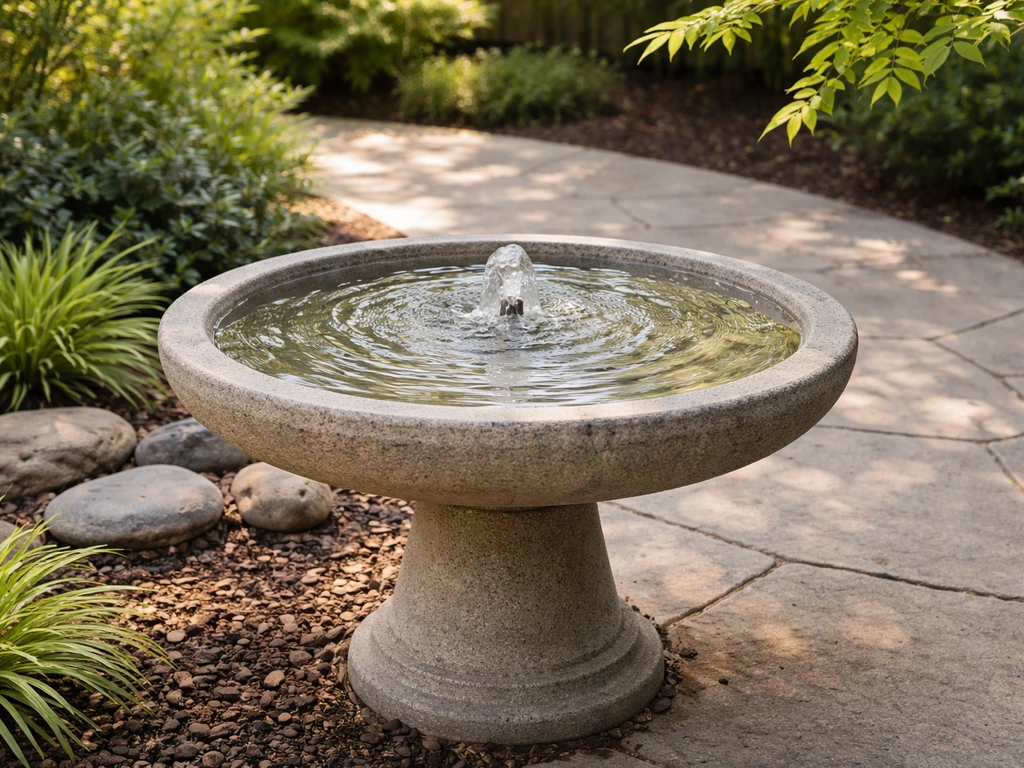
How mosquitoes actually use your bird bath
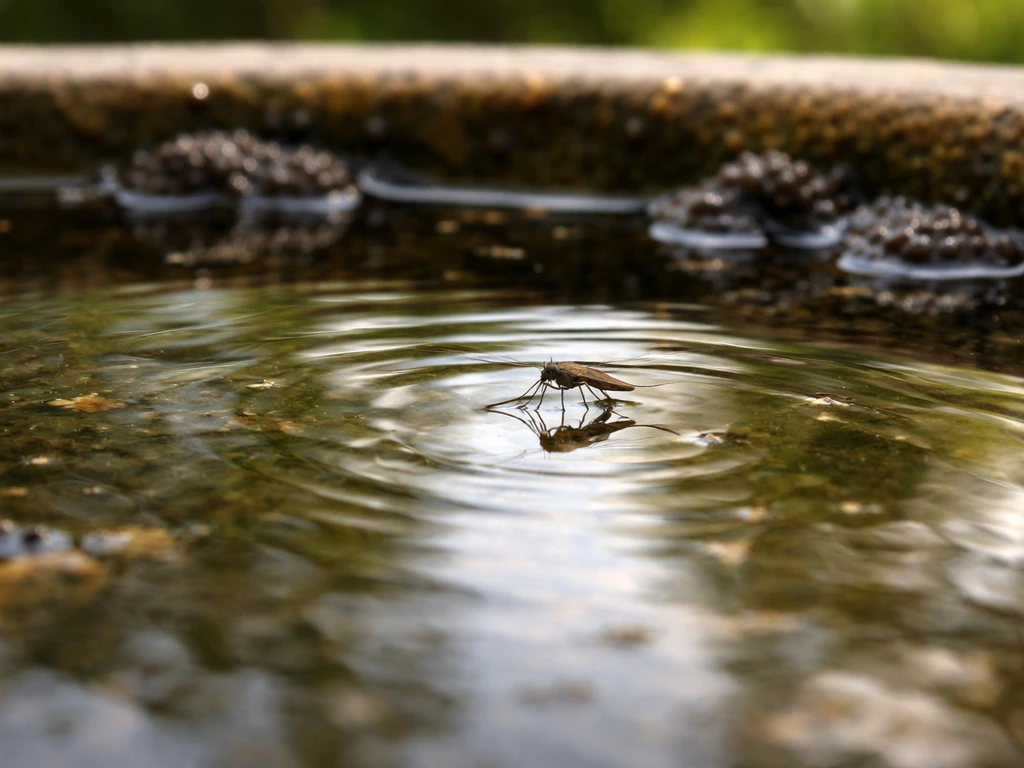
Female mosquitoes seek out calm, still water surfaces to lay their eggs. They're not looking for a lake. Small, shallow containers work perfectly, which is exactly why the CDC specifically calls out bird baths alongside buckets, flowerpot saucers, and old tires in its mosquito breeding guidance. Species like Culex mosquitoes are especially drawn to small home containers.
Once eggs are laid, the timeline moves fast. In warm summer conditions, a mosquito can go from egg to biting adult in as little as a week. Aedes eggs can even survive drying out for up to 8 months, meaning they can sit on the walls of your bird bath through a dry spell and hatch the next time water is added. That's why scrubbing matters as much as draining.
The conditions that make a bird bath attractive to mosquitoes are easy to spot: water that hasn't moved in several days, organic buildup like algae or fallen leaves, shade that slows evaporation, and warm temperatures that accelerate larval development. If you've ever looked at a bird bath that's been sitting for a week in July and seen tiny wriggling things near the bottom, those are larvae. That's the window you're trying to close.
Placement and setup that reduces mosquito appeal
Where and how you set up your bird bath makes a real difference before any cleaning routine kicks in. A few placement decisions work in your favor right from the start.
- Place the bath in partial sun rather than deep shade. Sunlight warms the water and promotes faster evaporation, which shortens the window mosquitoes have to breed. Full shade keeps the water cool and stagnant, which mosquitoes prefer.
- Keep it away from dense vegetation and standing debris. Leaf litter and organic matter that falls into the water creates the kind of murky, nutrient-rich conditions larvae thrive in.
- Position it at least 10 to 15 feet from your doors and windows. If mosquitoes do breed nearby, you don't want adults emerging right at your entry points.
- Make sure the surrounding ground drains well. Puddles and soggy soil near the bath create additional breeding sites that can undermine all your other efforts.
- Avoid placing the bath directly under trees or shrubs that drop seeds, flowers, or leaves constantly. Organic debris accelerates algae growth and water fouling.
Good airflow also helps. A bath in an open area with a light breeze will have more water surface agitation than one tucked in a still corner, and even slight surface movement discourages egg-laying. You can't always control the wind, but you can avoid placing the bath in dead-air spots like tight fence corners or enclosed patios.
The cleaning routine that actually prevents breeding
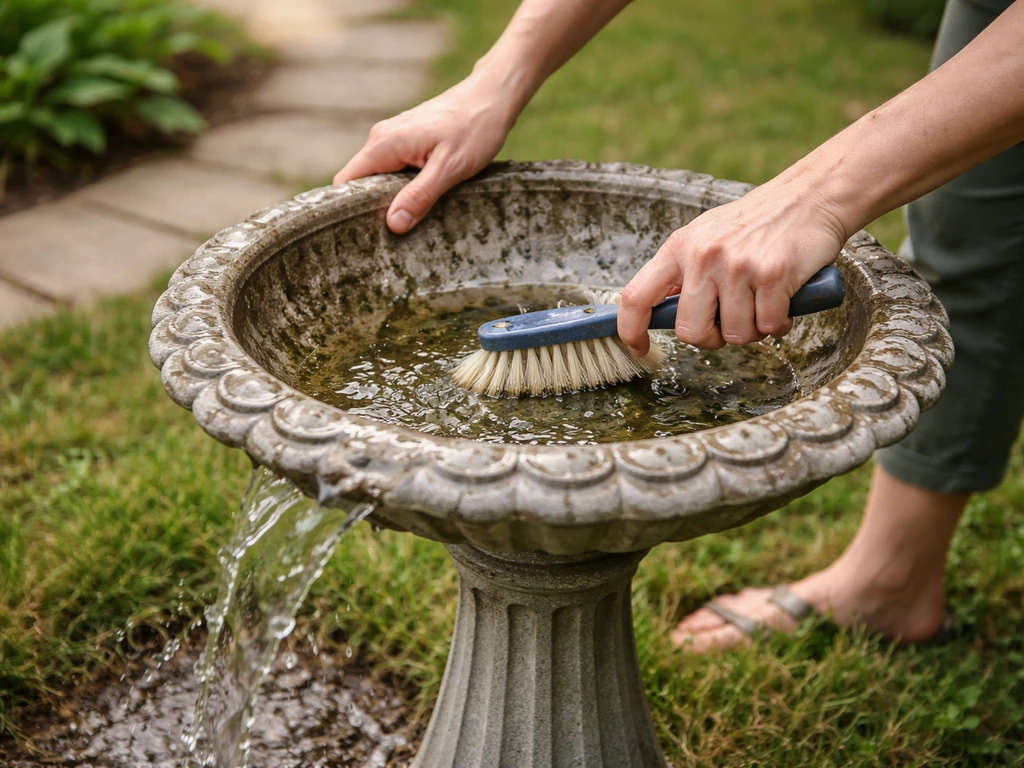
This is the most important part, and the guidance here is pretty clear. The CDC recommends emptying and scrubbing bird baths once a week to remove mosquito eggs from the container walls. Penn State Extension goes further and recommends changing the water daily in summer, which is the gold standard if you're in a hot climate or have had mosquito problems before. Daily water changes are a key strategy in hot climates, which is one of the best ways to have a bird bath without mosquitoes. A realistic middle ground that works well for most people is every two to three days in warm weather.
- Dump out all the old water completely. Don't just top it off.
- Scrub the basin thoroughly with a stiff brush. This physically removes eggs and larvae that cling to the walls and bottom. Plain water and a brush is enough for regular cleans.
- Rinse well before refilling.
- For a deeper clean every one to two weeks, use a diluted solution of white vinegar (about 1 part vinegar to 9 parts water), scrub, and rinse thoroughly before refilling. This also helps with algae buildup.
- Check for any organic debris like leaves, dirt, or bird droppings and remove them immediately when you spot them, not just on cleaning days.
Algae is worth mentioning separately. Algae doesn't cause mosquito breeding directly, but it contributes to the organic-rich water conditions that make the bath more hospitable to larvae. Keeping algae under control through regular scrubbing and occasional vinegar rinses is part of the same prevention strategy. Avoid dish soap or harsh detergents, as residue can harm birds.
Moving water, products, and tools that keep mosquitoes out
If you want a setup that reduces mosquito risk between cleaning sessions, moving water is your best tool. If you follow these moving-water tips consistently, you can significantly reduce the chance of needing to figure out how to keep mosquitoes out of your bird bath the hard way later keep mosquitoes out of bird bath. Mosquitoes need calm, still water to lay eggs. Even gentle circulation makes a bath significantly less attractive for breeding. This is one of the best investments you can make for a bird bath, because it also makes the bath more attractive to birds by mimicking a natural water source.
| Option | How It Helps | Bird-Friendly? | Best For |
|---|---|---|---|
| Dripper or drip tube | Adds constant gentle drip to water surface, breaks the still surface mosquitoes prefer | Yes, birds are attracted to dripping sounds | Any bird bath, easy DIY setup |
| Solar-powered pump or bubbler | Circulates water continuously using sunlight, prevents stagnation | Yes, movement attracts birds | Sunny locations, low-maintenance setups |
| Electric fountain pump | Reliable circulation regardless of weather or season | Yes, very attractive to birds | Shaded areas or year-round use |
| Mosquito Dunks (Bti) | Kills mosquito larvae biologically, safe for birds, mammals, and people | Yes, EPA-confirmed non-toxic to wildlife | When you can't change water daily |
| Heated bird bath | Keeps water from freezing in winter, prevents stagnant ice-melt pools | Yes, provides year-round water access | Cold-climate winter maintenance |
Bti (Bacillus thuringiensis israelensis) deserves special attention. It's a naturally occurring soil bacterium that kills mosquito larvae in water but has no toxicity to people, birds, pets, or other wildlife. It comes in doughnut-shaped "dunks" you can place directly in the bird bath. The EPA and Washington State Department of Health both recognize it as a safe and effective larvicide for standing water you can't always empty on schedule. If you're going on vacation or just know you'll miss a cleaning cycle, a Bti dunk is excellent insurance.
Solar bubblers and floating fountain devices are worth considering for summer use specifically. They run without any wiring, keep the water moving during daylight hours, and double as a feature that draws more birds to investigate. To attract hummingbirds to a bird bath, focus on clean, fresh water and provide nearby shelter so they feel safe while they feed and drink. In winter, a heated bird bath with a built-in thermostat prevents the freeze-thaw cycles that can leave pools of stagnant meltwater, which is a less obvious but real mosquito risk in early spring.
Still seeing mosquitoes? Here's where to look
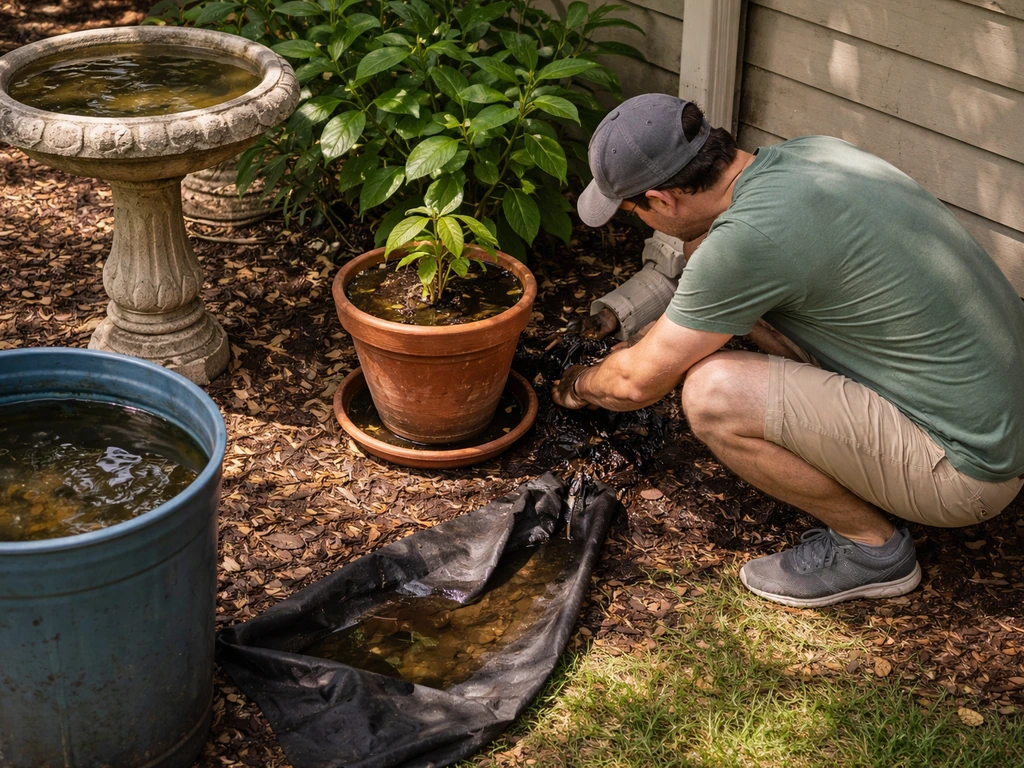
If you're cleaning regularly, running moving water, and still seeing mosquito activity around your bird bath, the bath itself probably isn't the only source. This is one of the most common frustrations, and the answer is almost always that there's another breeding site nearby you haven't found yet.
Do a full property scan every week. The CDC's guidance is clear: any container that holds water is a potential breeding site. Culex mosquitoes don't care whether it's a bird bath or a forgotten bucket behind the shed. Look for:
- Plant saucers under potted plants (some of the most overlooked sources)
- Clogged gutters holding leaf debris and water
- Tarps, garbage can lids, or any surface that collects rainwater
- Toys, old tires, or yard tools left outside
- Low spots in the lawn that stay wet after rain
- Tree holes or stumps that collect water
If you've eliminated all obvious standing water around the yard and are still dealing with mosquitoes, check your Bti dosing schedule. Real-world experience from gardeners using mosquito dunks shows that inconsistent timing or under-dosing can let larvae develop between treatments. In the r/gardening thread on bird-bath mosquito control, commenters emphasize practical steps like changing the water frequently and adding water circulation such as a bubbler when mosquitoes show up blank" rel="noopener noreferrer">changing the water frequently and adding circulation such as a bubbler. Follow the label instructions carefully and replace dunks on schedule.
It's also worth considering that mosquitoes from neighboring properties can drift into your yard. At that point, your bird bath maintenance is still important, but the source is outside your control. Combining your bird bath protocol with broader yard management, like eliminating every small standing water source you can find, is the approach the CDC recommends when individual steps aren't enough on their own.
Your immediate action list
If you want to act on this today, here's the short version of everything above. Do these things and your bird bath will be working for birds, not for mosquitoes.
- Dump and scrub your bird bath today, even if it looks clean. Eggs cling to walls and aren't always visible.
- Set a reminder to change the water every two to three days in summer, or daily if you've had larvae before.
- Add a dripper, solar bubbler, or small pump to keep water moving between cleaning sessions.
- Pick up a pack of Bti dunks for times when you'll miss a cleaning cycle. They're inexpensive, safe, and effective.
- Walk your yard and empty every container or low spot that's holding water, from plant saucers to clogged gutters.
- Recheck placement: if your bath is in deep shade next to a hedge, consider moving it somewhere with more sun and airflow.
A bird bath that's well-maintained and fitted with moving water is genuinely low-risk for mosquito breeding, and it will attract far more birds than a stagnant one. If you want to attract more birds to your bird bath, focus on clean water, safe placement, and keeping the surface easy to access. The two goals, keeping birds coming and keeping mosquitoes out, point to exactly the same set of habits.
FAQ
How can I tell if mosquitoes are breeding in my bird bath, or if they are just visiting?
Look for larvae, tiny comma-shaped “wrigglers” near the bottom when you tilt the bath or use a clear cup to skim water. If you only see adult mosquitoes landing but there are no larvae after a close inspection, breeding may be happening in a nearby stagnant container.
Do mosquitoes lay eggs on the sides of a bird bath even after the water is drained?
Yes. Some egg stages can survive dry periods and hatch when water is added again. This is why weekly scrubbing of the walls and rim matters, not just emptying the basin.
If I change the water every two to three days, is that safe for birds and still effective for mosquito prevention?
Usually yes. Use fresh water, scrub lightly when buildup starts, and rinse well so there is no soap residue. In hot weather or if mosquitoes are already a problem, tightening to daily changes is more reliable, especially for small, shaded baths.
Will algae cleaning with vinegar damage the bird bath or harm birds?
A vinegar rinse is generally a maintenance option, but rinse thoroughly and avoid leaving any acidic residue behind. Also remove leaves and organic debris manually first, vinegar is most effective for the film, not for heavy detritus.
Does using a bird bath cover stop mosquitoes, or can it make the problem worse?
A tight cover can help reduce access, but many covers trap moisture and prevent cleaning and airflow. If you use one, still follow your cleaning cadence, and ensure water never becomes stagnant under the cover.
What is the safest approach for adding Bti to a bird bath, and how do I avoid overusing it?
Follow the label rate based on water surface area, not just the basin size, and replace or reapply on schedule. If the bath is cleaned frequently and refilled with fresh water, you may need less frequent dosing than someone who never empties.
Do moving water devices, like bubblers or fountains, always eliminate mosquito risk?
They greatly reduce risk, but not always. If the water flow is weak, mosquitoes can still find calm pockets, especially in corners or around rocks. Position the device so it creates visible circulation across most of the basin.
Can mosquitoes breed in winter or during cold snaps in my bird bath?
It can happen in early spring or during warm spells when meltwater sits for days. If temperatures drop and water freezes, avoid leaving trapped melt puddles, and consider a heated bath to prevent freeze-thaw stagnant pooling.
If I do everything right and still see mosquitoes, what is the most likely cause?
A nearby alternative breeding site is the usual culprit, common ones are buckets, plant saucers, clogged gutters, tarps that hold rain, and toys that collect water. A quick weekly walk-around to dump and empty every small container usually reveals the source.
How do I keep mosquitoes from returning from neighboring yards?
You cannot control nearby breeding, but you can reduce your attractiveness as a site. Keep your bath moving, keep it clean on schedule, and eliminate every other small standing-water source on your property to reduce the odds that incoming mosquitoes find a usable habitat.
Next Articles
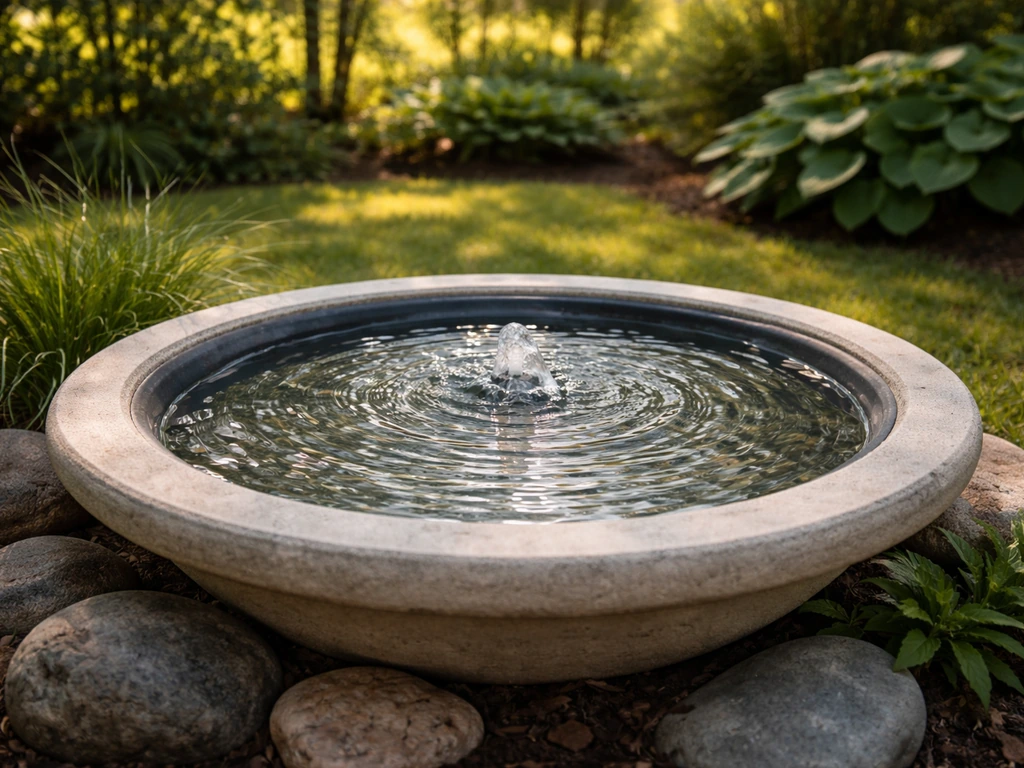
How to Have a Bird Bath Without Mosquitoes Today
Step-by-step setup for a bird bath that stays mosquito-free using circulation, placement, liners, and safe cleaning.
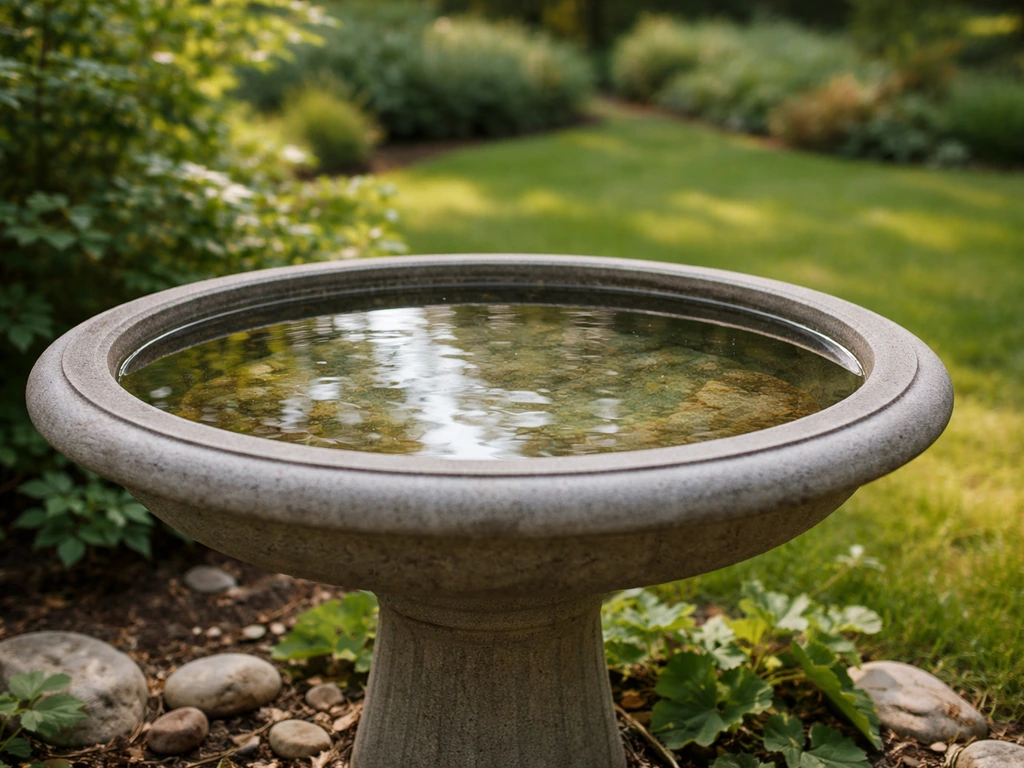
How to Keep Mosquitoes Out of a Bird Bath
Step-by-step tips to stop mosquito larvae in bird baths, using safe treatments, cleaning, and placement to prevent bites
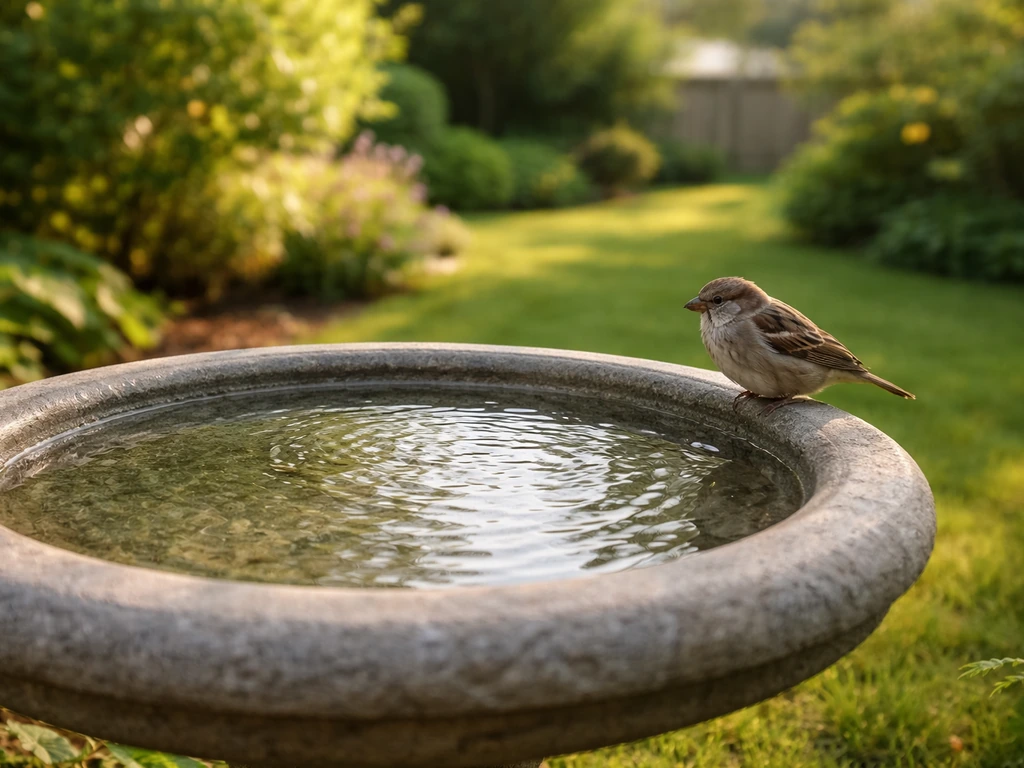
How Do You Attract Birds to a Bird Bath Step by Step
Step by step tactics to attract birds to a bird bath, fix ignored baths, stop algae and mosquitoes, and welcome species