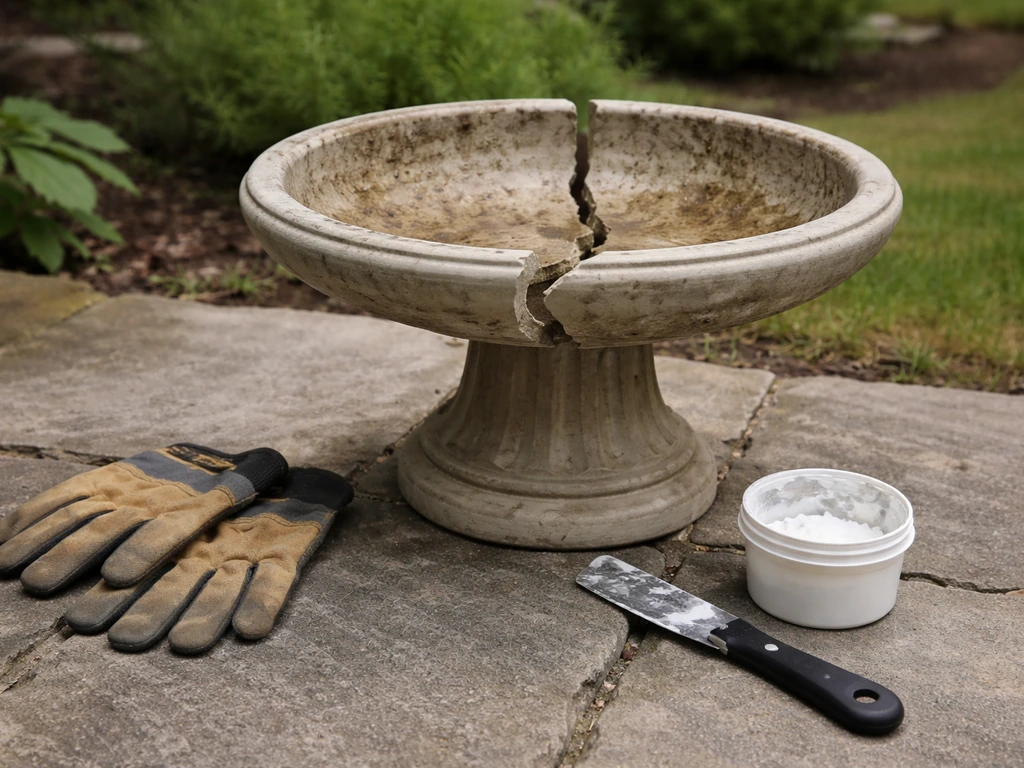
You can repurpose an old bird bath as a planter, a small wildlife pond, a fountain, or a garden accent piece. If you started with dishes instead of a traditional basin, you can follow many of the same steps for safe, clean bird water how to make bird baths from dishes. Which direction makes the most sense depends on two things: what material the basin is made of and how damaged it actually is. A solid concrete or ceramic bath with a hairline crack? Perfect for a planter or fountain conversion. A rusted metal basin or one with chipped lead-glazed decoration? That one probably needs a different plan. Let me walk you through how to assess what you've got, prep it safely, and turn it into something genuinely useful today.
How to Repurpose a Bird Bath: Easy Options and Steps

Marcus Henley
22 May 2026
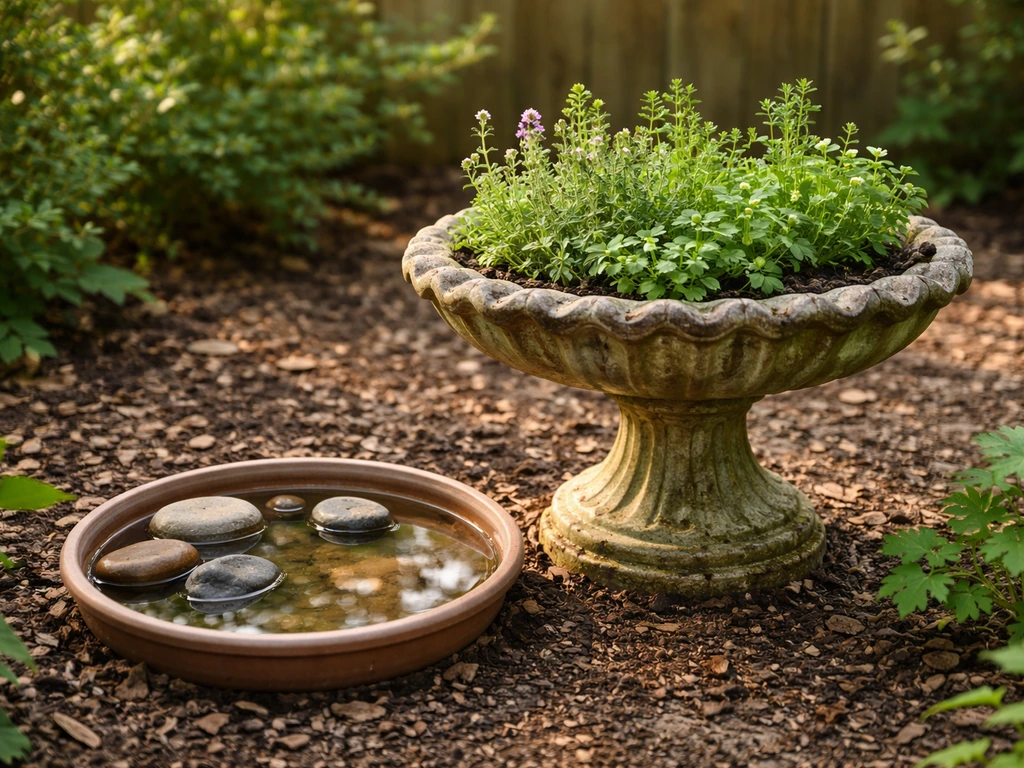
Start here: assess your bird bath before you do anything else
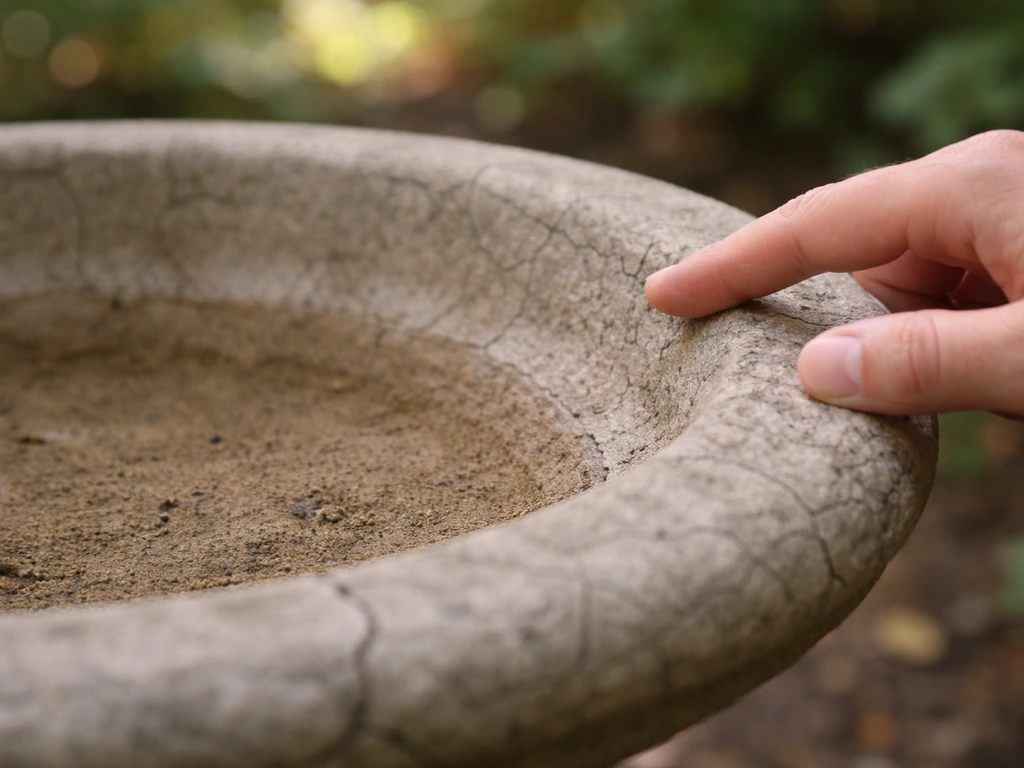
Give the basin a thorough look before deciding anything. You're checking for three things: structural integrity, surface condition, and material type. Each one changes what you can safely do with it.
Concrete bird baths
Concrete is the most forgiving material to repurpose. Minor cracks don't disqualify it. If the basin still holds its shape and you can seal small cracks with waterproof concrete sealant, it works well as a planter or a mini pond. If you want something similar but off the ground, you can also learn how to make a tree stump bird bath using the same general idea of creating a stable shallow basin planter or mini pond. Deep cracks that let water drain immediately mean you'll need to line it with a pond liner before using it as a water feature, or just go the planter route and skip watertightness entirely.
Ceramic and glazed bird baths
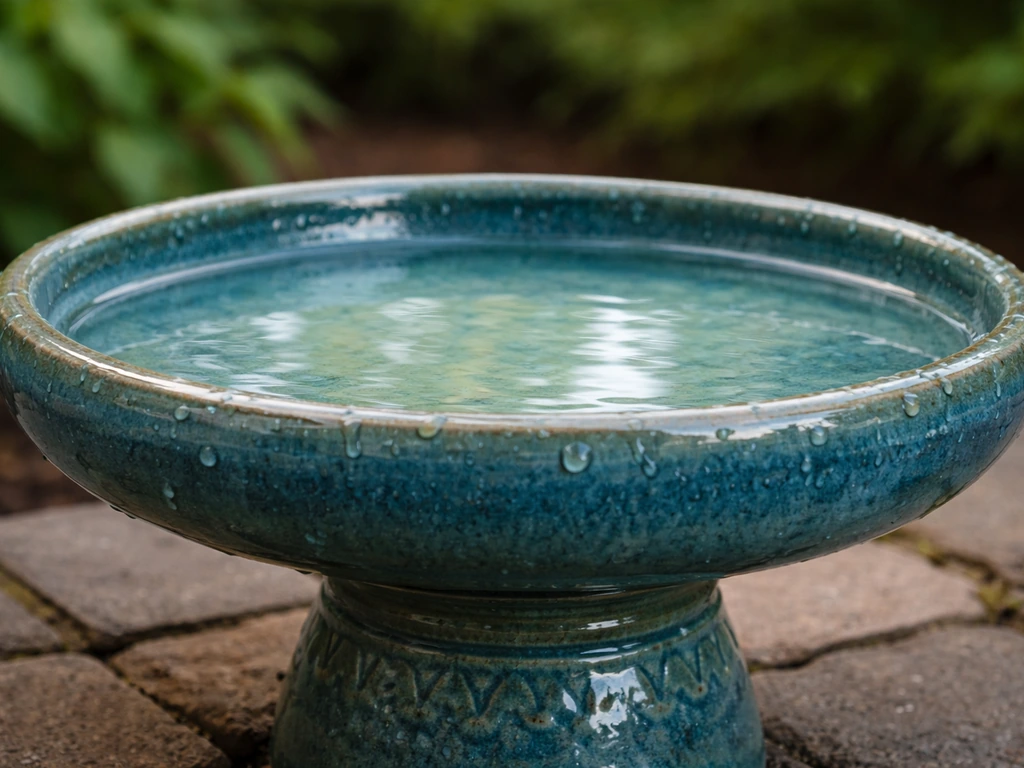
Glazed ceramic with an intact surface is actually your best option for wildlife water features because the smooth glaze resists algae penetration and cleans up easily. The problem comes if the glaze is chipped, especially on older or vintage pieces. Older decorative ceramics may have been fired with lead-based glazes, and chipped glaze on these can leach lead into standing water. If you have a vintage glazed piece with cracking or chipping decoration and you're not sure of its firing history, don't use it to hold water that wildlife will drink from. It makes a beautiful planter or dry garden accent instead.
Metal bird baths
Metal baths, whether cast iron, galvanized steel, or copper, rust and corrode over time. A bit of surface rust you can wire-brush away is fine. A basin that's rusted through or has visible corrosion flaking into the water is a problem for wildlife use. Metal also heats up fast in direct sun, which matters if you're planning a water feature in a sunny spot. For rusted metal baths, the most practical move is often a planter or garden decor conversion rather than a water feature.
Heated and solar bird baths
If your old bath had a built-in heater element or solar pump that no longer works, assess the basin separately from the hardware. The basin may be perfectly fine for a new use even if the electrical components are shot. Solar inserts in particular are easy to swap out for a new unit, so a solar bath with a dead pump might just need a $15 replacement insert to become a fountain again.
Clean and prep it before anything else
Whatever you're planning to do with it, clean the basin thoroughly before repurposing. Old algae, bird droppings, and debris can harbor pathogens, and you don't want to spread that into your garden or a new wildlife feature. Here's how I approach it.
- Empty the basin completely and scrub off visible debris, algae, and buildup with a stiff brush. Don't just rinse over the grime.
- For a deeper clean, use white vinegar diluted with water as your scrubbing solution. It's bird-safe, effective on mineral deposits and light algae, and won't leave harmful residues as long as you rinse well. Don't mix it with bleach as that combination creates harmful fumes.
- If the basin is heavily contaminated or you want to sanitize before a wildlife water feature, use a diluted bleach solution: 1 tablespoon of household chlorine bleach per 1 gallon of water. Apply it, let it sit for at least 1 minute for contact time, then rinse extremely thoroughly with clean water. Bleach residue can poison birds, so rinse until you can't smell it.
- Let the basin dry completely before you assess cracks or apply any sealant. You can't seal a wet surface properly.
- If you're converting to a planter, check that any drainage holes you plan to add (or existing chips) are workable. If you're converting to a water feature, check watertightness by filling with water and watching for 30 minutes.
The best ways to repurpose an old bird bath
Here are the four directions I'd point most people in, depending on what they're working with and what they want out of their garden.
Turn it into a planter
This is the most accessible option and honestly one of the best-looking results. The pedestal keeps the basin at a nice display height, and the wide shallow bowl is ideal for succulents, trailing annuals, or herbs. Drill a drainage hole in the bottom of the basin if there isn't one, or layer the bottom with gravel to prevent root rot. Concrete and intact ceramic basins work especially well here. Even a cracked basin that won't hold water is perfect for a planter. There's a whole range of approaches specifically for making a planter out of a bird bath if you want to get more detailed with soil mixes and plant choices.
Convert it into a fountain or moving water feature
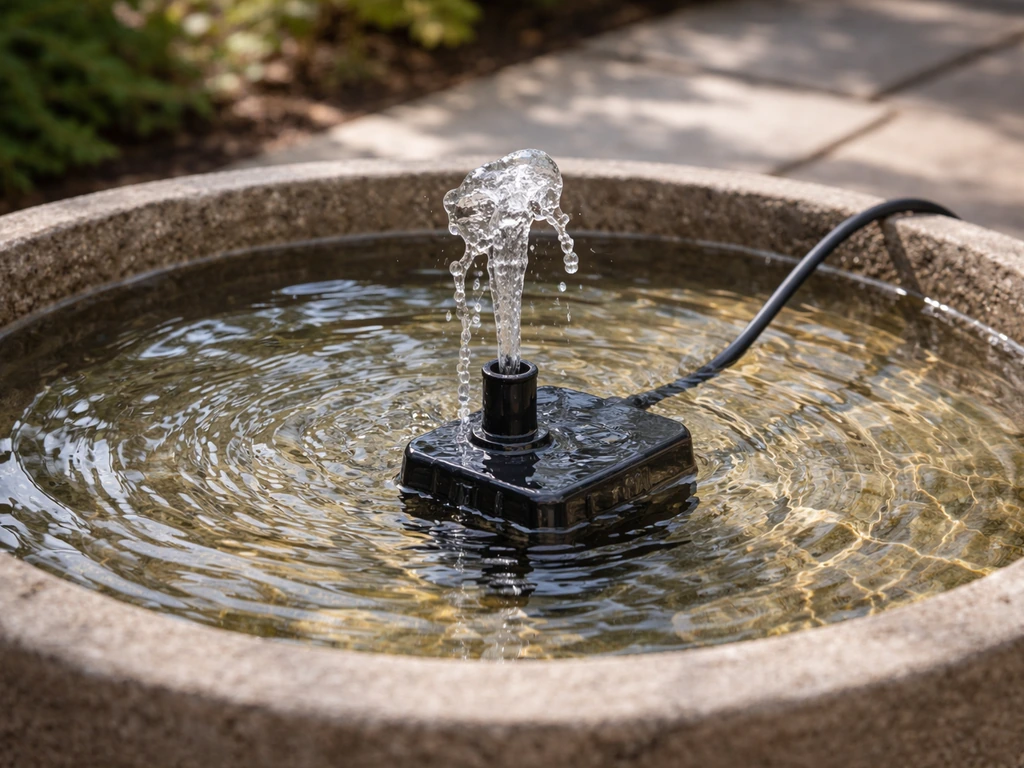
If your basin is watertight (or can be made watertight with sealant), converting it to a fountain is genuinely straightforward. The standard approach is to drop a submersible pump into the basin and run the tubing up through or alongside the stem/pedestal. You drill a hole in the center of the basin to hide the tubing through the pedestal if you want a clean look. For an even simpler version, drop a solar fountain insert directly into the basin. If you want a related DIY option, you can also browse how to make a bird bath from an old lamp, since the same repurposing mindset applies to turning household items into a water feature solar fountain insert. These sit in the water, need no wiring, and cost around $15 to $20. Moving water is actually better for birds than still water, so this repurpose keeps your wildlife goals intact. If you end up wanting a lighter DIY build instead of converting a worn basin, you can also look at how to make a bird bath out of plastic bottles as a related option.
Create a mini wildlife pond or frog habitat
A bird bath basin set at or just above ground level makes an excellent small wildlife pond for frogs, pollinators, and birds. The RSPB recommends a maximum depth of about 10cm (roughly 4 inches) and a basin at least 30cm (about 12 inches) across for wildlife ponds, and most bird bath basins fit that spec naturally. If the basin has a small crack, line it with a flexible pond liner before filling. Add a few flat rocks or a sloped stone ramp so small creatures can climb out safely. Don't add frogspawn or aquatic plants taken from other ponds, as this spreads disease. Let it colonize naturally.
Use it as a garden accent or decorative feature
Sometimes the honest answer is that a bird bath that's cracked, corroded, or glazed with potentially unsafe materials isn't right for holding water or plants you eat. That doesn't mean it can't earn its place in the garden. Fill it with decorative stones, a small lantern, or seasonal displays. Paint or mosaic a badly chipped ceramic basin. Use a rusted iron pedestal with a new basin on top. The structural base of a bird bath often outlasts the basin, and there are ideas around making bird baths from dishes or other found materials that pair perfectly with a salvaged pedestal. If you want a glass-vase look, you can repurpose the vase into a small bird bath by creating a stable base and sealing the glass so it holds water safely making bird baths from dishes or other found materials.
What to do when it's too damaged to reuse as-is
A bird bath that's cracked through, heavily rusted, or has lead-glaze concerns doesn't have to go straight to the landfill. Think in parts: the pedestal and the basin are often separable and independently useful.
- A good pedestal with a broken basin: pair it with a new basin, a large pot saucer, or even a shallow ceramic bowl as a replacement basin. Some people set a glass vase basin on top of an old pedestal, which is its own DIY project.
- A cracked basin with a broken pedestal: use the basin alone, set directly in the ground as a sunken wildlife pond or as a raised planter set on bricks or a stump.
- A solar or heated bath with dead electronics: keep the basin, swap the hardware. New solar inserts are cheap and universally sized.
- A rusted metal basin that's corroded through: convert the pedestal to a plant stand, and recycle the basin if it can't be patched.
- Concrete that's crumbling badly: break it down further and use the pieces as garden edging, stepping stones, or drainage material in planters. This is sometimes called a broken bird bath conversion, and the results look surprisingly good.
Placement tips so it still works for birds and wildlife
Even if you're converting your bird bath to a planter or fountain, placement still affects whether birds will use the water feature and whether your new setup thrives. A few rules of thumb I've found really do make a difference.
| Repurpose Type | Ideal Placement | Key Consideration |
|---|---|---|
| Fountain / water feature | 6 to 10 feet from dense shrubs or low branches | Birds need a clear sightline to spot predators; moving water attracts more birds |
| Mini wildlife pond (basin at ground level) | Partial shade, near natural cover but not under a tree | Leaf drop pollutes small ponds quickly; easy frog/insect access matters |
| Planter | Based on plant light needs; morning sun is ideal for most | Elevation on pedestal improves drainage and airflow around roots |
| Decorative garden accent | Focal point in a border or at a path junction | Stability on level ground prevents tipping; anchor in wind-prone spots |
If you're keeping any water in the repurposed basin, stick to 1 to 2 inches of depth for bird-accessible water. That's the sweet spot where birds can bathe comfortably without risk of drowning. Place a few flat stones in deeper basins to bring the effective depth up. Keep the feature at least 6 feet from dense low shrubs where cats and other predators can hide, but within a few feet of taller trees or shrubs that birds can retreat to quickly.
Keeping your repurposed setup clean through every season
Regular water changes and cleaning
If your repurposed basin holds standing water, change it every one to two days in warm weather, and at minimum every three days otherwise. Topping off isn't enough because you're just diluting algae spores and accumulated grime rather than removing them. Drain it, scrub with a stiff brush, rinse, and refill. This sounds like a lot but takes about five minutes once you're in the habit.
Algae and mosquito prevention
Still water in a shallow basin is a perfect mosquito breeding environment. Female Culex mosquitoes lay eggs directly on standing water surfaces, and they don't need much. The CDC recommends emptying and scrubbing containers that hold water at least once a week to break the mosquito lifecycle. Moving water (via a fountain insert) disrupts egg-laying significantly. If you have a wildlife pond conversion you can't easily drain weekly, Bti-based mosquito dunks or bits are safe for wildlife and birds and kill mosquito larvae without harming frogs or beneficial insects. Don't rely on them as a substitute for water changes though.
Winter and freezing
This is where material really matters again. Ceramic and terracotta planters and basins can crack if water freezes inside them. For a ceramic or glazed basin repurposed as a planter, either move it to a sheltered spot or use a frost-proof pot liner inside the basin before winter. For water features, drain the basin completely before the first hard freeze in your region. Submersible pumps left in frozen water can be damaged or destroyed. Bring solar fountain inserts indoors. Concrete is more freeze-tolerant but will still crack if water pools in cracks and freezes repeatedly over several winters, so drain and cover it. If you're in a milder climate and want to keep a wildlife water feature running year-round, a low-wattage submersible heater element keeps a small basin ice-free without overheating the water. Before bringing any feature back online in spring, drain it, scrub it thoroughly, and start fresh with clean water.
Ongoing maintenance by season
- Spring: deep-clean after winter storage, check for new cracks, reseal concrete if needed, refill with fresh water
- Summer: increase water change frequency to daily in hot weather, check for algae every few days, monitor mosquito activity
- Fall: clear leaf debris from any water basin at least weekly (decomposing leaves foul small ponds fast), start planning for freeze protection
- Winter: drain water features, bring in pumps and solar inserts, protect ceramic and glazed basins from freeze-thaw cycles
FAQ
How do I make sure my repurposed bird bath planter or water feature is watertight enough for birds?
Yes, as long as the basin is sealed and safe. Choose a non-toxic exterior sealant made for outdoor water contact, and only use it on intact or repaired surfaces (hairline cracks in concrete, intact glaze in ceramic). After sealing, fill it once and let it sit for 24 to 48 hours, then dump and rinse to flush out any first runoff before you let wildlife use it.
Can I use bleach or algae killer to clean an old bird bath before repurposing it?
If you are keeping any standing water for wildlife, avoid chemical treatments like bleach, algae removers, or copper-based products. They can linger and harm birds and invertebrates. Use physical cleaning instead (drain, scrub, rinse), and for mosquito control switch to moving water, or use Bti products formulated for wildlife ponds.
Is it enough to rinse an old bird bath, or should I do more before repurposing it?
Don’t assume it is safe just because it looks clean. Wear gloves and use a stiff brush to remove dried droppings and grime, then rinse thoroughly. Let the basin air-dry briefly before sealing repairs or setting it in its final spot, so you do not trap moisture under sealant or in cracks.
What water depth is safest when I convert my bird bath into a bird-friendly water feature?
For birds bathing, shallow is safer. Keep the water depth around 1 to 2 inches, and if the basin is naturally deeper add flat stones or a sloped ramp so birds can step in and out. If you add rocks, choose smooth pieces and avoid anything sharp that can injure legs.
Where should I place a repurposed bird bath so birds actually use it safely?
Placement matters for safety. Avoid putting it within easy hiding distance of dense shrubs where cats can ambush, but still position it so birds have nearby cover to retreat to (for example, near taller shrubs or a tree edge, not in open ground only). Also keep it away from areas where kids and pets constantly run directly past it.
What should I do about mosquitoes if I can’t drain the basin often?
If you can’t drain weekly for a wildlife pond conversion, prioritize options that reduce breeding. Use a fountain insert for moving water if possible, or use Bti-based mosquito treatments for larvae control. Still expect some maintenance, because Bti does not replace periodic cleaning of debris and scum.
Can I add aquatic plants or pond water to a repurposed bird bath wildlife pond?
Use plants that match your goal and avoid plant material taken from other ponds. For wildlife pond conversions, keep it simple and let it naturally colonize, and do not add pond water, frog spawn, or aquatic plants you harvested elsewhere because they can bring pathogens. For planters, regular potting mix and sun-tolerant plants are usually the easier approach.
What if my bird bath basin is damaged, but the pedestal is still solid, what can I reuse?
Yes, separability is a big advantage. If the basin is unsafe for water use due to corrosion or uncertain glaze, keep the pedestal as a stand and mount a new basin on top (or switch to dry decor). This lets you reuse the sturdy base without risking lead leaching or metal corrosion into drinking water.
How should I winterize a repurposed bird bath fountain or wildlife pond?
For winter, treat it differently by material. Drain fully before the first hard freeze for fountain and pond uses, and remove or store pumps and solar inserts so they are not left in frozen water. For ceramic or terracotta planters, either move it to shelter or use a frost-proof liner so water does not sit inside and crack the container.
Next Article
Broken Bird Bath Ideas: Repair, Patch, or Replace Fast
Step-by-step broken bird bath ideas to identify the damage, repair safely, and choose patch or replacement by material.