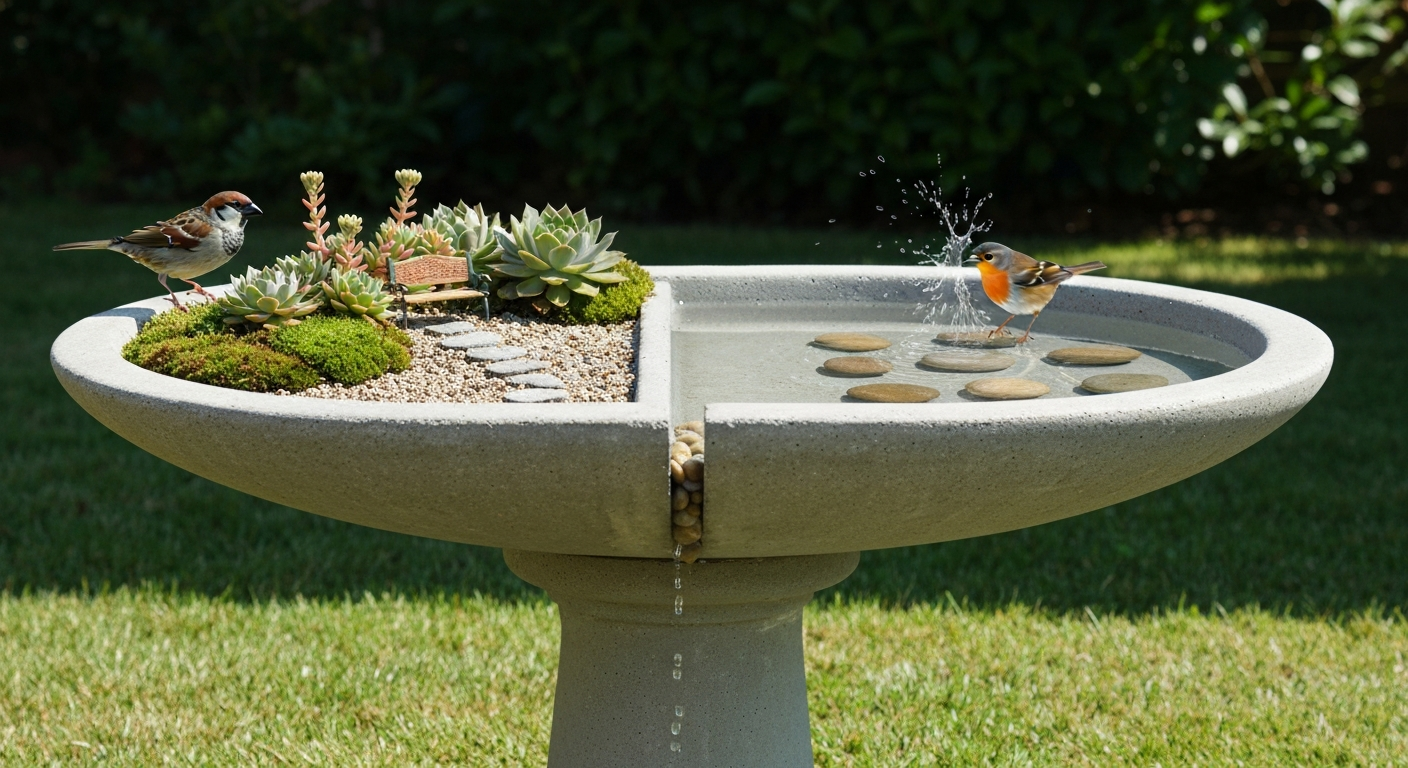
The single biggest thing you can do to attract more birds is keep a shallow, clean bird bath with moving water placed 10 to 15 feet from cover. That one sentence covers 80% of what makes a bird bath work. Everything else is fine-tuning for your specific yard, climate, and the birds you want to see.
Bird Bath Tips: Choose, Place, Maintain, and Troubleshoot

Marcus Henley
13 May 2026
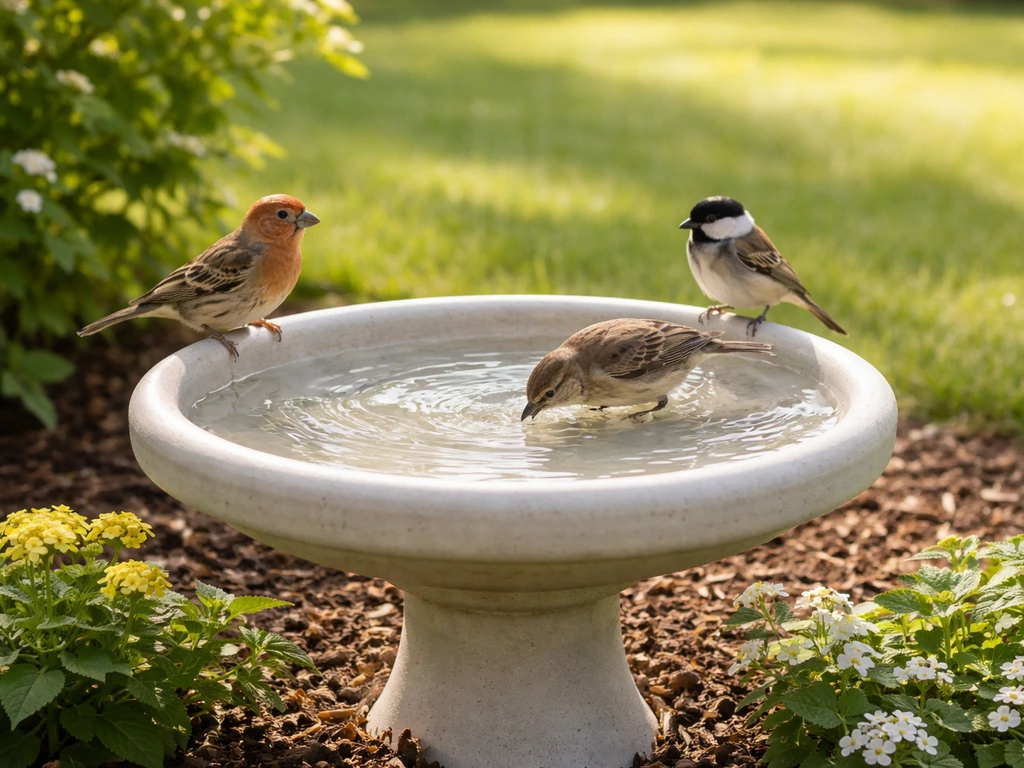
Bird bath basics every backyard birder should know
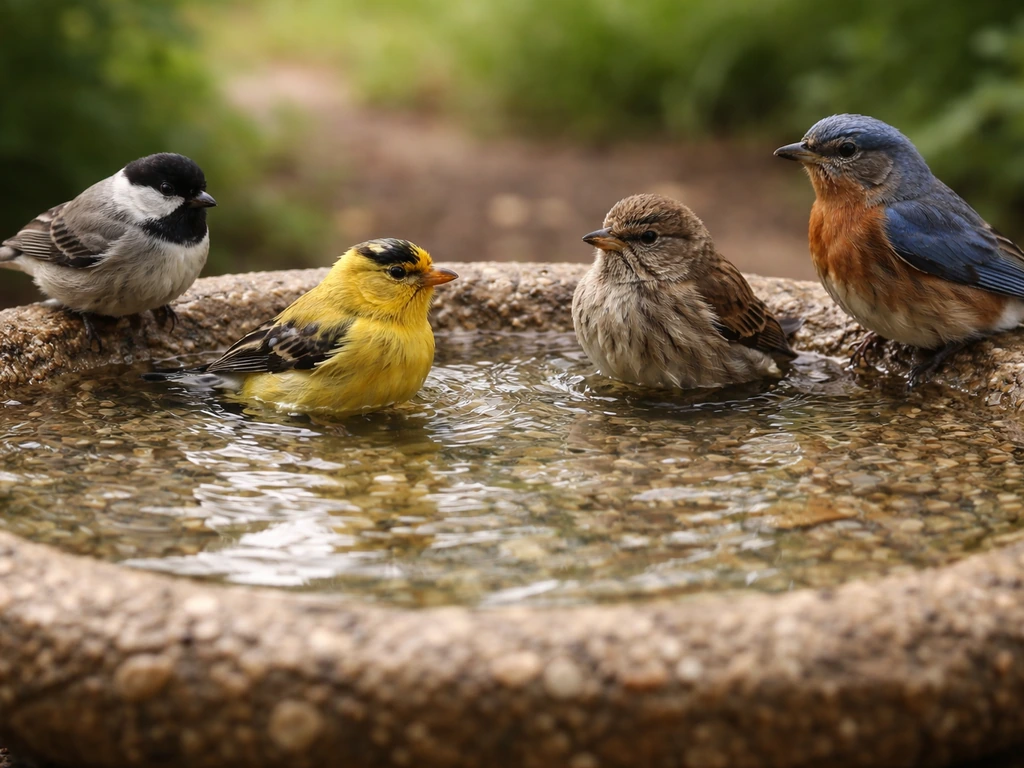
Birds need water for drinking and bathing, and they are surprisingly picky about how it is offered. The most common mistake is using a basin that is too deep. Birds wade and splash rather than submerge, so your bath should be no deeper than 1 inch at the edges and slope gradually to a maximum of 2 inches at the deepest point in the center. A diameter of 12 to 24 inches gives most backyard species enough room to share the space without constantly bumping into each other.
Texture matters too. Smooth glazed surfaces are slippery, which makes birds nervous. If your basin is very smooth, toss in a flat rock or a few pebbles to give birds something to grip. The ideal surface has a slightly rough finish that lets small birds stand confidently without sliding.
Moving water is a genuine game-changer. Birds detect water by the sound and glint of movement, so even a slow drip or a small recirculating pump will bring in birds that would otherwise ignore a still basin. If you are just getting started, a simple dripper that hangs over the basin costs very little and makes a noticeable difference within days.
Finally, consistency wins. Keep the bath filled at all times when temperatures are above freezing. Birds build routines and will return daily once they know your bath is reliable. Empty or ice-crusted baths get skipped fast, and birds find somewhere else to go.
Choosing the right type: concrete vs ceramic vs metal vs heated vs solar
There is no single best material. Each type has real trade-offs, and the right pick depends on your climate, how much time you want to spend on maintenance, and your budget.
| Type | Pros | Cons | Best For |
|---|---|---|---|
| Concrete | Durable, textured surface birds love, weathers well, affordable | Heavy, can crack in hard freezes if water is left in it | Year-round use in mild to moderate climates; permanent installations |
| Ceramic / Glazed | Attractive, easy to rinse clean, wide variety of styles | Slippery surface unless textured, can crack in freezing temps, heavier than plastic | Mild climates or seasonal use; decorative setups |
| Metal (copper, stainless) | Long-lasting, naturally inhibits some algae (copper), easy to clean | Heats up fast in summer sun, can get very hot to touch and to birds' feet | Shaded spots; yards where looks and longevity matter |
| Heated / Electric | Keeps water ice-free; thermostatically controlled (kicks on below 35°F, off above 45°F) | Requires outdoor outlet, higher running cost, needs cord management | Cold-winter climates where below-freezing temps last weeks or months |
| Solar | No wiring needed, keeps water moving via fountain pump, reduces stagnation | Pump stops on cloudy days, needs semi-shaded placement, smaller reservoir | Mild to moderate climates; yards without outdoor outlets |
Quick recommendation: if you live somewhere with genuine winters (sustained temps below 32°F), a heated bath or a heated de-icer insert for your existing basin is worth every penny. If your winters are mild, a solar fountain bath placed in semi-shade gives you moving water with zero electrical work. For everyone else, a concrete bath with a separate dripper or small recirculating pump is the most practical and durable all-around setup.
Bird bath recommendations by situation
Tight budget
A plastic saucer-style basin or a repurposed terracotta plant saucer (12 to 24 inches wide, kept to 1.5 to 2 inches deep) gets the job done for next to nothing. Add a cheap hanging dripper and you have a functional, bird-attractive setup for under $20. Replace or scrub it whenever it gets stained. Budget setups work fine as long as you stay on top of cleaning, which is easier with simpler materials anyway.
Cold climates
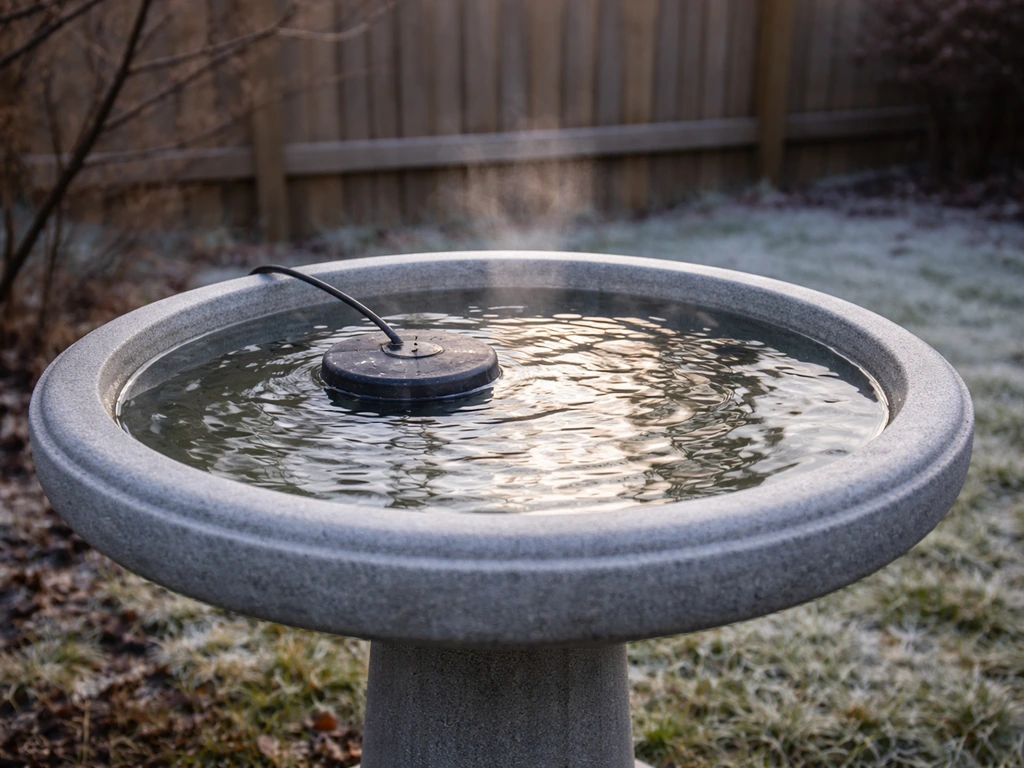
You need either a heated bath or a de-icer insert dropped into a basin you already own. Look for thermostatically controlled models: the good ones activate automatically below 35°F and shut off above 45°F, so they are not running constantly. Keep the depth on the shallower side even in winter, because wet feathers in cold weather can compromise a bird's insulation. If you do not want the expense of a heated unit, the simplest cold-weather trick is setting out a plastic bowl with warm water each morning and bringing it back inside before it freezes solid.
Small yards
Go vertical. A deck-mount or fence-mount bird bath takes up almost no ground space and puts the water at a height that gives birds a clear sightline. A hanging bath or a mounted basin on a shepherd's hook works well in tight spaces. Keep it simple: one small basin that you can clean quickly is better than a large decorative setup you will neglect.
Busy homeowners
A solar fountain bath reduces stagnation between cleanings and slows algae growth because the water keeps moving. Pair it with a glazed or stainless basin that rinses out in under two minutes. Set a weekly phone reminder for cleaning day. The less friction in the maintenance routine, the more likely you are to actually stick with it.
Attracting specific species
Hummingbirds prefer a very fine mist or a gentle dripper over a basin rather than a standard standing bath. A mister attachment pointed at or near the basin is the most reliable way to pull them in. Crows and larger birds, on the other hand, want a deeper and wider basin than most guides recommend (they will actually use water up to 2 to 3 inches deep) and they prefer ground-level or low placement where they can stand comfortably. If you want both species, consider running two setups at different heights.
Placement and optimization tips to attract more birds
Placement is probably the most underestimated factor in whether a bird bath gets used. If you want more visits, start with the core bird bath requirements like depth, surface texture, and keeping the water clean. Put it in the wrong spot and birds will ignore it for months even if the water is perfect.
- Position the bath 10 to 15 feet from shrubs or trees so birds have quick escape cover nearby but predators cannot hide right next to the water.
- Avoid placing the bath directly under dense low shrubs or against a fence where a cat could crouch unseen. Birds need an open sightline to feel safe.
- If cats roam your yard, make sure there is open ground between the bath and any thick cover so birds can spot approaching threats.
- Partial shade is better than full sun in summer. Full sun heats the water fast, speeds up evaporation, and encourages algae. Full shade can make the bath hard for birds to see.
- For solar fountain baths specifically, choose a spot with enough sun to power the unit but enough shade to keep the water temperature reasonable and reduce evaporation.
- Place the bath near a window you look through often. This rewards you with views and reminds you to top off the water.
- Ground-level baths attract a wider variety of species including robins and thrushes that rarely visit elevated baths. Elevated pedestal baths are safer in yards with cats or heavy foot traffic.
One thing that consistently brings in more birds faster than any placement trick is adding movement. A dripper, a small recirculating pump, or even a mister creates sound and visual shimmer that birds notice from a distance. A thoughtful bird bath setup balances depth, movement, and placement so birds actually use it. If you have an existing bath that is getting ignored, try adding a dripper before you move the whole thing.
Cleaning and maintenance routines to prevent algae and grime
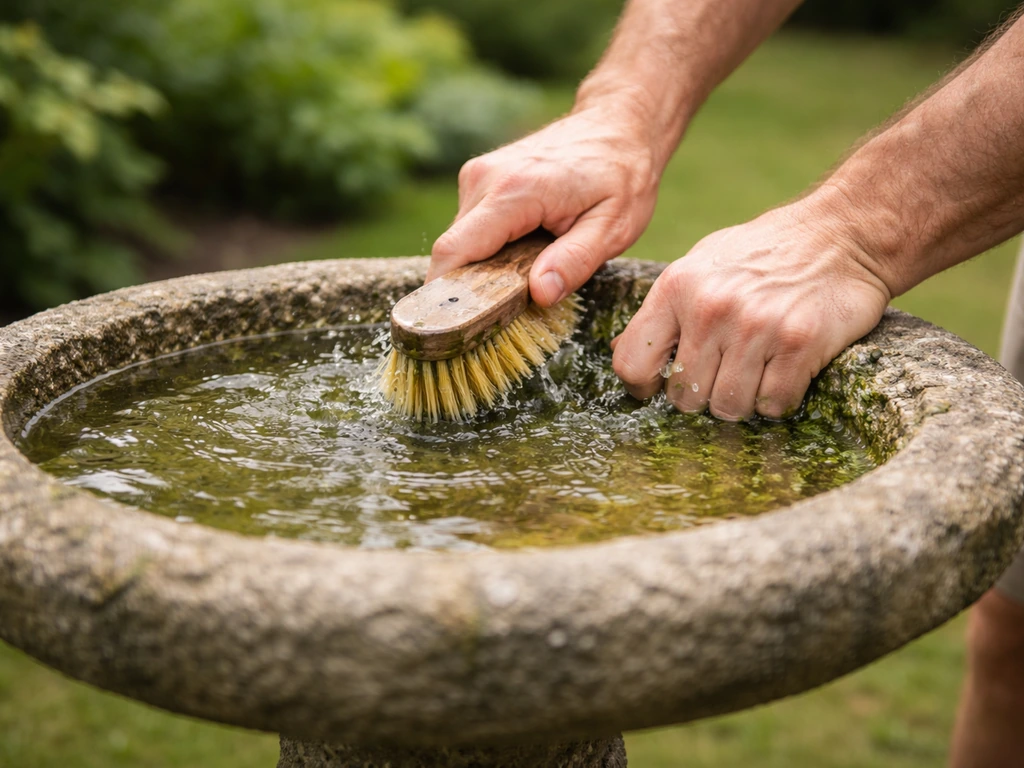
This is where most people fall short, and it is also where bird health is most at stake. A dirty bath spreads disease between birds and drives them away fast. The good news is that keeping a bath clean is not difficult if you build a routine. Follow these bird bath care instructions to keep water fresh, prevent algae, and help birds return reliably.
Day-to-day upkeep
Top off the water daily and do a quick visual check. If you see green tinting, a slippery film on the basin, or anything floating that does not belong, do not just add water on top of it. Dump it out, give the basin a rinse, and refill. Change the water completely at least every three days, and more often in warm weather when algae grows fast. This alone prevents most of the green-water problems people complain about.
Weekly scrub
Once a week, empty the basin and scrub it with a stiff brush (keep a dedicated brush that never touches anything else). Plain water and elbow grease handle most buildup. Rinse thoroughly before refilling. The Iowa DNR recommends at minimum a fresh water change and good scrub weekly, and that is a reasonable baseline for most yards.
Deep disinfection
Every few weeks, or whenever you see heavy biological buildup or you have had sick birds in the area, do a proper disinfection. Mix a solution of 9 parts water to 1 part bleach. Soak the basin for at least 10 to 15 minutes, scrub it, then rinse extremely thoroughly until you cannot smell bleach. Let it air dry before refilling. Do not skip the thorough rinse: bleach residue can harm birds. This protocol is the same one recommended by the CDC for wildlife water features.
A few things that reduce how often you need to do deep cleans: moving water (a pump or dripper slows algae growth significantly), keeping the bath out of full sun, and not overfilling so debris and bird droppings do not sit in the water for long.
Troubleshooting common problems
Mosquitoes in the bird bath
Mosquitoes need standing water to breed, and their larvae (the little wrigglers you see in neglected water) can go from egg to adult in as little as 7 to 10 days under warm conditions. The fix is simple: change the water at least every three days and you break the cycle before larvae can develop. Moving water also deters egg-laying because mosquitoes prefer calm standing water. If mosquitoes are a persistent problem, a small recirculating pump or a Bti-based mosquito dunk (safe for birds) dropped in the bath will handle it.
Freezing in winter
If your winters regularly drop below freezing, the plastic-bowl-swapped-daily approach works in a pinch but gets old quickly. A thermostatically controlled de-icer insert is the practical long-term answer. It sits in your existing basin, draws minimal power, and only activates when water temperature drops below 35°F. If you live somewhere like the mid-Atlantic or parts of the South where hard freezes are rare (NC State extension notes heating may not be warranted in many mild-winter areas), a simple overnight cover or moving a lightweight basin into a garage on hard-freeze nights may be enough.
Birds not using the bath
If birds are ignoring your bath, run through this checklist before assuming the location is the problem. First, check depth: if it is deeper than 2 inches anywhere near the edge, add a flat rock to create a shallower wading zone. Second, add movement: a dripper or small fountain draws birds in with sound. Third, check placement: are there dense shrubs or structures right next to the bath where a predator could hide? Move it to a more open spot if so. Fourth, be patient: birds in a new yard or after a bath relocation can take a week or two to discover and trust a new water source.
Pump not working on a fountain bath
Start with the obvious: is the power cord actually plugged in and the outlet live? This is the cause more often than anyone wants to admit. If power is confirmed, check whether debris is blocking the pump intake or impeller. Turn off and unplug the pump, remove the impeller cover, and blank" rel="noopener noreferrer">clear out any grit, algae, or leaves. The impeller should spin freely. If the pump runs but flow is weak, the same debris check applies. Run the pump in a bucket of clean water after cleaning it to confirm it is working before putting it back in the bath. For deeper troubleshooting on fountain and pump issues, that topic deserves its own walkthrough.
Algae and green water
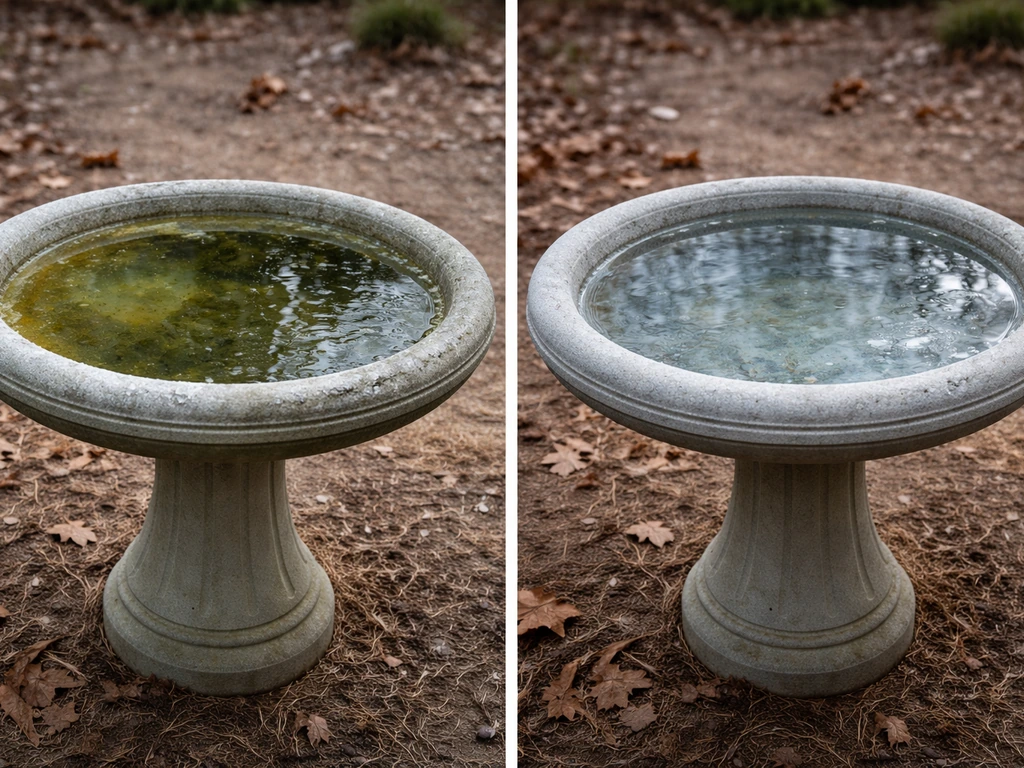
Green water means algae has taken hold, which happens fastest in full sun with still water. If you are running into bird bath problems like algae, freezing, or mosquitoes, start by matching the fix to the specific cause. Move the bath to partial shade, add a pump or dripper to keep water moving, and stick to the every-three-days water change schedule. If the problem keeps coming back despite those changes, do the full bleach disinfection and scrub the basin wall thoroughly before refilling. Algae spores cling to the surface even after you dump the water.
Bird bath alternatives and when to use them instead
A traditional pedestal bird bath is the default, but it is not always the best tool. Here are the main alternatives and when they actually make more sense.
| Alternative | When it works better than a standard bath |
|---|---|
| Ground-level dish or tray | You want to attract ground-feeding birds (robins, thrushes, doves, crows). Easier to fill and clean. Use a wide, shallow tray and replace it frequently. |
| Mister or dripper attachment | You specifically want hummingbirds. They prefer fine mist to standing water. Also works as an add-on to attract shy species to an existing bath. |
| Hanging bath | Small yards, deck or balcony setups, or anywhere ground predators (cats, raccoons) are a serious issue. Limited capacity means more frequent refills. |
| Solar fountain bath | You have no outdoor outlet but want moving water. Works well in mild climates. Output depends on sun availability, so less reliable on overcast days. |
| Heated basin / de-icer insert | Sustained winter freezing temps. The insert option lets you retrofit any bath you already own rather than buying a whole new unit. |
| Wildlife pond or shallow garden dish | You want to go beyond birds and support pollinators, amphibians, and other wildlife. Needs a very gradual slope or a ramp so small creatures can get out safely. |
The honest answer is that many yards benefit from two setups running simultaneously: a standard pedestal or ground bath for most species, and a mister or dripper nearby for hummingbirds. The combination covers more birds with minimal extra effort, and you can add or subtract elements based on what you actually observe birds doing.
If you are dealing with persistent problems like consistent algae, freezing, low bird traffic, or placement headaches, those issues often overlap with setup and safety decisions that go hand in hand with the tips here. The goal is always the same: clean, shallow, moving water in a spot where birds feel safe. Get those four things right and the birds will show up, which is why bird bath safety and clean, shallow water should always go together.
If you want to put all these choices together into a setup that fits your yard, a bird bath guide can help you pick the right depth, material, and upkeep schedule. Get those four things right and the birds will show up.
FAQ
How do I handle algae that keeps coming back even after I change the water?
If you see algae forming quickly (green tinting within a day or two), don’t just top off. Empty the bath, scrub the basin sides (not only the bottom), then refill with fresh water. Afterward, switch to moving water (dripper or small recirculating pump) and keep the bath out of full sun to slow regrowth.
Can I add pool chemicals or pond treatments to keep the bird bath clean?
No, birds usually do not need additives. In fact, many chemicals meant for ponds or pools can be unsafe for wildlife. Stick with plain water, and rely on cleaning plus moving water to control algae and odors.
What should I do if my bird bath is too deep for wading birds?
Use a gradual solution: keep the bath in place but make the edge shallower by placing a flat rock or small pebbles that create a wading shelf, then keep the water consistently filled. Sudden changes in water depth or texture can make birds hesitant for a few days.
How can I use a heated bird bath without wasting energy or overheating the water?
If you are heating in winter, choose a setup that brings water to a workable liquid state without constantly running. Thermostatic units that activate below about 35°F and shut off around 45°F reduce continuous wear and help avoid overheating in milder periods.
Is it okay to wash my bird bath with soap?
For dish soap, avoid it unless you rinse with extreme thoroughness. Soap residue can leave slippery film and irritate bird skin and feathers. If you must use any cleanser, use a very small amount, scrub, rinse repeatedly, and let the basin fully air dry before refilling.
Should I follow the schedule strictly, or adjust cleaning based on what I see?
A good rule is to clean based on risk, not just a calendar. If you notice floating debris, bird droppings, cloudy water, or heavy film, do a rinse and full water change immediately, then return to your routine (daily top-offs, full change at least every three days).
What’s the best way to stop mosquitoes without harming birds?
To reduce mosquitoes, moving water helps most. If you still see larvae, use a Bti product intended for mosquito control, following label directions, and avoid adding anything else that could affect bird safety. Also, remove any other standing water sources nearby.
Can I set up one bird bath that works for both hummingbirds and larger birds?
Yes, but the safest approach is to add a second source rather than forcing all birds to use one spot. Place the hummingbird mister near (or at) ground-level visibility for smaller birds, and keep a standard shallow bath nearby for songbirds, since hummingbirds typically prefer mist or drips over standing water.
My birds visit, but they do not bathe. What’s the most common fix?
If birds are landing but not bathing, revisit depth and footing. Ensure at least one wading edge is no deeper than about 1 inch and the surface is not overly slippery. Adding a few flat pebbles can help give grip, especially on very smooth glazed or polished basins.
Why do birds ignore my bath in a yard that seems otherwise suitable?
A frequent mistake is placing the bath where a predator could ambush from cover (dense shrubs or walls right beside the basin). Move it so birds have open sightlines, and re-check the distance to nearby cover after landscaping changes, not only at setup time.
My pump is on but the fountain or flow is weak. What should I check first?
If the bath is running but the water looks weak, first unplug and inspect for clogged pump intake or blocked impeller, then run the pump in a bucket of clean water to confirm proper flow before reinstalling. Weak flow usually comes from grit, algae buildup, or the pump not being positioned correctly.
When is a still (non-moving) bird bath acceptable?
Before you trust “still water is fine,” consider your sun exposure and bird traffic. In full sun and during warm weather, still baths develop algae faster. If you are not using moving water, plan on more frequent cleaning and more frequent full water changes.
How do I prevent cross-contamination when cleaning the bath?
A safe pairing is to keep the basin close to a surface birds can use for balance and to choose a removable, dedicated brush for weekly scrubs. Avoid scrubbing with shared tools used for other household surfaces, since residue or chemicals can transfer.
What’s the best way to handle bird baths when I’m traveling or away for several days?
If you are away for more than a day, fill the bath before you leave and prioritize a design that holds water longer without overflow. For freezes, bring a temporary solution (like a sheltered setup for exposed basins) or use an automatic thermostatic de-icer if your temperatures regularly drop below freezing.
Next Article
How to Make a Fairy Garden in a Bird Bath: Safe Build & Care
Create a bird-safe fairy garden in a bird bath: step-by-step build, plant choices, safety, care, troubleshooting